Introduction
Real Leather Bags have always stood apart from ordinary accessories. They are not simply containers for carrying personal items; they are a statement of taste, craftsmanship, longevity, and practical value. In an era where mass-produced synthetic products dominate shelves, real leather continues to represent something more meaningful: durability, authenticity, and a refined sense of style that matures gracefully with time.
For many buyers, the appeal of a leather bag starts with appearance. The rich surface texture, natural grain patterns, and premium feel often make a strong first impression. But the true value of a leather bag goes far beyond aesthetics. A well-made leather bag can serve for years, sometimes even decades, if it is made from quality hide and maintained properly. That long lifespan often makes real leather a smarter investment than cheaper alternatives that may look similar at first but deteriorate quickly.
The challenge is that the leather market can be confusing. There are terms like full-grain leather, top-grain leather, genuine leather, bonded leather, faux leather, PU leather, and synthetic leather. These labels are often misunderstood, and many buyers end up paying for something they believe is premium when it is actually lower grade. Some people are drawn to the word “genuine” without realizing that, in the leather industry, it does not necessarily mean the best quality. Others assume all leather is the same, which can lead to disappointment when a bag cracks, peels, or loses shape after only a short period of use.
What Are Real Leather Bags?
Real leather bags are bags made from animal hide that has been processed, treated, and preserved through tanning. In most cases, the material comes from cowhide, although other animal hides may also be used depending on the final product and market category. The tanning process stabilizes the hide so that it becomes durable, flexible, and suitable for everyday use.
Unlike synthetic substitutes, real leather is a natural material. Its surface is not perfectly uniform, and that is actually part of its appeal. Natural markings, pores, slight variations in grain, and subtle texture differences make each bag unique. No two pieces of leather are exactly identical, which gives real leather goods a sense of authenticity that manufactured surfaces often lack.
A real leather bag offers several qualities that consumers value highly:
- It feels more substantial and premium in the hand.
- It tends to become softer and more attractive with use.
- It offers strong resistance to daily wear when properly made.
- It can last for many years with minimal but consistent maintenance.
- It develops patina, which is the rich, aged character that many leather lovers admire.
Patina is one of the defining features of high-quality leather. Instead of looking worn out, good leather often looks more distinguished over time. That aging process is one reason leather has remained popular across generations. A well-cared-for leather bag does not just survive use; it transforms through use.
In contrast, faux leather and PU leather are manufactured to imitate the look of real leather, but they do not behave the same way. They often peel, crack, and lose their finish after repeated exposure to heat, friction, and humidity. Real leather, when sourced and treated properly, has a far better long-term performance profile.
A simple way to think about it is this: a bag made from real leather is an investment in longevity, not just a purchase for the moment.
History of Leather Bags
Leather has been part of human civilization for thousands of years. Long before modern fashion brands, leather served a basic and essential purpose: carrying, protecting, and storing items in a durable form. Early people needed materials that could withstand weather, movement, and regular handling, and hide was one of the most practical natural resources available.
Evolution of Leather Bags Through Time
Era Development: Ancient Era, Basic leather pouches and storage wraps. Classical Period: Functional satchels and travel carriers. Middle Ages: More structured leather bags and belts. Industrial Revolution: Mass production and wider accessibility. Modern Era: Fashion-focused, luxury, and lifestyle leather goods
In ancient societies, leather bags were often utilitarian. They carried food, tools, coins, and small necessities. As civilizations advanced, leatherworking became more refined, and bags became more structured and decorative. By the Middle Ages, leather satchels, messenger-style carriers, and travel packs had become more common.
The Industrial Revolution changed everything. Mechanical production made leather goods more widely available. Later, fashion houses and artisan brands elevated leather bags into symbols of style, luxury, professionalism, and personal identity. In the modern market, leather bags are available in countless forms, from minimalist backpacks to high-end briefcases and designer totes.
Today, real leather bags exist at the intersection of utility and fashion. They are used by students, professionals, travelers, executives, and style-conscious consumers worldwide. The reason for this enduring popularity is simple: leather has proven that it can be both functional and elegant.
Types and Variations of Real Leather Bags
The Best Leather Bag for one person may not be the best for another. That is why it is important to understand the major categories and choose according to use case, lifestyle, and personal preference.
For Women
Tote Bags
Tote bags are among the most versatile leather bags available. They are spacious, easy to access, and suitable for a wide range of daily activities. Many women choose leather tote bags for office use, shopping, travel, or general everyday carry.
Why are they popular?
- Large interior space
- Easy to organize essentials
- Suitable for work, errands, and casual use
- Often elegant and polished in appearance
A leather tote can hold a laptop, notebook, makeup pouch, charger, wallet, sunglasses, and other essentials without looking bulky.
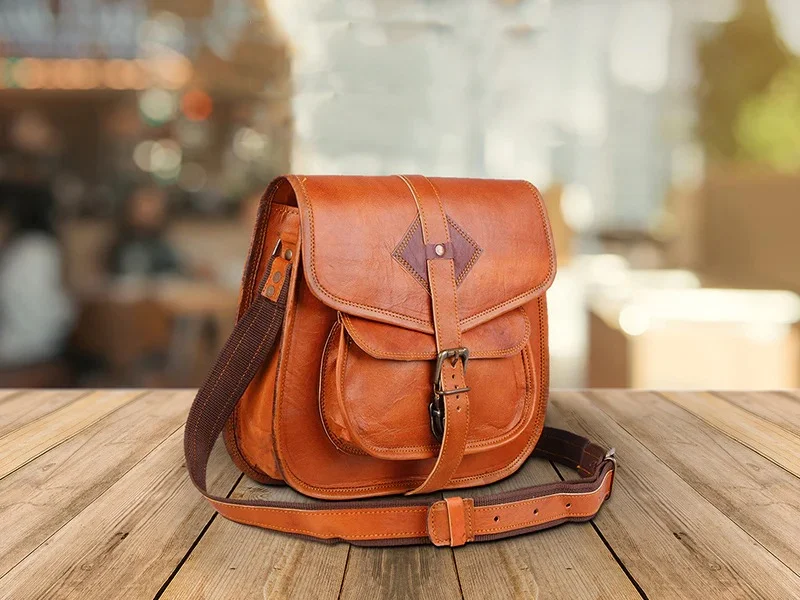
Crossbody Bags
Crossbody leather bags are designed for comfort and hands-free movement. They are compact, practical, and especially useful for casual outings, travel, and days when you need only a few essential items.
Benefits
- Lightweight design
- Secure and convenient to wear
- Great for commuting and travel
- Comfortable for long periods
These bags are ideal for buyers who prioritize mobility and minimal carry.
Shoulder Bags
Shoulder bags remain one of the most stylish and widely used forms of leather handbags. They combine elegance with practicality and can be worn in professional, social, or semi-formal settings.
Best for
- Formal and casual styling
- Day-to-evening transitions
- Fashion-conscious buyers
- Every day use with a polished look
For Men
Messenger Bags
Messenger bags are popular among professionals who want a smart, functional alternative to a backpack. Leather messenger bags are especially appealing because they balance structure, organization, and style.
Ideal for
- Office use
- Business meetings
- Laptop storage
- Documents and tablets
Briefcases
Leather briefcases are associated with professionalism, authority, and organization. They are often preferred by executives, consultants, lawyers, and business travelers.
Key advantages
- Formal appearance
- Structured shape
- Professional image
- Good protection for paperwork and devices
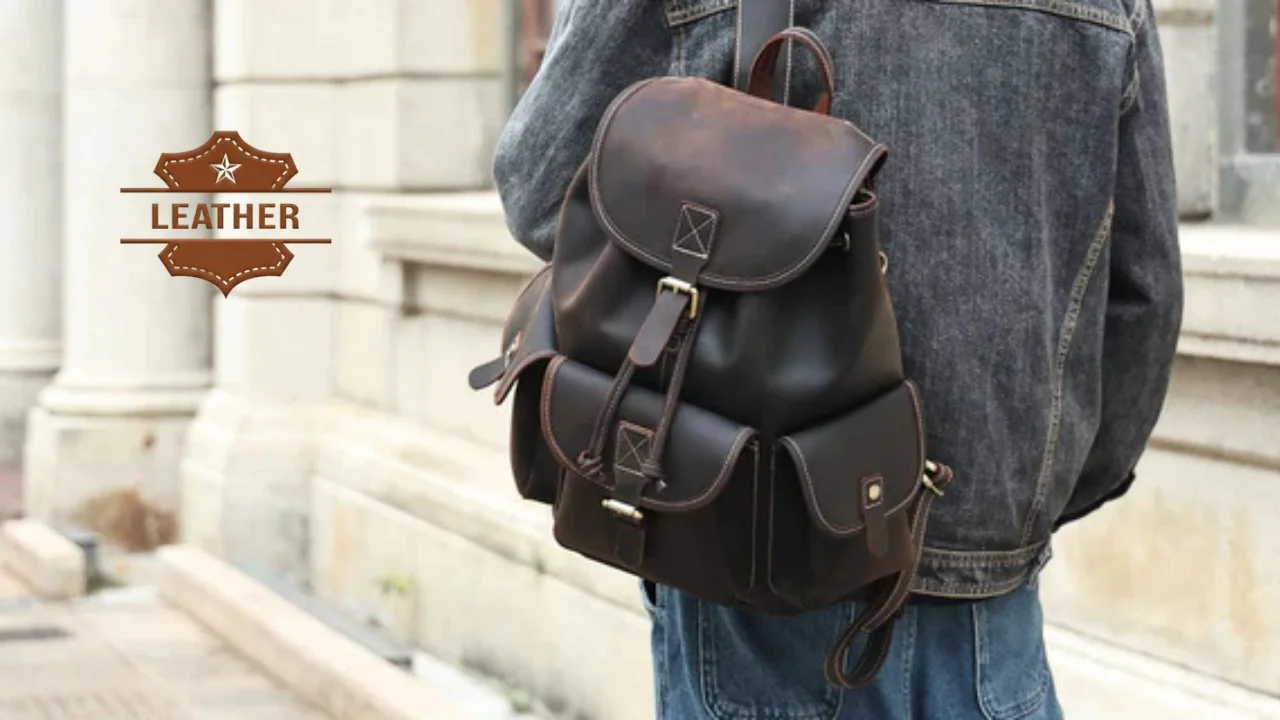
Leather Backpacks
Leather backpacks combine modern utility with classic material appeal. They are useful for students, commuters, travelers, and professionals who prefer balanced weight distribution.
Why do people choose them?
- Comfortable to carry
- Suitable for work and travel
- More stylish than synthetic backpacks
- Often large enough for laptops and accessories
Unisex Options
Duffel Bags
Perfect for travel, gym sessions, weekend getaways, and overnight stays.
Laptop Bags
Ideal for office workers, freelancers, and students who need tech protection and organization.
Weekender Bags
A great choice for short trips, business travel, or overnight packing.
A smart buyer does not choose based only on appearance. The best leather bag is the one that fits your routine, supports your daily needs, and lasts through repeated use.
Leather Types Used in Real Leather Bags
Understanding leather grades is one of the most important parts of buying a real leather bag. Many people focus on color, shape, or brand name, but the material quality is what determines whether a bag will last.
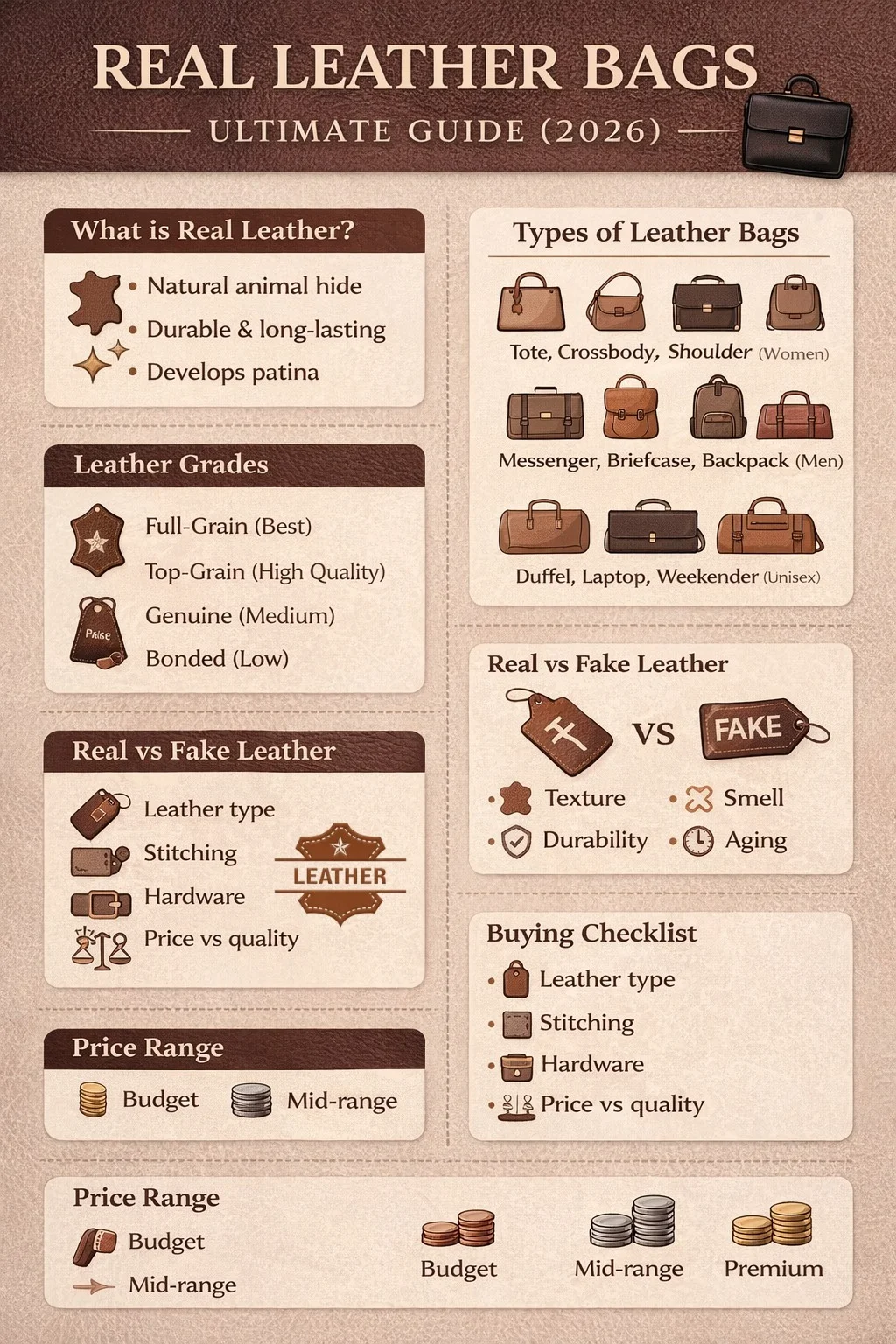
Leather Grades Comparison Table
Leather TypeQuality LevelDurabilityPriceCharacteristicsFull-GrainHighestExcellent$$$$Natural, strongest, develops patinaTop-GrainHighVery Good$$$Smooth, refined, slightly processedGenuine LeatherMediumModerate$$More processed, more affordableBonded LeatherLowPoor$Made from leather scraps and adhesivesPU LeatherSyntheticLow$Fake leather, man-made substitute
Full-Grain Leather
Full-grain leather is widely considered the best leather available for bags. It comes from the top layer of the hide and retains the natural grain. Because it is minimally processed, it keeps the strongest fibers intact.
Why it is exceptional:
- Extremely durable
- Ages beautifully
- Develops unique patina
- Resists wear better than lower-grade leather
This is the premium choice for buyers who want longevity and authenticity.
Top-Grain Leather
Top-grain leather is also high-quality, but it is slightly more processed than Full-Grain leather. The surface is usually sanded or refined to create a smoother finish.
Advantages:
- Attractive appearance
- Softer feel
- More uniform surface
- Strong and practical
Top-grain is a great balance between beauty and durability.
Genuine Leather
The term “genuine leather” is often misunderstood. It is real leather, but it usually comes from lower layers of the hide and is more heavily processed than full-grain or top-grain. It is not fake, but it is also not the highest quality.
Best for
- Budget-conscious buyers
- Entry-level leather users
- People who want real leather at a lower price point
Bonded Leather
Bonded leather is made from leftover leather pieces and fibers that are glued together with adhesives. It is the weakest category in the leather spectrum.
Limitations
- Shorter lifespan
- Poor resistance to wear
- Can peel or break down faster
PU Leather
PU leather is not leather at all. It is a synthetic material designed to imitate leather’s look and feel. It can be useful when affordability is the main factor, but it does not offer the same experience or longevity.
Main weakness
- Less durable
- Tends to crack or peel
- Does not develop authentic patina
When shopping for leather bags, full-grain is best, top-grain is excellent, genuine leather is acceptable for many buyers, and bonded leather should be avoided whenever possible.
Manufacturing Process: How Real Leather Bags Are Made
A high-quality leather bag is not created by accident. It is the result of a detailed production process that combines material selection, tanning, cutting, stitching, shaping, and finishing. Each stage affects the final quality.
Step-by-Step Manufacturing Process
Raw Hide Selection
The process begins with selecting suitable hides. Quality matters at this stage because the hide’s natural condition influences the strength and appearance of the finished leather.
Manufacturers look for:
- Thickness
- Texture
- Grain quality
- Structural strength
- Fewer visible defects
Tanning
Tanning is the process that preserves the hide and transforms it into usable leather. It prevents decay and improves flexibility.
Two major tanning methods are common:
Vegetable tanning
- Uses natural tannins from plant sources
- More environmentally conscious
- Often preferred in premium products
- Develops rich patina over time
Chrome tanning
- Faster production method
- Produces softer, more flexible leather
- Common in many commercial products
Cutting
Once the leather is prepared, it is cut into patterns based on the bag design. Precision is essential because any error can affect structure, balance, and appearance.
Stitching
Stitching is one of the strongest indicators of craftsmanship. Skilled artisans or machines assemble the pieces with attention to alignment, tension, and durability.
Finishing
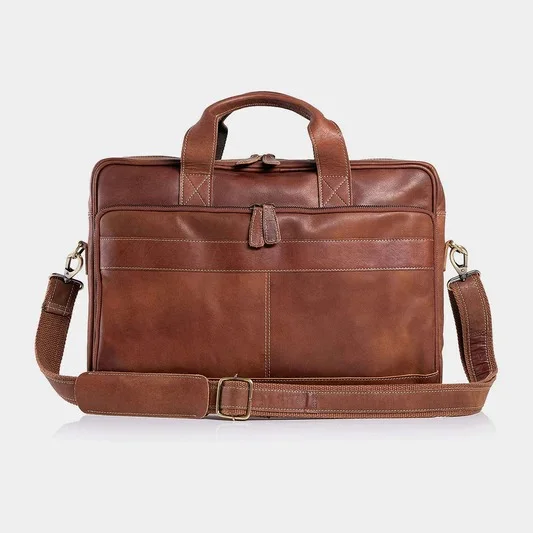
Finishing adds the final visual and protective details. This may include:
- Dyeing
- Polishing
- Edge finishing
- Surface coating
- Brand embossing
Quality Control
A proper final inspection checks:
- Seam strength
- Symmetry
- Hardware alignment
- Surface consistency
- Overall finish
Manufacturing Table
Step Description Selection Choosing premium raw hides Tanning Preserving and stabilizing leather Cutting Shaping leather Cutting Shaping leather components Stitching Assembling the bag Finishing Improving look and protection Inspection Final quality assurance
Well-made leather bags come from disciplined manufacturing. Even beautiful leather can fail if stitching, lining, or hardware is weak.
How to Identify Original vs Fake Leather
One of the biggest challenges for buyers is distinguishing real leather from imitation leather. Some products look convincing in photos or even in person, but careful inspection often reveals the difference.
Key Identification Tests
Texture Test
Real leather usually has natural irregularities. Its grain may not be Perfectly Identical from one area to another.
- Real leather: Slightly uneven, organic texture
- Fake leather: Repetitive pattern, overly perfect surface
Smell Test
Leather has a distinct natural scent that many people recognize immediately.
- Real leather: Earthy, natural smell
- Fake leather: Chemical, plastic-like smell
Water Test
A tiny amount of water can help reveal differences, though this should be done carefully and sparingly.
- Real leather: May absorb a little moisture
- Fake leather: Water often sits on the surface
Flex Test
Gently bending the material can show how it behaves.
- Real leather: Flexes naturally, may show subtle variations
- Fake leather: Often bends less organically and may appear glossy or stiff
Price Check
A very low price for a product advertised as premium leather should raise caution. Quality leather requires raw material, skilled labor, and finishing costs.
Important Note on Burn Testing
Some people mention burn testing to distinguish leather from synthetic materials, but this is not recommended for normal consumers because it can damage the product and may be unsafe.
Practical Advice
The best approach is to combine several indicators rather than rely on one. Examine the texture, ask about the leather grade, check the stitching, inspect the hardware, and verify the seller’s reputation. A trustworthy seller should be able to explain exactly what kind of leather is being used.
Buying Guide: What to Check Before Purchase
Buying a leather bag should never be rushed. A bag can look impressive in pictures but fail in everyday use if the construction is poor or the leather grade is weak.
Define the Purpose
Start by identifying what the bag will be used for.
Use CaseRecommended BagOfficeBriefcase / Laptop bagTravelDuffel bag / WeekenderDaily useTote / CrossbodyStudyBackpack / Laptop bagBusinessMessenger bag / Briefcase
A buyer who knows the purpose can narrow down the ideal format quickly.
Check the Leather Type
Always ask what type of leather was used. If possible, prioritize:
- Full-grain leather
- Top-grain leather
These are the strongest and most durable choices for long-term use.
Inspect Stitching Quality
Stitching reveals whether a bag is built to last.
Look for:
- Even stitch spacing
- Tight seams
- No loose threads
- Reinforced stress points
Poor stitching can ruin even expensive leather.
Evaluate Hardware
Hardware includes zippers, clasps, buckles, rings, and fasteners. Cheap hardware can reduce the lifespan of the entire bag.
Prefer:
- Metal Zippers
- Solid buckles
- Strong clasps
- Durable fittings
Avoid flimsy plastic components when purchasing a premium product.
Examine the Lining
The interior matters as much as the exterior. A strong lining protects your items and supports the structure of the bag.
Check Brand Reputation
A reputable brand often offers:
- Better material consistency
- Clear product descriptions
- Warranty or support
- Better customer satisfaction
Compare Price with Quality
A high price does not automatically guarantee quality, but extremely low pricing usually indicates compromises in material or construction.
Top Uses of Real Leather Bags
Real leather bags are extremely adaptable and suit a wide range of lifestyles and occasions.
Common Uses
- Office and business work
- Travel and vacations
- Daily commuting
- College and study
- Fashion styling
- Laptop and gadget protection
- Formal events and meetings
Why They Work So Well
Real leather bags offer a combination of elegance and functionality. They can elevate an outfit while also providing the strength needed for everyday carry. A premium leather bag can also create a strong impression in professional settings, where appearance and organization both matter.
For many users, one leather bag serves several roles. A laptop bag may also work for business travel. A tote may move from work to dinner. A backpack may handle both study and commuting. That versatility is part of the reason leather remains a preferred material.
Pros and Cons
No material is perfect. Real leather has clear strengths, but it also requires responsible care.
Pros
- Highly durable
- Premium appearance
- Ages beautifully
- Often lasts for years
- Can offer strong resale value
- Feels natural and substantial
- More sustainable over a long product life if used properly
Cons
- Higher upfront cost
- Requires maintenance
- Can be sensitive to water
- May be heavier than synthetic alternatives
- Quality varies widely across grades
The key is not to expect leather to be maintenance-free. Rather, think of it as a premium natural material that rewards care with longevity and better appearance over time.
Care and Maintenance Tips
A leather bag can last a very long time if it is cleaned, conditioned, and stored properly. Neglect, on the other hand, shortens its life dramatically.
Essential Care Tips
- Use a soft, dry cloth for regular cleaning
- Apply leather conditioner every 3 to 6 months
- Store the bag in a dust bag when not in use
- Keep it away from direct sunlight for long periods
- Avoid prolonged contact with moisture
- Do not overfill the bag, as this strains seams and shape
- Wipe spills quickly and gently
Quick Care Routine
TaskFrequencyLight cleaningWeeklyConditioningEvery 3–6 monthsStorage inspectionMonthly
Extra Protection Tips
If you live in a humid climate, airflow and dry storage become even more important. If you travel often, use stuffing or inserts to maintain shape. Never use harsh chemicals, bleach, or abrasive cleaners on real leather, because they can damage the finish.
Well-maintained leather develops character. Poorly maintained leather develops cracks. The difference is care.
Price Range Worldwide
Leather bag prices vary widely depending on leather grade, craftsmanship, brand reputation, region, and finish quality.
Global Price Breakdown
CategoryPrice RangeBudget$50–$100Mid-Range$100–$300Premium$300–$1000+
A lower price may still be acceptable if the product uses decent, genuine leather and solid workmanship. However, premium products usually justify their cost through superior materials, stitching, structure, and brand trust.
Regional Insights
- USA & UK: Higher retail pricing, especially for branded and premium fashion items
- Europe: Strong emphasis on craftsmanship and luxury heritage
- Middle East: High demand for premium and designer leather goods
- Asia: Competitive manufacturing, export-oriented production, and broad market range
Price also depends on whether a bag is handcrafted, machine-produced, designer-branded, or sourced from a major leather-producing region.
Top Countries Famous for Leather Bags
Certain countries have built strong reputations for leather craftsmanship, design, and export quality.
Leading Countries
- Italy: Known for luxury craftsmanship, premium design, and iconic fashion houses
- France: Associated with high fashion, elegance, and premium leather accessories
- USA: Recognized for durable, functional, and lifestyle-oriented designs
- Pakistan and India: Known for export-quality leather, artisan skills, and competitive production
Why These Regions Matter
These countries often lead in:
- Tanning technology
- Skilled labor
- Leather tradition
- Global design influence
- Export infrastructure
A bag’s country of origin does not automatically determine quality, but it can be a useful indicator when combined with material grade and construction standards.
Are Real Leather Bags Sustainable?
This question matters more now than ever. Sustainability is not only about the source of the material; it is also about how long the product lasts and what happens across its lifetime.
Why They Can Be Sustainable
- Long lifespan reduces replacement frequency
- Durable products create less waste
- Natural material may be biodegradable under the right conditions
- Long use can lower overall consumption
What Sustainability Depends On
- Ethical sourcing
- Responsible tanning practices
- Waste management
- Long-term product use
- Repair and care habits
A high-quality leather bag can be more sustainable than a cheap synthetic bag that must be replaced repeatedly. That said, sustainability improves when the leather is sourced responsibly and processed with eco-conscious methods.
The most sustainable bag is often the one you keep using for years rather than replacing every season.
FAQs
A: Yes, real leather bags are worth it for many buyers because they offer long-term durability, a premium look, and better value over time. Although the upfront cost may be higher, a quality leather bag can serve reliably for years with proper care.
A: Usually, leather bags last 5–20 years, depending on leather grade, workmanship, frequency of use, climate, and maintenance. Full-grain leather bags often last the longest, especially when stored and conditioned correctly.
A: Full-grain leather is the best choice for bags because it is the strongest, most durable, and most natural form of leather. It also develops a beautiful patina over time, which many buyers value highly.
A: Yes, leather bags can crack over time if they are neglected, dried out, exposed to harsh conditions, or not conditioned properly. Regular care, proper storage, and protection from moisture help reduce cracking significantly.
A: Yes, genuine leather is real leather, but it is lower quality than full-grain leather. It is usually more processed and less durable, which is why it is often more affordable than premium grades.
Conclusion
Real leather bags remain one of the most dependable, stylish, and practical accessories available today. They bring together craftsmanship, function, and elegance in a way that few materials can match. While synthetic alternatives may offer lower upfront prices, real leather stands out because of its longer lifespan, richer texture, and ability to improve with age.
The best leather bag is not necessarily the most expensive one. It is the one that matches your purpose, fits your routine, and comes from a trustworthy source with solid construction. If you understand the difference between full-grain, top-grain, genuine leather, and lower-grade alternatives, you are already ahead of most buyers.
For beginners, a well-made genuine leather or top-grain leather bag can be a sensible starting point. For buyers seeking the highest long-term value, full-grain leather is usually the best investment. In either case, informed selection matters more than impulse buying.
A quality leather bag is not just a purchase. It is a companion that can travel with you through workdays, weekends, business meetings, and life’s many routines. With the right knowledge, you can choose confidently, avoid counterfeit or low-grade products, and enjoy a bag that looks better the more you use it.