Introduction
Think of a leather bag the way an NLP model thinks about language: tokens, embeddings, attention, and degradation over time. In natural language processing, tokens (words) get encoded into vectors and lose salience when the training data becomes stale. Leather behaves similarly: its fibers and oils are the tokens and embeddings that preserve texture and strength; sun, dry air, friction, and neglect are the noisy inputs that degrade those embeddings. A Leather Conditioner is the fine-tuning step: it restores the internal weights (natural oils), re-aligns the surface distribution (shine and color), and stabilizes the system so the bag continues to perform — visually and functionally — for years.
This guide reframes leather care in computational terms so you can think like a caretaker-engineer: diagnose the problem, choose the right algorithm (conditioner type), run a clean training loop (clean → condition → buff), and monitor performance. Whether you have a luxury tote, a daily briefcase, a vintage satchel, or a travel duffel, this guide gives the principled steps, the product criteria, the application protocol, and the common pitfalls — all explained with practical examples and NLP metaphors to make decisions repeatable and robust.
What Is a Leather Conditioner for Bags?
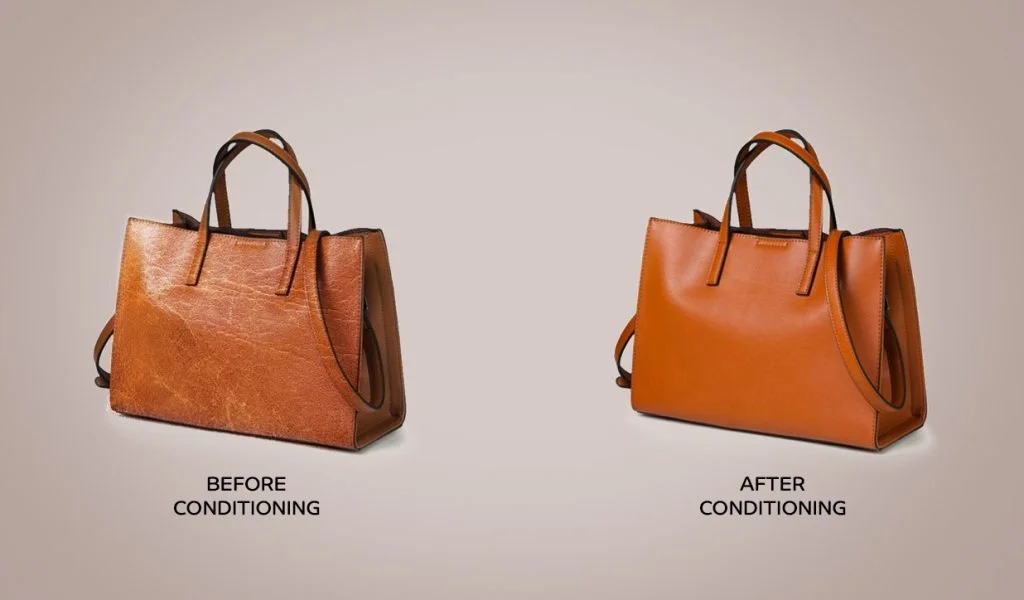
In ML terms, a leather conditioner is the loss-minimizer for the leather’s physical state. It supplies oils, waxes, or emollients that replenish what the hide lost over time; it reduces brittleness (high loss), restores flexibility (low gradient), and improves surface appearance (higher accuracy on the “looks like new” metric).
Leather is an organic matrix composed of collagen fibers. These fibers retain natural oils and proteins that make the hide supple. Environmental exposure, movement, and use are like repeated gradient steps that slowly eat away those oils. A conditioner fills that gap, penetrating the matrix to restore pliability and forming a temporary surface barrier against minor moisture and grime.
Main roles of a conditioner (objective terms):
- Restore internal moisture (re-embed oils into the fiber matrix)
- Maintain flexibility (prevent brittle failure)
- Protect surface characteristics (color retention, sheen)
- Provide minor water repellency (surface regularization)
- Slow further degradation (increase longevity metric)
A Short History
Before modern formulations, riders, carpenters, and saddle makers used simple, locally available solutions to preserve leather: rendered animal fats, tallow, beeswax, and plant oils. These were primitive but effective at giving leather a protective coating and reintroducing oils. As industrial chemistry developed, leather care evolved: blends of natural fats with surfactants and emulsifiers improved penetration and reduced rancidity. Today’s formulas combine traditional emollients with polymers, non-ionic surfactants, and UV stabilizers that deliver longer-lasting, less odorous protection — analogous to moving from hand-crafted feature engineering to automatic feature extraction and robust, reproducible model maintenance.
Why Use a Leather Conditioner for Bags?
If your bag is an investment, conditioning becomes part of its asset maintenance plan. KPI improvements after conditioning:
- Longevity: fewer cracks and splits (lower failure rate)
- Appearance score: color depth and sheen increase
- Tactile satisfaction: softness and suppleness improve
- Resale value: conditioned leather maintains better market value
- Performance in wet/dry cycles: short-term water repellency reduces immediate staining risk
Conditioning also reduces the probability of catastrophic aesthetic failure — the kind of cracking that is expensive or impossible to fully reverse.
Types of Leather Conditioner for Bags
Different conditioning formulas act like different optimization algorithms. Choose the algorithm that suits your leather dataset (type, age, finish). Below is a practical taxonomy; think of it as the selector function that maps leather type → conditioner choice.
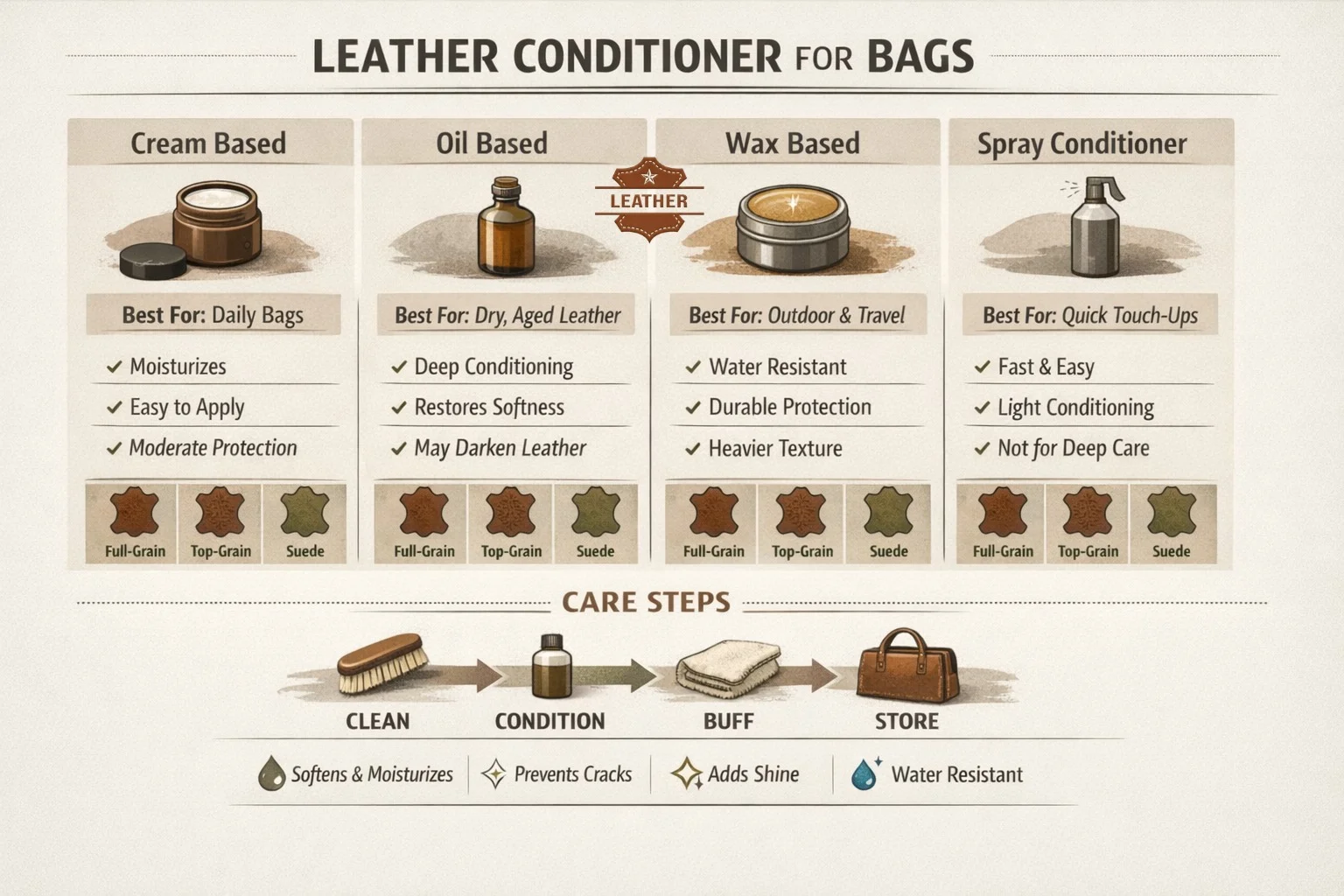
| Conditioner Type | Best For | Pros | Cons |
| Cream-Based | Smooth, everyday bags | Balanced moisture, easy control | Moderate protection vs heavy conditions |
| Oil-Based | Very dry or vintage leather | Deep conditioning, restoration | Can darken light leathers; heavier feel |
| Wax-Based | Outdoor, travel, rugged use | Adds water resistance, surface shield | Heavy texture; may build up over time |
| Spray | Quick maintenance, delicate finishes | Fast, uniform application | Shallow penetration; light conditioning |
Cream-Based Conditioners
Creams are emulsions: they spread easily, absorb moderately, and provide a controlled, repeatable outcome. They’re the default optimizer for daily-use bags. Use them for smooth, finished leather. They balance hydration and aesthetics.
Oil-Based Conditioners
Oils penetrate more aggressively and are good for depleted hides — think of them like deep re-training sessions. They’re ideal for vintage pieces and thick, vegetable-tanned leather that’s gotten parched. Be careful: oils can oxidize pigments, darkening lighter leathers.
Wax-Based Conditioners
Wax products combine emollients with hydrophobic waxes to create a protective top layer. If you travel frequently or expose your bag to variable weather, waxes add a buffer against moisture. Over time, waxes can obscure the natural grain if over-applied.
Spray Conditioners
Sprays are convenience-first. They are good for freshening and maintaining a consistent surface sheen, but lack depth. Think of spray conditioners as Light Touch-ups between full conditioning cycles.
Understanding Leather Types
Different leather “classes” accept conditioning differently. Match conditioner capacity to leather class.
- Full-Grain Leather — highest quality, natural surface. Needs regular conditioning to preserve integrity and patina.
- Top-Grain Leather — smoothed/refinished; moderate conditioning.
- Genuine Leather — lower-tier natural leather; condition occasionally and test compatibility.
- Suede — brushed, open nap; requires special suede/nubuck products, not regular creams.
- Nubuck — lightly sanded; gentle, protective care only.
- PU / Synthetic Leather — not real leather; conditioners meant for organic hide will not penetrate and may leave residue.
How Leather Bags Are Made
Understanding the leather production pipeline helps explain why conditioning is necessary:
- Raw Hide Preparation — cleaning and trimming removes contaminants.
- Tanning — stabilizes fibers; common processes: chrome tanning (fast, flexible) and vegetable tanning (richer patina, stiffer initially).
- Drying & Initial Oil Treatment — hides are given baseline conditioning during finishing, but that degrades over time.
- Cutting & Assembly — components are sewn; seams and edges may have different exposure profiles.
- Finishing & Polishing — topcoats and dyes are applied; some finishes block deep oil penetration.
Even with factory oils and finish treatments, everyday use strips oils away — which is why periodic reconditioning is the appropriate maintenance loop.
Step-by-Step: How to Apply Leather Conditioner to Bags
Here’s a reliable function you can call repeatedly.
Tools
- Soft microfiber cloth(s)
- Leather conditioner (appropriate formula)
- Soft bristle brush (for suede or to remove dust)
- Clean, well-lit workspace
- Masking tape or a hidden test patch area
Conditioning Routine
- Inspect: Scan for stains, deep cracks, or structural issues. If present, consider professional repair first.
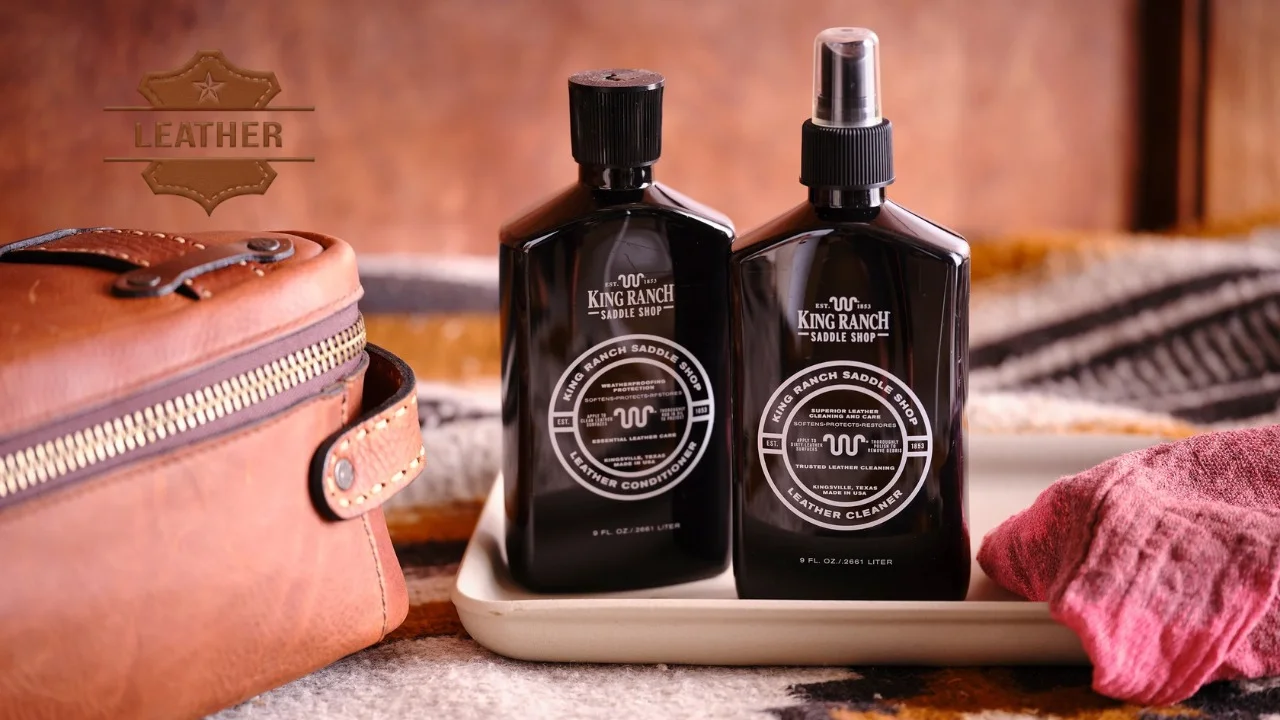
- Clean: Lightly wipe with a dry microfiber to remove dust. For grimier surfaces, use a leather cleaner formulated for the finish.
- Test: On an inconspicuous area (inside seam or corner), apply a small dot of conditioner, wait 10–15 minutes, and confirm no discoloration or surface change.
- Apply: Put a small amount of conditioner on the cloth, not directly on the leather. Work in gentle circular motions over a small area (approx. 10 x 10 cm).
- Absorb: Allow 15–30 minutes for absorption. For oil-rich formulas, you may need longer — monitor tackiness.
- Buff: Use a fresh microfiber to buff and remove any excess residue, restoring surface sheen.
- Edge Care: For exposed edges and hems, apply sparingly to avoid buildup.
- Storage: After conditioning, store in a breathable dust bag and avoid plastic covers, which trap moisture.
Practical Tips
- Less is more. Over-application leads to sticky residues and uneven color change.
- Never heat the leather to speed drying — heat damages collagen and dries oils.
- Repeat cadence: Condition every 3–6 months depending on climate and use (see FAQ).
How to Identify Real Leather vs Fake Leather
Before conditioning, confirm substrate type. Conditioning agents assume porosity and collagen structures that synthetics do not have.
Signs of real leather
- Natural Grain Variations and imperfections
- Characteristic leather scent (earthy, fatty)
- Breathes: water droplets absorb slowly into the surface
- Raw edges show layered fibers rather than a single plastic sheet
Signs of fake/synthetic leather
- Uniform, repeating grain pattern
- Plastic or chemical odor
- Water beads and does not absorb
- Backing is a textile or polymeric laminate
Conditioners for real leather will not function correctly on synthetic materials; they may cause stickiness, flaking, or film buildup.
Buying Guide: How to Choose the Best Leather Conditioner for Bags
Selecting the right conditioner for your bag is analogous to choosing a model architecture: you need input features (leather type, color, finish), constraints (avoid darkening, water resistance), and outputs (desired look and feel).
Key selection criteria:
- Leather compatibility: Check manufacturer recommendations and product labels.
- Ingredients: Prefer natural oils (neatsfoot, lanolin, neatsfoot blends), beeswax, and mild emulsifiers. Avoid harsh solvents or petroleum-based products that leave films.
- Color safety: Test on a patch. Some oils will darken or shift pigment.
- Absorption: Good formulations penetrate without leaving residue.
- Multi-functionality: Cleaners + conditioners combine steps but may sacrifice depth.
Price tiers
- Budget ($8–$15) — Basic maintenance, simple emollients; fine for infrequent use.
- Mid-range ($15–$30) — Better ingredients, fewer additives, reliable performance.
- Premium ($30–$60) — Professional-grade formulas, refined emollients, color-safe claims, and more consistent results — often preferred for designer or vintage bags.
Top Uses of Leather Conditioner for Bags
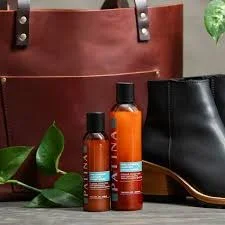
Conditioners do more than moisturize:
- Prevent cracking for high-use bags
- Restore soft hand for older leather
- Improve appearance: deeper color and gentle sheen
- Provide minor water repellency for incidental exposure
- Protect an investment: conditioned leather often fetches a higher resale value
Think of conditioning as scheduled model maintenance: regular interventions reduce risk and extend functional lifespan.
Common Mistakes to Avoid
Avoid these frequent errors that cause more harm than good:
- Over-application: too much conditioner forms residue, darkens, and attracts dirt.
- Not cleaning first: sealing grit into the leather causes abrasion.
- Using household oils: olive or coconut oil degrades leather and attracts rancidity.
- Conditioning too often: Over-conditioning changes the finish and can cause buildup.
- Ignoring manufacturer instructions: some finished leathers require specific care.
Follow the pre-flight checks and test protocols to prevent these anti-patterns.
Pros and Cons
Pros
- Restores suppleness and softness
- Prevents cracking and tearing
- Deepens color and improves appearance
- Extends the usable life of the bag
Cons
- Poor formulas darken or leave residues
- Overuse changes the finish and hand
- Not all conditioners are color-safe
- Does not repair severe structural damage (only cosmetic and surface condition)
Price Range, Brands & Sourcing
Leather conditioners are widely available. Price correlates with ingredient quality, brand reputation, and intended use (consumer vs professional).
Top professional/popular brands
- Leather Honey
- Bickmore
- Chamberlain’s Leather Milk
- Leatherique
- Cadillac Leather Care
Note: Each of these brands offers distinct formulas and strengths; always read the product specifics and test on an inconspicuous area before full application.
Countries Famous for Leather Products
Regions with deep leather-making traditions produce goods that are often worth preserving carefully:
- Italy — renowned for luxury handbags and artisanal tanning traditions
- France — major designer leather houses and couture leatherwork
- United States — durable leather goods and modern leatherwear
- Pakistan — strong handcrafted leather manufacturing
- India — large-scale and artisanal handcrafted leather goods
Care & Maintenance Tips
Turn these into habits, and your bag will reward you.
- Store in breathable dust covers (cotton bags)
- Avoid prolonged direct sunlight exposure
- Keep away from water and clean spills promptly
- Condition every 3–6 months, depending on climate and use
- Use gentle cleaners; avoid household detergents
- Rotate bags; constant use accelerates localized wear
- For travel, keep a minimal care kit: a small cloth and a travel-size conditioner
FAQs
A: Most leather bags benefit from conditioning every 3–6 months. Climate, usage, and leather type influence the cadence: in dry or arid climates or with heavy daily use, lean toward the 3-month end.
A: If used incorrectly, yes. Over-application, using the wrong formula (e.g., an oil-heavy formula on delicate finished leather), or failing to test first can cause darkening, sticky residue, or finish changes. Always test on a hidden spot before treating the whole bag.
A: Some shoe conditioners will work, but shoes are often built for thicker, more rugged leather and may contain ingredients that alter the hand or finish of a delicate handbag. Products formulated specifically for bags or fine leather are safer and more precise.
A: Most conditioners provide mild water repellency by smoothing the surface and adding hydrophobic components, but they do not fully waterproof leather. For serious water protection, you need a specialized leather protector or waterproofing product.
A: Conditioners can soften shallow or recent cracks and improve elasticity, but they cannot fully restore deep, structural cracks or torn fibers. For serious damage, seek professional restoration.
Expert Tips & Troubleshooting
- Darkening after conditioning: This is common with oil-rich formulas. If the look bothers you, apply less product next time and test prior to full application. For immediate correction, gently wipe with a clean cloth; darkening often evens out after 24–48 hours.
- Sticky residue: You likely used too much or didn’t buff enough. Clean the surface with a recommended leather cleaner and reapply a tiny amount, buffing thoroughly.
- White bloom or wax residue: Wipe with a soft cloth; if persistent, use a leather-safe polish remover or consult a professional cleaner.
- Suede nap flattening: Use a suede brush and avoid creams — use products designed for suede only.
Practical Routines by Use Case
- Daily commuter briefcase: Clean monthly; condition lightly every 3 months; wipe after wet weather.
- Weekend bag (occasional use): Clean and condition every 4–6 months; store in a dust bag.
- Vintage/antique bag: Condition using oil-based or professional-grade restoratives every 6 months or as needed; consult a conservator for severe cracking.
- Travel luggage: Use wax-based products for added surface protection before trips; remove buildup yearly.
A Simple Checklist & Quick Reference
- Test zone: Always
- Cloth: Microfiber
- Amount: Pea-sized per 10×10 cm
- Motion: Circular, light pressure
- Wait time: 15–30 minutes
- Storage: Breathable bag, away from the sun
- Frequency: 3–6 months (adjust to climate/use)
Conclusion
Leather is a living, Organic Material. Treat it like a system that requires periodic maintenance: cleaning, conditioning, and proper storage. Use the right conditioner for your leather class, apply with restraint, test thoroughly, and build a care cadence that matches your climate and use patterns. With consistent, informed maintenance — and by avoiding common mistakes — a leather bag can remain attractive, supple, and serviceable for decades.