Introduction
Leather Backpacks offer an excellent balance of style and utility in 2026. They combine a timeless, mature appearance with solid construction and, when chosen properly, deliver long-term, reliable performance. This guide covers key details: differences between full-grain and top-grain materials, important aspects for device safety and travel, ways to detect fakes, realistic global price levels, and an easy upkeep routine that enhances appearance over time. Whether you’re seeking a tough outdoor carry, a sleek professional option, or an affordable leather-style pack, this read helps you choose wisely and maintain it as a lasting favorite.
What defines a leather backpack?
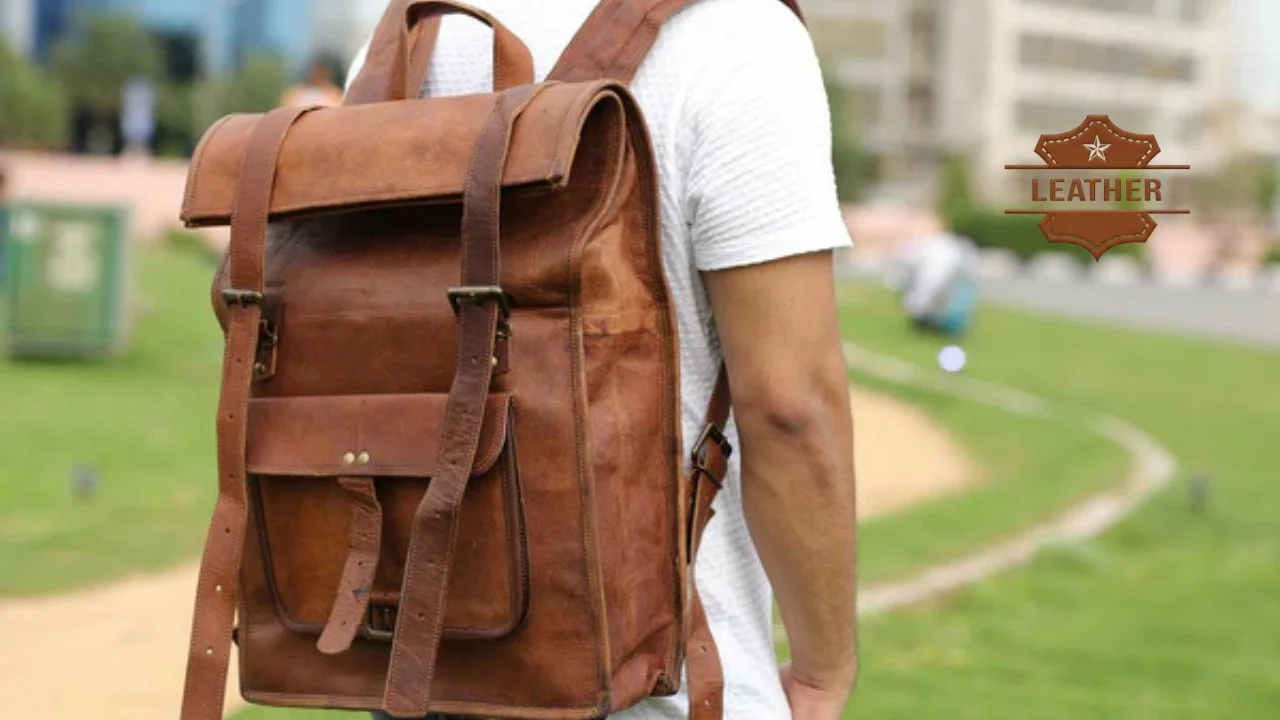
A leather backpack is any pack that primarily uses treated animal hide for the outer surface instead of textiles like nylon, canvas, or synthetic alternatives. This broad category includes sturdy full-grain adventure packs, slim top-grain laptop carriers, aged-look daily bags, and lightweight urban models. People choose leather for its warm touch, natural aging patina that deepens with wear, and dressier vibe compared to tech-fabric versions.
Brief history of leather backpacks
Leather carry items trace back thousands of years, as hides served early humans for pouches and holders. The backpack form evolved from rugged field and military designs needing tough skins and secure closures. In the 1800s and 1900s, improved tanning and sewing shifted leather from basic tools to school satchels, student carriers, and work cases. In the last twenty years, skilled producers have revived classic shapes while adding modern features like cushioned device pockets, comfort straps, and weather-resistant coatings, making leather packs suitable for contemporary city routines as well as traditional workshops.
Categories and styles — select by purpose
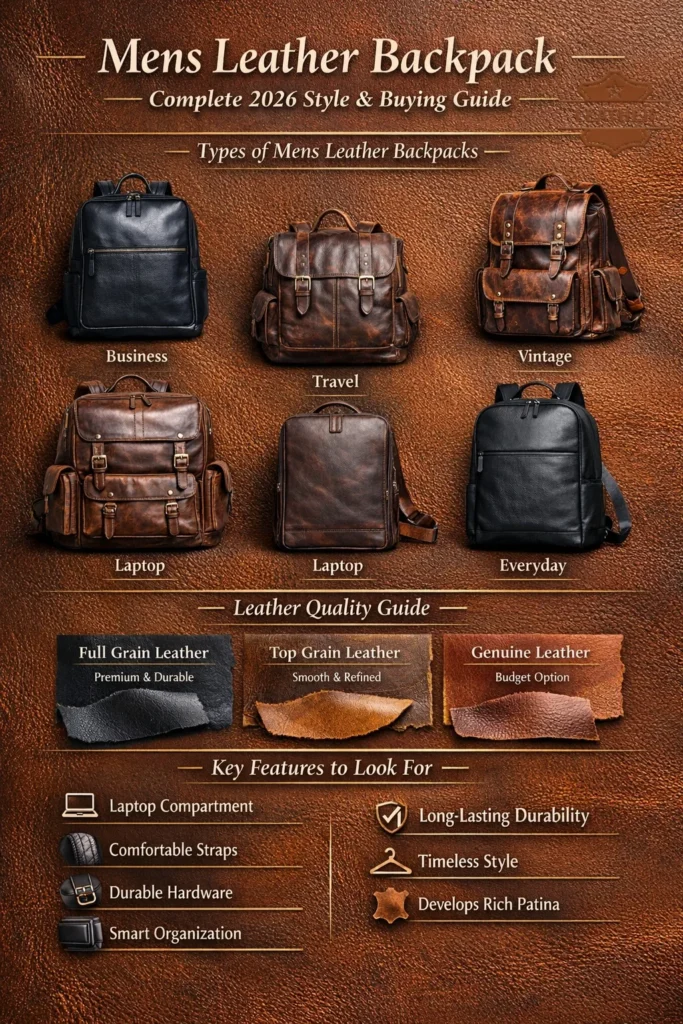
Various leather backpacks match different needs. Here are the main groups and typical users.
Work / Computer Leather Backpacks
Slim shapes, cushioned laptop compartments (13″–17″), cord storage, and neat designs. Perfect for office workers needing a polished look plus tech protection.
Travel & Overnight Leather Backpacks
Larger Size (20–35 L), reinforced bottoms, extra sections, often with luggage pass-through. Great for short getaways and plane carry-on.
Aged / Traditional Leather Backpacks
Worn textures, rivet builds, thick hides. Favored by fashion-focused users wanting instant character that improves yearly.
Simple / Urban Leather Backpacks
Light, slim, essentials-only focus, ideal for city commuters seeking elegance without heft.
Tough / Outdoor Leather Backpacks
Heavier hides plus strong fittings for harsh settings. They weigh more but promise an outstanding lifespan.
Leather types and their significance
Understanding hidden terms prevents quick regret. Here’s a short, useful comparison of common types on sales pages.
- Full-Grain: Top hide layer kept whole — top strength, gains rich, appealing patina, high cost.
- Top-Grain: Outer layer smoothed for evenness — strong, smoother/less unique than full-grain, medium-high cost.
- Corrected / Basic: Deeper parts or stamped surface — average strength, minimal natural patina, low-medium cost.
- Bonded / Synthetic: Mix or plastic coating — low strength, no patina/may peel, low cost.
Full-grain sets the durability standard: superior toughness, best aging, and easiest repairs. Top-grain offers a good middle ground for a cleaner face at a somewhat lower price.
How quality backpacks get crafted
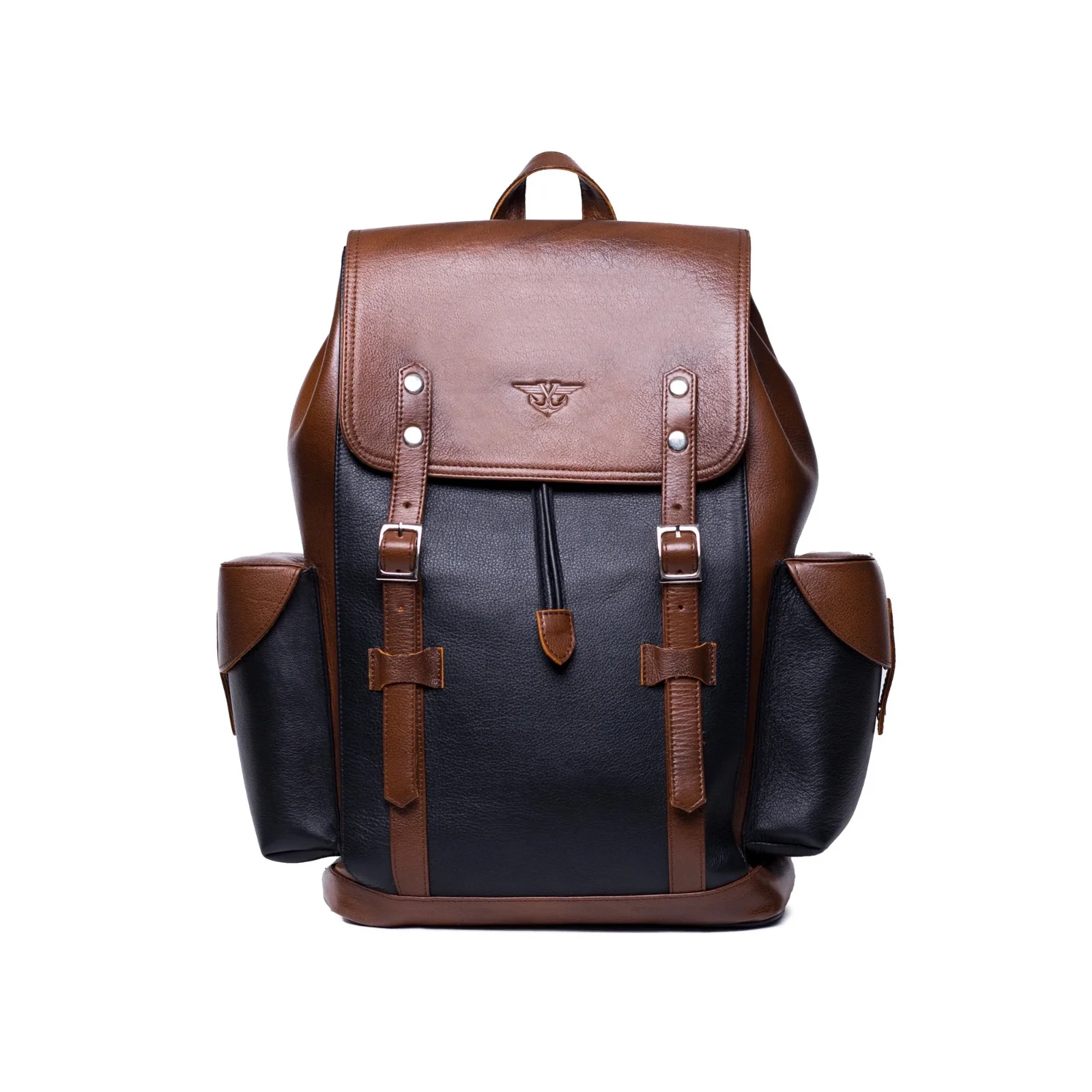
Superior leather backpacks result from careful steps in every phase:
- Hide selection and sorting — Processors grade skins by depth, marks, and texture. Top producers pick wide, uniform full-grain pieces to minimize seam stress.
- Tanning process — Vegetable methods build stronger natural patina; chrome yields softer, stable color hides. Each impacts weight, odor, and future look.
- Cutting and layout — Skilled cutters position pieces to avoid flaws, reducing joins; fewer joins mean fewer weak spots.
- Skiving and edge treatment — Edges thinned to prevent bulky seams, then burnished or coated neatly.
- Hardware choice — Brass, steel, or coated strong parts outlast thin metals. Reliable zippers like YKK are common in fine builds.
- Sewing and reinforcement — Key areas use heavy hand or machine stitching, often rivet-boosted. Tough polyester thread handles strain.
- Final treatment and inspection — Oils, waxes, or guards added, then full quality check.
Makers investing in strong thread, thicker stress-point hides, and solid fittings create packs that last decades with minimal effort.
Ways to identify genuine versus imitation leather
Protect against false claims with these quick, trustworthy tests:
- Look and texture — Full-grain shows natural marks, varied grain, organic feel. Perfect repeated evenness suggests corrected or synthetic.
- Odor — True leather has a warm, natural smell; fakes often smell chemical or plastic-like.
- Edge check — Genuine edges appear fibrous; synthetics are smooth or coated.
- Flex test — Bend an unseen part: real leather creases softly; fakes may crack or mark oddly.
- Small water drop — On a hidden area, a drop darkens slightly and absorbs into a vegetable-tanned full-grain (hide breathes). Test only if a minor mark is okay.
- Price honesty — Full-grain claimed at too-low prices raises doubt. Good makers share tanning details, source, and guarantee — seek transparency.
Purchase guide — check before acquiring
Use this checklist online or in person:
- Leather type listed? Favor full-grain or honest top-grain.
- Device safety: Confirm cushioned, shock-proof pockets matching your gear.
- Comfort: Padded straps, chest strap, Breathable back panel, and key for heavy loads.
- Hardware strength: Brass or steel parts plus tough zippers beat cheap metals.
- Sewing and reinforcement: Check load zones — cross stitches, bar tacks, rivets, signal quality.
- Lining and pockets: Strong lining resists wear and keeps items organized.
- Weather protection and finish: Seek waxed or treated repellent for rainy areas.
- Warranty and repair policy: Makers offering repairs or long coverage build durability.
Side-by-side leather type comparison
| Aspect | Full-Grain | Top-Grain | Corrected / Basic | Synthetic / Bonded |
| Strength | Outstanding | Strong | Average | Weak |
| Patina/Aging | Deep rich | Limited | None | None |
| Mark resistance | High (adds charm) | Decent | Low | Very low |
| Price | High | Medium-High | Budget | Budget |
| Repair ease | High | Decent | Low | Very low |
Scenarios: Which pack suits which person
- Daily city commuter with 15″ laptop: Slim top-grain computer pack with cushioned pocket and weather guard.
- Regular traveler/plane user: Full-grain with tough bottom, 25–35 L size, luggage sleeve.
- Fashion-priority buyer: Aged full-grain for an instant vintage feel.
- Budget-focused buyer: Quality top-grain or corrected with solid fittings and a clear warranty.
Outfit ideas — appear polished with a leather backpack
- Office: Black or dark brown, minimal outer pockets, slim form — pairs with suits and tailored coats.
- Casual: Light brown or tan with jeans and boots; texture adds warmth.
- Travel: Full-grain natural shades feel rugged, suit layered trip outfits.
- Street style: Worn finishes work with casual layers and leather/textile jackets.
Upkeep and handling (step guide)
Regular care boosts lifespan significantly. Suggested timing: every 3–9 months, depending on exposure.
- Empty and inspect — Remove items, shake out loose dirt.
- Wipe and brush — Use a soft cloth or brush for dust; soft bristles for dry soil.
- Spot clean — Light pH-safe leather cleaner; avoid soaking.
- Condition — Apply quality conditioner (e.g., Leather Honey) thinly, let absorb, then buff.
- Protect — In damp areas, add safe repellent or wax per instructions.
- Repair early — Secure loose threads or replace parts before major issues.
- Store — Keep in an airy dust bag away from sun/heat. Avoid plastic that traps moisture.
Easy mark removal
- Blot fresh spills fast with a dry soft cloth — no scrubbing.
- Dried marks: Mild soap solution (neutral soap + water), damp cloth, gentle wipe.
- Air dry naturally — never use heat.
- Recondition after drying to restore oils.
Cost levels worldwide and smart shopping
Prices vary by leather type, origin, and brand:
- Entry/basic (synthetic/corrected): $50–$200
- Mid-level (top-grain, solid fittings): $200–$500
- High-end (full-grain, handcrafted, Italy/USA): $500–$1,200+
- Classic/custom: $1,200–$3,000+
Brands transparent about tannery audits (e.g., Leather Working Group) and eco details often charge more for verified quality. Shop during sales, check direct sites, and read recent reviews for value.
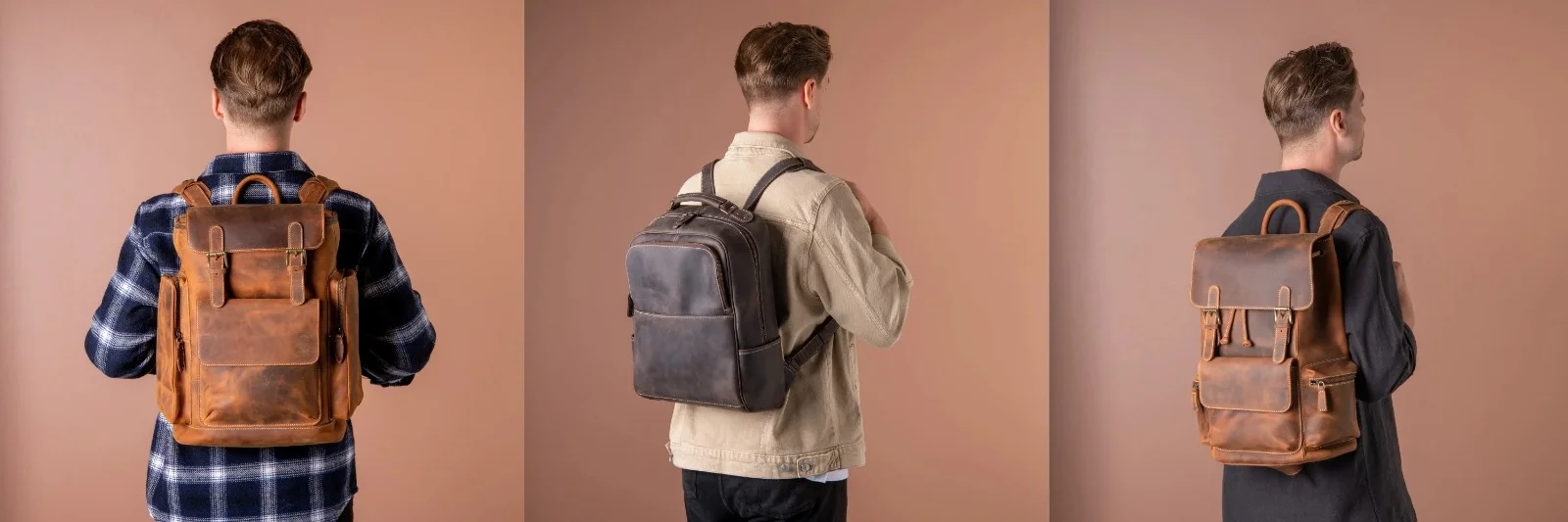
Leading makers and their strengths
Many producers have unique edges. Trusted ones in 2026 include:
- Saddleback Leather — Famous for ultra-tough full-grain packs and extreme guarantees (e.g., 100-year warranty); built like tanks for adventure.
- Harber London — Excels in slim, tech-ready computer backpacks with neat, professional forms; premium full-grain, handmade in Spain.
- Mahi Leather — Strong value with classic and Urban Styles; versatile, aging well.
- King Kong — Heritage looks with modern durability; rugged yet stylish.
Prioritize brands transparent on sources, certifications, and repair services for true longevity.
Advantages and drawbacks of leather backpacks
Advantages
- Timeless, classy look.
- Extended life — full-grain especially.
- Patina builds unique character over the years.
- Repairable — threads, rivets, and straps are often fixable instead of disposable.
Drawbacks
- Heavier than textile options.
- Not naturally Waterproof — needs treatment.
- Quality costs more.
- Requires light regular care to prevent drying/cracking.
FAQs
A: No — most resist light water. Add wax or repellent for wet conditions; avoid prolonged soaking.
A: Full-grain usually outlasts and develops better patina. Top-grain is solid, lighter, and more uniform.
A: Leather versions weigh roughly 20–40% more empty than similar-sized textile ones.
A: Yes — sewing, rivets, straps, and fittings are often repairable. Top makers provide services or recommend experts.
Conclusion
A leather backpack is a smart choice in 2026 for those valuing an item that personalizes with age. Opt for full-grain for maximum lifespan and richest patina, top-grain for a neat surface at lower cost, or corrected/synthetic when budget rules. Focus on device protection, comfort features, strong hardware, and makers sharing material/fix info. With basic Care — cleaning, conditioning, protecting — a proper leather backpack turns from purchase to cherished keepsake.
Start by assessing your main use (work, travel, daily), budget, and preferred leather type, then explore top brands like Saddleback, Harber London, or Mahi for current models.