Introduction
Brown leather bomber jackets are a deceptively simple wardrobe staple with a deep lineage, broad styling range, and surprisingly technical purchase decisions behind them. This extended, NLP-aware guide reframes the subject with search-friendly headings, rich semantic keywords, practical checklists, and tactical care instructions so you, whether a first-time buyer or a leather enthusiast can make confident decisions and keep your jacket performing and looking its best for years.
What is a brown leather bomber jacket?
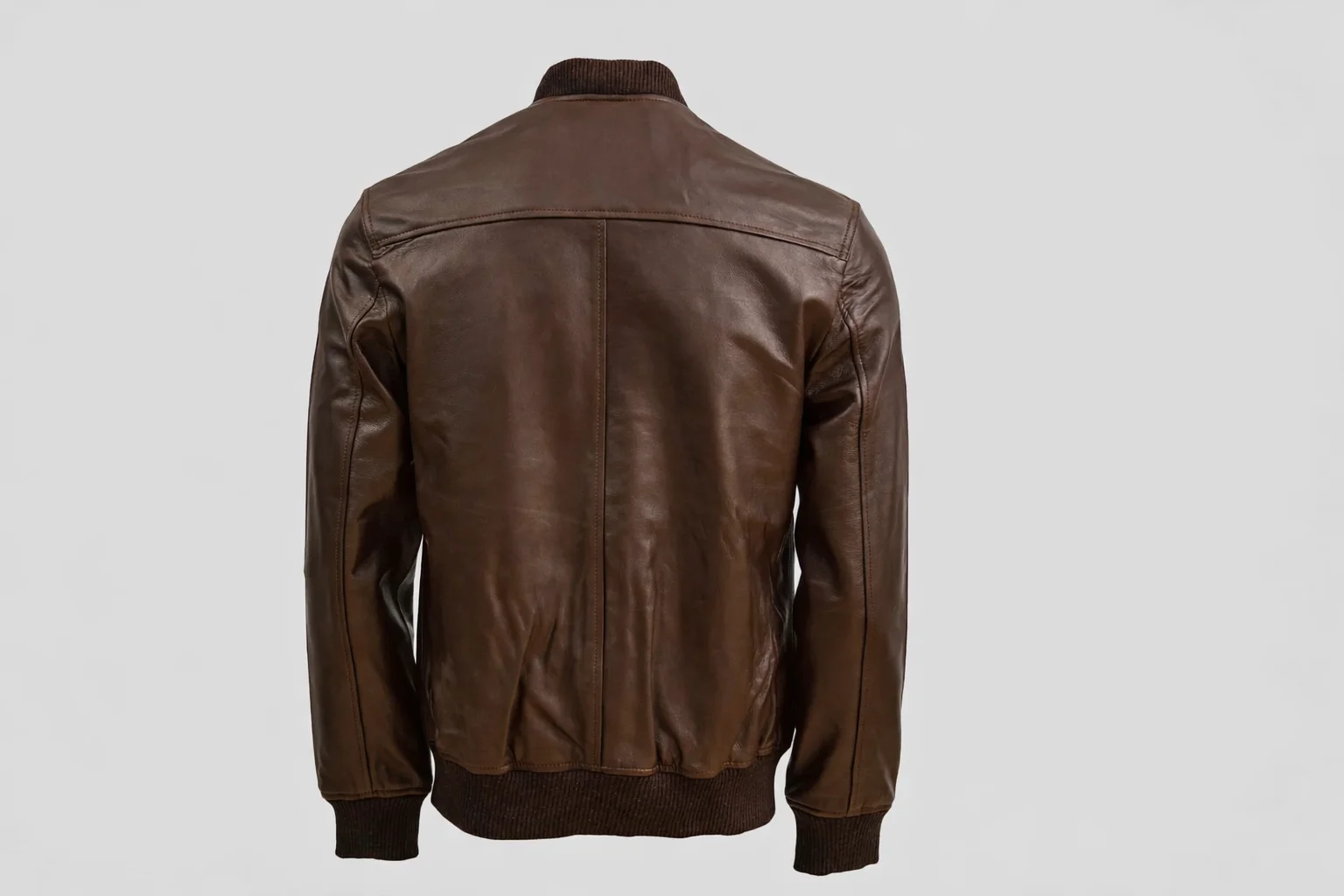
A brown leather bomber jacket is a waist-length outerwear piece constructed primarily from leather (or leather-alternative), typically featuring a front zipper, a short ribbed or knit waistband, ribbed cuffs, and a collar that can be knitted, shirt-style, or shearling. In design language, bombers are casual to smart-casual: more relaxed than a blazer, more structured than a sweatshirt.
Key anatomical elements to understand:
- Shell — The outer leather (full-grain, top-grain, lambskin, suede, or synthetic).
- Lining — Quilted, satin, viscose, or wool for comfort and insulation.
- Hardware — Zippers, pull tabs, snaps, and rivets; metal quality matters.
- Ribbing — Cuffs, collar, and hem provide shape and seal warmth.
- Pockets — Welt pockets, slash pockets, or zip pockets for function and aesthetics.
- Panels & Seams — Patterning around shoulders and yokes controls silhouette.
Understanding these parts helps you evaluate fit, durability, and style compatibility and informs which technical terms to look for on product pages and tags.
A brief history: military origins to mainstream style authority
The bomber jacket’s lineage is rooted in early 20th-century military needs: aviators required durable, warm, and flexible outerwear for open cockpits and variable altitudes. Two canonical military archetypes influenced civilian fashion:
- A-1 — An early leather flight jacket with a more utilitarian design.
- A-2 — The archetypal “bomber” we often picture: straightforward, rugged, and functional.
Post-war surplus and celebrity adoption pushed bombers into civilian wardrobes. Movie heroes and musicians accelerated their cultural cachet, and designers have since iterated on the silhouette—introducing shearling collars, slim tailoring, oversized streetwear cuts, and luxe finishes. Brown tones historically emerged from natural tanning processes and remain prized for a warm, approachable visual texture that develops character over time.
Why brown leather bombers stay so popular
Brown bomber jackets endure because they deliver a potent combination of utility and aesthetics:
- Versatility — Brown pairs naturally with earth tones, denim, navy, and neutrals.
- Timelessness — The silhouette is classic; updating cut and detail keeps it current.
- Durability — Proper leather ages, gaining patina and depth.
- Comfort & Layering — Roomy enough for sweaters, fitted enough for smart-casual settings.
- Visual warmth — Brown conveys a softer, more approachable personality than stark black.
If you want a single jacket that bridges seasons and dress codes, brown is a strategic color choice.
Types & style variations
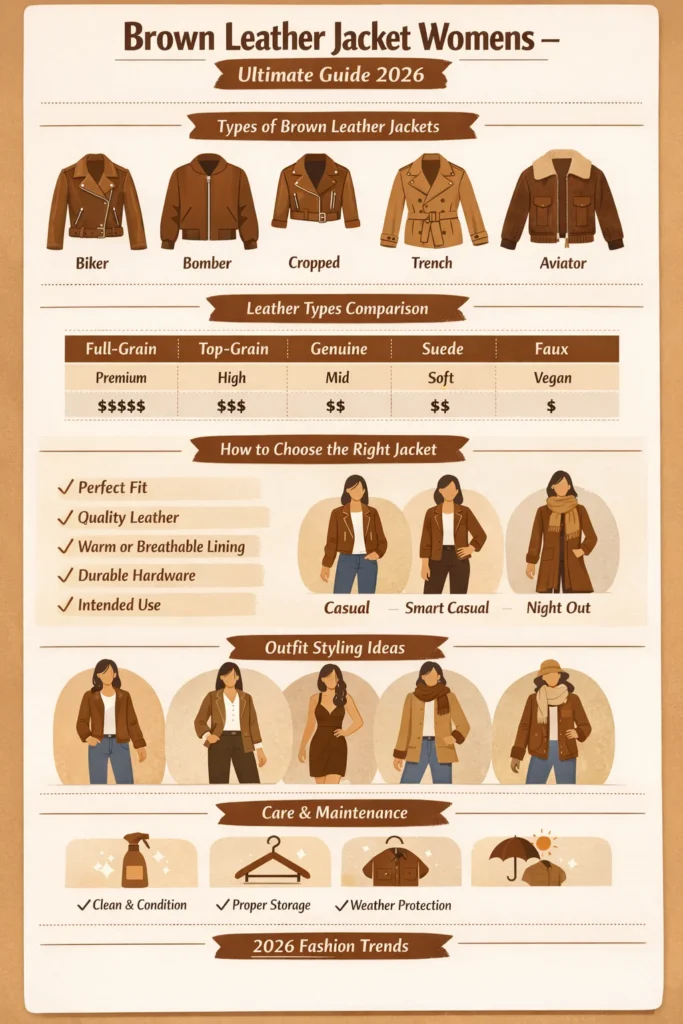
The bomber family is broad. Below is a taxonomy that helps seed search intent and informs buying decisions.
A-2 Classic Bomber
- Profile: Historical reference, simple paneling, basic ribbing.
- Best for: Vintage authenticity, authenticity-seeking wearers.
- Look: Rugged, utilitarian.
G-1 / Shearling-Collar Bomber
- Profile: Distinct wool/sherpa collar (real or faux), often heavier.
- Best for: Cold climates, heritage aesthetics.
- Look: Cozy, masculine, traditional.
Modern Slim-Fit Bomber
- Profile: Tailored torso, tapered sleeves.
- Best for: Smart-casual wardrobes, urban Professionals.
- Look: Sleek, minimal.
Oversized / Boxy Bomber
- Profile: Generous cut, dropped shoulders.
- Best for: Streetwear styling, layering.
- Look: Contemporary, relaxed.
Suede Bomber
- Profile: Nap leather exterior with soft texture.
- Best for: Dry climates, refined casual looks.
- Look: Luxurious and tactile.
Vegan / PU Bomber
- Profile: Synthetic shell for animal-free preferences.
- Best for: Ethical buyers, budget constraints.
- Look: Uniform finish; watch for sheen and hand.
Leather types explained: how each affects cost, look, and longevity
Selecting leather type is one of the biggest determinants of price and performance.
- Full-Grain Leather — The highest grade. Maintains natural markings, develops patina, and offers exceptional lifespan. Highest cost, best long-term value.
- Top-Grain Leather — Shaved and finished for surface uniformity; still premium and durable but slightly less raw than full-grain.
- Genuine Leather — A catch-all label often used for lower layers or reconstituted leather; lower priced and shorter lifespan.
- Lambskin — Ultra-soft, supple, luxurious; delicate and prone to wear.
- Suede — Soft, velvety nap; stylish but vulnerable to moisture and stains.
- PU / Vegan Leather — Man-made alternatives offering consistent texture and lower cost; longevity varies by construction quality.
When merchants use opaque terms (e.g., “genuine leather” without grade), ask for hide origin, tanning method, or product photos to assess authenticity.
How brown leather bomber jackets are made: quality signals to watch for
Understanding the production flow helps you judge a jacket without a factory visit:
- Hide selection —Thickness (oz) and origin (e.g., European cowhide) affect durability.
- Cutting and patterning — Precision reduces wasted grain and maximizes fit.
- Edge preparation & skiving — Thinner edges allow cleaner seams.
- Stitching — Stitch density and thread quality predict seam longevity.
- Hardware installation — Robust zippers (YKK or equivalent) and reinforced snaps matter.
- Lining & quilting — Affects warmth, mobility, and finishing.
- Finishing — Dyes, waxes, and conditioners applied for look and protection.
- Quality control — Even seams, matching panels, and functional zips are non-negotiables.
Red flags: flimsy lining, plastic hardware, uneven dye, and inconsistent panel matching.
How to identify real versus fake leather
When buying online, request magnified photos and material details. In-person checks:
- Smell test — Real leather has a rich, organic aroma; synthetics smell chemical.
- Touch test — Real hides feel warm, elastic, and slightly uneven; fake feels cold and uniform.
- Grain inspection — Genuine hides show non-repeating grain irregularities.
- Edge look — Leather edges show fibrous texture; synthetics often show smooth plastic.
Water drop test — A small water drop should absorb slowly into real leather; synthetic beads.
These tests aren’t foolproof but work well combined.
Buying checklist: 12 tactical criteria
- Material grade — Full-grain/top-grain preferred.
- Hardware brand — YKK or similar is a plus.
- Stitch density — Consistent, no loose threads.
- Lining type — Quilted for warmth, satin for low bulk.
- Return policy — At least 14 days, preferably free returns.
- Fit chart — Brand-specific measurements and model specs.
- Origin & tannery info — Transparency signals quality.
- Weight & thickness — Measured in ounces per square foot for hides.
- Customer reviews — Photos and long-term wear insights.
- Care instructions — Clear manufacturer guidance.
- Repairability — Availability of spare parts or repair service.
- Price vs. materials — Sanity check against market tiers.
Use this checklist to reduce buyer’s remorse.
Price tiers & what to expect
- Budget ($80–$200) — PU leather, basic hardware, limited durability.
- Mid-Range ($200–$500) — Top-grain leather, solid zippers, better construction.
- Premium ($500–$1,200) — Full-grain hides, refined finishing, heritage brands.
- Luxury / Bespoke ($1,200+) — Custom fits, rare leathers, hand finishing.
Price ranges vary by market and currency, but these bands help you calibrate expectations.
Fit: how a bomber should sit and how to choose the right size
A bomber’s silhouette depends on whether you want layering or a trim look.
Fit targets:
- Waist — Hem should land at or slightly above your beltline.
- Shoulders — Seam should align with or sit a touch off your natural shoulder.
- Sleeve length — Cuff should hit the wrist bone with a slight gather when relaxed.
- Torso — Should allow a light sweater underneath without billowing.
Tips:
- If you wear heavy knitwear, size up.
- For a tailored look, take your chest measurement and consult brand sizing charts.
- Check model sizes and measurements on product pages for reference.
Styling: outfit formulas that work
Bombers are chameleons. Below are reliable outfit formulas.
For Men
- Everyday Casual: White tee + dark denim + brown bomber + leather boots.
- Smart-Casual: Oxford shirt + chinos + slim bomber + desert boots.
- Layered Street: Hoodie + bomber + tapered joggers + sneakers.
For Women
- Street Style: Cropped bomber + high-waisted jeans + ankle boots.
- Chic Casual: Bomber + midi dress + loafers or block heels.
- Cozy Weekend: Chunky knit + leggings + bomber + sneakers.
Color pairings: earth tones, olive, navy, cream, charcoal, and denim complement brown exceptionally well.
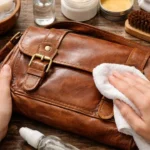
Care & maintenance: practical routines to extend life
Leather is low-maintenance if you adopt simple habits.
Daily care
- Wipe dust and surface dirt with a soft, dry cloth.
- Use a soft brush for suede nap.
Monthly / Seasonal
- Apply leather conditioner every 3–6 months, depending on climate and use.
- Test products on a hidden seam first.
Stain & spill management
- Blot excess liquids immediately with an absorbent cloth.
- For oil stains, sprinkle cornstarch or talc, leave overnight, and brush off.
Storage
- Use a broad-shouldered hanger to preserve shape.
- Store in a Breathable cotton cover; avoid plastic bags.
- Keep out of direct sunlight and away from radiators.
Professional care
- For large stains or structural repairs, use a specialist leather cleaner/repair service.
Avoid household cleaners, bleach, or aggressive solvents.
Sustainability & ethical sourcing
If sustainability matters to you, request:
- Tannery certifications — Leather Working Group (LWG) or equivalent.
- Traceability — Clear origin and processing details.
- By-product statements — Confirmation hides are from food industry animals (where applicable).
- Circular initiatives — Repair programs, take-back or recycling schemes.
Brands that disclose tannery names and environmental practices are more trustworthy.
Common mistakes buyers make
- Not measuring — Always compare brand size charts.
- Assuming “genuine leather” equals quality — confirm grade.
- Ignoring hardware — Zippers and snaps fail first.
- Skipping return policy checks — Leather fit varies by brand.
- Overlooking climate needs — Suede in wet areas is high-risk.
A little diligence saves money and frustration.
FAQs
A: Yes, they never go out of style and work for many looks.
A: Chocolate brown for classic looks
Tan/caramel brown for casual outfits
A: Yes, pair with smart trousers and button shirts for a business-casual look.
A: With proper care, a quality bomber can last 10+ years.
A: Yes, real leather ages beautifully and lasts much longer.
Conclusion
Brown leather bomber jackets are more than just outerwear; they are timeless style statements that combine history, versatility, and durability. From their military origins to modern fashion runways, they have evolved while maintaining their rugged charm and functional design. Understanding the different types, leather grades, and construction details empowers you to make a smart purchase that fits your lifestyle, budget, and aesthetic.
Choosing the right fit, Quality Materials, and complementary outfits ensures that your jacket not only looks great but also stands the test of time. Coupled with proper care, maintenance, and ethical sourcing awareness, a high-quality brown leather bomber can become a long-lasting investment piece, a capsule wardrobe anchor, and even a signature style statement.
Whether you’re layering for winter, creating a smart-casual ensemble, or embracing streetwear trends, the brown leather bomber remains adaptable, stylish, and practical. By following this guide, you are fully equipped to select, style, and maintain your jacket so it serves you for years to come, making it more than just a fashion item, but a reliable, cherished part of your wardrobe.