Introduction
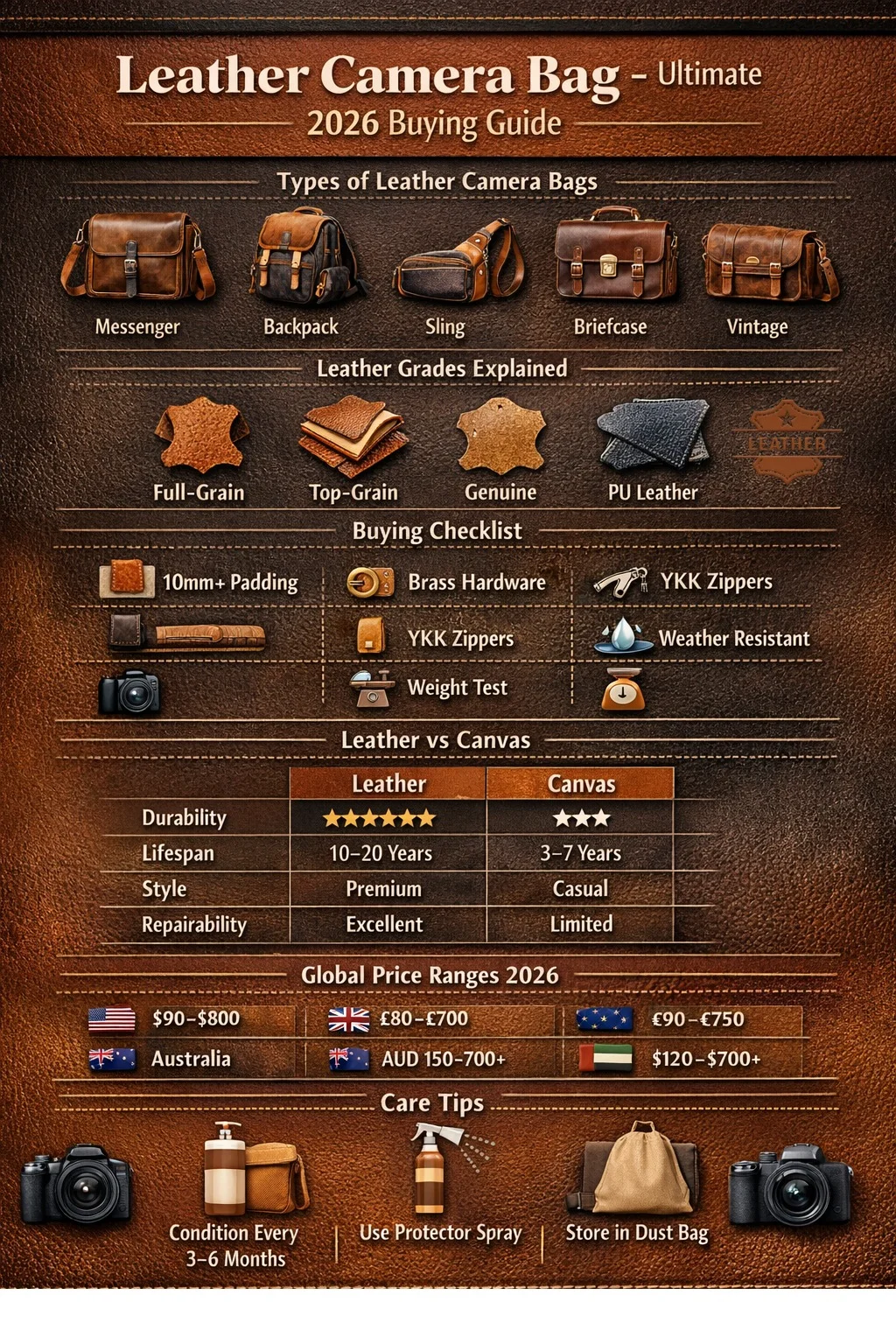
A Leather Camera Bag goes well beyond basic carrying gear. It serves as a secure shelter for costly tools, a clear sign of your artistic style, and a smart, lasting choice in your imaging path.
Whether you work as
- Wedding shooter based in America
- Travel storyteller roaming Europe
- Urban snapper active in London
- Nature photographer framing scenes in Australia
Your imaging setup often holds thousands in value. Bodies, glass, flashes, cards, spares — these count as pro-level items. A fine leather camera bag guards that worth while lifting your complete look.
What Is a Leather Camera Bag?
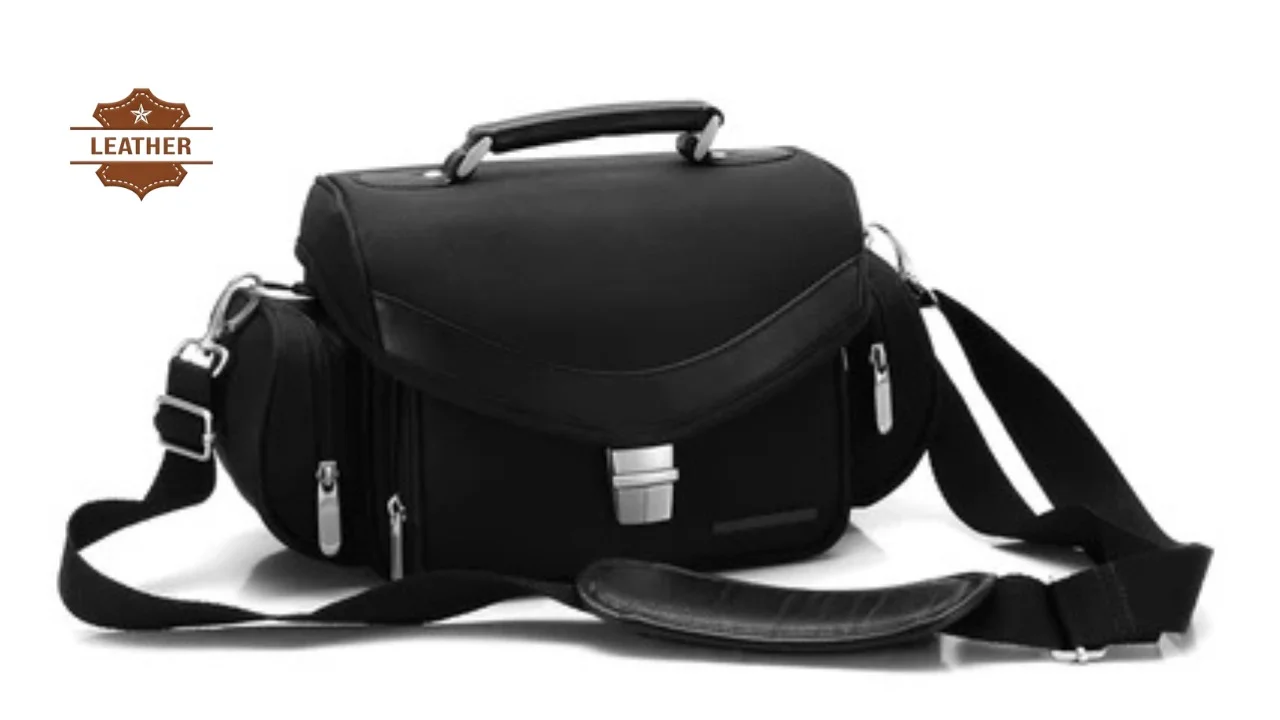
A leather camera bag forms a dedicated protective holder made mostly from authentic leather. It is designed to carry, shield, and arrange photo tools safely.
Built especially for
- DSLR bodies
- Mirrorless systems
- Swappable lenses
- Speedlight units
- Storage cards
- Backup power
- Filters plus extras
Unlike a standard leather shoulder bag, the real camera version includes
- Soft padded sections
- Movable cushioned walls
- Impact-reducing inner layer
- Reliable closing mechanisms
- Special lens pockets
- Possible laptop space
The main purpose remains clear: Blend elegant style with serious-level safeguarding.
A regular bag carries items.
A leather camera bag protects fine precision gear.
History of the Leather Camera Bag
Leather has been linked tightly to photography since the 1800s. First cameras weighed heavily, stayed fragile, and cost a lot. Shooters needed sturdy wraps able to handle travel and weather.
Leather stood out because it
- Naturally damped shakes
- Resisted rips
- Allowed easy fixes
- Lasted many years
Famous names like Leica plus Canon once supplied leather covers for high-end models, strengthening the tie between leather and serious imaging.
As film gave way to digital, and bulky DSLRs shifted to slim mirrorless, leather designs adapted too. Current versions feature:
- Dense foam cores
- Flexible layout systems
- Moisture-blocking liners
- Tough heavy-duty zippers
Modern leather camera bag mixes old-world skill with today’s technical build.
Why Choose a Leather Camera Bag in 2026?
- Outstanding Longevity Full-grain hides often endure 15–20 years plus with regular upkeep. Most cloth camera carriers show wear after 3–7 years. Leather strands pack tight, stay strong, fight tears naturally.
- Polished Professional Look at client meetings — weddings, business jobs, magazine work — appearance counts. A leather bag signals care, dependability, and focus. It quietly strengthens your reputation.
- Fixable and Eco-Smart. Unlike plastics, leather allows renewal:
- Seams get restitched
- Parts replaced
- Marks smoothed
- Oils bring back feel. Cloth items usually get tossed when hurt. Leather supports extended use.
- Gains a unique personality. Leather improves visually over the years. Surface relaxes, colors deepen, and forms a special aged finish tied to its user.
- Smart Long-Run Value Thoughthe starting price sits higher, leather cuts repeat buys. Across ten years, it frequently saves money.
Types of Leather Camera Bags
Picking the correct shape matches your shooting setting and kit size.
- Leather Messenger Bag Best for: Urban snaps, daily lifestyle work. Features:
- Diagonal shoulder carry
- Top flap seal
- Sleek city shape Advantages: Quick grab, sharp outline, perfect city fit Limitations: Smaller load space
- Leather Camera Backpack Best for: Journeys, nature views, field trips Advantages: Even load spread, big capacity, easy long treks Limitations: Heavier versus fabric versions
- Leather Sling Bag Best for: Mirrorless kits Advantages: Fast reach, light build, clean, minimal look Limitations: Tight gear room
- Vintage Leather Camera Bag Best for: Style-driven shooters Advantages: Classic beauty, deep patina growth, standout build Limitations: Usually costly
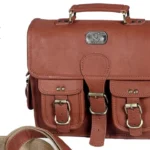
- Leather Camera Briefcase Best for: Business plus wedding pros Advantages: Firm structure, fits laptop with tools, office-ready vibe Limitations: Less suited to rough ground
Quick Comparison Table
| Type | Capacity | Comfort | Style | Best Use |
| Messenger | Medium | Good | High | Street |
| Backpack | Large | Excellent | Medium | Travel |
| Sling | Small | Good | High | Mirrorless |
| Vintage Satchel | Medium | Moderate | Very High | Lifestyle |
| Briefcase | Medium | Moderate | Professional | Corporate |
Leather Types Used in Camera Bags
Knowing hide ranks avoids bad choices.
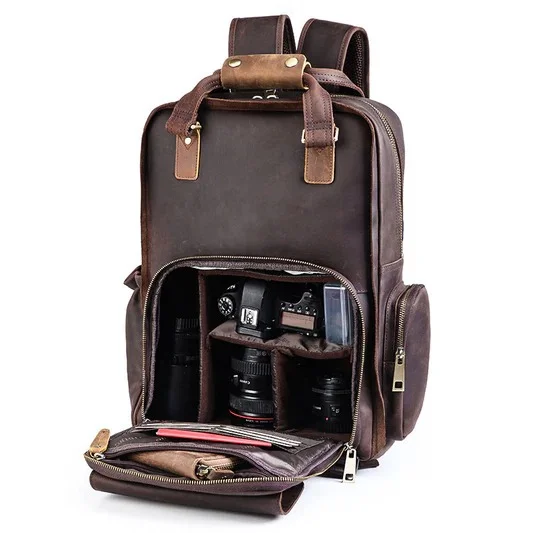
Full-Grain Leather
- Top-grade level
- Untouched top face
- Highest toughness
- Builds deep character
- Highest cost. Ideal for working photographers.
Top-Grain Leather
- Lightly buffed surface
- Even smooth look
- Solid yet polished
- Middle-to-upper range Widely chosen in American plus European markets.
Genuine Leather
- Deeper split layers
- Lower price
- Fair strength. Good for entry-level spenders.
PU / Synthetic Leather
- Man-made finish
- Light weight
- Cheap cost
- Prone to splitting later. Not suggested for committed pros.
Manufacturing Process of a Premium Leather Camera Bag
Grasping the build steps sharpens Quality judgment.
Material Choice
Strong cow or goat hides picked for depth plus fiber power.
Tanning Methods
Main options
Vegetable Tanning — earth-friendly, firm feel, rich aging
Chrome Tanning — soft hand, bendy, quicker run
Accurate Shaping
Templates cut for balance plus load handling.
Support plus Cushion
Thick foam pieces add strike protection.
Suggested minimum: 10mm depth.
Sewing Work
Heavy polyester/nylon lines are used.
Seek: even stitches, corner strength, no stray ends.
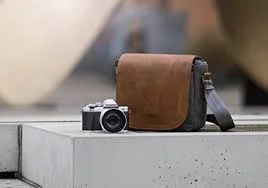
Fitting Parts
Quality versions include: brass clasps, YKK pulls, and steel rings.
Final Checks
Tests cover strap pull, load hold, and seam strength.
Leather Camera Bag vs Canvas Camera Bag
| Feature | Leather | Canvas |
| Durability | Very High | Moderate |
| Weather Resistance | Good (treated) | Moderate |
| Style | Premium | Casual |
| Lifespan | 10–20 Years | 3–7 Years |
| Repairability | Excellent | Limited |
Verdict: Leather wins for lasting strength plus pro elegance.
How to Identify Original vs Fake Leather
Expert checks include
Natural scent — Real hide smells earthy
Surface view — uneven natural marks
Water drop — slight soak-in
Cut edge — shows fiber layers
Steer clear of tricky terms like:
- PU leather
- Bonded leather
Groups like the Leather Working Group verify ethical hide origins.
Buying Guide – What to Check Before Purchase
- Gear Fit DSLR needs deeper pockets. Mirrorless favors a slim design.
- Cushion Strength Dividers at least 10mm thick. Impact damping matters most.
- Stitch Quality Look for tight lines, reinforced spots, and neat edges.
- Hardware Grade Brass plus stainless beats cheap alloys.
- Weather Shielding Seek waxed hides, sealed inner fabrics.
- Carry Balance Try strap feel. Leather weighs more than nylon.
Top Uses of a Leather Camera Bag
- Wedding shoots
- Travel logging
- Street captures
- Wildlife framing
- Studio portraits
- Business projects
Pro groups like Professional Photographers of America stress equipment safety plus sharp presentation.
Care & Maintenance Tips
Long life hinges on steady attention.
Cleaning
Wipe dust weekly using a dry soft cloth.
Conditioning
Rub in conditioner every 3–6 months against cracking.
Storage
Keep inside an airy dust cover, away from damp.
Water Guard
Spray protector yearly.
Scratch Care
Apply balm to soften Visible lines.
Price Range Worldwide
| Region | Budget | Mid-Range | Premium |
| USA | $90–$150 | $180–$350 | $400–$800 |
| UK | £80–£140 | £160–£320 | £350–£700 |
| Europe | €90–€160 | €180–€350 | €400–€750 |
| Australia | AUD 150–250 | AUD 300–600 | AUD 700+ |
| Middle East | $120–$250 | $300–$600 | $700+ |
Costs shift by hide rank, build skill, name value, and origin place.
Top Brands Famous for Leather Camera Bags
- ONA Bags — luxury-focused, elegant designs
- Billingham — British legacy, proven toughness
- Saddleback Leather — rugged, heavy-duty style
- Peak Design — modern function with leather touches
Countries Known for Leather Craftsmanship
- Italy — classic Florentine tradition
- United Kingdom — long heritage goods
- United States — hand-built sturdy production
Pros & Cons
Pros
- Extremely tough
- Classic look
- Easily repaired
- Builds personal story
- Pro-level presence
Cons
- Heavier versus nylon
- Bigger upfront spend
- Needs upkeep
- Not totally rain-proof
FAQs
A: Not fully. Treated versions resist light rain; heavy downpours need extra cover.
A: Yes. Leather feels denser yet lasts longer.
A: Full-grain versions reach 15–20 years with proper attention.
A: Yes. Offers unmatched power, life span, plus visual depth.
Conclusion
A leather camera bag is not just a carrying solution — it is a long-term investment in protection, professionalism, and personal brand identity. In 2026, when photography gear is more advanced and expensive than ever, safeguarding your equipment with durable, full-grain or top-grain leather is a strategic decision.
From understanding different bag types — messenger, backpack, sling, briefcase, and vintage — to comparing leather grades and evaluating padding, hardware, and weather resistance, every detail matters. A well-crafted leather camera bag offers superior Durability, repairability, timeless style, and long-term value compared to canvas or synthetic alternatives.
While leather may require periodic conditioning and careful maintenance, the reward is longevity, strength, and a distinctive patina that improves over time. Whether you’re a wedding professional, travel creator, or commercial photographer, the right leather camera bag enhances both protection and presentation.