Introduction
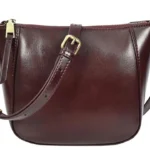
A Leather Crossbody Bag remains one of the most practical and stylish accessories you can own. It keeps your hands free, offers an effortlessly chic look, and — when made from quality materials — ages beautifully over the years, often developing a rich patina. However, not every crossbody bag delivers the same longevity or performance. Factors like leather quality, strap design, hardware durability, and proper maintenance determine if your bag stays fashionable for one season or becomes a timeless piece.
This comprehensive 2026 guide covers leather types, size and shape selection, a practical 10-point buying checklist, real vs. faux identification, cleaning and conditioning steps, styling ideas, repair expectations, and more. Whether you’re updating your wardrobe or building a pillar article for your site, this content uses a clear, SEO-optimized structure.
What Is a Leather Crossbody Bag?
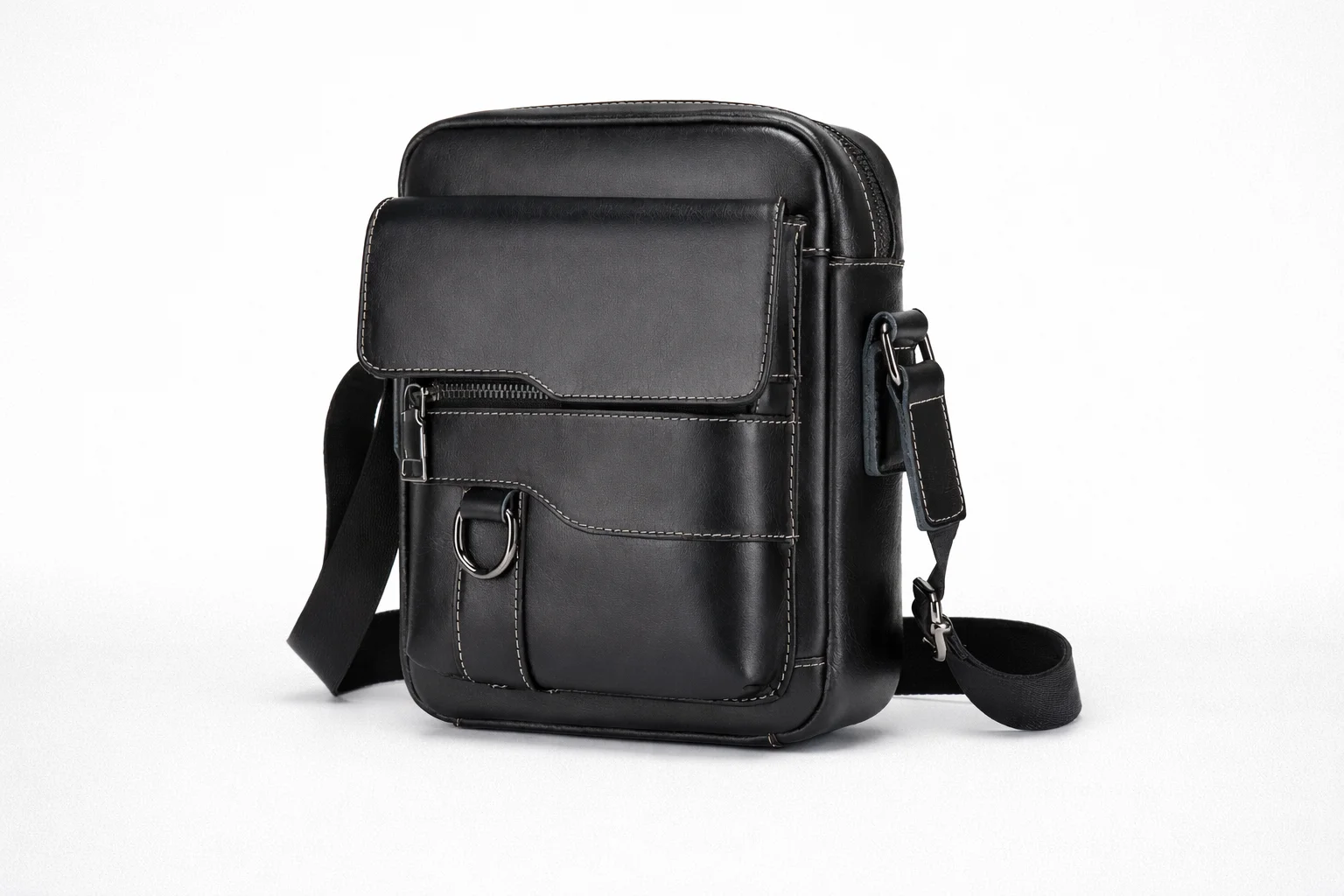
A leather crossbody bag is a compact to medium-sized bag featuring a long, adjustable strap worn diagonally across the torso. This design keeps the bag secure against the body, minimizing theft risk in crowded areas. Silhouettes range from structured messenger styles and curved saddle shapes to sleek chain-strap minis and anti-theft travel versions with reinforced features like RFID-blocking pockets.
Quick History of the Crossbody Bag
The crossbody style evolved from utilitarian messenger and satchel bags used by couriers, postal workers, and riders. In the 20th century, fashion adapted these practical forms into refined, everyday accessories. By the mid-1900s, crossbodies shifted from pure function to stylish staples, and by the 2000s, they became essential for urban travel and daily life.
Why Choose a Leather Crossbody Bag?
- Durability — High-quality leather can endure decades and often looks better with age.
- Versatile Style — Leather transitions seamlessly from casual to polished outfits.
- Security — The across-body carry reduces pickpocketing vulnerability.
- Value Retention — Premium leather bags hold or gain resale value far better than synthetic alternatives.
Types of Leather for Crossbody Bags
Knowing leather grades helps align your expectations with price, feel, aging, and care requirements.
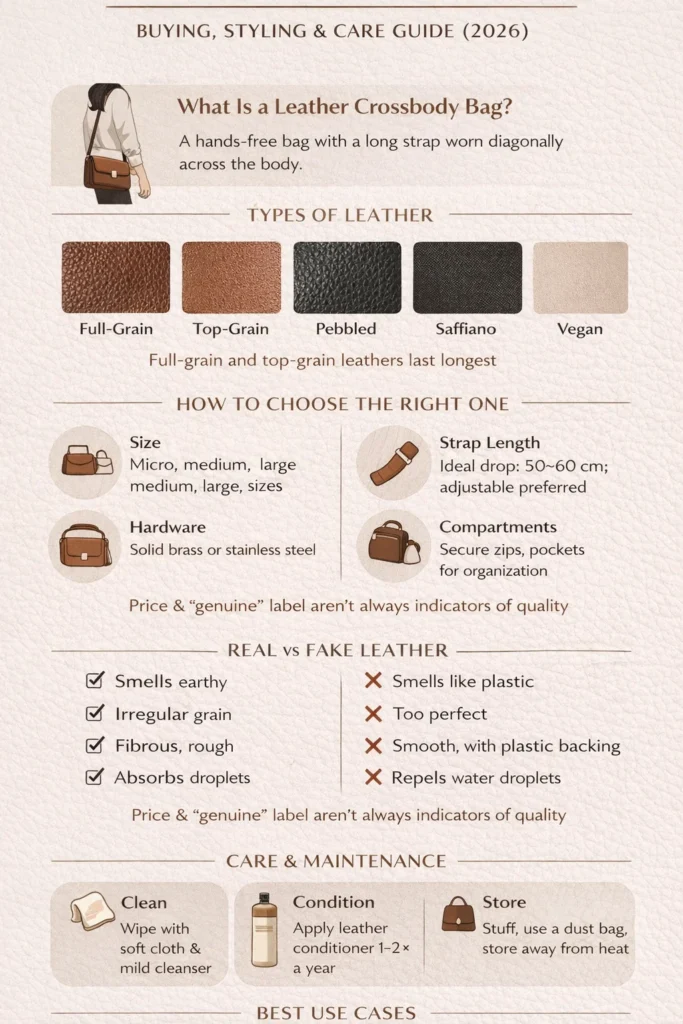
- Full-grain leather — Top-tier; retains the hide’s natural grain and imperfections for authentic character and patina development. Extremely durable.
- Top-grain leather — Lightly sanded for uniformity while preserving strength; high quality with easier finishing.
- Aniline leather — Transparent dyes allow the natural grain to show; it ages gracefully but is susceptible to stains.
- Semi-aniline leather — Aniline base with a light protective layer for improved stain resistance.
- Corrected/pigmented leather — Buffed and coated for even color; very durable and easy to maintain, though less natural-looking.
- Pebbled/grained leather — Textured finish conceals scratches; ideal for everyday use.
- Saffiano/coated leather — Cross-hatched, highly scratch-resistant and water-resistant; low-maintenance.
- Vegetable-tanned leather — Eco-friendly tanning; starts stiff, softens over time, and develops deep patina.
- Bonded/reconstituted leather — Made from scraps; inexpensive but short-lived — best avoided for longevity.
- Vegan leathers (PU, plant-based) — Synthetic or alternative materials; ethical and affordable, but typically lack true leather’s aging qualities.
Why it matters: Full-grain and vegetable-tanned offer heirloom potential but require attentive care. Pigmented and Saffiano prioritize ease and practicality.
Leather Comparison Table
| Leather Type | Durability (1–5) | Cost | Look & Feel | Care Notes |
| Full-grain | 5 | High | Natural grain, rich patina | Regular cleaning & conditioning |
| Top-grain | 4 | Mid-high | Smooth, uniform | Easier maintenance |
| Corrected / Pigmented | 2–3 | Low-mid | Uniform finish | Easy to clean, may crack over time |
| Vegetable-tanned | 4 | Mid-high | Stiff initially, patina-rich | Avoid prolonged water exposure |
| Pebbled / Grained | 4 | Mid | Textured hides marks | Low maintenance |
| Saffiano / Coated | 3–4 | Mid-high | Structured, scratch-resistant | Wipe clean |
| Bonded | 1 | Low | Imitation | Short lifespan |
| Vegan | 2–3 | Low-mid | Varied | Wipe clean; shorter life |
How a Leather Crossbody Bag Is Made
- Hide selection — Tanneries sort hides by thickness and Quality.
- Tanning — Chrome (quick, supple) or vegetable (natural, patina-focused).
- Splitting & shaving — Adjust to desired thickness.
- Dyeing & finishing — Apply dyes and coatings (e.g., aniline or pigmented).
- Cutting — Precise pattern pieces from the hide.
- Edge finishing — Paint, fold, or burnish edges for strength.
- Hardware attachment — Install zips, buckles, and rings (solid metals preferred).
- Stitching & assembly — Reinforced seams in high-stress areas.
- Lining — Add microfiber, canvas, or suede interiors.
- Quality inspection — Check seams, function, and overall finish.
How to Identify Real vs. Fake Leather
- Smell — Real leather has an organic, hide scent; fakes often smell chemical or plasticky.
- Grain — Natural irregularities vs. perfect uniformity (often fake/coated).
- Edges — Fibrous and layered in real leather; smooth/plastic in synthetics.
- Pores & marks — Natural scars indicate genuine hide.
- Water test (on hidden spot) — Real leather absorbs slightly and darkens; synthetics bead up.
- Other clues — Check for “genuine leather” (low standard) vs. specific types; read reviews for longevity mentions.
Choose the Right Size & Shape
Size Guide
- Micro (~10 × 18 × 4 cm): Cards, keys, small phone — evening/minimalist.
- Mini (~12 × 20 × 6 cm): Most phones, slim wallet, keys.
- Classic/Medium (~15 × 25 × 7–10 cm): Phone, wallet, sunglasses, notebook.
- Large (~20 × 30 × 10+ cm): Tablet, water bottle, daily essentials.
Always verify dimensions against your items.
Key Features to Consider
- Compartments: Zipped main, internal slips, exterior quick-access.
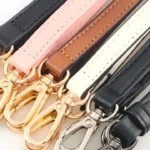
- Strap: Adjustable, 50–60 cm drop ideal; wider/padded for comfort.
- Hardware: YKK zips, brass/stainless for longevity.
- Stitching: Tight, even, reinforced.
The Ultimate 10-Point Buying Checklist
- Leather type explicitly stated (full-grain preferred).
- Precise dimensions and capacity listed.
- Strap length, drop, and adjustability.
- Hardware materials (brass, stainless steel).
- Detailed photos of seams, edges, and lining.
- Clear return policy and warranty.
- Reviews mentioning durability and authentic leather smell.
- Weight for comfort.
- Repair/aftercare options.
- Price justified by expected lifespan and reparability.
How Long Will a Quality Leather Crossbody Bag Last?
- Full-grain: 5–15+ years with care (heirloom potential).
- Top-grain: 3–7 years.
- Coated/pigmented: 2–7 years.
- Bonded: 1–3 years.
Lifespan varies with usage, climate, and maintenance.
How to Clean, Condition & Store Your Leather Crossbody Bag
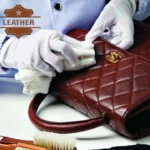
Daily/Quick Care
- Empty and shake out debris.
- Wipe with a soft, dry cloth.
- Avoid overstuffing.
Gentle Cleaning
- Empty and remove crumbs.
- Test the product on a hidden area.
- Use mild leather cleaner or a damp cloth.
- Dry naturally (no heat).
Conditioning
- Apply 1–2 times yearly (more in dry climates).
- Use circular motions; buff excess.
- Avoid silicone-based products.
Stain Remedies
- Grease/oil: Blot, apply cornstarch overnight, brush off.
- Watermarks: Blot, air dry; condition after.
- Ink: Act fast; test isopropyl alcohol; seek pro for stubborn cases.
Suede-Specific — Brush and eraser only; no smooth-leather products.
Storage
- Stuff with tissue for shape.
- Use a breathable dust bag (no plastic).
- Avoid sun, heat, and Long-Term strap hanging.
When to Seek Professional Help
- Deep stains, seam splits, hardware issues, or re-dyeing.
Anti-Theft & Travel Features to Look For
- Wire-core/slash-proof straps.
- RFID-blocking pockets.
- Lockable zips.
- Hidden compartments.
- Reinforced panels.
Brands like Pacsafe specialize in these.
Best Styles by Use Case
- Everyday Minimalist — Pebbled leather, simple zipper.
- Travel — Anti-theft with RFID.
- Evening — Chain strap, compact.
- Work/Commuter — Organized pockets.
- Weekend/Day Trip — Larger capacity.
How to Style a Leather Crossbody Bag
- Weekend Casual — Jeans, white tee, sneakers, pebbled crossbody.
- Office Smart — Blazer, trousers, loafers, structured bag.
- Date Night — Slip dress, heels, chain-strap mini.
- Travel Day — Layers, joggers, sneakers, secure crossbody.
- Monochrome — Tonal outfit with a contrasting bag.
- Athleisure — Sporty look with trainers.
- Layered Jewelry — Match hardware tones to accessories.
Repair, Warranty & Resale Expectations
- Repairs: Re-stitching/edge paint $20–$80; hardware $40–$150.
- Warranties: 6 months to limited lifetime; check exclusions.
- Resale: Full-grain from reputable brands retains best value — keep dust bag and records.
Price Ranges (Global 2026 Guide)
- Budget ($25–$100): Often bonded/faux — 1–3 years.
- Mid-range ($100–$350): Top-grain/pebbled — solid daily use.
- Premium ($350–$900): Full-grain/veg-tanned — long-lasting.
- Luxury ($900+): Heritage/artisanal — best resale.
FAQs
A: Full-grain with proper care lasts 5–15+ years. Top-grain typically lasts 3–7 years; lower grades last less.
A: Minor stretching can occur with overstuffing, but good construction minimizes it.
A: It’s ethical and affordable, but usually shorter-lived with different aging.
A: No — use suede-specific brush and eraser only.
A: Act quickly; test isopropyl alcohol on a hidden spot. Professional help for deep stains.
Conclusion
A leather crossbody bag made from quality leather is more than a trend—it’s a practical investment in everyday style, comfort, and Durability. When you choose the right leather type, proper size, strong hardware, and a well-balanced strap, you get a bag that works effortlessly for daily wear, travel, and special occasions. Full-grain and top-grain leathers reward you over time with better aging, strength, and character, while low-maintenance finishes suit fast-paced lifestyles.
The key is informed buying and simple care. Checking leather authenticity, understanding construction, and following basic cleaning and conditioning routines can extend the life of your crossbody bag for many years. Whether your priority is minimal style, travel security, or long-term value, a well-made leather crossbody bag delivers versatility, confidence, and timeless appeal.