Introduction
A Leather Duffle Bag is more than just luggage—it’s a stylish statement, a practical tool, and often a heirloom passed down through generations. Whether heading to the gym, a weekend getaway, or a business trip, a high-quality leather duffle improves with age, developing a rich patina that becomes uniquely yours. Before buying, understand key factors: leather types, construction quality, what to inspect in person, airline carry-on rules, maintenance routines, and top brands/models that offer lasting value. This guide covers everything in clear, actionable steps to help you make an informed choice.
What is a Leather Duffle Bag?
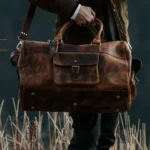
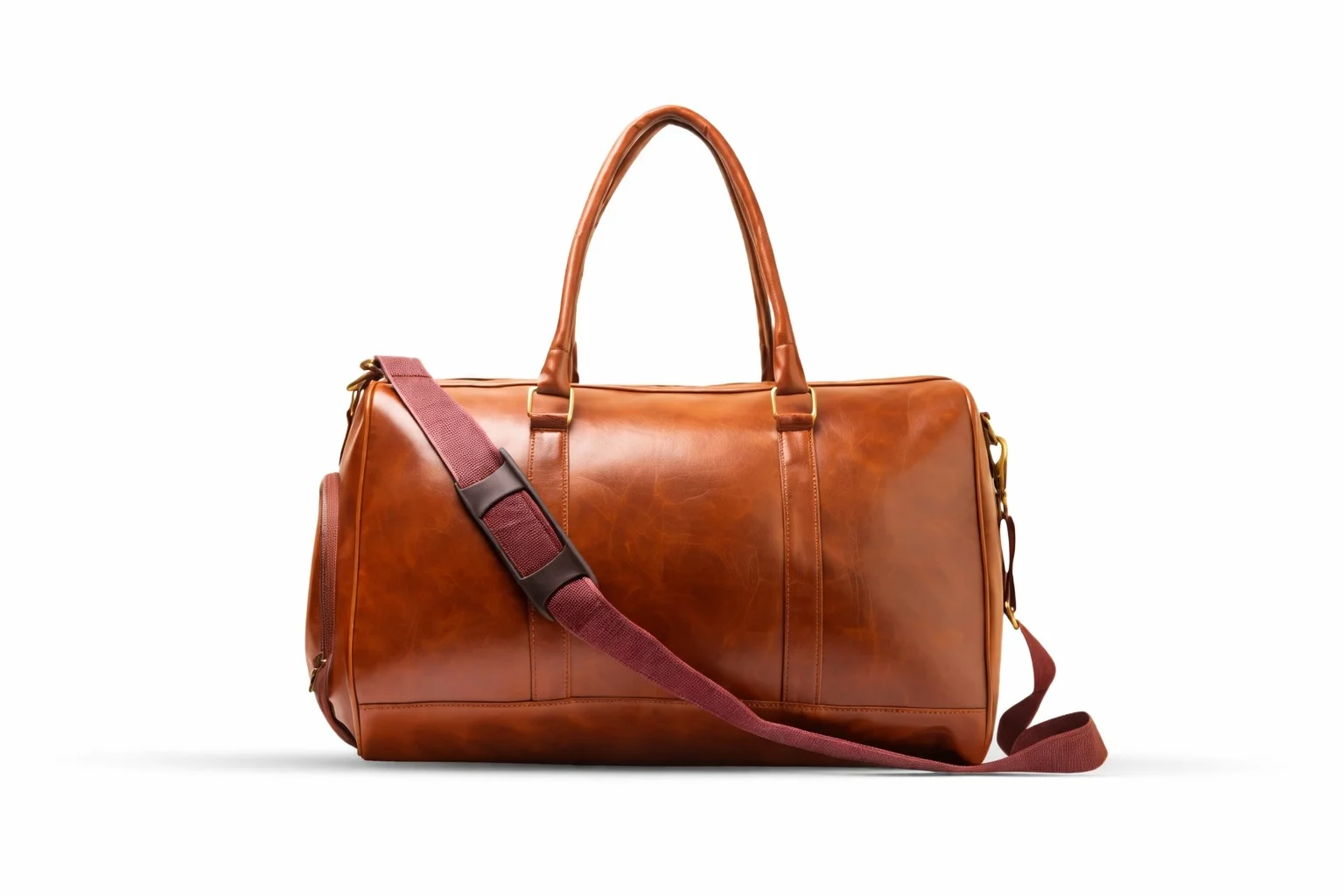
A leather duffle bag (also called a weekender or holdall) is a soft-sided travel bag primarily made from leather. It features a spacious main compartment, smaller pockets, sturdy handles, and often a detachable shoulder strap. Unlike rigid suitcases, leather duffles offer flexibility and easy storage.
Key features to look for:
- Generous main compartment for clothes and gear
- Durable leather exterior (full-grain or top-grain preferred)
- Strong handles and a padded shoulder strap
- Reinforced seams and quality hardware (zippers, buckles, rivets)
Leather duffles excel in versatility—they compress into tight spaces like car trunks or overhead bins and handle slight overpacking thanks to their supple nature. Their timeless aesthetic suits casual and semi-formal settings alike. Compared to nylon or polyester bags, leather resists abrasion better and ages gracefully rather than wearing out. Sustainability-minded buyers appreciate premium leather’s longevity from responsibly sourced materials, reducing the need for frequent replacements.
Quick Buying Checklist
Keep this handy when shopping:
- Leather type: Full-grain or top-grain? (Full-grain lasts longest)
- Dimensions: Carry-on compliant? Measure height × width × depth (packed).
- Zippers: YKK or equivalent heavy-duty?
- Seams: Double-needle or reinforced at stress points?
- Lining: Nylon or cotton—easy to clean?
- Hardware: Brass or solid metal (avoid cheap coated options)
- Warranty & Returns: 1–5 years or lifetime repairs?
- Weight: Heavier leather means more durability, but added carry weight
- Budget: Set a range—budget, mid-range, or premium
Prioritize durability over looks if on a budget; frequent flyers should focus on airline-compliant sizes first.
A Short History of the Duffle Bag
The duffle bag originated in the 18th century as a simple cloth sack used by European sailors, named after the Belgian town of Duffel, known for its coarse wool fabric. Leather versions emerged for travelers and professionals seeking elegance and toughness. Military adoption in the 19th century boosted durability-focused designs.
Post-WWII, civilian popularity grew among pilots, executives, and athletes. Icons like Ernest Hemingway favored similar styles. Today, modern leather duffles blend heritage craftsmanship with features like padded laptop sleeves, RFID-blocking pockets, and water-resistant treatments—honoring tradition while meeting contemporary needs.
Types & Variations of Leather Duffle Bags
By Use Case
- Travel/Weekender: 40–50L capacity, padded laptop sleeve, shoe compartment
- Gym: Easy-to-clean interior, rugged leather, quick-access pockets
- Business/Executive: Organized top-grain leather, document pockets, polished look
By Design
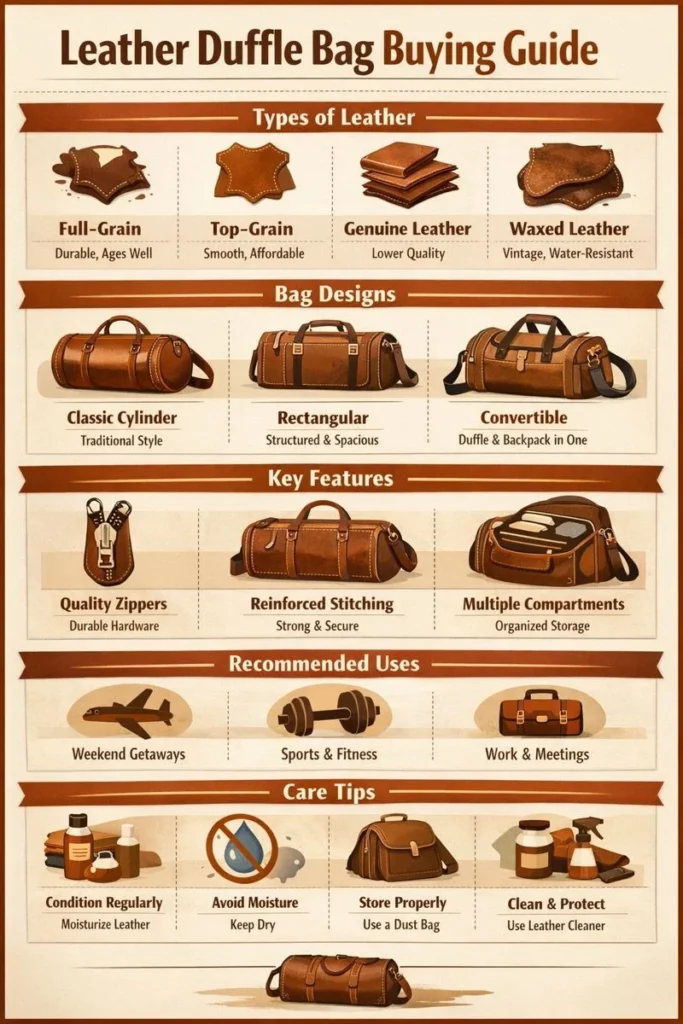
- Classic Cylinder: Rounded ends, minimal pockets—simple and traditional
- Rectangular Structured: Flat base, multiple compartments—professional vibe
- Convertible Duffle/Backpack: Dual carry options (handles or straps)
- Other Variations: Hybrid roller-duffles, expandable models
Choose based on your lifestyle—cylinder for minimalism, structured for organization.
Leather Types Explained
Leather quality is the most important factor, affecting look, price, and longevity.
- Full-Grain Leather: Top layer of the hide, untouched—develops the richest patina and exceptional durability. Ideal for long-term investments, though heavier and pricier.
- Top-Grain Leather: Lightly sanded to remove imperfections—still tough, often lighter and more affordable, with good patina potential.
- Genuine/Corrected Leather: Lower layers or splits, heavily processed—cheaper but artificial-looking and wears faster (avoid for quality).
- Vegetable-Tanned vs. Chrome-Tanned: Vegetable uses natural tannins (ages beautifully, eco-friendlier but needs more care); chrome is faster, softer, and more water-resistant (subtler patina).
- Waxed/Crazy Horse Leather: Oiled finish hides scratches and gives vintage, rugged charm.
Tip: Choose full-grain for heirloom quality or top-grain for value.
How Leather Duffles Are Made: Step-by-Step
- Tanning — Raw hide becomes usable leather (vegetable or chrome).
- Dyeing & Finishing — Color and protective coatings applied.
- Cutting — Pieces for the body, base, and handles are cut from leather.
- Edge Treatment — Edges burnished or painted.
- Stitching — Double-Needle or reinforced at high-stress areas.
- Hardware Attachment — Zippers, rivets, buckles (YKK zippers preferred).
- Quality Check — Inspect texture, seam tension, zipper function.
Handmade versions take longer but offer superior craftsmanship compared to mass production.
How to Spot Real Leather vs. Fake Leather
- Smell: Real leather has a natural, earthy scent; fakes smell chemical/synthetic.
- Texture: Real shows irregular grain and natural marks; fakes have uniform, repetitive patterns.
- Edges: Real edges are fibrous and rough; fakes are smooth or fused.
- Water Test: A drop on real leather absorbs slowly and darkens; on fake, it beads up (use sparingly!).
- Label: Look for “full-grain” or “top-grain”; “genuine leather” often means lower quality.
Additional checks: Pinch for flexibility; a price too low often signals fake.
What to Check Before Purchase
- Leather type and hardware quality (as above)
- Stitching and lining
- Dimensions for carry-on fit
- Weight balance
- Warranty (look for lifetime or repair services)
Read reviews, examine photos closely, and research brand reputation.
Carry-On Size and Airline Rules
Always measure your packed bag (including handles/pockets). No major global changes in 2026, but enforcement is stricter.
- Common US Domestic Limit (American, Delta, United, etc.): 22 × 14 × 9 inches (56 × 36 × 23 cm), including handles/wheels.
- Southwest: Slightly larger at 24 × 16 × 10 inches.
- Budget Carriers (Spirit, Frontier): Stricter ~18 × 14 × 8 inches for free items; fees for larger.
- International: Varies—often stricter (e.g., Ryanair/EasyJet smaller limits, weight caps 15–22 lbs on many carriers). Check your airline directly.
Soft-sided leather duffles compress better, but never assume—verify specifics and pack strategically.
Best Leather Duffle Bags by Tie
Luxury
- Ghurka Cavalier II No. 97 — Vegetable-tanned leather, exceptional build, timeless design. ~$1,995+. Rationale: Top-tier craftsmanship and aging beautifully.
- Lotuff No. 12 Weekender — Handcrafted full-grain, lifetime guarantee. ~$1,000+.
Mid-Range
- Leatherology Kessler Medium Duffle — Quality top-grain, versatile. ~$475.
- Quince Italian Top-Grain Weekender — Excellent value Italian leather. ~$200–$500.
- Saddleback Classic Duffel — Rugged, long warranty. ~$300–$600.
Budget
- Crazy Horse/Waxed Leather Duffle (various brands) — Vintage look, hides wear. ~$100–$200.
- Polare Full-Grain Weekender — Solid full-grain at an accessible price. ~$200–$400.
Care & Maintenance: Keep It for Years
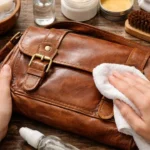
Daily: Wipe dust with a soft dry cloth; avoid direct sun.
Monthly: Condition with silicone-free products (e.g., Leather Honey or Bick 4). Test on a hidden spot.
Stains: Blot wet spots, use mild soap for light dirt; cornstarch for grease; professional for tough issues.
Storage: Stuff with acid-free paper, use a breathable dust bag, store cool/dry.
Tips: Address minor issues early; many brands offer repair services.
Packing Tips and Space-Saving Tricks for Duffles
For 2–3 days: Roll clothes, use compression cubes, place heavy items (shoes/toiletries) at the bottom center.
FAQs
A: Yes—most fit if under 22 × 14 × 9 inches. Soft sides help compress, but check airline rules and measure packed.
A: Full-grain for maximum durability and patina; top-grain for great balance of quality and price.
A: Light rain is fine—blot dry and condition. Avoid soaking; treated/waxed options resist better.
A: 10–20+ years with proper care for premium full-grain.
A: Yes for minor issues (soft cloth, mild soap); test products and seek pros for serious problems.
Conclusion
A leather duffle bag is a Reliable, elegant companion that gets better with time. Focus on quality leather (full-grain or top-grain), strong hardware like YKK zippers, reinforced stitching, and features matching your needs—travel, gym, or business. With our checklist, airline size checks, and trusted brands/warranties, you’ll find a lasting investment. Care for it properly, and it’ll serve stylishly for decades.