Introduction
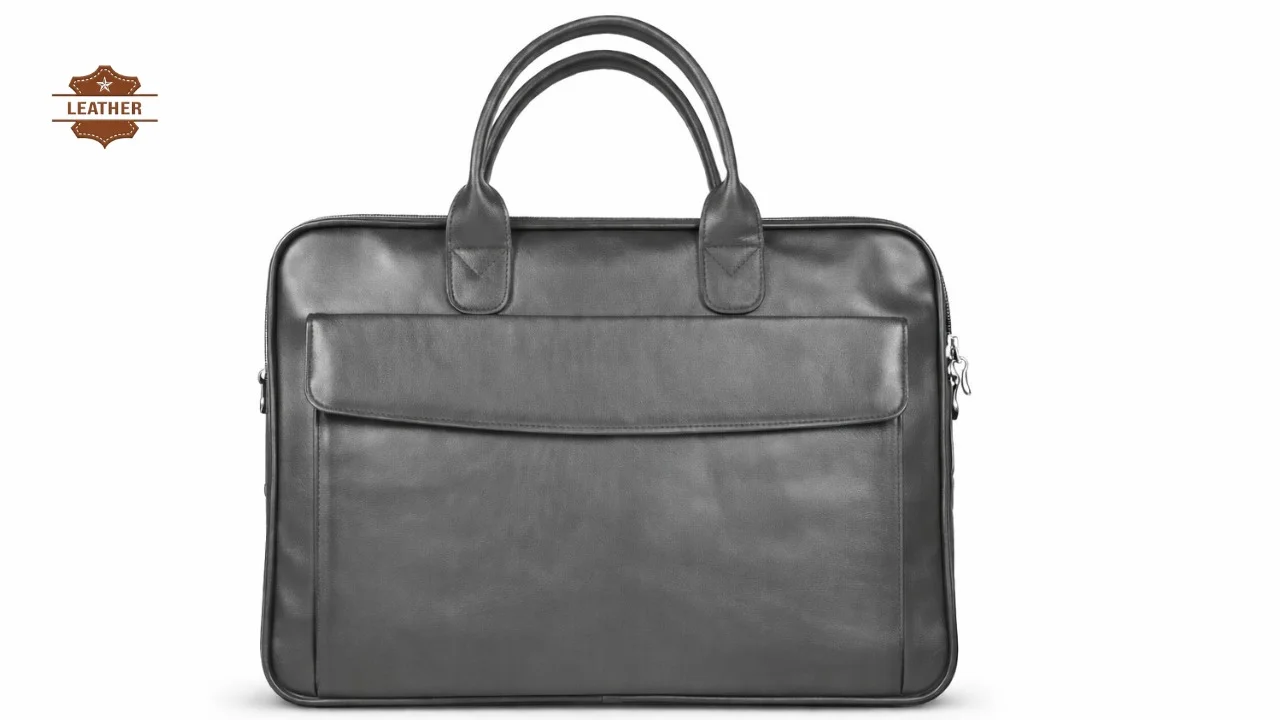
A Leather Laptop Bag is more than a mere transport accessory for your computer — it is a synthesis of protection, presentation, durability, and long-term return on investment. In 2026, laptops continue to trend thinner, more powerful, and increasingly valuable. The bag you choose affects device safety, ergonomics, daily workflow, and the professional image you project.
This Ultimate Leather Laptop Bag Buying Guide (2026) will equip you with:
- A clear taxonomy of bag styles and their use cases
- A leather-grade primer to select the right material for lifespan and patina
- Feature-level design checklists for laptop protection and travel compatibility
- Price benchmarks (global and Pakistan-specific)
- A practical care & maintenance plan
- Actionable buying steps and seller/e-commerce tips for buyers and merchants
What Is a Leather Laptop Bag?
A leather laptop bag is a bag constructed wholly or partially from leather that contains a padded compartment for carrying a laptop safely. Unlike generic backpacks or utility sleeves, leather laptop bags emphasize:
- Material quality: Grain, finish, tanning process
- Longevity: Epairability, replaceable hardware
- Aesthetics: Patina, structured silhouettes
- Premium hardware: Zippers, buckles, rivets
Typical cargo inside a leather laptop bag includes the laptop, charger, mouse, portable drives, documents, phone, wallet, and keys. These bags serve a broad audience — students, remote workers, field consultants, travelers, and executives — with form factors that range from formal briefcases to casual messenger bags.
History of the Leather Laptop Bag — A Brief Timeline
Leather has been used for carrying goods for millennia. The leather laptop bag is a modern descendant of several historical forms:
- Pre-1980s: Leather satchels and document cases carried books and papers.
- 1980s–1990s: Bulky laptop cases borrowed from briefcase designs with heavier padding.
- 2000s: Messenger bags and leather backpacks rose with mobile commuting.
- 2010s: Slim, minimalist cases responded to lighter ultrabooks and tablets.
- 2020s–2026: Integration of tech-friendly features — trolley pass-throughs, RFID pockets, anti-scratch linings, dedicated cable-management, and modular organization — while preserving handcrafted leatherwork.
Modern leather laptop bags combine craftsmanship with purpose-built technology protection.
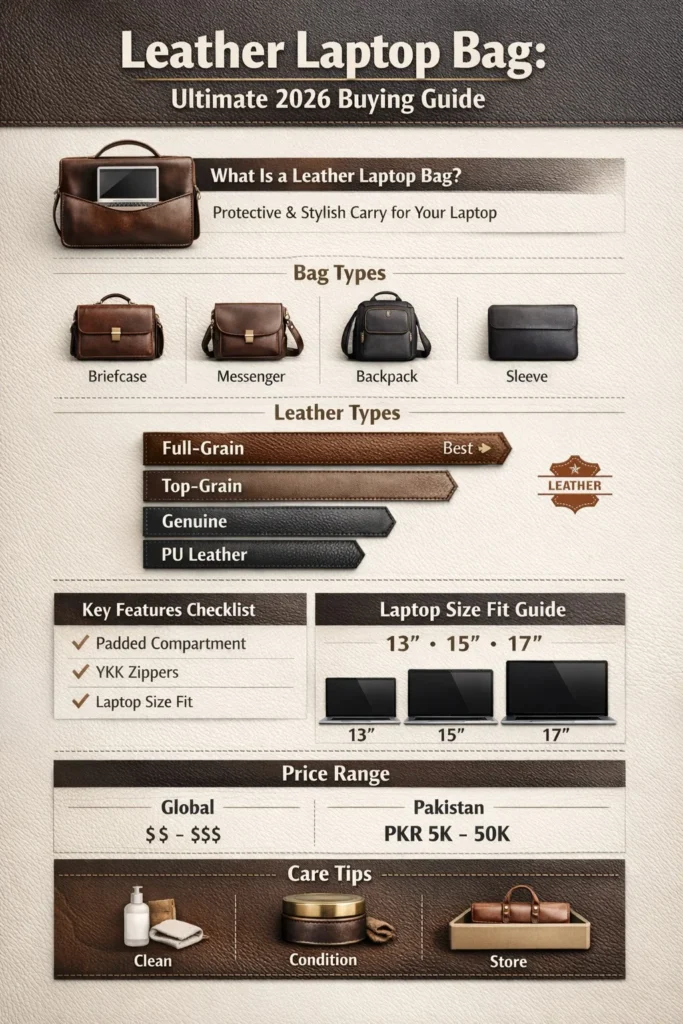
Types of Leather Laptop Bags
Selecting the right style is as important as choosing the leather grade. Below is a practical taxonomy with use-case guidance.
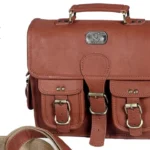
- Leather Briefcase / Portfolio Best for: Executives, lawyers, consultants. Features: Structured frame, top handles, detachable shoulder strap, and often lockable compartments. Pros: Professional, sturdy, excellent for formal meetings. Cons: Less comfortable for extended walking or cycling.
- Leather Messenger Bag Best for: Commuters, students, creatives. Features: Crossbody strap, quick access flap, roomy inner compartments. Pros: Comfortable, casual-professional hybrid. Cons: Weight concentrates on one shoulder.
- Leather Laptop Backpack Best for: Frequent travelers, heavy commuters, digital nomads. Features: Balanced straps, padded back panel, Multiple Pockets, trolley pass-through in travel models. Pros: Ergonomic for long days, airport-friendly. Cons: Less formal for boardroom settings.
- Leather Tote / Shopper Best for: Urban professionals who favor quick access and style. Features: Open or zip-top, shoulder carry, fashionable silhouette. Pros: Sleek, easy access to the device and papers. Cons: Often less structured for laptop protection without a dedicated sleeve.
- Leather Laptop Sleeve Best for: Minimalists and those who use another bag for carrying. Features: Slim padded sleeve, zipper closure. Pros: Lightweight, easy to slip into other bags. Cons: No additional storage or organizational features.
- Hybrid Leather + Canvas Bags Best for: Rugged travelers, weekenders. Features: Leather trim combined with waxed or treated canvas body. Pros: Lighter than full leather, vintage aesthetic, weather resistance when treated. Cons: Less formal, canvas areas can stain differently than leather.
Leather Types Used in Leather Laptop Bags
Material choice is the most consequential decision after style. Here’s a compact, actionable breakdown.
- Full-Grain Leather (Best Choice) Source: Topmost layer of the hide Attributes: Natural grain, strongest, develops patina Lifespan: Decades with proper care Why choose: Maximum durability and aging character
- Top-Grain Leather Source: Slightly sanded top layer Attributes: Smooth, uniform appearance, slightly lighter Lifespan: High Why choose: Premium look with fewer surface imperfections
- Genuine Leather Source: Lower layers of the hide recombined Attributes: Processed, more uniform but less durable Lifespan: Moderate Why choose: Budget-friendly real leather option
- Bonded Leather Source: Leather scraps bonded with adhesives Attributes: Low cost, prone to peeling Lifespan: Short Why avoid: Often marketed as leather but performs poorly
- PU / Vegan Leather Source: Synthetic materials (polyurethane) Attributes: Affordable, vegan, varies in quality Lifespan: Short-to-medium depending on construction Why choose: Ethical/vegan alternative; no natural patina
- Crazy Horse / Waxed Leather Source: Oil-impregnated full-grain or top-grain leather Attributes: Distressed, rugged, water-resistant finish Lifespan: High when maintained Why choose: Excellent for messenger bags and travel-focused designs
How Leather Laptop Bags Are Made — Manufacturing Overview
A high-quality leather laptop bag passes through multiple skilled stages. Understanding manufacturing helps you evaluate price vs value.
Typical production steps:
- Hide selection & tanning (vegetable or chrome)
- Splitting & dyeing
- Pattern cutting (manual or CNC)
- Edge skiving and burnishing
- Padding & lining installation (foam, microfiber)
- Hardware attachment (zippers, buckles — YKK and brass are premium)
- Stitching & reinforcement (double stitching, bar tacks)
- Final finishing & waterproofing treatment
- Quality control and packaging
Skilled labor, vegetable tanning, full-grain hides, and solid brass fittings drive higher costs but translate into longevity and repairability.
How to Identify Original vs Fake Leather
Use this checklist while shopping online or in-store:
- Grain: Natural imperfections and varied grain indicate real leather.
- Smell: A warm, organic leather scent vs chemical/plastic odor.
- Touch: Real leather is supple and warm; PU feels colder and uniform.
- Backside: Fibrous suede-like back for real hides; plastic backing for synthetics.
- Water test: Real leather absorbs small drops (inconspicuously) while PU beads.
- Price: Extremely low price for a purported full-grain bag is a red flag.
- Hardware: Branded zippers (YKK), solid brass buckles, and reinforced stitching are positive signs.
When shopping online, request high-resolution close-ups of grain patterns, stitching, and hardware, and insist on return policies.
Key Features Every Leather Laptop Bag Must Have
A practical checklist to evaluate any leather laptop bag:
- Padded laptop compartment (8–12 mm foam recommended)
- Correct laptop size fit with allowance for cases
- Quality zippers (YKK) or brass hardware
- Comfortable, adjustable shoulder strap with leather pad
- Good internal organization (pockets, cable loops, pen slots)
- Soft anti-scratch lining in laptop compartment (microfiber)
- Trolley strap for suitcase compatibility
- Water-resistant or treated exterior
- Reinforced stress points and quality stitching
Prioritize protective padding and a close-but-not-tight fit for your laptop model.
Laptop Size Fit Guide
- 13″: Slim briefcase or sleeve
- 15″: Standard leather laptop bag
- 17″: Large structured bag or travel brief
Always measure your laptop with any protective case installed and compare with internal bag dimensions; internal pocket width and height matter more than external dimensions.
How to Choose the Right Leather Laptop Bag
- Define your daily use — commute style, travel frequency, formal vs casual.
- Choose a style matched to the use-case (briefcase, backpack, messenger).
- Match laptop size and allow for extra room for adapters or sleeves.
- Select leather grade (full-grain preferred for longevity).
- Check comfort & ergonomics: Strap padding, handle comfort.
- Inspect organization: Pockets, cable management, quick-access compartments.
- Review warranty & repair services.
- Compare Price vs Value: Examine materials, hardware, and construction.
If you travel frequently, look for trolley straps and TSA-ready compartments.
Best Leather Laptop Bag Picks
NOTE: Replace these placeholder product names with your affiliate links as needed.
- Best Overall: Full-grain leather briefcase with reinforced padded sleeve and brass hardware.
- Best for Executives: Structured briefcase with lockable flap and document organizer.
- Best Budget Pick: Top-grain messenger bag with minimalist padding.
- Best Backpack: Leather laptop backpack with sternum strap and ventilated back panel.
- Best Travel: Waxed leather duffle/brief hybrid with trolley pass-through and weather-resistant finish.
When compiling product lists, ensure you include exact dimensions, laptop compartment thickness allowance, and real-user photos.
Leather Types Comparison Table
| Leather Type | Durability | Cost | Best For |
| Full-Grain | Very High | High | Long-term investment, patina lovers |
| Top-Grain | High | Mid-High | Daily professional use |
| Genuine | Medium | Medium | Budget leather option |
| Bonded | Low | Low | Avoid if possible |
| PU Leather | Varies | Low | Vegan or budget-conscious buyers |
Leather Laptop Bag Price Range
Global Prices
- Budget: $25–$80 (often PU or low-quality bonded leather)
- Mid-range: $120–$350 (top-grain or well-made genuine leather)
- Premium: $350–$900+ (full-grain, handcrafted, vegetable-tanned hides)
Pakistan Market
- Budget PU: PKR 5,000–15,000
- Mid-range genuine/top-grain: PKR 15,000–40,000
- Premium handmade leather/full-grain: PKR 20,000–50,000+ (depending on hide origin, craftsmanship, and local artisans)
Note: Prices fluctuate with currency shifts, import duties, and stock. For Pakistani buyers, local artisanal workshops (e.g., in Lahore, Karachi, and Islamabad) often provide competitive pricing for handmade full-grain bags, plus customization options for dimensions and compartments.
How to Care for a Leather Laptop Bag
Daily care
- Wipe dust and dirt with a soft dry cloth after each use.
- Avoid placing the bag on wet or abrasive surfaces.
Monthly care
- Use a damp (not wet) cloth for light cleaning; do not saturate the leather.
- Dry naturally away from direct heat or sunlight.
Annual care / Biannual for heavy use
- Clean with a dedicated leather cleaner, followed by conditioning with a quality leather conditioner.
- For waxed or oil-treated leathers, use a wax or oil as recommended by the maker.
Storage
- Stuff the bag with paper (acid-free) or tissue to preserve shape.
- Store in a breathable dust bag — avoid plastic.
- Keep away from humidity and heat sources.
Repairs & hardware
- Replace or repair zippers and buckles early to avoid cascading damage.
- Seek a competent leatherworker for re-stitching and edge repairs.
Good care increases longevity and enhances patina.
Pros & Cons
Pros
- Timeless style and professional appeal
- High durability when made from full-grain leather
- Improves aesthetically with age (patina)
- Strong protection when paired with proper padding
Cons
- Heavier than synthetic alternatives
- Higher upfront cost
- Requires maintenance and occasional conditioning
- Can be vulnerable to heavy rain if untreated
FAQs
A: Yes. High-quality leather lasts for years and looks better with time.
A: Full-grain leather is best for durability and patina.
A: Light rain is okay, but avoid heavy water exposure.
A: Once or twice a year.
A: It’s cheaper and vegan, but not long-lasting.
For E-commerce Sellers — Product Page Checklist
- High-resolution photos (macro grain images + lifestyle shots)
- Clear internal dimensions and laptop compartment thickness
- Material and tannage details (full-grain vs top-grain)
- Warranty and repair policy
- Shipping, returns, and currency specifics for target markets (e.g., Pakistan)
- Video showing internal organization and zipper operation
- Customer reviews highlighting long-term patina and comfort
Conclusion
A leather laptop bag remains an excellent investment for anyone who values Protection, longevity, and a professional appearance. Prioritize full-grain or top-grain leather for durability, confirm padding and correct laptop fit, and check hardware quality. Buyers in Pakistan should consider local artisans for custom-fit and repairable options at competitive prices.