Leather Travel Bag
A Leather Travel Bag is more than just a piece of luggage; it is a blend of functionality, craftsmanship, and personal style. Whether you’re heading out on a weekend escape, a business trip, or seeking a luxury item to feature in your shop, understanding leather travel bags is essential. This comprehensive guide explores every aspect of leather travel bags in 2026 — including types of leather, construction methods, distinguishing real from faux, a practical buying checklist, maintenance strategies, price expectations, and top brands worldwide. The language here is approachable so every step is easy to follow.
What is a Leather Travel Bag?
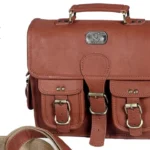
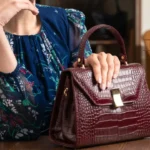
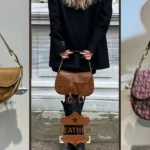
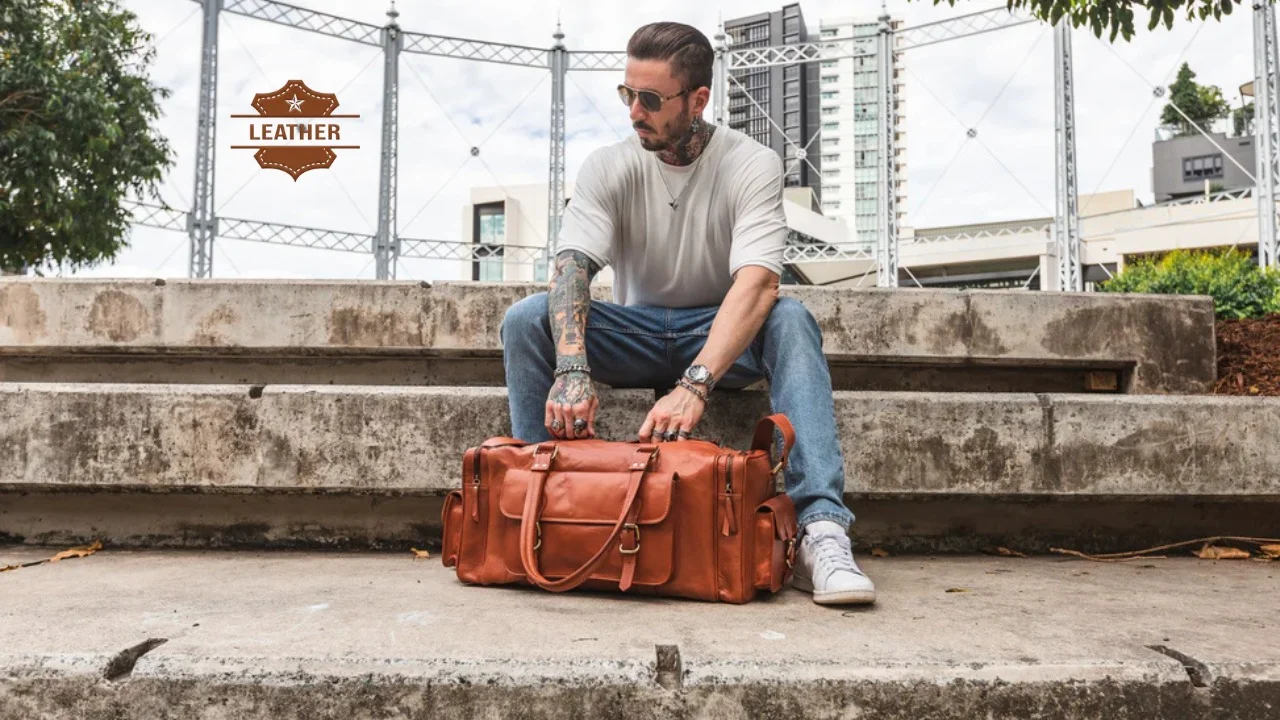
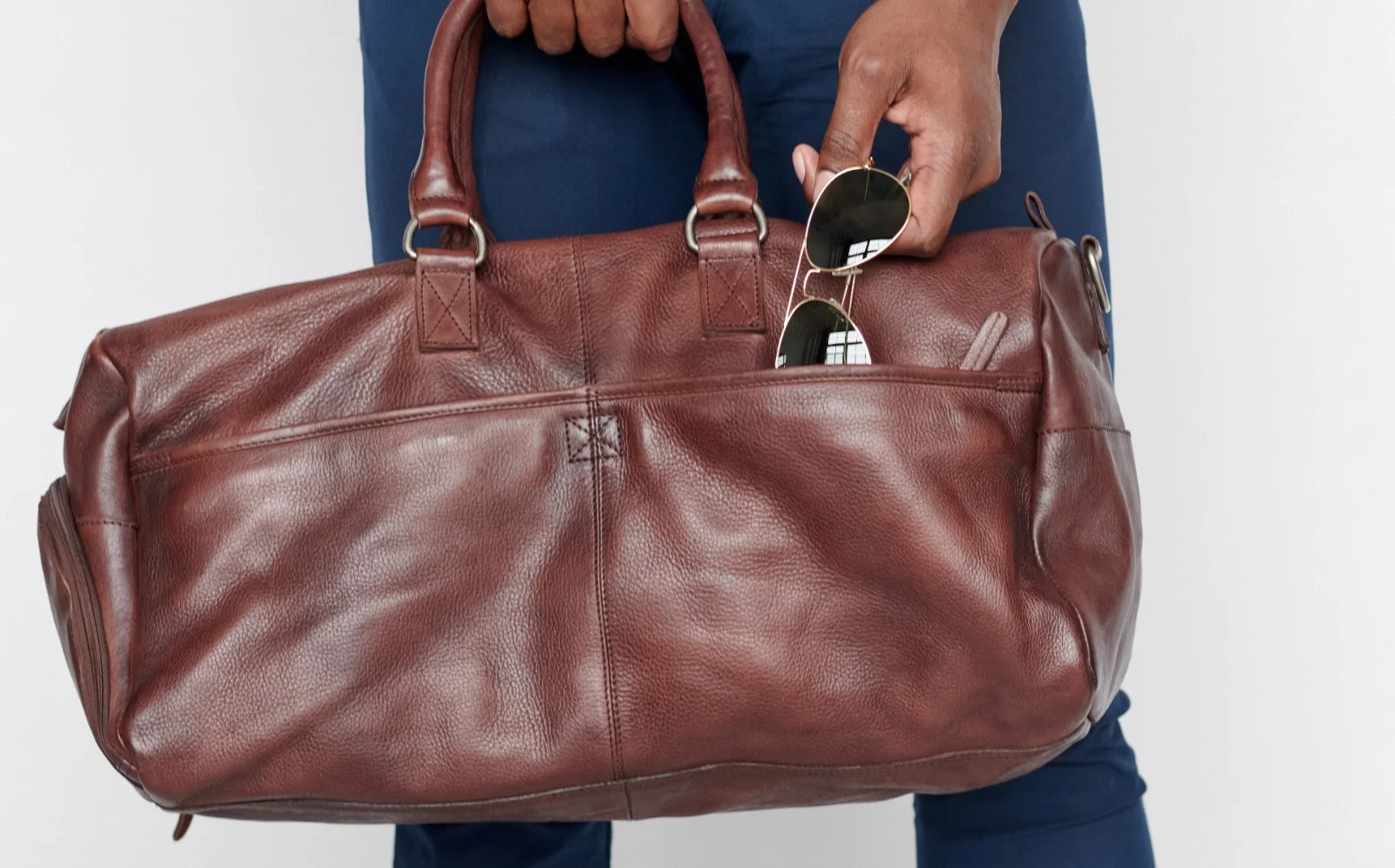
A leather travel bag is any soft-sided or structured carryall primarily made of leather, designed to transport clothing and essentials for short excursions. Popular forms include duffles, weekenders, structured carry-ons, backpacks, briefcases, and totes. The defining characteristic of leather is its ability to improve aesthetically with time; high-quality leather develops a rich patina and can be repaired, allowing a well-made bag to last decades while looking better with age.
Short History: Leather Luggage & Travel Bags
Leather has been a material of choice for transport and protection for thousands of years. By the 1800s, leather was widely used in trunks, saddlery, and travel gear. In the 20th century, soft leather weekender bags surged in popularity alongside train and air travel. Today, two distinct markets exist: lightweight synthetic luggage for practical heavy use and premium leather bags for style-conscious travelers. Many modern luggage brands now feature leather collections, combining traditional aesthetics with contemporary functionality.
Top Silhouettes & Who They’re For
Choosing the right style depends on your travel habits and preferences.
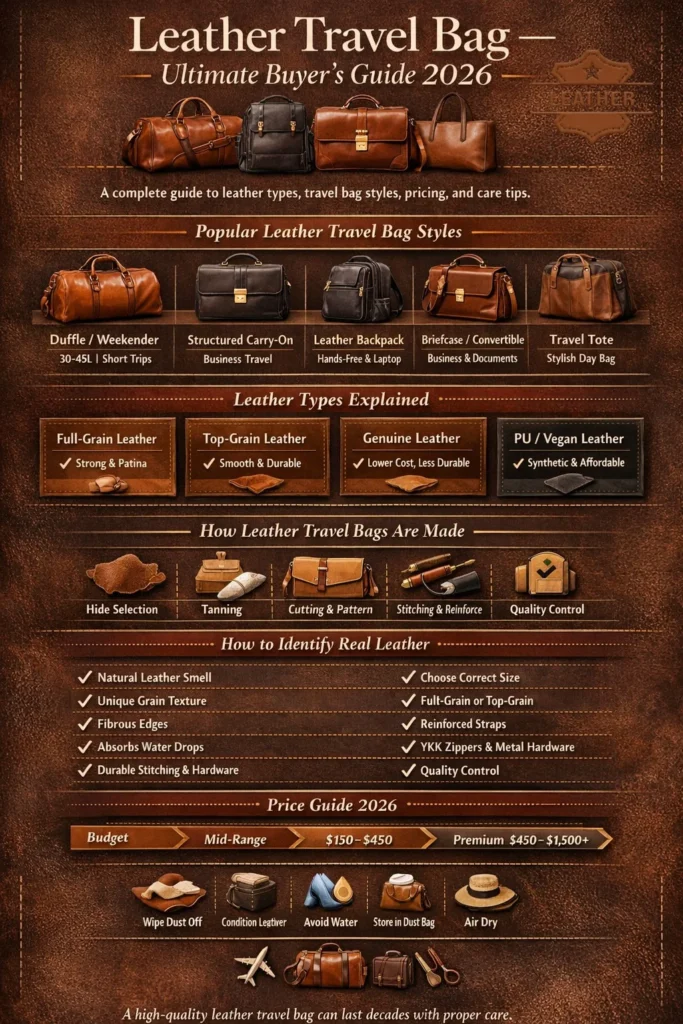
Leather Duffle / Weekender
- Capacity: 30–45 L
- Best for: 1–3 night trips, casual journeys
- Notes: Spacious main compartment, often within carry-on limits
Structured Carry-On
- Capacity: 35–45 L
- Best for: Business trips requiring wrinkle-free clothes
- Notes: Reinforced panels maintain shape and safeguard garments
Leather Backpack
- Capacity: 15–30 L
- Best for: Urban trips and commuting
- Notes: Hands-free convenience; often includes a laptop sleeve
Briefcase / Convertible
- Capacity: 10–25 L
- Best for: Business trips, documents, and electronics
- Notes: Organized compartments; sometimes convertible to shoulder carry
Tote Travel Bag
- Capacity: 15–30 L
- Best for: Light packing and day trips
- Notes: Quick access; versatile as a work or casual bag
Garment-Duffel / Roll
- Capacity: 30–50 L
- Best for: Longer business trips requiring suits
- Notes: Designed to minimize wrinkles
Leather Types: What They Mean & Why They Matter
Understanding leather terminology helps prevent buyer’s remorse.
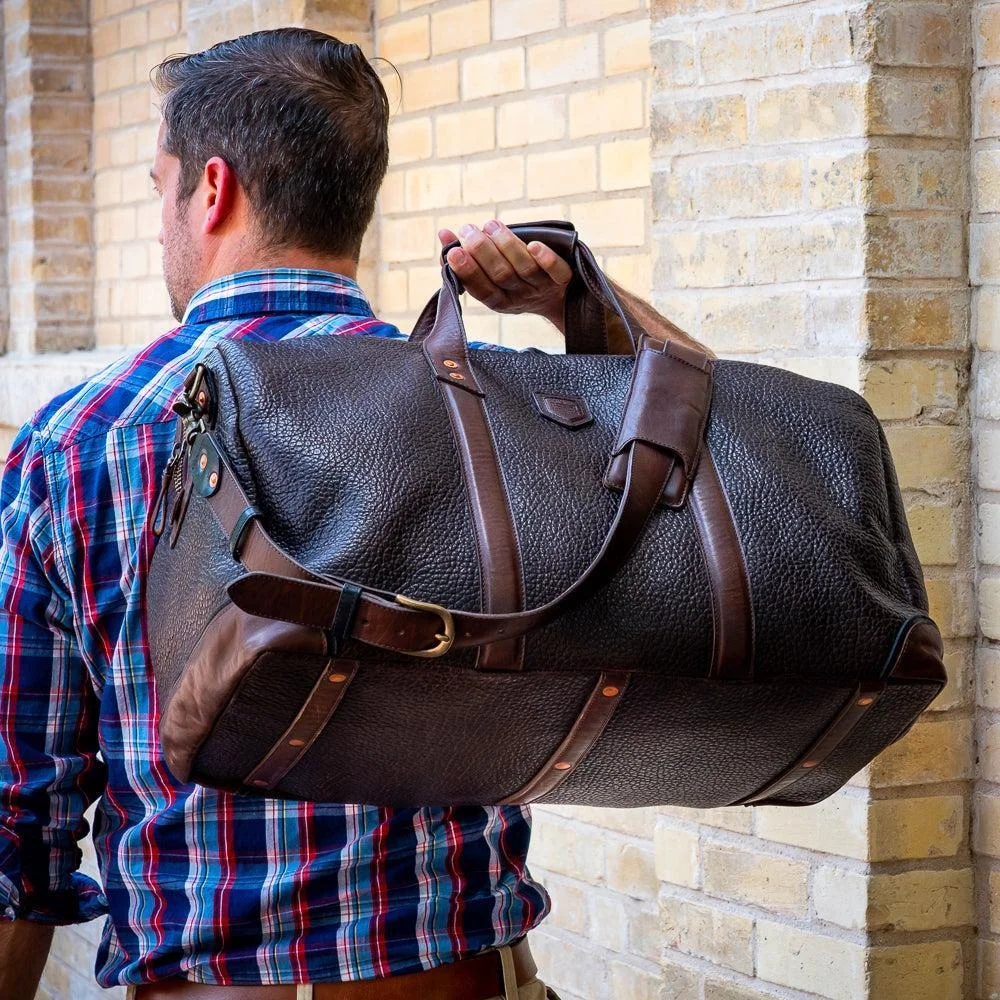
Full-Grain Leather (Top Tier)
- Cut from the topmost hide layer
- Preserves natural markings and grain
- Extremely strong and Durable
- Ages beautifully with a patina
Top-Grain Leather
- Slightly sanded or corrected surface
- Uniform appearance, sometimes lighter in tone
- Durable but less character than full-grain
Genuine Leather
- Marketing terms usually indicate lower grades
- Made from layers or split hides
- Does not equate to full-grain
Bonded Leather / PU
- Reconstituted or synthetic
- Lightweight, affordable, easy to clean
- Does not develop patina or repair well
Bottom line: Full-grain or high-quality top-grain is ideal for longevity. PU is suitable for low budgets or vegan preferences, but the lifespan differs.
How Leather is Made
Construction quality affects a bag’s durability:
- Hide Selection & Grading: Tanneries sort hides for defects; full-grain is premium quality.
- Tanning: Stabilizes hides.
- Vegetable Tanning: Slow, natural, rich patina
- Chrome Tanning: Faster, consistent color, water-resistant
- Splitting & Finishing: Hides may be split; finishes, dyes, and coatings applied
- Cutting & Patterning: Panels are precisely cut
- Edge Finishing: Burnished or painted edges
- Hardware & Reinforcement: Zippers, rivets, straps, feet — YKK zippers preferred
- Stitching & Assembly: Saddle stitching or heavy lockstitch; double-stitch at stress points
- Conditioning & Quality Control: Final inspection and conditioning
Why it matters: Vegetable-tanned full-grain leather with saddle stitching and brass hardware typically outlasts cheaper machine-stitched alternatives.
How to Tell Real Leather from Fake
When purchasing online or in-store, these checks help:
- Smell: Real leather has an earthy, natural aroma; synthetics smell chemical
- Touch & Texture: Real leather has subtle irregularities; fakes are smooth
- Edge Check: Real leather shows fibrous edges; bonded leather shows compressed or fabric layers
- Water Droplet Test: Real aniline absorbs slowly; synthetic bead
- Price & Label: Extremely cheap “full-grain” is likely false
- Stitching & Hardware: Poor threads or plastic fittings indicate lower quality
- Warranty & Repair: Reputable brands offer repair services and care instructions
Ultimate Buyer’s Checklist
Use this as a step-by-step guide:
- Trip Type: Weekend, carry-on, business, or checked
- Leather Grade: Full-grain > Top-grain > Corrected/genuine
- Construction: Reinforced straps, saddle/heavy lockstitch, rivets
- Hardware: Brass or stainless steel; YKK zippers recommended
- Compartments: Laptop sleeve, quick-access pocket, shoe compartment
- Weight vs Capacity: Leather is heavy; check airline rules
- Weather Resistance: Pre-finished, waxed leather, or waterproofing sprays
- Repairability: Can straps or zippers be replaced locally?
- Warranty & Reviews: Prioritize long-term durability feedback
Comparison Table: Which Style Should You Pick?
| Use Case | Recommended Style | Capacity | Why |
| Short weekend | Leather Duffle / Weekender | 30–40 L | Spacious, fits carry-on |
| Business travel | Structured Carry-On / Briefcase | 20–40 L | Maintains garment shape; organized |
| Urban trips | Leather Backpack | 15–30 L | Hands-free, holds laptop & essentials |
| Fashion travel | Leather Tote | 15–25 L | Stylish, versatile for day & night |
| Long/formal trips | Garment Duffel | 35–50 L | Reduces suit creases |
Features & Specs to Prioritize
- Stitch Type: Saddle stitch on seams; double-stitch stress points
- Thread: Bonded nylon or polyester, moisture-resistant
- Strap Attachment: Box-x stitch or rivets
- Feet: Metal or reinforced studs on base
- Internal Lining: Cotton or nylon with water-resistant backing
- Zippers: YKK or equivalent; leather pulls
- Lining Compartments: Padded laptop, zip pocket, toiletry section
- Luggage Sleeve: Pass-through for suitcase handles
Care & Maintenance
- After Each Trip: Empty and air out the bag; wipe dust
- Monthly: Slightly damp cloth cleaning
- Every 3–6 Months: Apply conditioner or wax; soft brush for suede/nubuck
- After Water Exposure: Pat dry, air-dry away from heat, recondition
- Scratches: Blend minor marks with balm or natural oil (test first)
- Storage: Stuff with acid-free tissue; breathable dust bag; avoid sunlight
Tip: Do not over-condition; leather needs to breathe. Excess oil softens and compresses fibers.
Price Ranges in 2026
- Budget (PU / low-grade): $30–$150 — shorter lifespan
- Mid-range (top-grain / artisan): $150–$450 — solid investment
- Premium (full-grain / vegetable-tanned): $450–$1,500+ — heirloom quality
- Designer/Luxury: $1,500–$5,000+ — includes brand and craftsmanship premium
Regional Note: US and UK prices are often higher due to taxes and branding. Artisans in Pakistan or Italian tanneries may offer competitive Quality, but vet supply chains.
Top Brands & Countries
- Leather Working Group: Tanneries audited for sustainability
- YKK: Trusted zipper manufacturer
- Italy: Renowned tanning and design
- Pakistan: Emerging artisan hubs, competitive pricing
- United States: Boutique brands with strong protections
Pro Tip: Rely on long-term editorial tests, not just initial reviews, to evaluate zipper longevity, strap strength, lining delamination, and color transfer.
Pros & Cons
Pros
- Long-lasting (if full-grain and well-made)
- Repairable hardware and straps
- Develops patina over time
- Good resale value
Cons
- Heavier than synthetics
- Higher upfront cost
- Not fully waterproof
- Certain finishes prone to staining
How to Pack a Leather Travel Bag
- Roll clothes to minimize creases
- Use packing cubes
- Store shoes in bags at the bottom
- Seal liquids in pouches
- Place Heavier items near the center
FAQs
A1: Yes, most duffles and carry-ons fit standard airline limits. Verify exact dimensions before travel.
A2: Leather isn’t fully waterproof. Light rain is manageable; heavy exposure risks stains. Use waxed finishes or sprays.
A3: For durability and patina, full-grain is superior. For lighter travel, top-grain or hybrid may suffice.
A4: Yes. Many high-quality bags are repairable. Check brand repair policies.
A5: Use acid-free tissue, breathable dust bags, a cool, dry place, and minimal conditioning if the leather is dry.
Quick Troubleshooting
- Light scratches: Rub gently with balm/oil
- Water spots: Blot, air dry, recondition
- Zipper jam: Use paraffin/bar soap; professional repair if teeth are damaged
- Loose strap: Take to a cobbler or manufacturer for repair
Packing for Airline Rules
Airlines are stricter on carry-on sizes; many use 22″ × 14″ × 9″ (56 × 45 × 25 cm) as a reference. Always measure and verify rules before departure.
Conclusion
A leather travel bag is a long-term investment. Choose full-grain or high-quality top-grain, prioritize durable stitching and hardware, and accept slightly higher weight. For lighter travel or vegan preferences, premium PU is a solid alternative. Sellers should provide detailed content, measurements, care instructions, and repair/Warranty information — buyers reward transparency and depth.