Introduction
A Leather Wallet is much more than a small container for money — it’s a tactile interface you interact with dozens of times a week, a functional object that must balance capacity with comfort, and a style signal that ages with you. In 2026, the wallet market blends traditional craft with contemporary constraints: slimmer profiles for front-pocket carry, RFID shielding for contactless security, sustainably sourced hides, and new mechanisms that speed card access. This guide reframes wallet selection as a simple decision problem: identify your constraints, map them to wallet features, evaluate trade-offs (durability vs. thinness, patina vs. uniform finish), and pick a wallet that aligns with your carry vector. I’ll walk you through leather grades, styles for different users, practical features that matter, care and maintenance, and editorial-tested picks to consider. Along the way, you’ll find a compact buying checklist so you can finish this article ready to buy with confidence.
What Are Leather Wallets for Men?
Leather wallets are stitched, folded accessories crafted from animal hides (commonly cowhide) and designed to carry cards, cash, identification, and occasionally coins or small tools. Their primary functions are structural (hold items securely), ergonomic (fit a pocket without causing discomfort), and aesthetic (complement personal style). People assess wallets by material provenance, build quality (stitching, edge finishing), internal layout and slots, and how the surface patinas with age. A well-chosen wallet reliably satisfies three criteria: it contains what you need, it fits your primary carry situation, and it wears attractively rather than collapsing or deforming.
How to Choose the Perfect Leather Wallet
Choosing a wallet is a classification problem you can solve quickly by answering a handful of user-focused questions and mapping your answers to a short list of suitable architectures.
Wallet Decision Framework
Treat your wallet choice like an input vector of four dimensions:
- Daily carry needs — number of cards, cash, and whether you carry coins or receipts. (This influences volume and slot count.)
- Primary pocket — front pocket vs back pocket vs bag. (This drives thickness and stiffness constraints.)
- Lifestyle signal — formal vs casual, professional vs hands-on. (Material finish and color choices follow.)
- Security & longevity — need for RFID, longevity expectation (years vs decades). (This influences leather grade and lining choices.)
Map these answers into a shortlist: if you carry 2–4 cards and want front-pocket comfort, choose a slim cardholder; if you carry 6+ cards and cash, a thoughtful bifold is preferable.
Wallet Carry Styles
Common wallet architectures and when they suit you:
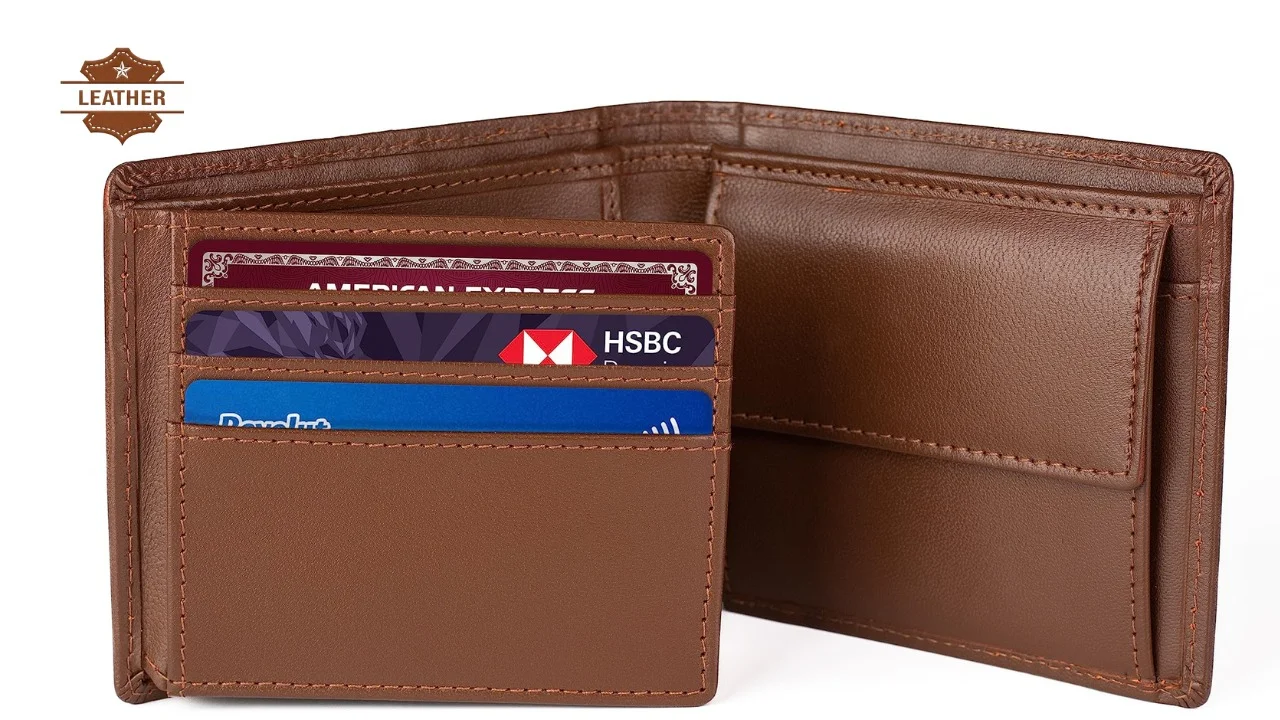
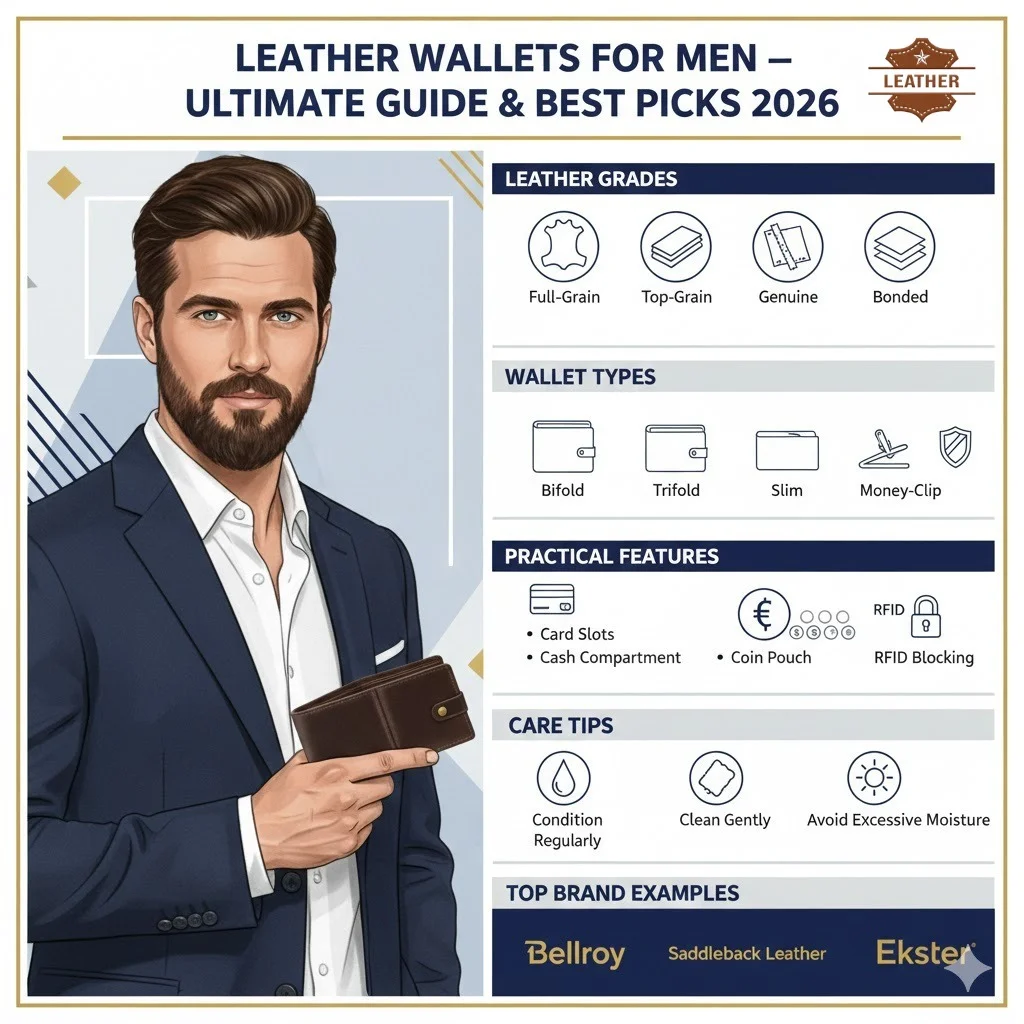
- Bifold — Classic, balanced capacity for cards and cash. Good if you carry 6+ cards or want easy bill access.
- Trifold — More capacity, thicker profile. Best for heavy carriers who need space for receipts and coins.
- Slim wallet / Cardholder — Ultra-Thin, usually 2–6 card slots and an optional money sleeve. Ideal for front-pocket carry and minimalists.
- Money-clip wallets — For people who mostly carry cards but sometimes need quick-cash access.
- Minimalist ejection wallets — Use a mechanical pop-up or slider to eject cards for quick use; favored by tech-forward users.
Key Buyer Questions
Ask these to filter choices fast
- How many cards do you carry daily? (2–4 → slim; 6+ → bifold / trifold.)
- Do you need RFID protection? (Travelers/contactless users → yes.)
- Which pocket will be primary? (Front → thin; back → any.)
- Do you want instant access to a single card? (Quick-draw slots or pop-out wallets are ideal.)
Understanding Leather Quality
Quality of leather is the single most important variable after layout. Leather is not just styling; it determines durability, edge behavior, smell, and patina development.
Material & Grades
Leather grade often outperforms brand in predicting longevity. Key categories:
- Full-grain leather — The unaltered top layer of the hide with the natural grain intact. The strongest, most breathable, and develops the richest patina. Ideal for heirloom wallets.
- Top-grain leather — The top layer is sanded and refinished to remove imperfections for a uniform look. Still durable but breaks in faster and offers consistent aesthetics.
- Genuine leather — Often, split hides or lower layers are recombined. It looks like leather but is lower quality and wears faster.
- Bonded / PU leather — Synthetic or fiber-bound layers. Cheap, low longevity, and prone to flaking.
Rule of thumb: If you want long life and a remarkable patina, spend more for full-grain. If you want a refined, uniform appearance and quicker break-in, top-grain is an efficient choice.
How to Spot Real Leather
When you inspect a wallet — in-store or via detailed photos — check these signals:
- Look: Real hides show uneven grain, small scars, growth marks, and natural variability. Fake leather often appears too uniform.
- Smell: Genuine leather has an organic, warm scent. Synthetics smell of chemicals or plastic.
- Touch: Full-grain leather feels substantial but flexible. Bonded leather often feels plasticky and less warm to the touch.
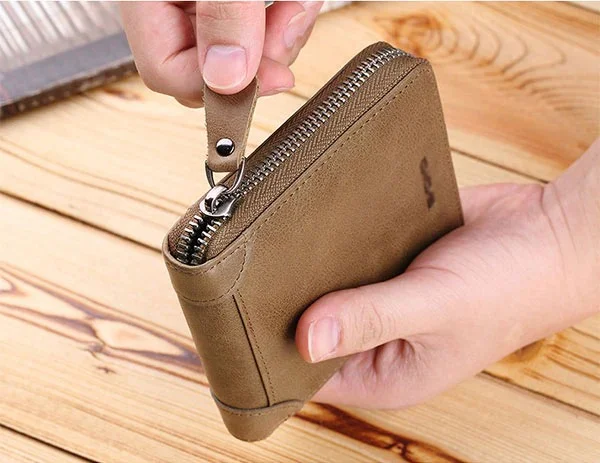
- Edges & stitching: High-quality wallets have burnished or painted edges and even, tight stitches. Raw or glued edges and loose threads suggest cheaper construction.
Practical tip: when buying online, ask for close-up photos of the grain, edges, and stitching; prefer sellers who show interior shots and edge profiles.
Practical Features That Matter
Beyond leather grade and layout, certain features meaningfully affect day-to-day usability.
RFID Protection: When it’s Worth It
RFID-blocking materials prevent unauthorized scanning of contactless cards. The actual risk of Large-Scale RFID theft remains low, but RFID wallets are affordable and provide peace of mind for frequent travelers or people who use contactless payments often. Add RFID if you:
- Travel internationally frequently.
- Use contactless payments in crowded transit systems.
- Want an extra layer of low-cost security.
If you barely use contactless pay and rarely travel, you can make RFID optional.
Storage & Layout Tips
- Quick-draw outer slot: Saves time by keeping one card accessible without unfolding the wallet.
- Coin pockets: Convenient but add bulk — avoid if you seek slim front-pocket profiles.
- Hidden compartments: Useful for a spare bill or small emergency items.
- ID windows: convenient for frequent badge/ID checks, but can cause card wear over long periods.
Comfort & Pocket Fit
- For the front pocket,s aim for a wallet thinner than your phone.
- Use reinforced slots in front-pocket wallets to prevent cards from stretching.
- Back-pocket wallets can be softer and fuller; for long-term back-pocket carry, prefer softer leathers to avoid discomfort while sitting.
Best Leather Wallet Styles for Different Users
Choose the wallet style that maps to your behavioral profile:
- Everyday Carry — Classic Bifold (H3): For men who carry 6+ cards and cash. Full-grain or top-grain leather gives durability and a classic silhouette.
- Minimalist / Tech Life — Slim Wallet (H3): For those who carry 2–4 cards and a bit of cash. Best for front-pocket comfort and fast access.
- Frequent Traveler — RFID Enhanced (H3): Slim wallets with RFID and some travel-friendly slots for boarding passes or a compact passport sleeve.
- Gift & Formal Style — Premium Leather Gift Wallet (H3): Hand-finished full-grain in black or deep brown, boxed, and with polished edges.
- Heavy Carry — Trifold Organizer (H3): Useful for those who keep receipts, business cards, and coins; thicker profile and more compartments.
Wallet Picks Based on Use
Below are representative picks that reflect editorial trends and user-tested winners. These examples illustrate trade-offs and help you map features to choices.
- Best Slim (Minimalist): Bellroy — crisp design, thin profile, and often an RFID option. Excellent for front-pocket minimalists.
- Best Rugged / Heirloom: Saddleback Leather Co. — full-grain builds intended to last decades with robust stitching and warranty language aimed at long-term ownership.
- Best Travel RFID: Vaultskin — many travel tests cite Vaultskin-style RFID sleeves as effective travel companions.
- Best Smart Minimalist: Ekster — pop-out card mechanisms and tracker integration for modern users.
- Best Value Everyday: Fossil — mid-range top-grain wallets that balance Cost and construction for day-to-day use.
Head-to-Head Comparison Table
| Use Case | Recommended Type | Typical Leather Grade | Key Benefit | Typical Price Range |
| Everyday Carry | Bifold | Full-grain / Top-grain | Capacity + classic look | $60–$200 |
| Minimalist | Slim sleeve / Cardholder | Top-grain / Full-grain | Front-pocket comfort | $40–$150 |
| Traveler | RFID sleeve | Treated full-grain / Lined | Contactless security | $50–$180 |
| Formal Gift | Premium gift wallet | Full-grain, hand-finished | Presentation + longevity | $120–$400+ |
| Heavy Carry | Trifold | Full-grain | Space for cards, cash, coins | $80–$250 |
The Manufacturing Process: How Wallets Are Made
A wallet’s lifecycle — from hide to finished product — affects its durability.
- Hide selection — Tanneries’ grade hides. Full-grain requires the best parts with minimal surface defects.
- Tanning — Vegetable or chrome tanning preserves and stabilizes the hide. Vegetable tanning produces firmer leather that develops patina; chrome tanning produces softer, more color-fast tissue.
- Splitting & finishing — Hides are split into layers; top-grain is buffed and often pigmented for uniformity.
- Cutting — Panels and pockets are cut with dies or CNC cutters for precision.
- Edge finishing — Edges are burnished, painted, or folded to resist fraying.
- Stitching — Machine or hand saddle stitching; hand-stitching typically outlasts machine work when done well.
- Assembly & QC — Hardware attached and each wallet inspected for blemishes and fit.
- Conditioning & packaging — Wallets are oiled or waxed and boxed; high-end makers often include care instructions.
How to Identify Original vs Fake Leather
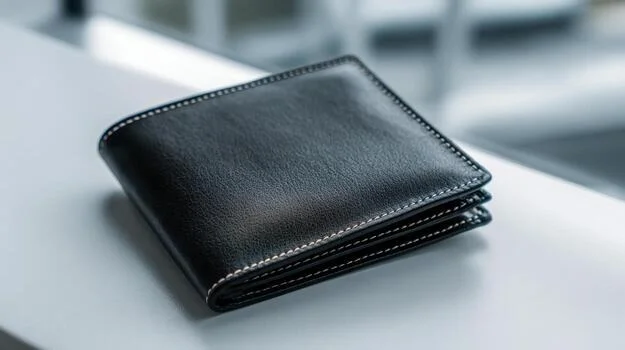
Detecting authenticity requires a mixture of sensory checks and skepticism:
- Price vs promise — If a wallet claims full-grain at a very low price, be skeptical.
- Construction — Glued seams and raw, unsealed edges signal a cheap build.
- Labels — “Genuine leather” is a legal term that often indicates lower-grade leather.
- Warranty & returns — Reputable brands offer warranty or repair policies; extended warranties on full-grain lines are a positive signal.
Price Range Worldwide
Expect broad ranges depending on leather grade, maker, and region:
- Budget (under $50) — Faux leather or low-grade genuine leather; short life expected.
- Mid-range ($50–$150) — Top-grain options with better stitching and reasonable warranties.
- Premium ($150–$400+) — Full-grain, artisan-made wallets with polished edges and potential repair services.
- Luxury ($400+) — Designer or exotic hides, bespoke options, or handmade pieces with provenance.
Remember, shipping, taxes, and VAT can materially affect the final price when buying internationally.
Top Brands & Countries Famous for Leather Wallets
Well-known names and leather-making regions that repeatedly appear in authoritative roundups and tests:
- Bellroy – Slim, well-designed wallets and plant-based options.
- Saddleback Leather Co. – rugged full-grain wallets and Long Warranty language.
- Forbes – Editorial buyer guides and model picks.
- Business Insider – Frequent testing of slim wallets and top picks.
- Travel + Leisure – Travel-focused testing and RFID wallet recommendations.
- Wired – Tech + design reviews for smart wallets.
- Consumer Reports – Objective testing and performance-driven advice.
- Better Business Bureau – Alerts and consumer protection notes.
Countries with recognized leather industries: USA, UK, Australia, Italy — each has makers and craft traditions worth checking.
Care & Maintenance: Make Your Wallet Last
Leather responds to sensible habits. An investment in care extends life significantly.
Daily & Monthly Care
- Avoid overstuffing. Only carry what you need; excess bulk deforms shape.
- Rotate pockets. Switching pockets evens out wear and reduces one-sided deformation.
- Wipe regularly. A soft, dry cloth removes dust. For dirt, use a slightly damp cloth and dry naturally.
- Conditioning. For vegetable-tanned and full-grain leather, apply a small amount of leather conditioner every 6–12 months. Test in a hidden spot first.
- Avoid water and heat. If wet, let the leather dry naturally away from direct heat.
Long-Term Storage
- Store in a breathable pouch or box, not plastic.
- Stuff lightly with tissue to keep shape.
- Keep out of prolonged direct sunlight to avoid fading.
Common Buyer Mistakes to Avoid
- Buying purely for looks — check construction details.
- Assuming “genuine leather” equals quality — it rarely does.
- Overstuffing — ruins shape.
- Ignoring warranty and return policy — these matter with online purchases.
- Skipping care — leather requires minimal but regular maintenance.
Pros & Cons
Pros
- Durable (especially full-grain)
- Ages with character — patina develops over time
- Variety of styles and sizes
- Repairable in many instances
Cons
- Can be pricier than synthetic options
- Requires occasional maintenance to prevent drying or cracking
- Full-grain can be stiff initially
- Not vegan — animal-derived material
FAQs
A: Yes, if you want durability and a wallet that gets better with age. Full-grain gives the best patina and can last decades.
A: Leather relaxes with use — full-grain softens and forms to your pockets, but shouldn’t become loose if not overstuffed.
A: A well-made full-grain wallet can last 10–30+ years with care. Top-grain wallets usually last 3–10 years.
A: It’s a small extra cost. Worth it if you travel or use contactless cards often. Travel and security guides still recommend RFID pockets for travelers.
A: No. Washing machines ruin leather. Wipe clean and condition by hand.
Conclusion
Leather wallets remain a core men’s accessory in 2026 because they combine utility, Durability, and the potential to age attractively. The right wallet depends on how many cards you carry, which pocket you use, and whether you travel. If your budget allows, choose full-grain for longevity and patina; choose top-grain for a refined, consistent appearance and faster break-in. Add RFID protection if you travel or use contactless payments often. Prioritize clean edge finishing and tight stitching, inspect interior layout, and confirm warranty/returns when buying online. With modest care, light conditioning every 6–12 months, and sensible use, a quality leather wallet will serve you for many years and gain personal character during that time.