Introduction
The men’s leather bomber jacket remains a timeless, versatile staple in 2026 — a compact, practical outer layer that balances heritage roots with modern interpretations. Originally designed for pilots needing mobility and warmth, it has evolved into an essential piece spanning rugged everyday wear, polished city looks, and streetwear edge. This updated 2026 guide covers key styles, leather types, proper fit, quality indicators, buying tips, care routines, and outfit inspiration to help you select, wear, and maintain one confidently, whether you’re after a budget option or a lifelong investment.
What Is a Leather Bomber Jacket?
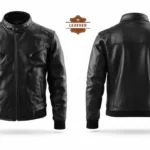
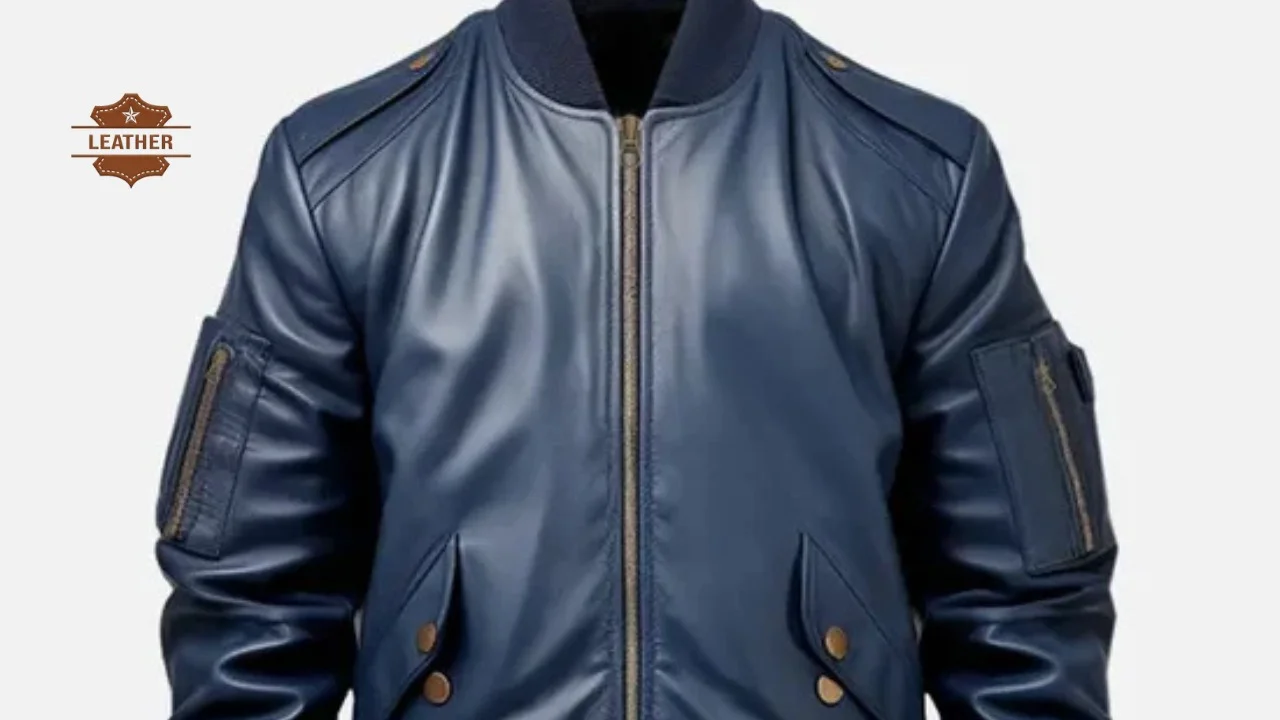
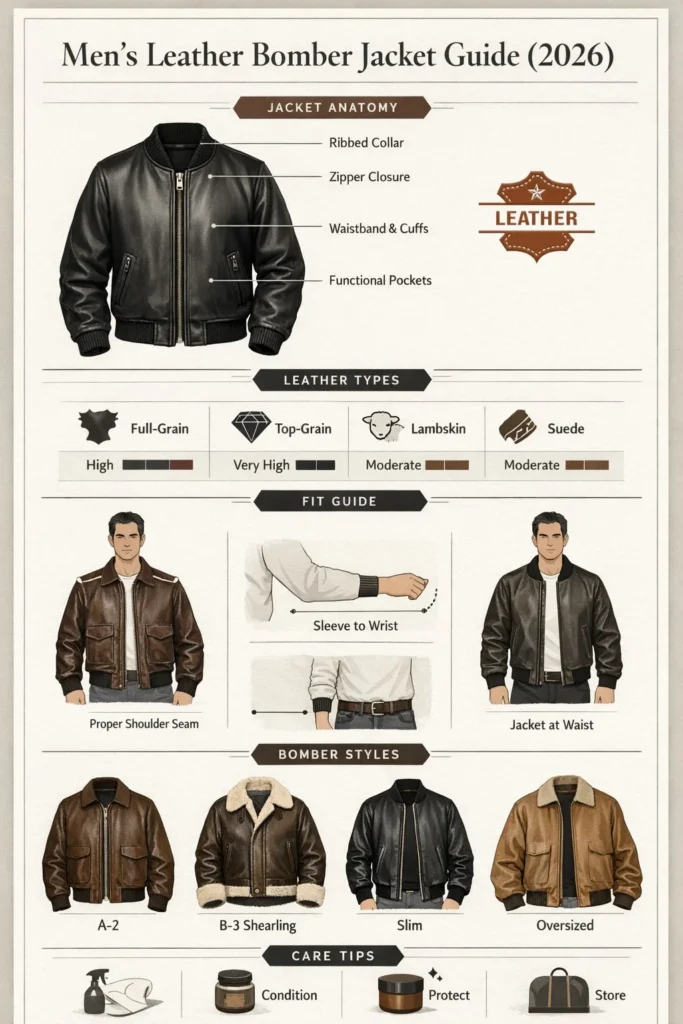
A Leather Bomber Jacket, often called a flight jacket, is a short, waist-length design built for freedom of movement, insulation, and functionality. Signature features include:
- Ribbed knit collar, cuffs, and hem (in most classic versions)
- Front zipper closure
- Practical pockets (patch, flap, or slash styles)
- A streamlined silhouette ideal for layering without excess bulk
Engineered for aviators, bombers prioritise arm mobility in confined spaces while providing protection from the elements.
A Brief History of the Bomber Jacket
- Early 20th century (1910s–1930s): Pilots wore heavy sheepskin or wool coats for warmth at altitude.
- WWII era: The U.S. military standardised models like the A-2 (smooth leather) and B-3 (shearling-lined), featuring manufacturer tags, dates, and sometimes unit patches — cementing the core bomber DNA.
- Postwar years: Surplus pieces flooded civilian markets, boosted by icons in film and music, pairing effortlessly with denim and boots.
- 2020s–2026: Contemporary takes include premium full-grain heritage builds, lightweight lambskin for urban refinement, suede for vintage vibes, shearling revivals, and oversized or cropped fashion variants. Bomber jackets continue trending strongly in 2026, with sleek lines, premium textures, and versatile fits dominating collections.
Leather Types — Comparison Table
| Leather Type | Look & Feel | Durability | Price Range | Best For |
| Full-grain | Natural grain; rich patina over time | Highest | Luxury / high | Heritage pieces; rugged daily wear |
| Top-grain | Sanded, uniform surface | Very high | Mid–high | Sleek, polished city bombers |
| Lambskin / Nappa | Ultra-soft, buttery | Moderate | Mid–high | Slim, fashion-forward styles |
| Suede | Velvety nap | Moderate | Mid | Casual, vintage-inspired bombers |
| Genuine / Bonded | Processed, uniform (often composite) | Low | Budget | Entry-level faux-leather looks |
Full-grain offers unmatched Longevity and character; top-grain balances durability with easier care. Select based on your lifestyle and how you want the jacket to age.
How a Quality Leather Bomber Jacket Is Made
- Hide selection — Premium makers choose thick, low-blemish skins; full-grain keeps the natural surface intact.
- Tanning — Vegetable (slower, richer patina) or chrome (flexible, water-resistant).
- Cutting & patterning — Panels aligned with natural grain for consistency and strength.
- Skiving — Edges thinned for smooth, low-bulk seams.
- Stitching & assembly — High-density stitching (8–10 stitches/inch in stress areas), reinforced points, and quality hardware (e.g., YKK zippers).
- Lining & insulation — Options include satin, viscose, quilted, or shearling for warmth and comfort.
- Finishing — Burnishing, waxing, or oiling for protection and aesthetics.
Small details like grain matching, even stitching, and solid hardware distinguish pieces built to last decades.
How to Spot Authentic vs. Fake or Low-Quality Leather
- Smell — Real leather has an earthy, organic scent; synthetics smell chemical or plastic-like.
- Texture & grain — Natural variations and marks; overly perfect uniformity suggests corrected or faux.
- Edges — Fibrous when bent; sealed or plasticky edges indicate synthetics.
- Pliability — Creases naturally and softens; stiff or cracking material signals poor quality.
- Hardware & details — Solid zippers, snaps, even stitches; cheap plastic or loose threads are red flags.
- Price & branding — Suspiciously low “full-grain” claims warrant caution — check reviews, policies, and close-up photos.
Combine multiple checks for confidence.
Fit Guide & Measuring Checklist
Key measurements
- Chest: Around the fullest part (under arms).
- Shoulders: Seam-to-seam across back.
- Sleeves: Shoulder seam to wrist bone.
- Length: Collar base to hem (classically at waist/belt line).
Fit rules
- Shoulders sit at the natural edge.
- Chest snug but allows a thin layer underneath.
- Sleeves end at wrist (or intentionally cropped).
- Leather moulds with wear — size up for heavy layering.
Avoid
- Too-tight chest (minimal stretch).
- Excessively long hems that alter proportions.
Construction Details Checklist
- Zippers: Heavy-duty metal (YKK preferred).
- Stitching: Consistent, high density in key areas.
- Panels: Symmetrical grain flow.
- Lining: Quality viscose, quilted, or satin (not thin polyester).
- Hardware: Reinforced pockets, solid rivets/snaps.
Inspect photos closely for these signs.
Styles & Variations in 2026
- Classic A-2 — Timeless military heritage, simple and rugged.
- B-3 / Shearling — Warm, statement-making with plush lining.
- Cropped / Fashion Bomber — Modern, shorter cut for streetwear.
- Slim Lambskin — Refined, tailored for smart-casual.
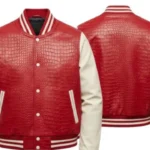
- Oversized or Hybrid — Relaxed proportions or leather-sleeve varsity styles.
Trends in 2026 emphasise sleek, versatile bombers with premium textures, structured lines, and adaptable fits.
Styling Ideas by Occasion
Casual everyday
White T-shirt + slim jeans + bomber + sneakers (add a beanie for cooler days).
Smart-casual / date
Button-down + chinos + lambskin bomber + Chelsea boots.
Urban/streetwear
Oversized bomber + hoodie + cargos + high-tops (olive, navy, or burgundy tones shine).
Cold weather/travel
Shearling or quilted bomber + knits + boots for insulation.
Black or dark tones feel sharper; lighter/washed shades stay casual.
Buying Guide — Key Checks
- Verify leather type, origin, and tanning.
- Review sizing charts and return policies.
- Inspect hardware, stitching, and lining in photos.
- Weigh Price against expected wear frequency.
- Favour brands with warranties or repair services.
Price tiers
- Budget ($60–$250): Often faux or low-grade; shorter lifespan.
- Mid-range ($250–$800): Solid top-grain/lambskin with good build.
- Premium ($800–$2,500+): Full-grain, heritage makers, or shearling.
Higher investment pays off for frequent wear via patina and durability.
Care & Maintenance Tips
- Daily — Wipe dust with a soft cloth.
- Conditioning — Apply 2–3 times yearly (more in dry areas); spot-test first.
- Water — Use protectant spray; blot and air-dry if wet (no heat).
- Storage — Padded hanger in breathable garment bag; avoid sun/heat.
- Repairs — Fix loose seams or zippers early via leather specialists.
Consistent light care prevents major issues.
Climate & Regional Tips
- Cold (Canada, Northern Europe) — Shearling or quilted for warmth.
- Mild (UK, Mediterranean) — Lightweight top-grain or lambskin year-round.
- Hot (Middle East, parts of Australia) — Breathable linings, lighter hides.
- Rainy — Treated top-grain + regular protectant.
Match the lining and finish to your environment.
Pros & Cons
Pros
- Timeless versatility.
- Exceptional durability (quality hides).
- Dresses up or down easily.
Cons
- Premium options expensive.
- Heavy variants are too warm in the heat.
- Low-grade leather cracks quickly.
Comparative Snapshot: Full-Grain vs. Top-Grain vs. Lambskin
| Feature | Full-grain | Top-grain | Lambskin |
| Durability | Excellent | Very good | Moderate |
| Softness | Firms → softens | Smooth | Very soft |
| Patina | Pronounced | Limited | Minimal |
| Price | High | Mid–high | Mid–high |
FAQs
A: No for black-tie, but smart-casual yes — pair a clean lambskin with a shirt, chinos, and boots.
A: Snug with movement room; leather relaxes slightly over time.
A: Light rain is okay on treated leather; avoid soaking and dry naturally.
A: 2–3 times per year, adjusted for climate; always spot-test.
Conclusion
The leather bomber jacket endures as a functional, stylish cornerstone. Prioritise quality hide (full-grain for character, top-grain for refinement, lambskin for softness), precise fit, and solid construction. With proper care — Regular Wiping, conditioning, and storage — it develops beautiful patina and lasts for years. Invest thoughtfully based on your needs, and this classic piece will serve across seasons and occasions in 2026 and beyond.