Introduction
A Black Leather Jacket is more than clothing; it is a movable identity token, a durable outer layer and a semantic anchor in wardrobes worldwide. From aviators and motorcyclists to screen icons and current designers, the black leather jacket encodes signals of durability, rebellion, and polish. In 2026, that signal remains strong: the black leather jacket retains cross-poll appeal because it aligns with multiple user intents protection, practicality, luxury, and style and integrates smoothly into modern capsule wardrobes.
What Is a Black Leather Jacket?
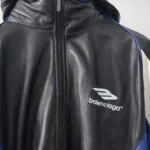
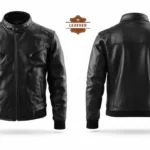
A black leather jacket is an outerwear garment primarily constructed from tanned animal hide or a synthetic leather alternative, dyed black. It functions as both a protective layer and an aesthetic object. Typical structural elements include the leather shell (single or multi-panel), lining, closures, collars, and hardware. Common hides: cowhide, lambskin, goatskin; synthetic variants include PU and PVC leather.
A Short History of the Black Leather Jacket
Early 1900s: Leather outerwear originated in aviation and motorcycling for wind and abrasion protection.
1928: The “Perfecto” motorcycle jacket (Schott) introduced the asymmetrical zip and heavy hardware.
1950s: Hollywood immortalized leather jackets as youth rebellion Marlon Brando, James Dean.
1970s–80s: Punk and biker cultures amplified leather’s anti-establishment symbolism.
1990s–2000s: High fashion adopted leather for luxury tailoring and runway statements.
2020s–2026: Sustainability, traceability, and advanced tanning methods influence production; modern cuts and hybrid materials meet the needs of urban, climate-aware consumers.
Main Types of Black Leather Jackets
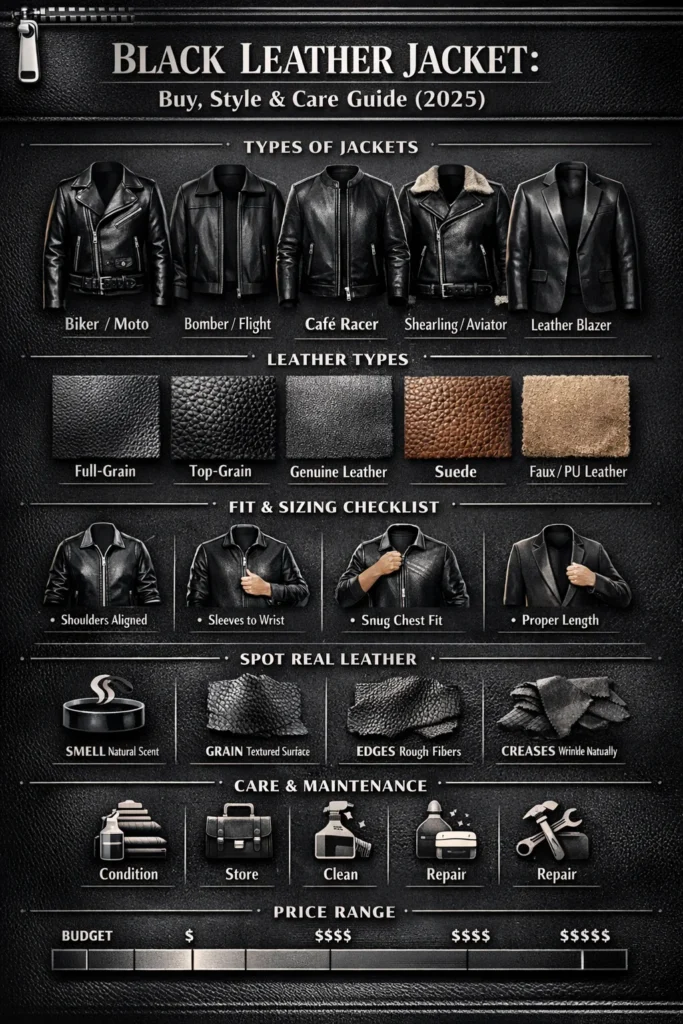
Below are canonical archetypes. Each style is an entity with typical attributes (silhouette, hardware, use cases).
Biker (Motorcycle) Jacket
- Features: Asymmetrical zipper, heavy hardware, belted waist, short cut.
- Vibe: Edgy and protective.
- Best for: Motorcycling (if combined with protective armor) and streetwear.
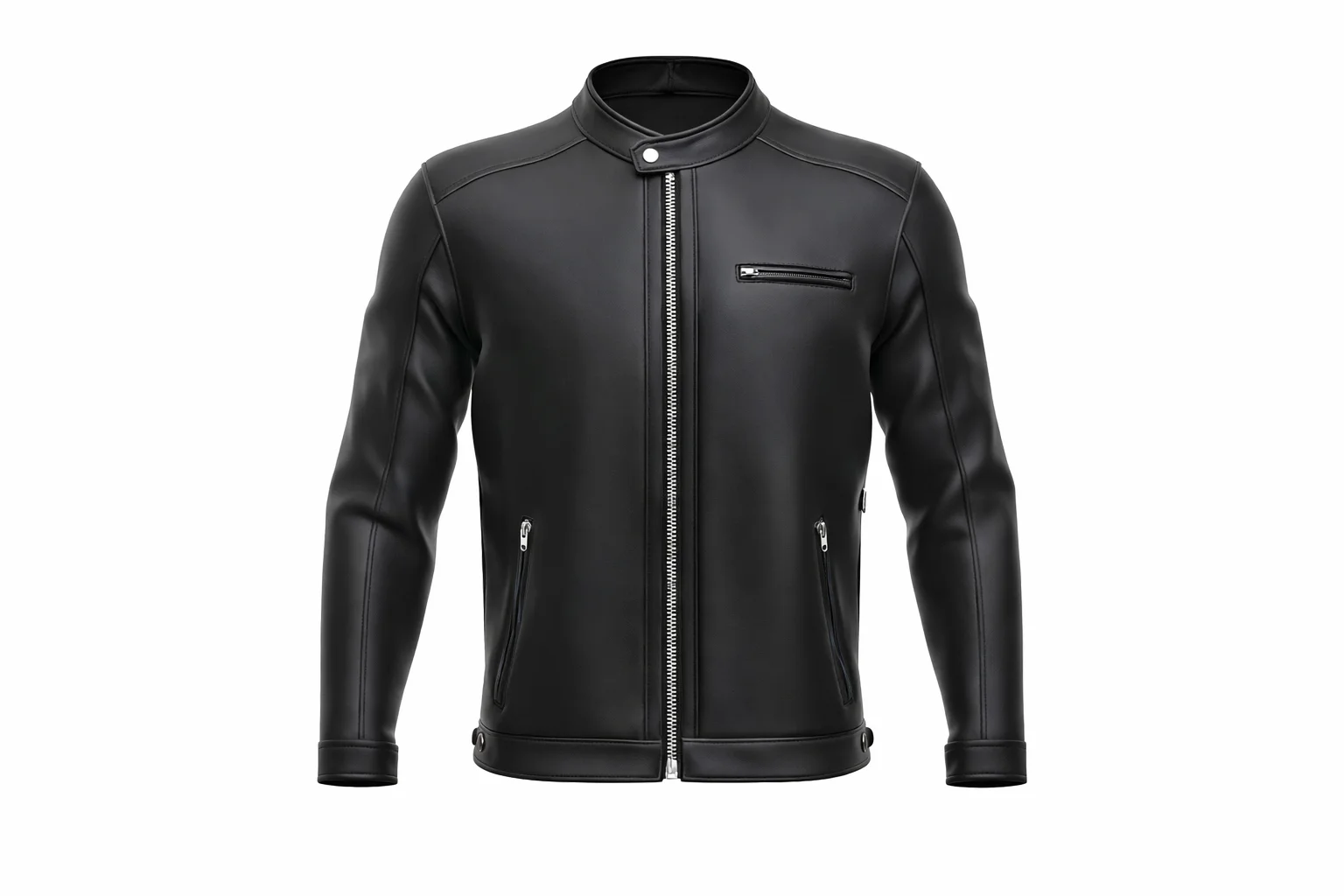
Café Racer Jacket
- Features: Minimalist paneling, straight zip, snap or stand collar.
- Vibe: Sleek, understated, tailored.
- Best for: Smart-casual urban looks.
Bomber Leather Jacket
- Features: Ribbed cuffs/hem, relaxed torso, sometimes quilted lining.
- Vibe: Casual, athletic, and versatile.
Best for: Everyday layering.
Shearling / Aviator Jacket
- Features: Warm shearling lining, wide collar, heavier silhouette.
- Vibe: Vintage, functional winter wear.
- Best for: Cold climates and heritage styling.
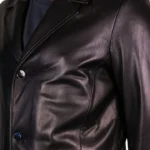
Leather Blazer
- Features: Tailored lapels, longer body, minimal hardware.
- Vibe: Smart, office-friendly, evening.
- Best for: Business casual and elevated dressing.
Each of these style tokens appears frequently in search queries; variant keywords (e.g., “black moto jacket”, “men’s black leather bomber”) are critical LSI terms.
Leather Types Which Is Best?
| Leather Type | Durability | Hand / Feel | Best For |
| Full-Grain Leather | Very high | Firm, develops rich patina | Investment, heirloom jackets |
| Top-Grain Leather | High | Smooth, finished | Fashion + durability balance |
| Genuine Leather | Medium | Variable | Lower-cost real leather options |
| Lambskin | Medium | Ultra-soft, delicate | Luxury fashion, dressy jackets |
| Goatskin | High | Textured, flexible | Everyday wear, durable soft jackets |
| PU / Faux Leather | Low | Synthetic feel, consistent | Vegan or budget choices |
How a Black Leather Jacket Is Made Step-by-Step
- Raw hide selection sourcing and grading hides.
- Curing salt curing to preserve.
- Tanning chrome or vegetable tanning to stabilize collagen fibers.
- Dyeing immersion or drum dyeing to achieve deep black that penetrates fibers.
- Fatliquoring & Conditioning adding oils for suppleness.
- Drying & Finishing controlled drying and surface finishing (aniline, semi-aniline, pigmented).
- Cutting pattern layout to maximize hide yield and match grain.
- Stitching & Assembly reinforced seams, bartacks in stress areas.
- Hardware installation zippers, snaps, buckles (often brass, nickel, or stainless steel).
- Final Inspection & Quality Control stitch density checks, color consistency, defect marking.
How to Tell Real Leather from Fake
Signs of real leather
- Natural grain variability and tiny scars or markings.
- Earthy, leather aroma (not plastic).
- Absorbs a small droplet of water (darkening then drying).
- Warmth to the touch and subtle stretch.
Signs of fake leather
- Uniform repeatable grain pattern.
- Plastic or chemical scent.
- Surface that peels into layers (especially cheap PU).
- Backing is fabric or foam, not natural suede.
Safety note: avoid destructive “burn tests” on merchandise. Use visual, tactile, and olfactory signals instead.
The Ultimate Buying Checklist What to Inspect
When evaluating a black leather jacket in person or online (when buying online, demand high-resolution photos and clear returns policy), inspect:
- Leather grade: Prefer full-grain or top-grain for durability.
- Leather thickness: 1.0–1.3 mm commonly balances durability and flexibility (motorcycle jackets may be heavier).
- Stitch density: Look for 6–10 stitches per inch in high-stress seams.
- Hardware quality: YKK zippers or branded metal hardware resist failure; check slider and teeth.
- Lining: Modal, viscose, or cotton blends for breathability; quilted linings for warmth.
- Construction: Reinforced stitch points, genuine leather facing inside pockets.
- Fit with layering: Test with the type of layers you’ll wear (tee, shirt, thin sweater).
- Pockets and vents: Functional pocket placement and secure closures.
- Labeling & origin: Country of manufacture and tannery information.
- Sustainability credentials: Leather Working Group (LWG) ratings, traceability notes.
- Return & repair policy: Check warranty, repair partners, or lifetime service offers.
Fit Guide How a Jacket Should Feel
Fit matters more than style. A correctly fitted leather jacket should balance mobility, layering capacity, and silhouette.
Shoulders: Seams should align with the shoulder edge (acromion). Too tight prevents arm movement; too wide creates droop.
Sleeve length: Ends at the wrist bone when arms are relaxed. For motorcycle use, slightly longer sleeves can prevent exposure while riding.
Chest and torso: Zip the jacket with your intended base layer; it should close without puckering. There should be room for elbow bend.
Sleeve width: Narrow enough to avoid flapping but wide enough for comfortable movement; check for underarm pull.
Length: Style-dependent moto jackets end at the waist, bombers at hip, blazers longer.
Body types & suggestions:
- Slim build: choose a slightly tapered cut; avoid voluminous boxy silhouettes.
- Athletic/muscular: allow extra chest/arm room or look for stretch panels.
- Tall: longer patterns, longer sleeve lengths to balance proportion.
- Short: cropped jackets or tailored hems can visually lengthen legs.
Styling Ideas: 25 Outfit Examples
This section maps style intents (casual, smart, edgy, layered, office, travel) to concrete outfits.
Casual
- Black leather jacket + white tee + blue jeans + white sneakers.
- Bomber + hoodie + joggers + high-top sneakers.
- Café racer + slim dark jeans + Chelsea boots.
Smart-Casual
- Leather blazer + crisp white shirt + chinos + loafers.
- Black leather jacket + roll-neck sweater + tailored trousers + Derby shoes.
- Shearling aviator + knit + dark denim + brogues.
Edgy / Night Out
- Moto jacket + black skinny jeans + band tee + combat boots.
- Leather blazer + silk blouse + cigarette pants + heels.
- Bomber + slip dress + ankle boots.
Layered / Winter
- Shearling + wool scarf + thermal base + insulated boots.
- Leather jacket + blazer underneath (thin) + overcoat on top for transition.
- Moto + hoodie + puffer vest + heavy boots for nested warmth.
Office-Friendly
- Leather blazer + button-up + slim suit trousers + oxford shoes.
- Minimal café racer + fine-gauge polo + chinos.
Trendy / Modern
- Oversized black leather jacket + wide-leg trousers + sneakers.
- Shacket (suede) + linen shirt + tailored shorts (evening summer).
Travel
- Leather jacket + comfortable tee + stretch trousers + slip-on sneakers.
- Shearling lined jacket for cold destination packing.
Gender-Neutral Looks
- Bomber + high-rise jeans + chunky sneakers.
- Café racer + single-breasted blazer + loafers.
Accessory Pairings & Quick Tips
- Match hardware (silver with silver).
- Minimal jewelry; leather is the focal point.
- Scarves or beanies add texture and warmth.
- Sunglasses elevate and create a cohesive look.
- Belts: fine leather belts work for smart-casual; wider belts can clash with cropped silhouettes.
Each outfit can be converted into a structured schema (itemListElement) for rich results: garment names, materials, and intended season.
Care & Maintenance Cleaning, Conditioning, Storage
Good care extends life dramatically. Here’s a pragmatic lifecycle routine:
Daily & Weekly
- Dust off with a soft, dry cloth.
- Hang on a wide, padded hanger to preserve shoulder shape.
- Avoid folding long term.
- Air out after rainy use.
Spot Cleaning
- Surface dirt: Wipe with a damp cloth; dry immediately with a soft towel.
- Oily stains: Apply cornstarch or talc, leave overnight, brush out.
- Ink / deep stains: Professional leather cleaner recommended.
Conditioning
- Condition twice a year (more in dry climates). Use a non-silicone, pH-appropriate leather conditioner. Test on an inconspicuous area first.
Waterproofing
- Use sprays formulated for leather (avoid heavy waxes on soft leathers like lambskin). Reapply periodically if you expose the jacket to rain.
Drying
- If wet, dry naturally at room temperature. Never place it near radiators or hair dryers. After dry, apply conditioner to restore oils.
Storage
- Store in a breathable garment bag (no plastic).
- Use acid-free tissue to stuff sleeves and preserve shape.
- Avoid direct sunlight which leads to fading.
Professional Care
- For severe damage, color restoration, or re-lining, use specialist cobblers or leather repair centers.
Repair & Minor Fixes You Can Do at Home
- Stiff zipper: Lubricate with beeswax or rub candle wax along teeth; operate gently.
- Loose stitch: For small seams, use a leather needle and heavy polyester thread; for larger issues, seek a cobbler.
- Light scratches: Rub lightly with clean fingers to distribute natural oils; apply a small amount of leather conditioner.
- Scuffs: Use a leather balm or color restorer matching the dye.
- Torn lining: Replace or patch with similar fabric; a tailor can re-seg a lining affordably.
Price Ranges by Region
| Region | Typical Price Range (USD equivalent) |
| USA | $150 – $1,200 |
| UK | £120 – £950 |
| Europe | €150 – €1,100 |
| Middle East | $180 – $1,300 |
| Australia | AUD 220 – 1,600 |
Notes:
- Designer bespoke or Italian artisanal jackets can exceed these ranges.
- Mid-range quality real leather jackets commonly fall in $300–$700 region.
- Faux leather options are typically under $150.
When writing product pages, use currency conversion snippets and localized pricing to match user intent.
Best Uses When to Wear a Black Leather Jacket
Best for
- Everyday casual and travel wear.
- Concerts and nightlife.
- Riding (with protective features).
- Transitional seasons (spring/autumn) with layering.
When not to wear
- Heavy, prolonged rain unless the jacket is treated/waterproofed.
- Formal black-tie events (unless it’s a tailored leather blazer with minimal hardware).
- Very hot climates without ventilation features.
FAQs
A: Yes. A high-quality black leather jacket is often a long-term wardrobe investment. When constructed from full-grain or top-grain leather and cared for completely, it can last for decades, develop a desirable patina, and retain resale and tender value.
A: Yes. Shearling or aviator jackets with heavy linings are ideal for cold climates. For standard leather jackets, layering with insulated base layers, sweaters, and a tailored overcoat can make leather workable in winter. Waterproofing and windproofing practices will improve performance.
A: With consistent care, a well-made leather jacket often lasts 15–30 years or more. Life expectancy hinges on leather grade, usage frequency, maintenance, and repair history.
A: Not universally. Faux leather (PU) is animal-free, generally less costly, and can be more consistent in appearance. However, it typically wears out faster and does not develop the same patina as genuine leather. Choose based on budget, ethics, and usage expectations.
A: Hang on a wide, padded hanger; store in a porous garment bag; condition first; keep in a cool, dry place out of direct sunlight; stuff sleeves with acid-free tissue to maintain shape.
Final Verdict
A black leather jacket is an eternal wardrobe asset when you prioritize quality (full/top grain), fit, and care. For longevity, aim for Durable Leather, sturdy hardware, and paid repairs when needed. Use the product data fields described above (material, thickness, zipper brand, LWG status) to make informed choices and to improve page performance in search engines.