Introduction
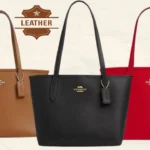
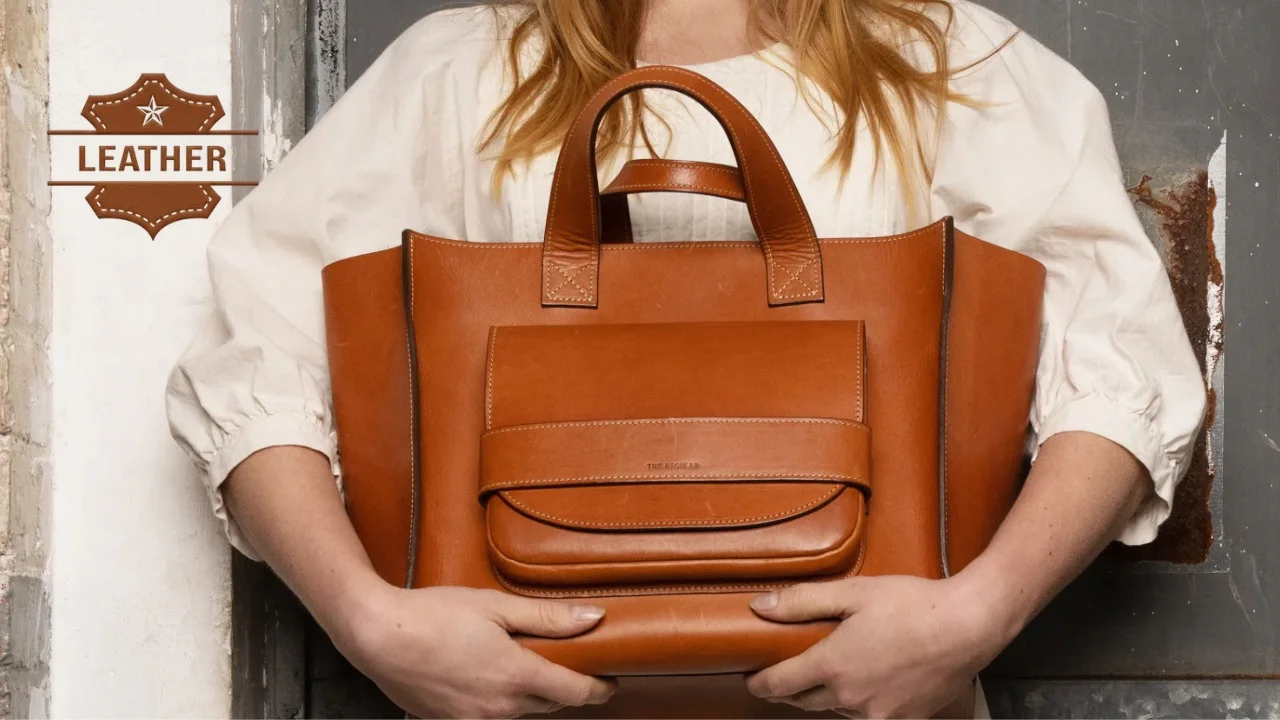
The Vegan Leather Tote Bag has become one of the most desirable fashion essentials in 2026. It sits at the intersection of style, convenience, and conscious consumption. People choose it because it offers the polished look of leather, usually comes at a more accessible price point, and avoids the use of animal-derived materials. For many buyers, that combination is exactly what modern fashion should deliver: practical, attractive, and ethically aligned.
But there is an important truth that many blogs gloss over:
Not every vegan leather tote bag is built the same.
Some are crafted with durable, refined materials that keep their shape, resist wear, and stay presentable for years. Others are made from low-grade coatings and weak backing fabrics that begin to peel, crack, wrinkle, or sag after only a short period of use. The difference is not just cosmetic. It affects durability, comfort, maintenance, long-term value, and overall satisfaction.
That is why the real buying decision goes far beyond color or brand name. The most important factors are the material composition, construction quality, stitching strength, strap reinforcement, lining, and structural design. In other words, the value of a vegan leather tote is not determined by appearance alone. It is determined by engineering, materials science, and practical function.
What Is a Vegan Leather Tote Bag?
A vegan leather tote bag is a large, open-top or semi-structured bag made without animal leather. Instead, it uses synthetic or plant-based materials designed to imitate the look, feel, and visual texture of traditional leather.
A typical tote is known for being spacious, practical, and easy to carry. When combined with vegan leather, it becomes a versatile accessory suitable for work, errands, travel, shopping, and everyday life. Many models are designed to be minimal, elegant, and highly functional, which is why they remain so popular across different age groups and style preferences.
Key characteristics of a vegan leather tote bag
A quality tote usually includes the following traits:
- a roomy interior
- two shoulder straps or handles
- lightweight construction
- a clean, minimal, or structured silhouette
- enough space for essentials such as a wallet, phone, notebook, or tablet
- flexibility for daily use across multiple settings
Common materials used
The term “vegan leather” is broad. It usually refers to one of these materials:
- PU leather (polyurethane)
- PVC leather (polyvinyl chloride)
- plant-based leather such as apple leather, pineapple leather, or mushroom leather
Each material performs differently in terms of softness, breathability, appearance, environmental profile, and lifespan. This is why the material label matters so much.
Why do people prefer vegan leather?
Compared with traditional leather, vegan leather is often:
- more affordable
- animal-free
- easier to maintain
- available in a wide range of colors and finishes
- suitable for fashion buyers who want a modern alternative
That said, “vegan” does not automatically mean sustainable, durable, or premium. Some vegan materials are far better than others. That is where informed comparison becomes essential.
A Brief History of Vegan Leather Tote Bags
The concept of leather alternatives is not new, but the modern vegan leather tote bag became widely visible only in recent decades. Fashion, technology, and consumer values all played a role in its rise.
Evolution timeline
| Period | Development |
| 1950s | PVC-based leather alternatives enter the market |
| 1990s | PU leather becomes more common and more flexible |
| 2010s | Ethical and cruelty-free fashion gains momentum |
| 2020s | Plant-based leather innovation expands rapidly |
Why did it become popular
Several trends pushed vegan leather into the mainstream:
- A greater awareness of animal welfare
- more interest in ethical shopping
- demand for low-maintenance accessories
- improvements in synthetic and bio-based material technology
- Social media influence on fashion preferences
- consumer interest in sustainability and transparency
Today, vegan leather tote bags are no longer viewed only as substitutes. In many cases, they are chosen as primary fashion pieces because they offer a strong balance of aesthetics, utility, and accessibility.
Types of Vegan Leather Materials: The Critical Breakdown
If you are buying a vegan leather tote bag, this is the section that matters most. Material choice affects every other aspect of the bag, including touch, appearance, resistance to wear, and long-term value.
PU Leather: The Most Popular Choice
PU leather stands for polyurethane leather. It is one of the most widely used materials in vegan fashion because it is soft, flexible, and relatively affordable.
Advantages of PU leather
- smooth and comfortable feel
- visually close to real leather
- lighter than many traditional leather products
- budget-friendly
- easier to clean than natural leather
- generally more breathable and more refined than PVC
Best use cases
PU leather is often ideal for:
- office totes
- daily carry bags
- casual fashion use
- travel-friendly tote bags
- buyers who want style without a high price tag
Reality check
Not all PU leather is equal. High-Quality PU can remain attractive for several years, especially when paired with strong stitching and stable backing fabric. Lower-grade PU, however, may begin peeling, stiffening, or developing surface cracks much sooner.
A realistic lifespan for a decent PU tote can be around 2 to 5 years, depending on the quality of the coating, the strength of the base material, and how carefully the bag is used.
PVC Leather: The Budget Option
PVC leather is made from polyvinyl chloride. It is usually the cheapest leather-look material and is often chosen for low-cost mass production.
Disadvantages of PVC leather
- Can feel synthetic and plastic-like
- Less breathable than PU
- Often less comfortable in daily use
- Typically more rigid and less refined
- More vulnerable to cracking over time
- Usually weaker in terms of environmental profile
Best use cases
PVC may suit:
- very limited budgets
- occasional or low-frequency use
- temporary fashion use, where price matters more than longevity
Expert view
PVC is often shiny, stiff, and visually obvious as a synthetic product. It can look appealing at first glance, especially in bright retail lighting, but that early shine can be misleading. In many cases, PVC bags have the shortest practical lifespan of the major vegan leather categories.
For long-term value, PVC is usually the least favorable choice.
Plant-Based Leather: The Premium Direction
Plant-based leathers represent the most innovative segment of the market. These materials are often made from agricultural byproducts or bio-based sources such as apples, pineapples, mushrooms, or other plant matter.
Examples of plant-based leather
- apple leather
- pineapple leather
- mushroom leather
- other bio-derived composites
Advantages
- attractive sustainability story
- modern, innovation-driven material profile
- premium branding potential
- often soft and visually sophisticated
- appealing to eco-conscious buyers
Important reality
Plant-based leather is not always fully free of synthetics. Many versions still require a backing material or binder to improve structure and durability. That does not make them useless or misleading, but it does mean buyers should understand the exact composition rather than assuming the product is entirely natural.
Best use cases
Plant-based leather is a strong choice for:
- premium buyers
- sustainability-focused shoppers
- design-conscious consumers
- people looking for next-generation material innovation
If you want a tote that feels more future-facing and aligned with ethical fashion trends, plant-based leather is often the most compelling category.
Vegan Leather Tote vs Real Leather Tote Bags
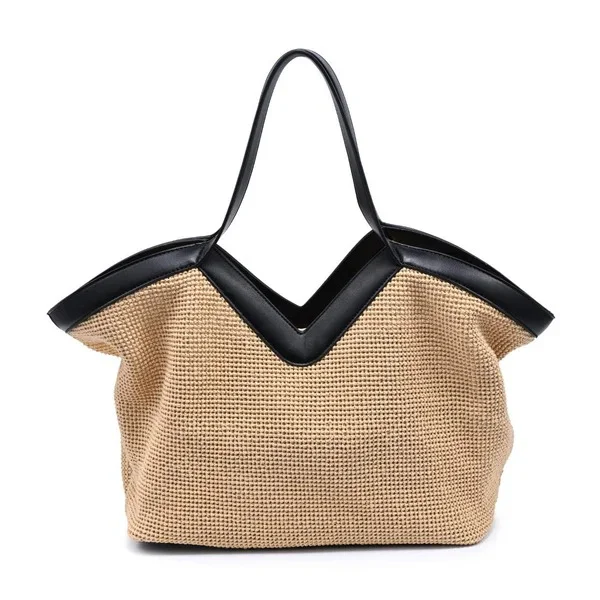
The comparison between vegan leather and real leather is not always simple, because each material serves a different kind of buyer. Real leather is usually stronger in long-term wear and aging. Vegan leather, meanwhile, often wins on price, weight, and animal-free design.
| Feature | Vegan Leather Tote | Real Leather Tote |
| Price | More affordable | More expensive |
| Durability | Medium, varies by quality | Very high |
| Maintenance | Easier | Needs more care |
| Sustainability | Depends on the material type | Natural material, but animal-based |
| Aging | May peel or crack if low-grade | Often develops patina |
| Weight | Usually lighter | Usually heavier |
Verdict
Choose vegan leather if your priorities are:
- affordability
- cruelty-free fashion
- lighter weight
- easy maintenance
- modern styling
Choose real leather if your top priority is:
- maximum longevity
- natural aging
- traditional craftsmanship
- long-term investment value
For many shoppers, a high-quality vegan tote is the right compromise between style and practicality.
Traditional Leather vs Vegan Leather: Material Comparison
Understanding how vegan leather compares with traditional leather helps set realistic expectations.
| Material | Quality Level | Typical Durability |
| Full-grain leather | Premium | 10–20 years |
| Top-grain leather | High | 5–10 years |
| Genuine leather | Medium | 3–5 years |
| PU leather | Medium | 2–5 years |
| PVC leather | Low | 1–2 years |
This comparison shows something important: vegan leather usually competes most directly with genuine leather, not with premium full-grain leather. If a tote is made from good PU or strong plant-based material, it can offer respectable performance. But it should not be expected to behave like the best natural leather over a decade of use.
How Vegan Leather Tote Bags Are Made
Understanding the manufacturing process helps you recognize why some bags perform better than others.
Basic production process
Base fabric
The foundation is typically cotton, polyester, or another woven backing material.
Coating
A layer of PU or PVC is applied over the base fabric to create a leather-like surface.
Texturing
Embossing or surface treatment adds grain, texture, and a more realistic appearance.
Coloring and finishing
The Material is dyed and sealed with a protective coating for appearance and surface resistance.
Cutting and stitching
The panels are cut into shape and sewn into the final tote structure.
Why the process matters
A tote made with multiple protective layers, better stitching, and stronger lining usually performs better in real-world use. The material might look similar on the outside, but internal craftsmanship often determines whether the bag stays usable or begins falling apart early.
How to Identify High-Quality vs Cheap Vegan Leather
A buyer does not need to be an expert manufacturer to recognize quality differences. A few close observations can reveal a lot.
High-quality vegan leather usually looks like this
- soft but structured surface
- matte or balanced finish rather than excessive shine
- even color consistency
- clean edges
- flexible but not flimsy
- low chemical odor
- smooth stitching and durable hardware
Cheap vegan leather often looks like this
- overly shiny surface
- stiff or overly plastic feel
- weak edge finishing
- visible rough seams
- sharp chemical smell
- thin straps or weak handle reinforcement
- poor shape retention
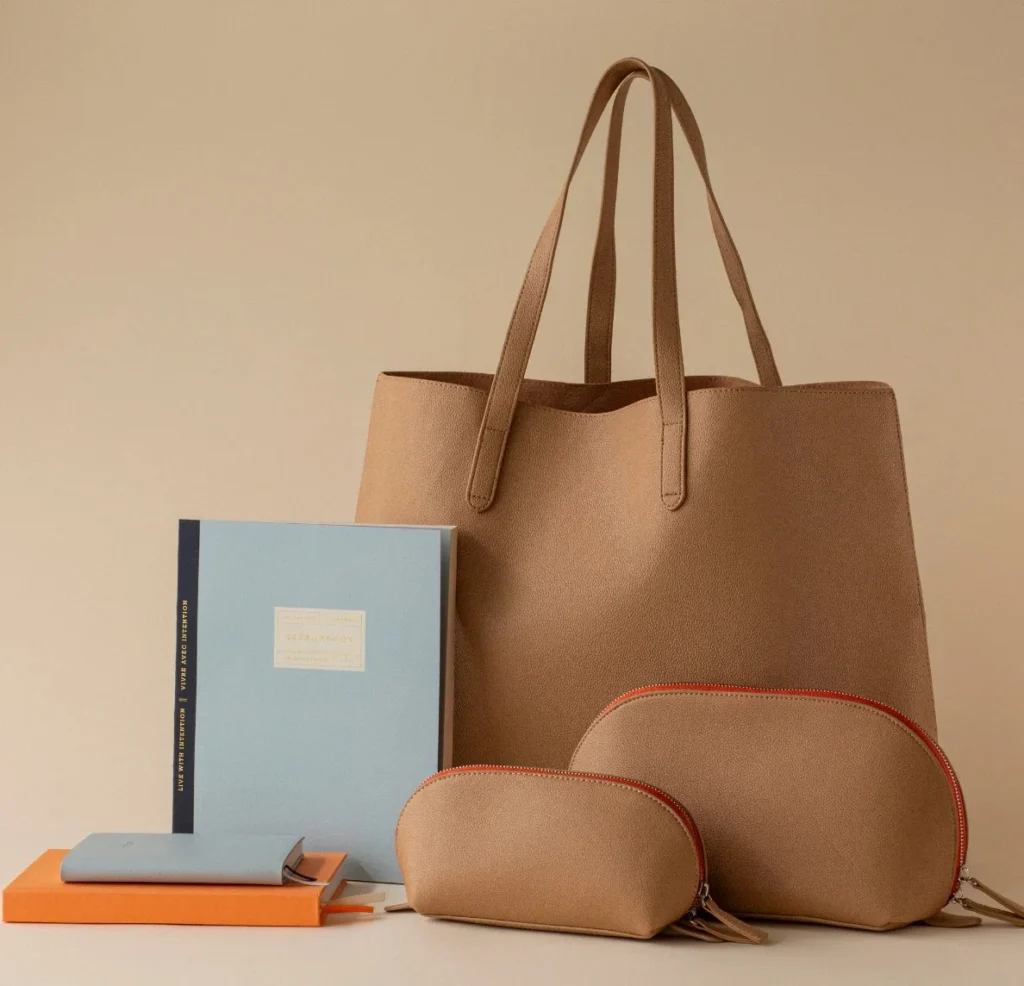
Simple quality checklist
| Feature | High Quality | Low Quality |
| Texture | Soft and refined | Plastic-like and glossy |
| Smell | Neutral or mild | Strong chemical odor |
| Flexibility | Balanced and smooth | Stiff or brittle |
| Edges | Clean and neat | Rough or uneven |
| Shape retention | Strong | Sagging or collapsing |
What Makes a Vegan Leather Tote Bag Worth Buying?
A good tote bag should do more than look attractive in product photos. It should work in daily life.
The best features to look for
Good internal organization
At least a few compartments are useful for separating essentials. Many users benefit from a dedicated pocket for phones, keys, pens, chargers, or makeup items.
Laptop compatibility
If you use the bag for work, look for a sleeve or padded section that can protect a laptop or tablet.
Reinforced straps
Handles are one of the most common failure points in tote bags. Strong, reinforced straps can make a major difference in long-term durability.
Structured body
A tote with decent structure holds its shape better and looks more polished over time.
Water resistance
This matters for commuting, light rain, everyday spills, and general practicality.
Strong stitching
Tight, even stitching is a sign of careful construction. Weak or loose stitching often predicts early failure.
Reliable lining
The inside of the bag should feel sturdy, not flimsy. A well-lined tote is often more durable and more comfortable to use.
Buying Guide: What to Check Before Purchase
When choosing a vegan leather tote bag, the smart approach is to match the bag to your use case rather than buying based only on appearance.
Define your purpose
Ask yourself how the tote will actually be used.
- Work use: choose a structured tote with compartments and laptop space
- Travel use: choose a larger, lightweight tote with capacity
- Daily use: choose a comfortable, medium-size tote
- Fashion use: choose a stylish tote with a refined finish and silhouette
Select the right material
- Best value: premium PU leather
- Best eco-conscious choice: plant-based leather
- Lowest-cost option: PVC, though durability is limited
Check size and layout
A tote that is too small will be impractical. A tote that is too large may become heavy and awkward. Many buyers are best served by medium-to-large options that can fit daily essentials without becoming bulky.
Inspect stitching
The stitching should be tight, straight, and consistent. Loose seams, exposed thread ends, and irregular joins are warning signs.
Examine the handles
The straps should be reinforced where they connect to the body of the bag. Handles take repeated strain, so weak attachment points are a major risk.
Look at the interior
A cheap-looking interior often reflects cheap construction overall. A sturdy lining, secure pocket placement, and clean finishing can all add value.
Compare price against lifespan
A low price is not a bargain if the bag fails quickly. Think in terms of cost per year of use. A slightly more expensive tote that lasts much longer may be the better investment.
Types of Vegan Leather Tote Bags
Different tote styles serve different needs. Understanding the type helps narrow your search.
Work tote bags
These are designed for office, commute, and professional environments. They often have:
- laptop compartments
- structured shape
- neutral colors
- secure pockets
- strong handles
Travel tote bags
Travel totes are typically larger and lighter, built to carry more items.
- roomy capacity
- easy access interior
- broad shoulder support
- comfortable carrying experience
Minimalist totes
These are simple, clean, and usually versatile.
- understated styling
- everyday appeal
- lightweight design
- easy to pair with different outfits
Luxury vegan totes
These emphasize design, finish, branding, and premium presentation.
- refined materials
- structured appearance
- elegant hardware
- elevated visual identity
How to Choose the Best Vegan Leather Tote Bag for You
The “best” tote depends on your lifestyle, not just your budget.
A simple decision framework
For low budgets
Choose a basic PU tote with Good Stitching and reinforced handles. Avoid the cheapest, flimsiest options.
For medium budgets
Choose a premium PU tote with a structured build, better lining, and practical compartments.
For high budgets
Choose a plant-based leather tote or a high-end PU design with strong craftsmanship and better sustainability claims.
Decision table
| Budget | Best Choice |
| Low | Basic PU tote |
| Medium | Premium PU tote |
| High | Plant-based leather tote |
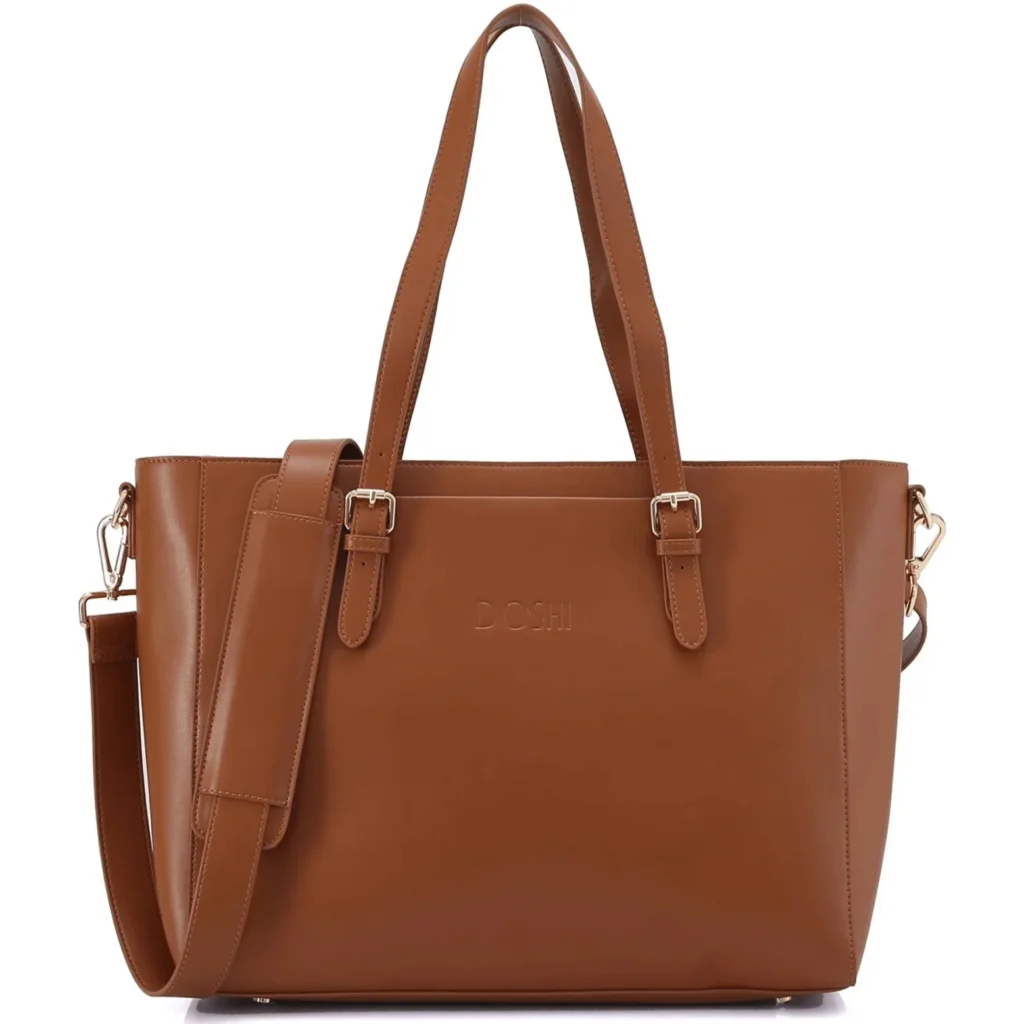
Questions to ask yourself
- Will I carry a laptop?
- Do I need a bag for work or casual use?
- Do I prefer a structured or relaxed shape?
- Is durability more important than design?
- Do I want a fashion item or an everyday utility bag?
Answering these questions narrows the field quickly and helps avoid impulse purchases.
The Role of Style and Design
A tote bag is practical, but it is also part of personal style. That means the visual profile matters.
Popular style directions
Minimalist style
Clean lines, plain surfaces, and subtle hardware. This style works well in professional environments.
Modern classic style
A timeless silhouette with balanced proportions and neutral tones.
Luxury-inspired style
Elevated finishes, polished edges, premium-looking handles, and refined shapes.
Casual everyday style
More flexible, relaxed, and easy to wear with informal outfits.
What to consider visually
- color versatility
- finish texture
- hardware tone
- strap width
- bag proportion
- shape retention
- overall visual balance
A tote that matches your wardrobe will be used more often and feel like a better purchase.
Pros and Cons of Vegan Leather Tote Bags
Like any product category, vegan leather totes have strengths and limitations.
Pros
- cruelty-free
- generally affordable
- fashion-friendly
- lightweight
- easy to maintain
- available in many styles and colors
- Can be water-resistant depending on the material
Cons
- Some versions peel or crack
- Durability varies widely
- Not all options are truly sustainable
- Cheap models may look synthetic
- Lifespan can be shorter than that of premium natural leather
The key is to buy carefully. Vegan leather is not automatically inferior, but it does require more attention to quality details.
Common Mistakes to Avoid
Many shoppers make the same mistakes when buying vegan leather tote bags.
Buying the cheapest option without checking the material
A very low price can signal poor coating, weak stitching, and bad finishing.
Ignoring the actual leather type
PU, PVC, and plant-based leather perform very differently. Do not assume they are interchangeable.
Focusing only on appearance
A tote may look stylish in photos but fail quickly under regular use.
Overloading the bag
Even a strong tote can wear out faster if it is constantly overloaded.
Falling for vague eco claims
Not every “eco-friendly” label is backed by strong material transparency. Always look deeper.
Neglecting handle reinforcement
Many bags fail at the strap connection points long before the rest of the bag wears out.
Forgetting about maintenance
Even synthetic bags need care. Dust, moisture, heat, and poor storage can shorten their usable life.
How to Care for a Vegan Leather Tote Bag
Proper care can make a noticeable difference in how long your tote stays attractive and functional.
Do’s
- Wipe the surface with a soft, damp cloth
- Store the bag in a dust cover when not in use
- keep it in a cool, dry place
- Gently reshape it if it begins to lose form
- clean spills quickly
- Use compartments wisely to avoid overstretching
Don’ts
- Do not expose it to harsh sunlight for long periods
- Do not place it near strong heat sources
- Do not overload it regularly
- Do not scrub aggressively
- Do not use harsh chemicals unless specifically recommended
- Do not fold or crush it during storage
Why care matters
A well-cared-for vegan leather tote can last significantly longer than a neglected one. In many cases, basic care habits can extend the useful life by 30–50% or more, depending on material quality.
Price Range of Vegan Leather Tote Bags Around the World
Prices vary by region, brand, material, and finish. A tote that is considered Affordable in one market may be mid-range in another.
| Region | Typical Price Range |
| USA | $25 – $200 |
| UK | £20 – £150 |
| Europe | €25 – €180 |
| Middle East | $30 – $220 |
What affects price?
- material type
- brand position
- craftsmanship
- size and structure
- hardware quality
- lining and interior design
- sustainability or premium claims
- retail channel and distribution
Premium vegan tote bags can exceed these ranges, especially when brand image, design detail, or innovative material technology are involved.
Top Countries and Regions Known for Vegan Tote Bag Interest
Certain fashion markets are especially influential in this category.
Italy
Known for design heritage, refined aesthetics, and high craftsmanship standards.
USA
Often associated with innovation, direct-to-consumer brands, and broad market variety.
UK
Strong interest in sustainable fashion, ethical shopping, and versatile everyday accessories.
Europe more broadly
A major market for both minimalist design and sustainability-driven consumer choices.
These regions shape many of the trends that appear in vegan handbag design and material development.
Why Material Transparency Matters
One of the most important habits a buyer can develop is reading product descriptions carefully. “Vegan leather” can mean many things, and some retailers use the phrase loosely.
What to look for in product details
- the exact material type
- whether the bag is PU, PVC, or plant-based
- base fabric composition
- lining material
- hardware material
- care instructions
- country of manufacture
- sustainability claims with supporting explanation
Why this matters
Transparency helps you compare products fairly. A tote made with dense, high-grade PU and strong lining is not the same as a tote made from thin PVC-coated fabric, even if both are labeled “vegan leather.”
Best Features in a Functional Vegan Leather Tote
A truly practical tote should balance aesthetics with use value.
Ideal features
- laptop compartment
- reinforced straps
- water-resistant exterior
- smooth zipper or secure closure
- interior organization pockets
- durable base
- structured silhouette
- easy-to-clean surface
- comfortable shoulder drop
- lightweight feel
A functional tote is not just a fashion statement. It is a tool that should simplify your day.
Longevity Expectations: What to Realistically Expect
One reason buyers become disappointed is that they expect every vegan leather tote to perform identically. That is not realistic.
General durability expectations
- Low-grade PVC: often the shortest lifespan, especially under frequent use
- Basic PU: moderate lifespan with proper care
- Premium PU: much better durability and appearance retention
- Plant-based leather: promising long-term potential, though quality varies by formulation
Factors that influence lifespan
- frequency of use
- weight carried
- climate exposure
- storage habits
- stitching quality
- strap reinforcement
- coating thickness
- surface maintenance
A tote that is used daily for work will age differently from one used occasionally for social outings. Buyers should match expectations to actual usage.
Sustainability Considerations
Many shoppers choose vegan leather because they want a more ethical option. That is a valid reason, but the sustainability picture is more complex.
Important sustainability questions
- Is the material plant-based, or is it fully synthetic?
- Does the product contain recycled content?
- Is the bag made to last, or designed for fast replacement?
- Is the manufacturing process transparent?
- Does the brand explain its environmental claims clearly?
Key point
A vegan bag is not automatically a sustainable bag. Some vegan materials are better than others, and longevity itself is part of sustainability. A durable tote that lasts longer often creates less waste than a cheap tote that must be replaced repeatedly.
When a Vegan Leather Tote Is the Right Choice
A vegan leather tote bag is especially suitable when you want:
- a stylish everyday bag
- an ethical and animal-free option
- a lighter alternative to heavy leather
- easy maintenance
- a good balance between price and appearance
- a versatile accessory for work or casual use
It is especially valuable for buyers who prefer a polished look without the cost or care requirements of real leather.
When You Should Be More Careful
A vegan tote may not be the best choice when:
- You need extremely long-term durability
- You expect natural aging and patina
- You plan to carry very heavy items daily
- The product is made from very cheap PVC or a thin coating
- The seller is vague about materials and construction
In these cases, examining product specifications becomes even more important.
FAQs
A: Yes, a vegan leather tote bag can be durable, but durability depends heavily on material and construction quality. High-quality PU and some plant-based leathers can last several years with proper care, while cheap PVC or thin coatings may wear out much sooner.
A: Not always. Some vegan leathers are more sustainable than others. Plant-based versions are often better from an environmental perspective, but many vegan leathers still use synthetic components. True eco-friendliness depends on materials, manufacturing, and product lifespan.
A: Yes, for style, affordability, and ethical preferences, vegan leather can absolutely replace real leather for many buyers. For maximum durability and long-term aging, however, real leather still has an advantage.
A: For most buyers, PU leather offers the best overall value because it balances cost, appearance, and usability. For environmentally conscious shoppers, plant-based leather is often the most appealing choice, especially in premium tote designs.
A: Low-quality vegan leather bags can peel, especially when made from weak PVC or inexpensive PU with poor finishing. Higher-quality bags are less likely to peel quickly, but they still require proper use and care.
Conclusion
The vegan leather tote bag has moved far beyond being a simple trend item. In 2026, it stands as a practical, stylish, and increasingly sophisticated fashion choice for buyers who want an animal-free bag that still looks polished and feels modern.
However, the smartest shoppers understand a crucial principle:
The material and construction matter far more than the label alone.
A good vegan leather tote bag should not only look attractive on a product page. It should feel balanced in the hand, hold its structure, support daily use, and remain functional over time. That means paying attention to the Exact Material, the quality of the stitching, the strength of the handles, the interior design, and the bag’s overall build.