Introduction
A woman’s leather jacket transcends mere outerwear; it’s an indispensable staple in any fashion-savvy individual’s Collection. This versatile garment has the remarkable ability to transform an ordinary ensemble into something strikingly chic, offer reliable shelter from cooler temperatures, and endure for decades with proper attention. In this comprehensive 2026 edition, we delve deeply into the myriad styles available, the crucial distinctions among various leather materials, the intricate processes involved in crafting these pieces, strategies for discerning authentic products from counterfeits, essential upkeep practices, and realistic expectations for costs across global markets.
Crafted in straightforward, accessible language, this resource is designed for swift comprehension and practical application, whether you’re gearing up for a shopping excursion, developing merchandise descriptions, or curating an e-commerce inventory. By the end, you’ll possess the knowledge to make informed decisions that enhance both your style and the longevity of your investments. Let’s embark on this journey through the world of women’s leather apparel, exploring every facet with clarity and depth to empower your choices in 2026 and beyond.
What is a Women’s Leather Jacket?
A woman’s leather jacket represents a specialized form of outerwear tailored specifically to accommodate the contours and proportions typical of feminine physiques. It features precise cuts and contours that harmonize with the shoulders, bust, and natural curves of the body, ensuring comfort and an aesthetically pleasing drape. These jackets can be constructed from a spectrum of materials, including:
- Authentic hides such as full-grain, top-grain, lambskin, cowhide, and goatskin varieties.
- Synthetic alternatives like polyurethane (PU) or plant-based vegan options.
Key components that influence overall quality and performance include the primary material (its specific category), the internal fabric layer, the fastening mechanisms such as zippers or buttons (collectively known as hardware), the seam construction and threadwork integrity, and the surface treatment (ranging from aniline to pigmented or waxed coatings). Understanding these elements is fundamental to appreciating the craftsmanship behind each piece and selecting one that aligns with your lifestyle needs. For instance, the choice of material not only affects aesthetics but also dictates breathability, flexibility, and resistance to environmental factors, making it a cornerstone of any informed purchase.
Why Every Woman Needs a Leather Jacket
The allure of a leather jacket lies in its multifaceted appeal, making it an essential addition to every woman’s wardrobe repertoire.
- Aesthetic Enhancement: It effortlessly elevates mundane attire, infusing an air of sophistication and edge to everyday ensembles.
- Resilience: High-quality hides outlast numerous synthetic fabrics, providing exceptional longevity with minimal degradation over time.
- Adaptability: This garment seamlessly complements a wide array of outfits, from relaxed denim pairings to elegant frocks or professional attire.
- Long-Term Worth: A meticulously crafted jacket evolves into a timeless heirloom, retaining value and charm through years of use.
Beyond these practical benefits, leather jackets symbolize empowerment and individuality, allowing women to express their personal style while benefiting from the material’s natural insulating properties. In a fast-fashion era dominated by disposable trends, investing in such a durable piece promotes sustainability and conscious consumption, aligning with modern values of quality over quantity. Whether you’re navigating urban streets or attending social gatherings, a well-chosen leather jacket serves as a reliable companion that adapts to diverse occasions, underscoring its indispensable status in contemporary fashion narratives.
Top Leather Jacket Styles for Women
In the evolving landscape of 2026 fashion, women’s leather jackets offer a diverse array of silhouettes, each with unique characteristics and styling potentials. Below, we outline the primary designs, accompanied by succinct suggestions for coordination to maximize their appeal.
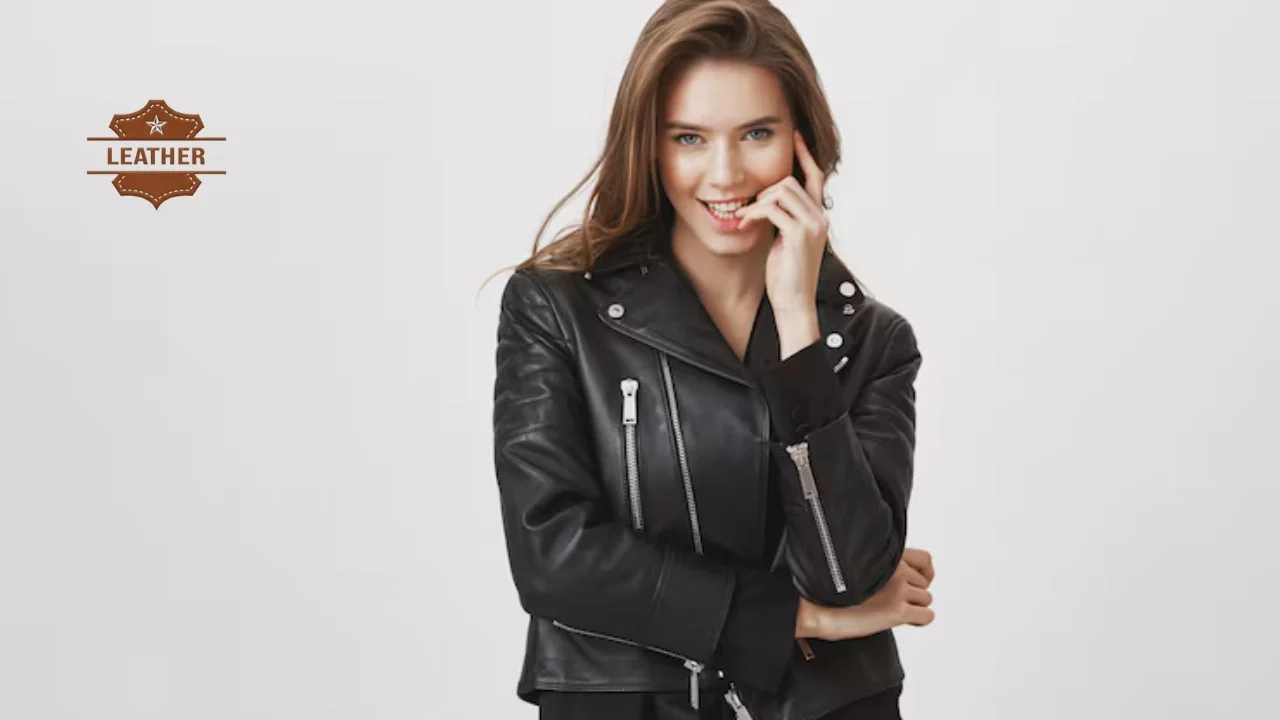
Classic Biker / Moto Jacket
- Characteristics: Featuring an off-center closure, notched collars, robust metal accents, and a mid-torso length.
- Ideal Pairings: Suited for bold, rebellious aesthetics; excels when combined with distressed trousers or flowing skirts.
- Physique Advice: Shorter iterations particularly enhance curvaceous figures by accentuating the waistline.
This iconic style, rooted in motorcycle culture, continues to dominate runways and streetwear, offering a blend of toughness and femininity that resonates with trendsetters seeking a versatile edge.
Bomber Jacket
- Characteristics: Compact in stature, rectangular in form, with elasticated wristbands and lower borders.
- Ideal Pairings: Perfect for laid-back, athletic-inspired ensembles.
- Physique Advice: Opt for supple sheep or young goat hides to maintain form and comfort.
Evolving from military origins, the bomber has been reimagined in leather for 2026, providing a youthful, sporty vibe that’s ideal for transitional weather and casual outings.
Leather Blazer
- Characteristics: Structured tailoring, prominent collars, and an extended silhouette.
- Ideal Pairings: Appropriate for professional or semi-formal settings.
- Physique Advice: Select options with reinforced upper arms to achieve proportional harmony.
This sophisticated variant bridges casual and corporate worlds, making it a go-to for women aiming to infuse professionalism with a touch of luxury.
Trench & Longline Leather Coat
- Characteristics: Extending to the knees or beyond, often secured with a cinched waistband.
- Ideal Pairings: Excellent for theatrical, refined, layered looks.
The longline trench in leather exudes elegance, perfect for colder climates or those desiring a dramatic flair in their outerwear selections.
Cropped / Boxy Jackets
- Characteristics: Abbreviated lower edge, sparse embellishments.
- Ideal Pairings: Flattering for smaller statures, especially when matched with elevated-waist garments.
These modern, minimalist designs cater to contemporary tastes, emphasizing simplicity and ease in everyday wear.
Each style not only caters to different body types but also reflects broader cultural shifts toward inclusivity and personalization in fashion. Ensuring there’s a perfect fit for every woman’s unique silhouette and preference.
How to Choose the Right Women’s Leather Jacket
Selecting the ideal women’s leather jacket requires a systematic approach, focusing on alignment with personal needs and physical attributes. This section provides a detailed framework to guide your decision-making process.
Fit & Silhouette Checklist
Achieving the perfect fit is paramount, as it directly impacts comfort and visual appeal.
- Ensure the upper arm seam aligns precisely with your natural shoulder ridge.
- Verify that arm coverings extend to the wrist joint in a relaxed arm position.
- The midsection should fasten smoothly without undue tension—accommodate space for lightweight layering.
- Conduct a mobility assessment: Extend your limbs ahead—freedom of motion should remain unhindered.
Tailoring Tip
Should the upper arms conform well, skilled alterations can refine arm length and lower borders. However, modifications to the shoulder area prove challenging and expensive, so prioritize initial fit in this region. Professional tailors often recommend trying on multiple sizes. Considering custom options for optimal results, especially in premium selections, where personalization enhances value.
Match the Jacket to the Purpose
Align your choice with intended usage to maximize satisfaction.
- For routine utilization: Select robust bovine hide or superior surface-grain options for enduring performance.
- As a stylistic long-term acquisition: Prioritize unprocessed-grain or young sheep pelts for developing character and tactile allure over time.
- On a financial constraint or fleeting vogue: Opt for premium synthetic polyurethane for transient, thematic acquisitions.
By considering purpose, you ensure the jacket not only looks great but also serves its functional role effectively, whether for daily commutes or special events.
Color & Finish
The hue and treatment significantly influence versatility and maintenance.
- Ebony shade: Offers unparalleled Adaptability across wardrobes.
- Earthy or beige tones: Convey warmth and informality.
- Vibrant dyed hides: Serve as bold declarations; stick to subdued palettes for enduring investments.
Finishes as matte or glossy can further customize the look, with aniline treatments preserving natural textures for a premium feel.
In 2026, sustainable dyes and eco-friendly finishes are increasingly popular, reflecting consumer demand for environmentally responsible fashion choices.
Leather Types Explained
To demystify the options, here’s an expanded table summarizing leather categories, drawing from extensive industry analyses and consumer feedback. This visual aid facilitates quick comparisons, aiding in informed selections.
| Leather Type | Feel & Look | Durability | Best Use | Price Range (approx) |
| Full-Grain | Organic texture develops unique aging characteristics | ★★★★★ Extremely robust | Premium rider or aviator styles | High ($400+) |
| Top-Grain | Refined surface, consistent appearance | ★★★★☆ Sturdy for regular use | Daily fashionable outerwear | Mid–High ($250–$600) |
| Lambskin | Exceptionally plush, lustrous | ★★☆☆☆ Vulnerable to wear | Sleek professional coats, elegant layers | High ($500+) |
| Goatskin | Subtle patterning, pliable | ★★★☆☆ Balanced resilience | Relaxed and fitted ensembles | Mid ($200–$500) |
| Cowhide | Dense, sturdy | ★★★★★ Highly tenacious | Robust cyclist gear, shielding apparel | Mid–High ($250–$700) |
| Corrected / Genuine | Treated for uniformity | ★★☆☆☆ Economical option | Affordable entry-level pieces | Low–Mid ($100–$300) |
| PU / Vegan | Sleek, predictable | ★☆☆☆☆ Limited ventilation | Fashion-forward, ethical trends | Low–Mid ($50–$200) |
Manufacturing Summary Table
| Step | What Happens | Quality Signals |
| 1. Hide Selection | Raw skins were evaluated for imperfections | Source origin and quality grade disclosed |
| 2. Curing & Tanning | Preservation via salting followed by chemical or natural processing | Tanning technique specified (e.g., chrome versus botanical) |
| 3. Splitting & Shaving | Layers separated and thickness adjusted | Uniform depth throughout |
| 4. Dyeing & Finishing | Coloration and surface treatments applied | Consistent pigmentation and fade resistance |
| 5. Cutting & Patterning | Components precisely sectioned for body conformity | Accurate alignment of textures |
| 6. Stitching & Assembly | Joining with internal fabrics | Fortified joins at high-strain zones |
| 7. Hardware Fit | Fasteners and closures integrated | Reputable makers like YKK indicated |
| 8. Final QC | Polishing, sealing, and thorough examination | Pristine borders and traceability markers |
How to Identify Original vs Fake Leather Lab-Style Checklist
Distinguishing genuine from imitation materials is crucial in a market flooded with replicas, especially online. Employ a multi-faceted evaluation combining sensory and physical assessments. Prioritize non-destructive methods to preserve the item’s integrity, test inconspicuous areas, or solicit material samples from sellers.
Smell Test
- Authentic: Emits a warm, organic aroma reminiscent of earth or hide.
- Imitation/PU: Detects artificial, synthetic scents akin to plastics.
Tip: Thick coatings may mask odors; corroborate with additional evaluations.
Look at the Grain
- Authentic: Exhibits uneven, organic patterning with visible follicles.
- Imitation: Displays artificial, repetitive motifs lacking variation.
Edge Check
- Authentic: Reveals a textured, fibrous cross-section.
- Imitation: Presents a sleek, molded perimeter.
Flex & Creasing
- Authentic: Forms random, evolving folds that shift naturally.
- Imitation: Produces uniform, artificial creases.
Water Absorption
- Apply a minuscule droplet to an unseen area.
- Authentic: Gradually integrates the moisture.
- Imitation: Repels and forms droplets.
Heat/Burn Test
- Authentic: Scorches gradually with a protein-like scent.
- Imitation: Liquefies with acrid fumes.
Caution: Restrict to disposable samples to avoid damage.
Label & Provenance
- Seek details on processing origins and LWG endorsements.
- Transparent brands disclose hidden sources, material categories, and manufacturing locales, signaling legitimacy.
What to Check Before You Buy: Quick Buying Guide
Prior to committing, scrutinize these elements to ensure value and satisfaction. This guide serves as a concise audit for both in-person and virtual acquisitions.
- Material Label: Confirm specifics like full/surface-grain versus young sheep versus synthetic.
- Origin & Processor: Inquire about LWG accreditation and production nation.
- Hardware: The presence of branded elements like YKK denotes reliability.
- Stitching: Seek reinforced double lines and secure anchors at pressure points.
- Lining: Comprehensive coverage provides support; evaluate fabric quality for comfort.
- Measurements & Fit: Request dimensions for upper arms, bust girth, arm span, and rear extent.
- Care & Warranty: Demand upkeep guidelines and any service guarantees.
Measurements Checklist to Include on Product Pages
- Upper Arm Breadth (edge to edge)
- Bust Perimeter (armpit level)
- Arm Length (upper seam to end)
- Rear Extent (neck base to bottom)
Incorporating these into listings not only aids sizing accuracy but also reduces returns, enhancing customer experience and operational efficiency for sellers.
Care & Maintenance: Keep Your Jacket Great for Years
Preserving your leather jacket’s splendor demands consistent, gentle routines that counteract natural wear. This extended section outlines foundational practices, detailed procedures, and troubleshooting to extend lifespan significantly.
Core Routine
- Address spots immediately using a gentle, moistened fabric.
- Rejuvenate periodically every quarter to half-year, adjusted for usage intensity and atmospheric conditions. Industry specialists advocate this cadence to avert desiccation and fissures.
- Steer clear of intense warmth sources and prolonged ultraviolet exposure.
- Hang on spacious, cushioned supports within permeable fabric enclosures (eschew synthetic wrappers).
- Engage experts for substantial soiling or fungal issues.
Adhering to these basics ensures your investment remains supple and visually appealing, potentially lasting generations with mindful attention.
Cleaning Steps
- Gently remove particulates and superficial grime with a pliable, water-dampened wipe.
- For greasy marks or blemishes, defer to Specialized cleaners or specialists.
- Allow air-drying, exclusively abstain from artificial drying methods.
These steps minimize risk while effectively managing common exposures, preserving the material’s integrity without aggressive interventions.
Conditioning
- Select a neutral-pH nourisher tailored to your hide variety.
- Trial in a concealed zone to assess compatibility.
- Distribute a sparse coating via a flexible applicator, addressing segments methodically.
- Permit penetration over several hours, then polish softly for sheen.
Conditioning replenishes natural oils, preventing brittleness and enhancing suppleness. For full-grain pieces, it promotes desirable aging, while pigmented types benefit from protection against environmental aggressors. In humid locales like Lahore, more frequent applications may be necessary to combat moisture-induced degradation.
Common Problems & Quick Fixes
- Moisture Marks: Pat dry, allow natural evaporation, then nourish.
- Salt Residues: Cleanse with diluted mild detergent and liquid, flush, desiccate, and revitalize.
- Surface Abrasions: Minor scratches yield to polishing and treatment; severe damages necessitate professional restoration.
- Fungal Growth: Relocate to an arid environment, softly brush, cleanse with weakened isopropyl solution (pre-test), desiccate, and nourish.
Note: Excessive nourishment might alter certain hides’ tones. Invariably adhere to the trial area protocol per manufacturer directives. For advanced issues, consult certified leather restorers who employ specialized tools and solutions, ensuring revival without compromise. Additionally, in 2026, smart storage solutions like climate-controlled wardrobes and UV-protective covers are gaining traction for long-term preservation.
Price Range Worldwide & Best Countries / Brands
Navigating global pricing for women’s leather jackets involves understanding variables like material grade, label prestige, fabrication locale, and accessory quality. This in-depth analysis provides approximate brackets based on 2026 market data, helping you budget effectively.
Global Price Bands
- Economical synthetic / polyurethane: $40–$150, ideal for entry-level experimentation.
- Introductory authentic (modified grain): $100–$300, offering basic genuineness.
- Intermediate surface-grain / goat/bovine: $250–$800, balancing affordability and premium feel.
- Elite unprocessed-grain / young sheep luxury: $800–$3,500+, for heirloom-quality craftsmanship.
Fluctuations arise from factors such as import duties, currency exchanges, and seasonal promotions. Recent editorial compilations indicate numerous solid, authentic options clustering in the $250–$600 spectrum for 2025–2026, providing excellent value without extravagance. In regions like Pakistan, local manufacturing can yield competitive pricing, often 20-30% lower than Western imports due to proximity to tanneries.
Top Countries Known for Leather Work
- Italy: Renowned for opulent processing and couture-level fabrication, producing pieces that blend tradition with innovation.
- USA: Specializes in hardy bovine materials and small-batch workshops, emphasizing American ruggedness.
- UK: Excels in bespoke tailoring and storied labels, focusing on refined, heritage-inspired designs.
- Spain & Portugal: Masters of balanced tanning, delivering accessible luxury with Iberian flair.
- India / Pakistan / Bangladesh: Hubs of voluminous output spanning budget to bespoke, with Pakistan’s Punjab region (including Lahore) noted for skilled artisans and cost-effective sourcing.
Pros & Cons
Pros
- Enduring Aesthetic Appeal: Timeless designs that transcend seasonal fads.
- Exceptional Longevity: With diligent maintenance, it outlives many alternatives.
- Evolving Beauty: Unprocessed varieties gain distinctive character through wear.
- Multifunctional Elegance: Adapts to countless styling scenarios.
Cons
- Initial Financial Outlay: Authentic options demand higher upfront expenditure.
- Maintenance Demands: Requires regular attention to sustain condition.
- Synthetic Limitations: Shorter lifespan and reduced air permeability in faux variants.
Despite drawbacks, the pros overwhelmingly justify the investment for those prioritizing quality and sustainability.
FAQs
A: Yes. A well-made full-grain or good top-grain jacket can last for years and often looks better with age.
A: Avoid heavy rain. If it gets wet, dry naturally and recondition. For very wet climates, choose pigmented or water-treated finishes.
A: Clean and condition it first, hang it on a wide padded hanger, store it in a breathable bag in a cool, dry place.
A: Lambskin is softer and more delicate. Cowhide is tougher and better for rough use.
A: Around every 3–6 months, depending on wear and climate.
Conclusion
A woman’s leather jacket stands as a judicious fusion of fashion and Functionality. A wardrobe cornerstone when chosen with discernment regarding material, conformity, and preservation protocols. Employ this exhaustive manual as your central repository: weave in composition details, dimensional specifics, processing heritage, maintenance counsel, and cost frameworks to cultivate confidence and elevate transaction rates.
Want me to turn this into a WordPress-ready article (with HTML, schema markup, ALT tags, and suggested images + internal links)? Tell me what format you want (HTML, Google Doc, Markdown), and I’ll export it ready to paste.