Men’s Leather Belt Cowboy
A Man’s Leather Cowboy Belt is much more than a basic piece that keeps your denim in place. It works as a striking style item, a tradition-based element, and often a long-term wardrobe asset. When a man picks a cowboy belt, he is not only choosing function. He is selecting personal expression, heritage influence, lasting strength, and individual identity.
Cowboy belts were originally made for demanding work. They were built to carry heavy loads, secure gear, and handle rough outdoor settings. That is why premium cowboy belts use thick hide, tight stitching, sturdy hardware, and a structure designed for durability rather than decoration alone. Over the years, this tough purpose transformed into a clear style statement. Today, the cowboy belt is worn by ranch hands, rodeo lovers, Western fashion fans, streetwear users, and men who prefer strong, masculine looks.
The market today, however, is crowded with vague terms and clever promotion. Many buyers are misled by phrases like “real leather,” “high-end quality,” or “Western look” without fully knowing what they mean. Some belts look attractive at first, but soon begin to crack, peel, stretch, or lose their shape after limited use. Others carry high prices mainly due to brand value, not because of genuine craftsmanship quality.
What is a Men’s Leather Belt Cowboy?
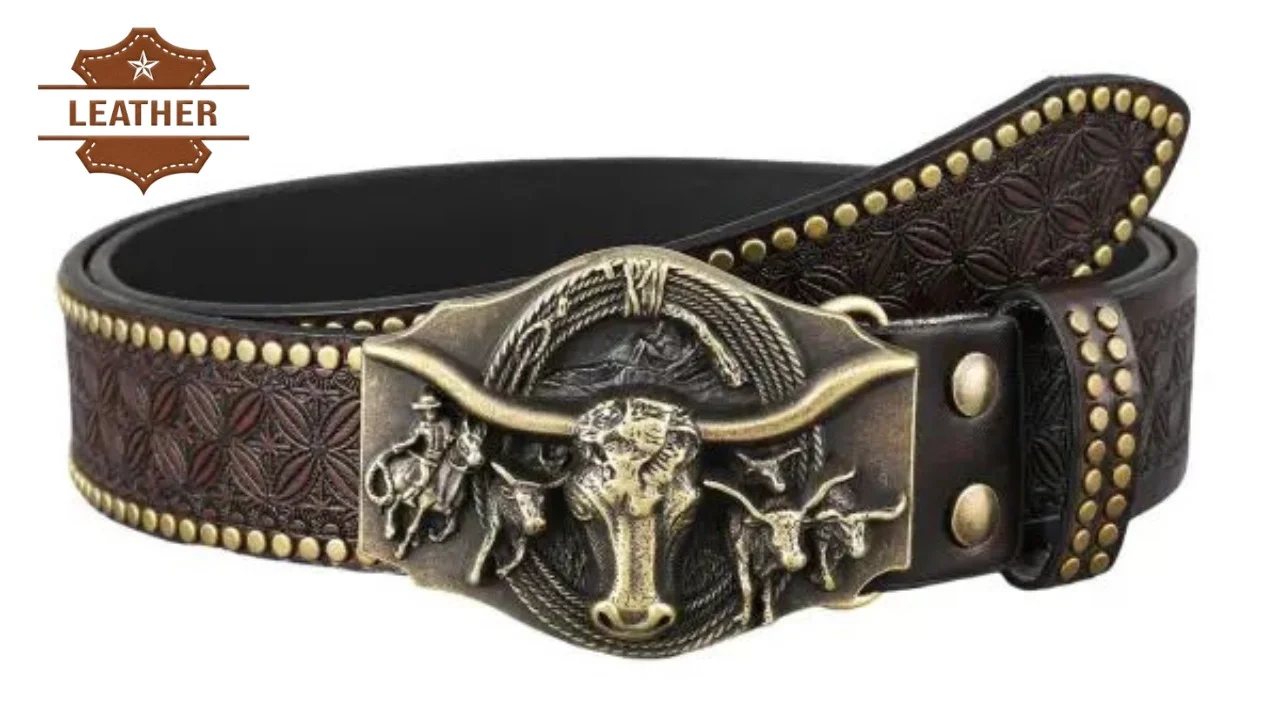
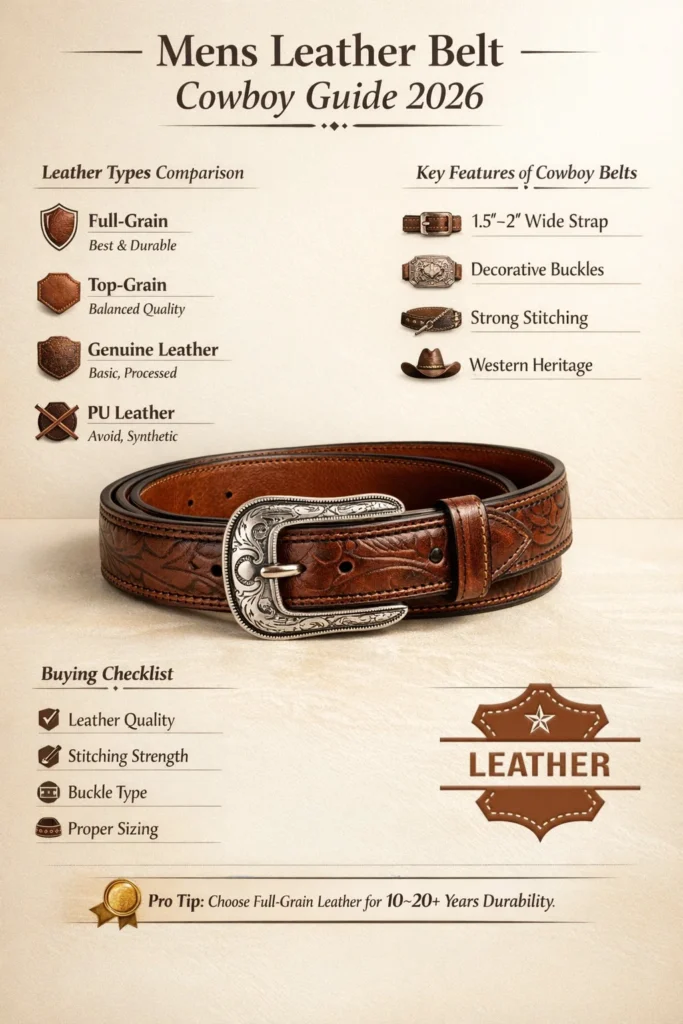
A men’s leather cowboy belt is a wide, sturdy, and visually expressive belt inspired by Western and ranchwear traditions. It is usually designed to be seen, not hidden. Unlike thin dress belts that quietly support formal trousers, cowboy belts are often more assertive in appearance. They may feature bold buckles, decorative tooling, embossed patterns, stitched borders, distressing, or rugged natural textures.
A traditional cowboy belt balances form and function. It must be strong enough to support jeans, comfortable enough for daily wear, and stylish enough to complement boots, denim, and Western shirts. Most cowboy belts are wider than standard belts, commonly around 1.5 inches to 2 inches. That wider profile gives them a stronger visual presence and also adds structural stability.
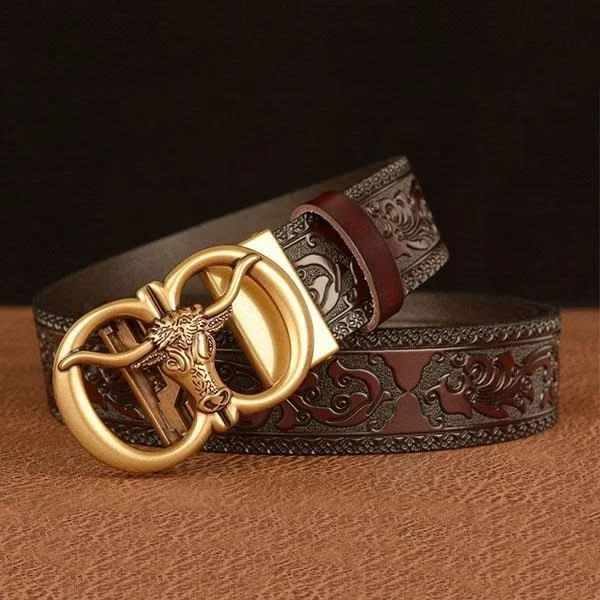
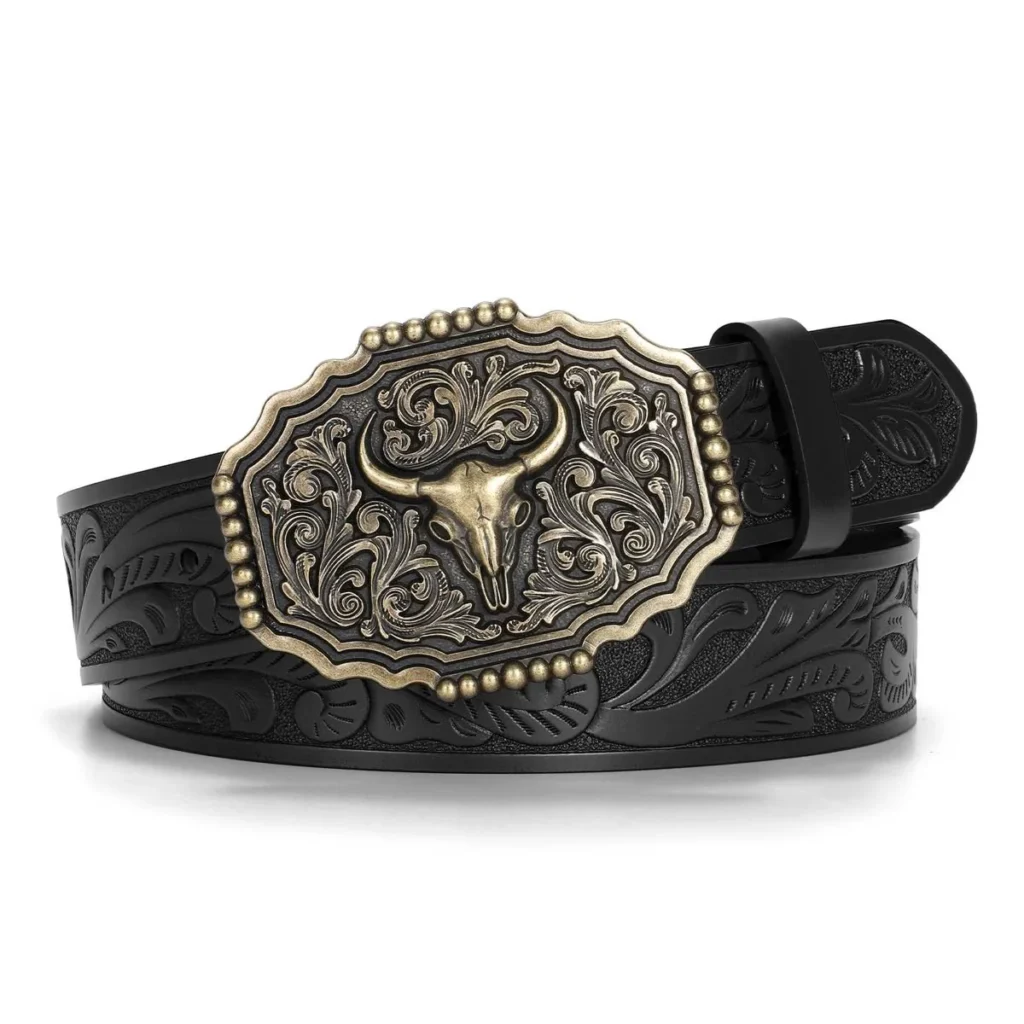
The buckle is another defining feature. Many cowboy belts use larger buckles than regular fashion belts. These buckles can be simple and brushed, or ornate and trophy-inspired. Some are interchangeable, allowing the wearer to switch styles depending on the occasion or outfit. The leather itself is usually thick and built to age well, often full-grain or top-grain rather than low-grade synthetic material.
In practical terms, a cowboy belt is a hybrid product. It is part utility item, part fashion accessory, and part cultural symbol. That blend is what makes it so appealing. A good cowboy belt feels authentic because it carries the look of craftsmanship, heritage, and confidence all at once.
History of Cowboy Leather Belts
The story of cowboy belts begins in the American West during the 1800s. Cowboys, ranch workers, and frontier laborers needed gear that could endure long hours, harsh weather, and demanding physical work. Belts were essential because they helped secure trousers and support the tools, equipment, and practical accessories that outdoor workers relied on.
In the early days, the belt was not mainly about style. It was a tool. It held up heavy denim pants, helped distribute weight, and offered a dependable anchor point for everyday work. As rodeos, horse culture, and Western identity evolved, belts became more visible and decorative. Buckles started to reflect achievements, affiliations, and personal identity. Hand tooling, embossing, and decorative stitching turned simple leather straps into expressive pieces of craftsmanship.
Over time, Western belts became symbols of masculinity, independence, and rugged taste. Their popularity spread beyond the ranch. Musicians, actors, fashion designers, and style-conscious men adopted the cowboy belt because it added character to outfits without looking overly formal. Today, Western belts appear in everyday fashion, festival wear, country style, urban streetwear, and smart-casual looks around the world.
What makes the cowboy belt enduring is its ability to evolve without losing its roots. It still carries the practical spirit of the Old West, but modern versions now blend tradition with comfort, polish, and contemporary styling. That is why the cowboy belt remains relevant year after year.
Why Cowboy Belts Still Matter in 2026
In 2026, men are paying more attention to wardrobe quality, authenticity, and long-lasting value. Fast fashion has made many people more aware of how quickly cheap accessories fall apart. In that context, a well-made leather cowboy belt stands out as a smarter and more sustainable choice.
A strong cowboy belt gives visual structure to an outfit. It can make a plain jeans-and-T-shirt combination feel more intentional. It can add personality to boots and denim. It can also work as a subtle statement in casual or semi-formal settings. Instead of being an afterthought, the belt becomes part of the overall style narrative.
There is also a growing appreciation for craftsmanship. Buyers now want to know where a product comes from, what it is made of, and whether it will hold up over time. A quality leather belt reflects this shift in mindset. It offers physical durability and visual maturity. As the leather ages, it often develops a richer patina, which gives it more character rather than making it look worn out.
A cowboy belt is therefore not just a fashion accessory. It is a long-term companion piece. It can be worn often, styled in multiple ways, and maintained for years if chosen wisely.
Types and Variations of Cowboy Belts
Not every cowboy belt has the same design language. Some are traditional, some are minimal, and some are built primarily for fashion. Choosing the right one depends on how you dress and what you want the belt to communicate.
Classic Western Belt
This is the traditional version most people imagine when they think of a cowboy belt. It often includes bold leather tooling, decorative edge work, a large buckle, and a strong ranch-inspired personality. It is ideal for men who enjoy authentic Western aesthetics and want a belt that stands out.
Classic Western belts work especially well with boots, denim, plaid shirts, and country-style outfits. They are more expressive than ordinary belts and often become the focal point of the look.
Minimal Western Belt
This version keeps the Western spirit but tones down the ornamentation. The leather is still usually thick and durable, but the design is cleaner. The buckle may be smaller and more refined, and the strap might feature subtle stitching rather than heavy tooling.
This style is excellent for men who want a cowboy-inspired look without appearing overly dramatic. It pairs well with casual outfits, everyday jeans, and modern wardrobes that lean toward simplicity.
Rodeo Belt
Rodeo belts are designed for visibility and impact. They often feature larger buckles, more decorative metalwork, and a bolder personality overall. Some are trophy-style belts, while others are inspired by rodeo competition aesthetics.
This type of belt is ideal for events, celebrations, country music settings, and style-forward looks where the belt is meant to be noticed. It is not subtle, and that is exactly the point.
Ranger Belt
A ranger belt is generally a narrower, more structured Western belt that often includes reinforced construction. It may have a vintage-inspired appearance and a strong old-school feel. The design is usually functional, sturdy, and elegant in a rugged way.
This style is perfect for men who appreciate heritage aesthetics and want something less flashy than a rodeo belt but more character-rich than a basic belt.
Fashion Cowboy Belt
This category includes belts that borrow from cowboy style but are designed for contemporary fashion use. These belts may be lighter, more affordable, and less traditional in structure. They often focus on visual appeal rather than pure durability.
Fashion cowboy belts can still look great, especially for casual wear. However, buyers should be careful to separate trend-driven styling from genuinely strong construction.
Leather Types Used in Cowboy Belts
This section matters more than almost anything else in the buying process. The leather used in the belt determines durability, aging behavior, comfort, appearance, and overall value. A Stylish Buckle cannot compensate for weak leather. A beautiful belt that cracks after a few months is a poor purchase.
Leather Comparison Table
| Leather Type | Quality | Durability | Appearance | Price | Verdict |
| Full-Grain | Highest | Excellent | Natural and rich | $$$ | Best |
| Top-Grain | Very High | Very Good | Smooth and refined | $$ | Great |
| Genuine Leather | Medium to Low | Moderate | Processed | $ | Misleading |
| PU Leather | Low | Poor | Artificial | $ | Avoid |
Full-Grain Leather
Full-grain leather is the highest-quality leather commonly used in premium belts. It comes from the outermost layer of the hide and retains the natural grain. This means the leather keeps its original texture, markings, and strength. Because it has not been heavily corrected or sanded, it is typically stronger, more durable, and more capable of aging beautifully.
A full-grain belt often develops a patina over time. That patina is a desirable change in tone and texture that gives the belt depth and character. Instead of looking older in a bad way, it looks more distinguished. This is one of the reasons full-grain leather is considered a premium investment.
If you want a cowboy belt that can last for many years and improve with use, full-grain leather is the best choice.
Top-Grain Leather
Top-grain leather is also high quality, though it is slightly more processed than full-grain. The surface is sanded or finished to create a smoother, more uniform look. This can make it visually refined and easier to style for men who prefer a cleaner aesthetic.
Top-grain leather still offers strong performance and a long lifespan, though it may not develop the same rich patina or rugged texture as full-grain. For many buyers, it represents an excellent balance between price and quality.
Genuine Leather
The phrase “genuine leather” confuses a lot of shoppers because it sounds premium. In reality, it often refers to a lower layer of the hide or a leather product that has been heavily processed. It may be acceptable for budget-conscious buyers, but it is not a marker of exceptional quality.
Many belts labeled as genuine leather are produced to look appealing at a lower cost, but they may not age well. They can be more prone to cracking, peeling, and losing shape under regular use. This is why the term should not be taken at face value.
PU Leather
PU leather is synthetic, not natural. It may look attractive in photos and can be inexpensive, but it is not a long-term solution for anyone who values durability. It tends to peel, crack, and degrade much faster than real leather. It also lacks the texture, smell, and aging behavior that make leather desirable in the first place.
For a cowboy belt, PU leather is generally the weakest choice.
How to Read Leather Labels the Smart Way
A high-quality belt should tell you more than just “leather.” The label should ideally identify the leather grade, construction method, and sometimes even tanning process. Smart buyers look beyond marketing language and read the description carefully.
When a product says “full-grain leather,” that is a strong sign. When it says “top-grain leather,” that can still be good. When it simply says “genuine leather,” you need to investigate further. When it says “bonded leather” or “PU leather,” it usually means the product is built for budget appeal rather than premium longevity.
You should also look for transparency about the buckle material, stitching, edge finishing, and country of manufacture. A trustworthy seller usually gives clear and specific information, not vague claims.
Manufacturing Process: How a Good Cowboy Belt Is Made
Understanding the production process helps you identify quality instantly. A belt is more than a strip of leather with metal attached. A good one passes through several important stages that affect strength, appearance, and comfort.
Hide Selection
The process begins with selecting the right hide. Premium belts are made from high-quality cowhide that has a consistent structure and enough thickness for daily wear. The hide selection stage determines much of the final product’s strength.
Tanning
Tanning stabilizes the leather and helps preserve it. Vegetable tanning is often associated with premium leather because it is slower, more traditional, and can produce a rich finish. Chrome tanning is faster and cheaper, and while it has its place, it may not deliver the same heritage feel.
Cutting
Precision cutting matters because it affects how evenly the belt wears and how well it keeps its shape. Clean edges, accurate dimensions, and consistent width are all signs of careful production.
Tooling and Design
Hand tooling is generally considered more premium because it reflects craftsmanship and attention to detail. Machine embossing can still look attractive, but it is usually more uniform and less artisanal. The choice here affects both style and perceived value.
Dyeing
Dye quality influences how well the belt resists fading and how deeply the leather color penetrates. Better belts usually have richer, more stable coloration. Surface-only dye jobs can wear down more quickly.
Stitching
Stitching should be even, tight, and consistent. Uneven stitches, loose threads, or skipped sections are warning signs. Strong Stitching supports long-term structure and also enhances the appearance of the belt.
Buckle Attachment
The buckle attachment system matters more than many buyers realize. Some belts use screws or removable hardware that allow buckle changes, while others use fixed attachments. A secure attachment reduces movement and improves durability.
How to Identify Original vs Fake Leather
A buyer does not need to be a leather expert to spot the difference between real and fake material. A few simple checks can reveal a lot.
Signs of Real Leather
Real leather usually has a natural grain pattern that is not perfectly identical from end to end. It may feel firm but still flexible. It often has a distinct organic smell. It also tends to age in a way that adds character rather than causing immediate peeling.
A real leather belt may have tiny variations or irregularities because natural material is never fully uniform. That is not a defect. In fact, it is often a sign of authenticity.
Signs of Fake Leather
Fake leather often has a plastic-like smell and a surface that looks too perfect. If every section appears identical, that can be suspicious. Fake leather may also feel unusually light, stiff, or glossy. Over time, it may begin to peel at the edges or crack at stress points.
Simple Bend Test
One useful test is to gently bend the belt. Real leather usually wrinkles slightly and then returns to form. Synthetic material often behaves differently: it may stay stiff, crease unnaturally, or show artificial-looking folds.
Buying Guide: What to Check Before Purchase
Buying a cowboy belt becomes much easier when you know exactly what to inspect. Think of the following points as your quality checklist.
Leather Quality
Start with the leather grade. If the belt is full-grain, that is excellent. If it is top-grain, that is still strong and reliable. If the listing only says “genuine leather,” do not assume it is premium. Ask more questions or look deeper into the product details.
Belt Width
Width affects both style and comfort. A 1.5-inch belt is versatile and easy to wear with many outfits. A 2-inch belt creates a stronger cowboy impression and may look better with rugged jeans and boots. Wider is not always better; the right width depends on your wardrobe and body type.
Buckle Type
The buckle shapes the personality of the belt. Trophy buckles look bold and celebratory. Minimal buckles feel cleaner and more modern. Interchangeable buckles offer flexibility, which is useful if you like changing your look.
Stitching Quality
Stitching should be neat and durable. Even stitching often indicates careful construction. Loose stitching may suggest poor workmanship or weak joining.
Edge Finishing
A good belt should have edges that are smooth and properly finished. Rough, poorly sealed edges can crack faster and look unfinished. Clean edge work is one of the easiest signs of better craftsmanship.
Hardware Quality
The buckle, rivets, and fasteners should feel solid. Cheap metal hardware can tarnish, bend, or loosen quickly. Quality hardware supports the overall lifespan of the belt.
Return Policy and Seller Transparency
A reliable seller will usually provide enough details to help you make an informed decision. If a product page is vague, overhyped, or missing close-up images, that is a warning sign. Good sellers know that serious buyers want clarity.
Cowboy Belt Sizing Guide
Sizing is one of the most common mistakes buyers make. A belt that looks great but fits poorly will be uncomfortable and annoying to wear.
Golden Rule
A good rule of thumb is to buy a belt about 2 inches larger than your waist size. This usually gives the best fit because the belt should fasten comfortably in the middle adjustment hole, not at the end.
Sizing Table
| Waist Size | Belt Size |
| 30 | 32 |
| 32 | 34 |
| 34 | 36 |
| 36 | 38 |
| 38 | 40 |
| 40 | 42 |
The exact fit can vary depending on brand, jeans rise, and how you prefer to wear the belt. Some men like a snug fit, while others prefer a looser one. Still, the two-inch rule works well as a practical starting point.
How to Measure Correctly
Do not guess. Measure your waist with a Flexible tape and compare it to the product’s sizing chart. If possible, measure a belt you already own and like the fit of. Measure from the buckle fold to the hole you actually use most often. That gives a more accurate reference than waist size alone.
How to Match Belt Color with Cowboy Boots
A strong outfit looks coherent. The belt should work with your boots rather than compete with them.
Matching Rule
The easiest rule is to match the color and finish of the belt to the boots. Brown boots usually pair best with brown belts. Black boots usually pair best with black belts. Tan boots work well with tan or medium-brown belts.
Styling Examples
Brown boots and a brown belt create a classic Western combination. Black boots and a black belt create a sharper, more modern feel. Tan boots and a distressed tan belt can create a rugged heritage look.
You do not always need an exact tonal match, but the pieces should feel like they belong in the same style family. Mixing overly polished boots with a rough rustic belt can look accidental rather than intentional.
Styling Tips for Different Outfits
A cowboy belt can adapt to different wardrobes if styled correctly.
With Jeans
This is the most natural pairing. Cowboy belts and jeans were practically made for each other. A bold buckle with denim creates a strong Western profile, while a simple leather strap can still add character without looking exaggerated.
With Casual Wear
For casual outfits, choose a cleaner belt with moderate decoration. This keeps the look relaxed and wearable. A minimalist Western belt works especially well here.
With Western Clothing
If you are wearing a Western shirt, boots, or a country-inspired outfit, you can go stronger with tooling, stitching, and a more expressive buckle. This is where classic cowboy style shines.
With Smart Casual Looks
A more refined cowboy belt can work with button-down shirts, chinos, and clean boots. The key is to avoid over-decoration. Subtlety often looks more sophisticated in semi-formal environments.
Top Uses of Cowboy Belts
A cowboy belt is surprisingly versatile. It is not limited to rodeos or ranches.
Daily Wear
For men who wear jeans regularly, a cowboy belt is a durable, comfortable everyday choice. It can become a signature part of the wardrobe.
Western Outfits
This is the most obvious use. Cowboy belts help complete the silhouette and strengthen the Western Identity of the outfit.
Rodeo Events
At rodeo events, a belt with a stronger buckle and a more decorative personality fits naturally into the culture and atmosphere.
Street Fashion
Cowboy style has crossed into streetwear, especially where rugged textures and heritage-inspired pieces are appreciated. A Western belt can give an urban outfit an unexpected edge.
Gifts
A good leather cowboy belt can also be a thoughtful gift. It feels practical, premium, and personal.
Common Buying Mistakes
Many bad purchases happen for the same few reasons. Avoiding these mistakes can save money and frustration.
Buying “Genuine Leather” Without Research
Many people assume genuine leather means excellent leather. It does not always. Always look deeper into the actual grade and construction.
Ignoring Size
Even a premium belt becomes disappointing if the size is wrong. Sizing matters as much as material.
Choosing Style Over Quality
A flashy buckle can be tempting, but quality leather and construction should come first. Style should enhance the belt, not disguise weakness.
Focusing Only on Price
Cheap belts may look like a bargain, but poor materials often cost more in the long run because they need replacing sooner.
Overlooking Hardware
A belt with weak hardware can fail even if the leather is decent. The buckle and fasteners should be examined carefully.
Cowboy Belt Trends in 2026
Style changes over time, but the cowboy belt continues to evolve in interesting ways.
Minimal Western Belts
A big trend in 2026 is the simplified Western look. These belts keep the heritage vibe but use cleaner lines and less visual noise. They are easy to pair with modern wardrobes.
Handmade Full-Grain Belts
Craftsmanship is gaining popularity. Handmade belts with natural textures and visible artisan work feel more personal and lasting.
Vintage Distressed Leather
Distressed finishes give belts a rugged, timeworn look that many men find appealing. These belts often work well with boots and denim.
Interchangeable Buckles
Men who like variety are increasingly choosing belts that allow buckle changes. This adds flexibility without needing multiple belts.
Heritage-Inspired Fashion
There is a growing interest in products that combine tradition with versatility. Cowboy belts fit this trend perfectly because they are both practical and symbolic.
How to Care for a Leather Cowboy Belt
Proper care can extend the life of a good belt by many years. Leather is durable, but it still needs attention.
Keep It Clean
Wipe the belt with a soft cloth after use if it picks up dirt or dust. Small efforts prevent long-term buildup.
Condition Regularly
Use a quality leather conditioner every 3 to 6 months, depending on how often you wear the belt and what climate you live in. Conditioning helps maintain softness, prevent drying, and reduce cracking.
Keep It Dry
Avoid soaking the belt or exposing it to unnecessary moisture. If it gets wet, let it dry naturally at room temperature. Do not use high heat.
Store It Properly
Hang the belt or lay it flat in a dry space. Avoid Folding it tightly for long periods because that can leave deep creases.
Avoid Harsh Chemicals
Do not clean leather with aggressive chemicals, bleach, or household products not meant for leather care. Those can damage the finish.
Rotate Regular Use
If possible, rotate between belts instead of wearing the same one every day. This gives the leather time to rest and keeps wear more balanced.
Price Range Worldwide
The price of a cowboy belt depends on leather grade, craftsmanship, hardware, origin, and brand reputation.
| Quality | Price Range |
| Full-Grain | $60 – $250+ |
| Top-Grain | $40 – $120 |
| Genuine | $20 – $60 |
| PU | $10 – $30 |
A higher price does not automatically guarantee a better belt, but extremely cheap belts rarely deliver premium durability. The sweet spot usually lies in well-made full-grain or top-grain options from transparent sellers.
Top Countries Famous for Cowboy Belts
Different regions are known for different strengths in leather craftsmanship.
USA
The United States, especially Western states, is strongly associated with cowboy culture and premium Western belts. Many authentic styles originate there.
Italy
Italy is widely respected for its luxury leather craftsmanship and elegant finishing. Italian-made belts often emphasize refined construction and premium presentation.
Mexico
Mexico is known for hand-tooled leatherwork and expressive Western artistry. Many belt designs from Mexico are rich in character.
Pakistan
Pakistan has a significant leather manufacturing base and is known for producing export-oriented leather goods, including belts with strong value and solid craftsmanship.
These regions do not represent every great belt in the world, but they are commonly associated with quality production in the leather market.
Pros and Cons
Pros
A quality cowboy belt is durable, timeless, stylish, and highly versatile. It can elevate basic outfits, age attractively, and provide long-lasting value. Many high-quality leather belts also feel better over time as they soften and adapt to the wearer.
Cons
Good belts can be expensive at the beginning. They may require regular care. Some designs are also heavier than standard belts, especially when using thick leather or large buckles.
Despite these drawbacks, many buyers find that the strengths outweigh the limitations, especially when they choose carefully.
FAQs
A: Yes. A well-made cowboy belt is worth it because it offers durability, visual appeal, and long-term value. Unlike cheap belts that wear out quickly, a quality leather cowboy belt can last for many years and often looks better as it ages.
A: Yes, cowboy belts work very well with casual outfits, especially jeans, boots, and relaxed shirts. A more minimal version can also fit into everyday urban style without looking overly Western.
A: Full-grain leather is the best leather for a cowboy belt. It is the strongest, most natural, and most durable option. It also ages beautifully and develops a rich patina over time.
A: A high-quality cowboy belt can last 10–20+ years, and in some cases even longer with proper care. The exact lifespan depends on leather grade, construction quality, frequency of use, and maintenance habits.
A: Yes, many cowboy belts allow buckle changes, especially if they use a removable screw or snap system. This makes the belt more versatile and allows you to update your look without buying a new strap.
Final Buying Advice
If you want the best possible men’s leather belt cowboy, focus on the fundamentals: leather quality, craftsmanship, Size, and hardware. Do not be distracted by fancy marketing terms or flashy designs alone. A belt should feel substantial, fit properly, and match your style without sacrificing durability.
The smartest purchase is usually a belt made from full-grain or top-grain leather with strong stitching, clean edges, and a buckle that feels secure. Choose a width that suits your wardrobe, match the color with your boots, and make sure the product details are transparent before you buy.
A great cowboy belt is not only an accessory. It is a reliable piece of everyday style that can work for casual wear, Western outfits, and fashion-forward looks alike. With the right choice, you are not just buying a belt. You are buying years of wear, confidence, and character.
Conclusion
A men’s leather belt cowboy is one of those rare wardrobe items that combines utility, tradition, and personality in a single piece. It has roots in hardworking Western culture, but it has also earned a place in modern fashion because it remains practical, durable, and visually distinctive.
The best decision comes from understanding the leather, the construction, the fit, and the finish. Full-grain leather is the top choice, top-grain is an excellent alternative, and synthetic or poorly described options should generally be avoided. Proper sizing, thoughtful styling, and regular care will help the belt perform well and age beautifully.
In the end, a quality cowboy belt does more than hold your jeans. It completes your outfit, reflects your taste, and delivers long-term value. Choose wisely, and it can become one of the most dependable accessories you own.