Introduction
Leather Jackets are more than outerwear — they’re durable style statements that develop character over time, offer practical protection from wind and light cold, and often rank among the smartest long-term wardrobe investments a man can make.
This comprehensive 2026 guide covers major styles, leather grades, construction quality, fit rules, buying strategy, care routines, outfit ideas, realistic pricing worldwide, pros and cons, and the most frequently asked questions. Written for clarity, real user intent, and modern search/NLP systems.
Why This Guide Exists
- Clarifies the major leather jacket types and when to choose each
- Explains leather grades and their impact on durability, appearance, and value
- Provides a practical, step-by-step buying checklist
- Details exact fit guidelines so the jacket looks intentional
- Covers long-term care, storage, and repair
- Includes versatile outfit formulas across seasons and formality levels
What Is a Leather Jacket?
A leather jacket is a coat made from tanned animal hide (or high-quality synthetic alternatives) that delivers wind resistance, abrasion protection, and a tactile surface that develops a unique patina with wear. Unlike textile jackets, its performance and character depend on hide quality, tanning method, and hardware. Well-made leather jackets balance function (warmth, durability) with strong visual identity — from rugged motorcycle styles to sleek, minimalist designs.
A Short History – How the Leather Jacket Became Iconic
Leather outerwear began as functional gear for early 20th-century aviators and military personnel who needed insulation and durability in open cockpits and vehicles. The classic A-2 flight jacket, sheepskin-lined bombers, and asymmetrical biker styles emerged from these roots.
By the 1950s, film icons turned them into symbols of rebellion. Motorcycle culture, rock music, and mainstream fashion later embraced them. Today, leather jackets sit at the intersection of heritage craftsmanship and modern design.
Types & Stylistic Families
Each silhouette communicates a distinct vibe and suits different occasions:
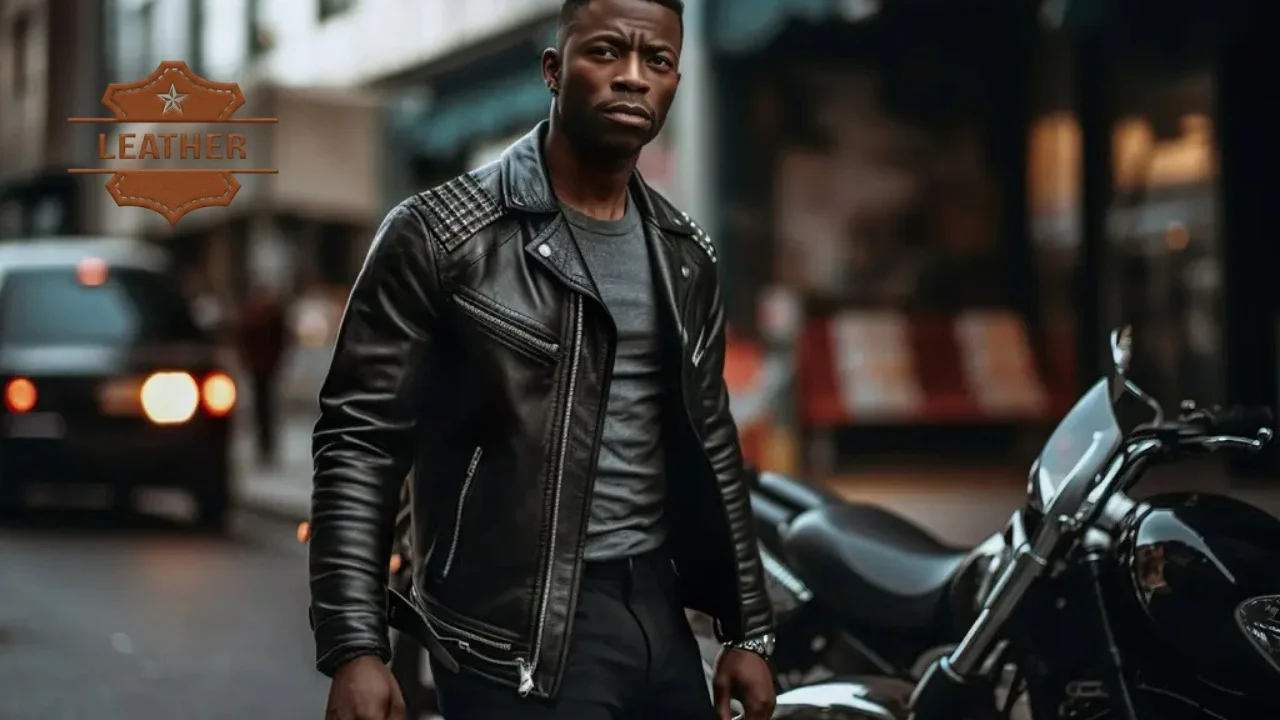
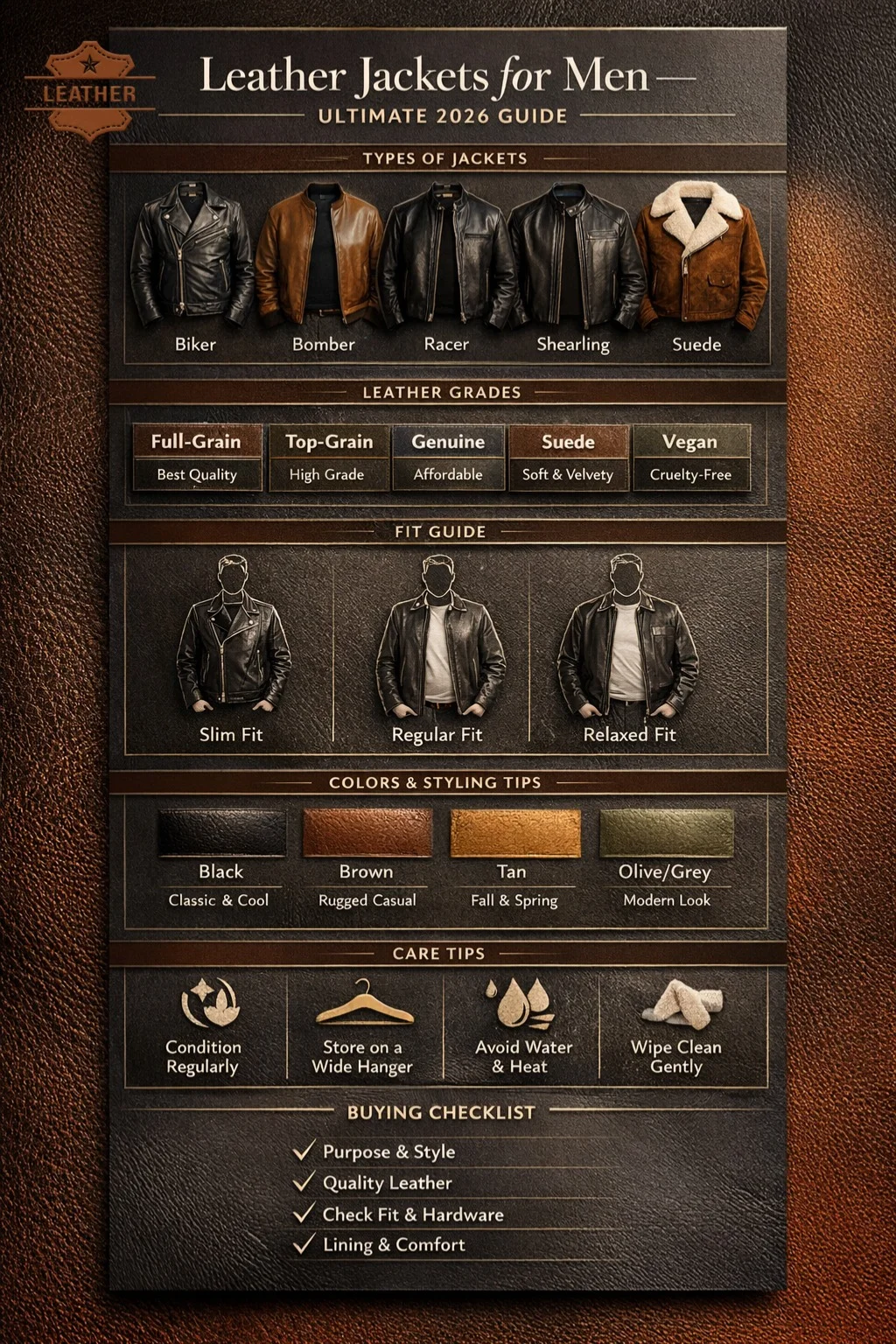
Biker
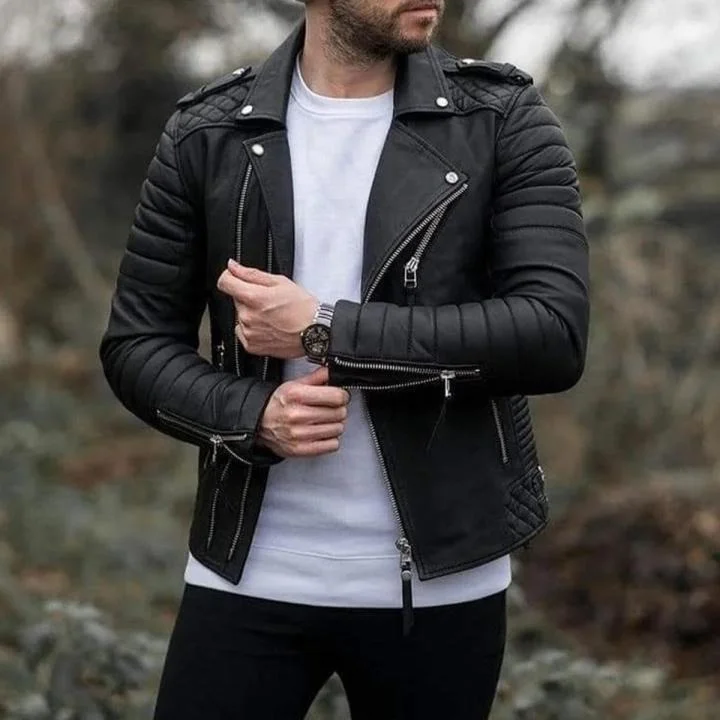
- Key features: Asymmetrical zipper, wide lapels, heavy hardware (zippers, buckles, sometimes studs)
- Vibe: Bold, edgy, motorcycle heritage
- Best with: Jeans, graphic tees, chunky boots
Bomber / Flight Jacket
- Key features: Ribbed cuffs and waistband, straight zipper, shorter length
- Vibe: Casual, versatile, sporty
- Best with: Chinos, sneakers, knits
Racer / Café
- Key features: Minimal hardware, stand-up or snap collar, streamlined seams
- Vibe: Clean, contemporary, smart-casual
- Best with: Button-downs, slim trousers, loafers, or dress boots
Shearling & Insulated Winter Jackets
- Key features: Exposed wool/shearling lining at collar or interior, heavier hides
- Vibe: Luxurious, warm, substantial
- Best for: Cold climates and refined winter layering
Suede & Soft-Grain Jackets
- Key features: Napped suede surface, softer drape
- Vibe: Refined casual, dressier than rough leather
- Best with: Smart-casual outfits, autumn layers
Hybrid & Modern Interpretations
- Key features: Mixed materials, technical linings, weather-resistant treatments
- Vibe: Contemporary, performance-focused
Leather Grades Explained
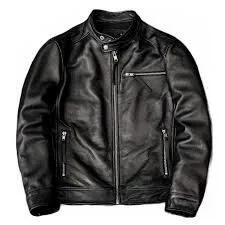
Leather grade determines longevity, look, price, and aging:
- Full-Grain Leather — Top tier: retains natural grain and surface. Extremely durable, develops rich patina. Highest price.
- Top-Grain Leather — Surface lightly corrected for uniformity. Still very durable and premium.
- Genuine Leather — Real leather from lower layers or composites. More affordable, shorter lifespan.
- Split Leather / Suede — Underside of hide with napped finish. Soft and attractive, but more delicate and moisture-sensitive.
- Vegan / Alternative Leather — Synthetic or plant-based. Lightweight, cruelty-free, but usually less durable, and has no natural patina.
Buying tip: Choose full-grain or top-grain for daily-wear investments; suede or split for lighter/seasonal use.
How Leather Jackets Are Made – Key Production Steps
Quality shows in these stages:
- Hide selection — Premium brands sort for thickness, flaws, and origin
- Tanning — Vegetable (natural depth) or chrome (softer, uniform)
- Pattern cutting — Precise layout for grain alignment and waste reduction
- Sewing & reinforcement — Tight, even stitches at stress points
- Hardware installation — Solid metal zippers (e.g., heavy-gauge YKK), rivets, buckles
- Lining & finishing — Breathable linings, clean edge work
- Final inspection — Strict QC on seams, dye consistency, and hardware function
Real vs. Fake Leather – Practical Checks
| Feature | Real Leather | Fake / PU Leather |
| Smell | Natural, rich hide scent | Chemical or plastic smell |
| Grain | Irregular, unique | Too uniform, repeating pattern |
| Edges | Rough, fibrous | Clean, sealed cut |
| Touch | Warm, supple | Cold, plasticky |
| Aging | Develops patina | Peels, cracks, delaminates |
| Price | Higher for quality | Lower price point |
Quick tests: Sniff, inspect grain, check edges, bend to see creases, evaluate hardware.
Complete Buying Checklist
- Define your use case (daily, motorcycle, dressy, winter)
- Prioritize leather grade (full/top-grain for longevity)
- Check hardware (solid metal zippers/snaps)
- Inspect stitching (tight, even, no loose threads)
- Evaluate lining (breathable, optional insulation)
- Test pocket usability and depth
- Confirm fit (see Fit Guide below)
- Research brand reputation and warranty
- Verify return policy (critical for online buys)
- Check included care instructions
Fit Guide – Measurements That Matter
- Shoulders — Seam sits exactly at natural shoulder edge (no droop)
- Chest/Torso — Zips comfortably; room for a light sweater, no excessive pull lines
- Sleeves — End at the wrist bone with arms relaxed
- Back length — Hits around hip (bomber at waist; some heritage styles slightly longer)
- Mobility — Raise arms — jacket shouldn’t ride up painfully
Tip: If between sizes, go slightly smaller for a tailored look — provided layering still works.
Colors & When to Wear Them
- Black — Classic, urban, nighttime; pairs with denim, monochrome
- Brown (dark to cognac) — Versatile daytime; excellent with earth tones
- Tan / Beige — Light spring/autumn looks
- Olive / Gray — Modern, fashion-forward; great neutral mixing
Outfit Formulas
Casual Day
Leather jacket (biker or bomber) + white tee/henley + slim dark jeans + Chelsea/work boots
Smart Casual
Racer or low-lapel biker + crisp button-down/light knit + chinos/tailored trousers + minimal sneakers/dress boots
Winter Layering
Shearling/insulated leather jacket + turtleneck/wool sweater + thermal base + heavy boots
Care & Maintenance – Make It Last Decades
- Cleaning — Wipe dirt with a damp cloth; use leather cleaner for stains (avoid household soaps)
- Conditioning — Apply dedicated conditioner every 3–6 months (thin, even layer)
- Storage — Wide wooden hanger + breathable garment bag; cool, dry place (never plastic)
- Water — Blot wet spots, air dry naturally; use a water-repellent protector for frequent exposure
- Repairs — Small tears/seams Fixable by leather specialists; act quickly
- Professional care — Use experienced leather garment cleaners for heavy stains/odors
Price Ranges – Realistic Expectations (2026)
- United States — $200 – $1,500+
- United Kingdom / EU — £180 – £1,300+ (~$230–$1,700 USD)
- Canada — CAD 250 – CAD 1,800+ (~$180–$1,300 USD)
- Australia — AUD 300 – AUD 2,000+ (~$200–$1,350 USD)
- Middle East — $220 – $1,600+
Premium handcrafted and heritage pieces sit at the top; mass-market options fill lower tiers.
Top Countries & Brands Known for Leathercraft
- United States — Functional motorcycle and flight jackets (Schott NYC, Vanson)
- Italy — Refined tanning and luxury finishing
- United Kingdom — Heritage motorcycle styles (Belstaff, Lewis Leathers)
- Japan — Meticulous construction and unique leathers (The Real McCoy’s)
- Germany — Precise engineering and technical details (Merkel)
Pros & Cons
Pros
- Develops beautiful patina with wear
- Extremely durable when well-made
- Versatile across casual and smart-casual
- Timeless silhouettes rarely date
Cons
- Higher upfront cost for quality grades
- Requires regular Care and Proper Storage
- Less ideal in extreme heat or constant heavy rain (without treatment)
- Low-grade or synthetic versions wear out quickly
FAQs
A: Yes. Higher-grade genuine leather (full-grain or top-grain) lasts far longer than cheaper substitutes, acquires an appealing patina, and often costs less per year of usable life than a low-quality jacket that needs frequent replacement.
A: It should allow comfortable movement and the ability to layer a shirt or thin sweater without bulk. Seams should sit on the shoulders, sleeves should finish at the wrist bone, and the torso should zip without extreme tension.
A: Light rain is usually manageable, but repeated or heavy exposure can stain or stiffen leather. If you expect wet weather, choose treated leather or a jacket with a weatherproof finish; always dry naturally and condition afterward.
A: With correct care and occasional repair, a well-made leather jacket can last 10+ years — often decades. Lifespan depends on leather grade, use intensity, and maintenance.
A: Classic styles like biker and bomber are timeless and versatile; modern racer or slim silhouettes suit streamlined wardrobes. Choose based on your lifestyle, the rest of your wardrobe, and whether you want a statement piece or a subtle layer.
Conclusion
Quality leather, proper fit, and maintenance to ensure your jacket lasts for years while enhancing your everyday look. Use this guide to choose, style, and care for your jacket like a pro.