👜 Leather Bag Conditioning
A leather bag is not just an accessory—it’s an investment. But without proper Leather Bag Conditioning, even the highest-quality leather will dry out, crack, and lose its beauty over time.
Most guides tell you to “apply conditioner every few months.” That’s not enough.
In reality, leather care is a science-driven process involving fiber structure, oil balance, and environmental exposure. If you ignore these factors, your bag can age 3x faster than it should.
In this ultimate guide, you’ll learn:
- The science behind leather conditioning
- A professional step-by-step method
- A conditioning frequency system based on real usage
- Mistakes that silently destroy leather
- Expert techniques used in the leather industry
If you want your leather bag to last 10–20+ years, this guide will change how you care for it.
🧪 What Is Leather Bag Conditioning?
Leather bag conditioning is the process of restoring natural oils and moisture inside leather fibers.
Over time, leather loses oils due to:
- Sunlight exposure
- Heat and dry air
- Daily handling
- Pollution and dust
Without these oils, leather becomes:
- Dry
- Stiff
- Prone to cracking
What Conditioning Does
- Replenishes lost oils
- Keeps fibers flexible
- Prevents cracks and aging
- Restores natural shine
👉 Think of conditioning as feeding leather from the inside, not just polishing the surface.
📜 History of Leather Conditioning
Leather conditioning dates back thousands of years.
Ancient civilizations used:
- Animal fats
- Beeswax
- Natural oils
In medieval Europe, craftsmen used lanolin and tallow to preserve armor and bags.
Today, modern conditioners are more refined but still follow the same principle:
👉 Restore oil balance to maintain flexibility
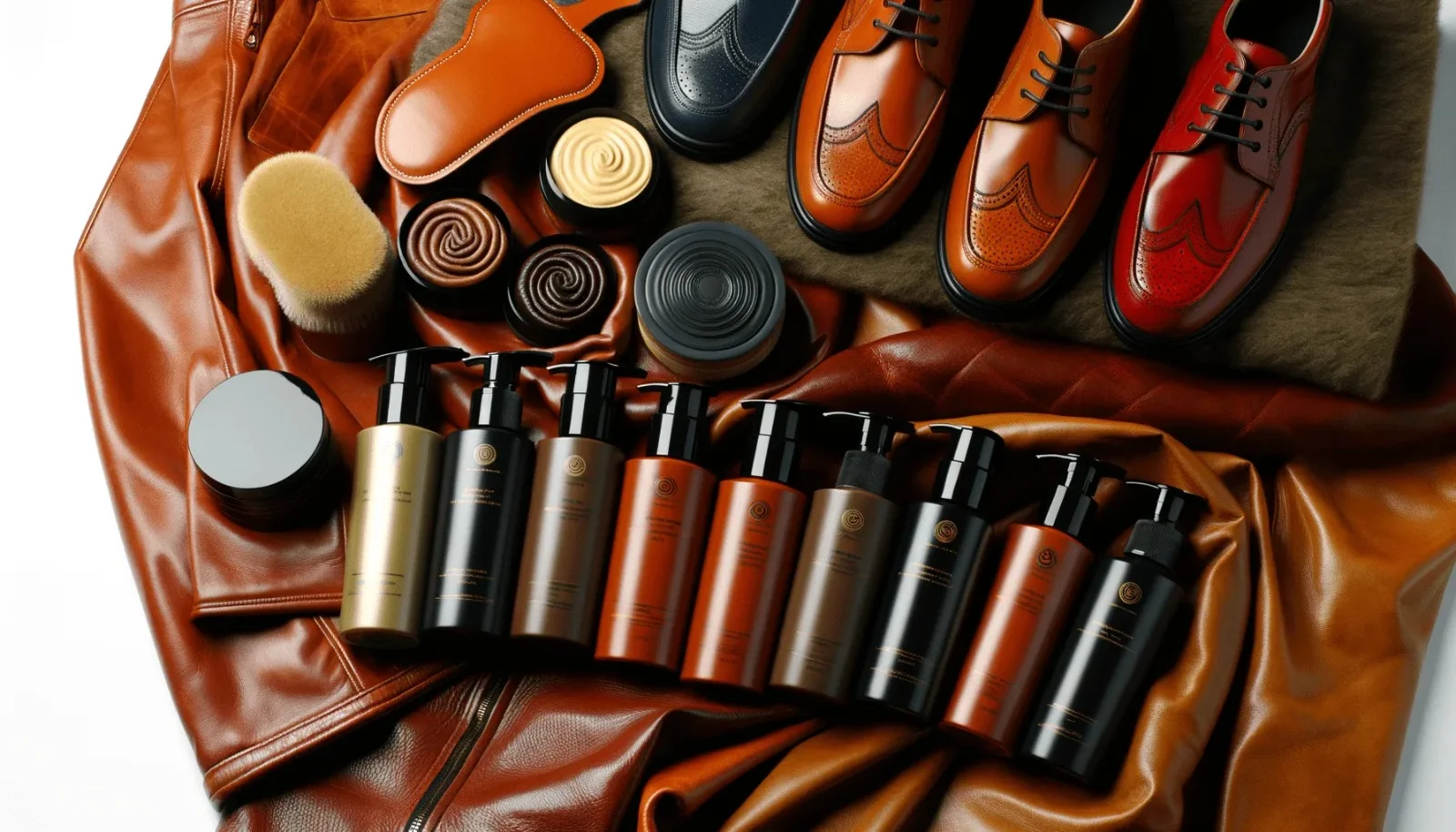
🚀 Why Leather Conditioning Matters in 2026
In today’s environment, leather faces more stress than ever:
- Air pollution
- Indoor heating systems
- Fast fashion usage habits
Modern Reality
Leather dries faster today than 20 years ago.
That’s why proper conditioning is no longer optional—it’s essential.
Benefits in 2026
- Extends lifespan by up to 300%
- Maintains Resale Value
- Preserves a luxury appearance
- Prevents irreversible damage
🧵 Types of Leather & Their Conditioning Needs
Not all leather behaves the same. Conditioning must match the leather type.
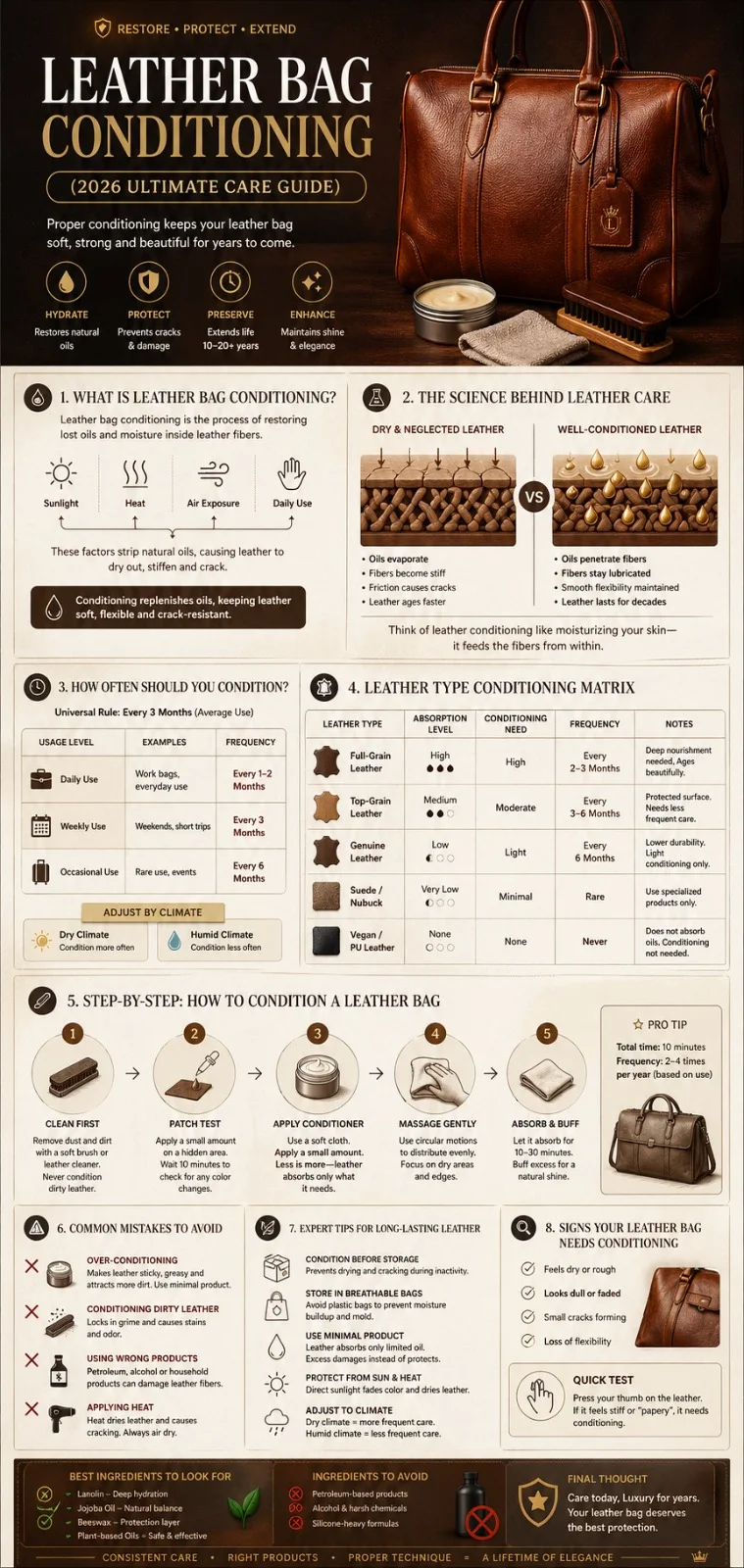
Leather Conditioning Matrix
| Leather Type | Absorption Level | Conditioning Need | Frequency | Special Notes |
| Full-Grain | High | High | Every 2–3 months | Deep nourishment needed |
| Top-Grain | Medium | Moderate | Every 3–6 months | Has protective finish |
| Genuine Leather | Low | Light | Every 6 months | Lower durability |
| Suede | Very Low | Minimal | Rare | Use only suede-specific products |
| Nubuck | Low | Minimal | Rare | Delicate surface |
| PU / Faux | None | ❌ Not needed | Never | Doesn’t absorb oils |
Key Insight
👉 The more natural the leather, the more conditioning it needs.
🏭 Leather Manufacturing Process
Understanding how leather is made explains why conditioning matters.
Step-by-Step Process
- Raw Hide Preparation
- Tanning (Vegetable or Chrome)
- Drying & Finishing
- Oil Treatment (Initial)
- Cutting & Stitching into Bags
Critical Fact
Leather leaves the factory with oils, but these oils evaporate over time.
👉 Conditioning replaces what manufacturing originally added.
🔍 How to Identify Original vs Fake Leather
Before conditioning, you must know what you’re working with.
Real vs Fake Leather Comparison
| Feature | Real Leather | Fake Leather |
| Smell | Natural, earthy | Chemical/plastic |
| Texture | Uneven, grainy | Uniform |
| Absorption | Absorbs conditioner | Repels liquid |
| Flexibility | Softens over time | Cracks or peels |
👉 Conditioning fake leather is useless—and can damage it.
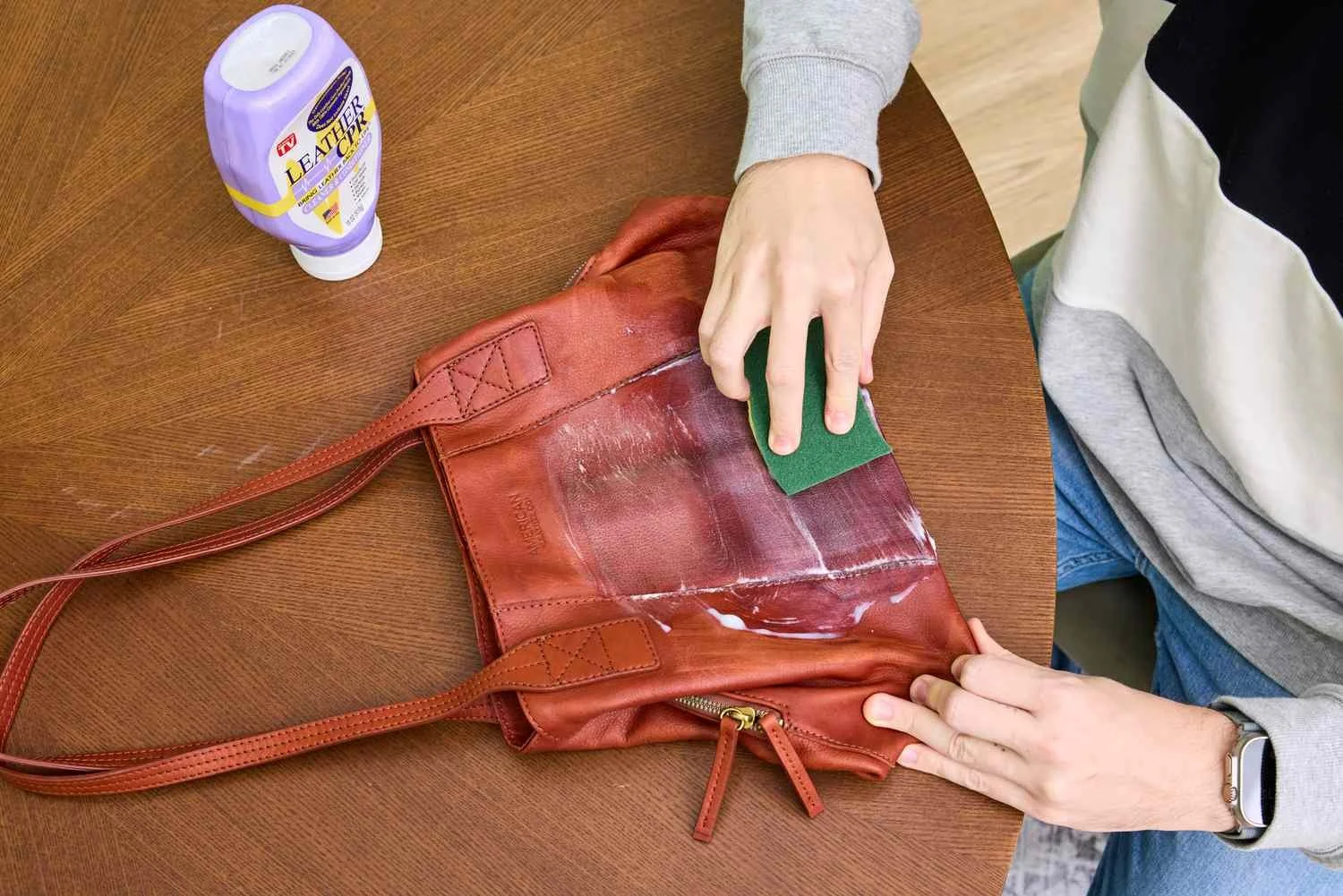
🛒 Buying Guide: What to Check Before Purchase
If you buy a leather bag, choose one that responds well to conditioning.
What to Look For
- Full-grain or top-grain leather
- Visible natural grain
- Slight oil feel (not plastic-like)
- Flexible texture
Avoid
- Overly shiny coatings
- Plastic feel
- Extremely stiff leather
🎯 Top Uses of Leather Bags
Leather bags are used for:
- Work and office
- Travel
- Fashion styling
- Everyday carry
Each use affects conditioning frequency.
💰 Price Range Worldwide
| Category | Price Range |
| Budget | $30 – $80 |
| Mid-Range | $80 – $250 |
| Premium | $250 – $800 |
| Luxury | $800+ |
👉 Higher Price = better leather = more conditioning needed (but longer life)
🌍 Top Countries Known for Leather Bags
- Italy (luxury craftsmanship)
- Pakistan (high-quality exports)
- India (affordable leather goods)
- Turkey (handcrafted products)
💸 Budget vs Premium Options
Budget Options
- Genuine leather
- Limited lifespan
- Less conditioning needed
Premium Options
- Full-grain leather
- Requires regular conditioning
- Ages beautifully
⏱️ How Often Should You Condition a Leather Bag?
Universal Rule
👉 Every 3 months
Conditioning Frequency Table
| Usage Level | Frequency |
| Daily Use | Every 1–2 months |
| Weekly Use | Every 3 months |
| Occasional | Every 6 months |
Climate Adjustment
- Dry climate → conditions more often
- Humid climate → condition less
🛠️ Step-by-Step: How to Condition a Leather Bag Properly
Professional 5-Step Conditioning Process
Step 1: Clean First
Never condition dirty leather—it traps dirt inside.
Step 2: Patch Test
Test on a hidden area to prevent discoloration.
Step 3: Apply Conditioner
- Use a soft cloth
- Apply a small amount
- Work in sections
Step 4: Massage Gently
Use circular motion for even distribution.
Step 5: Absorb + Buff
- Wait 10–30 minutes
- Buff excess for shine
👉 Total time: 10 minutes
👉 Frequency: 2–4 times/year
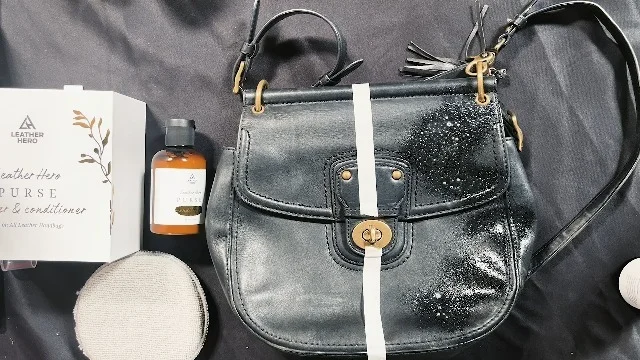
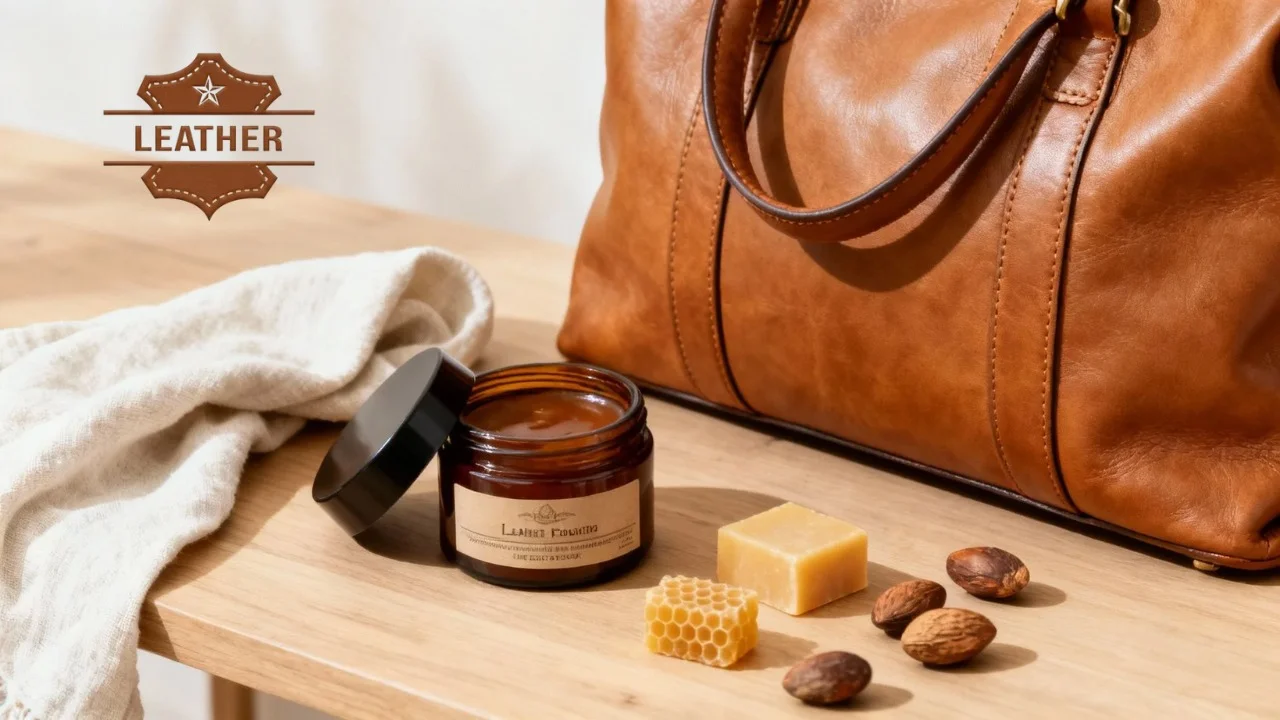
🧴 Best Leather Conditioner Ingredients
Look For
- Lanolin (deep hydration)
- Jojoba oil (natural balance)
- Beeswax (protection layer)
Avoid
- Petroleum-based products
- Alcohol
- Silicone-heavy formulas
⚠️ Common Leather Conditioning Mistakes
Over-Conditioning
Causes:
- Stickiness
- Weak fibers
- Dirt buildup
Conditioning Dirty Leather
Locks grimy permanently.
Using Wrong Products
Different Leather Types need different care.
Applying Heat
Heat dries leather faster.
🚨 Signs Your Leather Bag Needs Conditioning
- Feels dry or rough
- Looks dull
- Small cracks appear
- Loses flexibility
Quick Test
Press your thumb—if it feels stiff or papery, condition it.
🧠 Advanced Tips to Extend Leather Life
Pro-Level Techniques
✔ Condition before long storage
✔ Store in breathable dust bags
✔ Avoid plastic storage
✔ Keep away from direct sunlight
✔ Use minimal product
🔮 Future Trends in Leather Care
- Eco-friendly conditioners
- Plant-based oils
- Smart leather coatings
- Sustainable tanning methods
📊 Pros & Cons of Leather Conditioning
Pros
- Extends lifespan
- Prevents cracking
- Improves appearance
- Maintains flexibility
Cons
- Requires consistency
- Overuse can damage
- Needs correct product selection
📌 Mini Summary
Leather conditioning is not optional—it’s essential.
✔ Clean first
✔ Condition lightly
✔ Follow a schedule
✔ Avoid common mistakes
❓ FAQs
A: Every 2–3 months, depending on usage and climate.
A: Yes. Over-conditioning makes leather sticky and weak.
A: Natural oil-based conditioners with lanolin and beeswax.
A: Not recommended—it can darken and damage leather.
A: No, but it prevents further damage.
🧠 Final Verdict
Leather bag conditioning is the single Most Important Factor in extending your bag’s life.
If you follow the right method:
- Your bag will stay soft and beautiful
- You’ll avoid cracks and damage
- It can last 10–20+ years easily
👉 Treat leather like skin—feed it regularly, but don’t overdo it.