Men’s Dress Leather Sandals
Men’s fashion has changed dramatically in the last decade, and footwear is no exception. Today, Men’s Dress Leather Sandals are no longer considered purely casual beachwear. Instead, they have evolved into a refined style category that bridges the gap between formal shoes and relaxed summer comfort.
If you’ve ever struggled to find footwear that looks stylish in the heat without sacrificing comfort, you’re not alone. Most men face the same problem: formal shoes feel too hot, while casual sandals feel too sloppy for social or business settings.
This 2026 guide solves that problem completely.
Here, you will learn everything about men’s dress leather sandals—from leather quality and construction to styling rules, buying frameworks, and expert-level insights used in the leather industry. By the end, you will know exactly how to choose a pair that looks sharp, lasts long, and fits your lifestyle perfectly.
What Are Men’s Dress Leather Sandals?
Men’s dress leather sandals are structured open footwear designed using premium leather materials, engineered to offer a balance between elegance and breathability.
Unlike flip-flops or beach sandals, they are built with:
- Structured leather straps
- Durable stitched soles
- Arch and heel support
- Refined formal appearance
Snippet Definition
Men’s dress leather sandals are formal-inspired open shoes made from premium leather, designed for smart-casual and semi-formal summer wear.
Why They Matter in 2026
The modern fashion landscape has shifted toward comfort-first elegance.
In 2026, three major trends are shaping footwear:
Climate-Adaptive Fashion
Hotter summers demand breathable footwear without losing style.
Smart Casual Dress Codes
Offices and social events now accept semi-formal sandals.
Minimalist Luxury Trend
Men prefer fewer, high-quality items instead of multiple cheap shoes.
👉 This is why leather sandals are replacing traditional loafers in summer wardrobes.
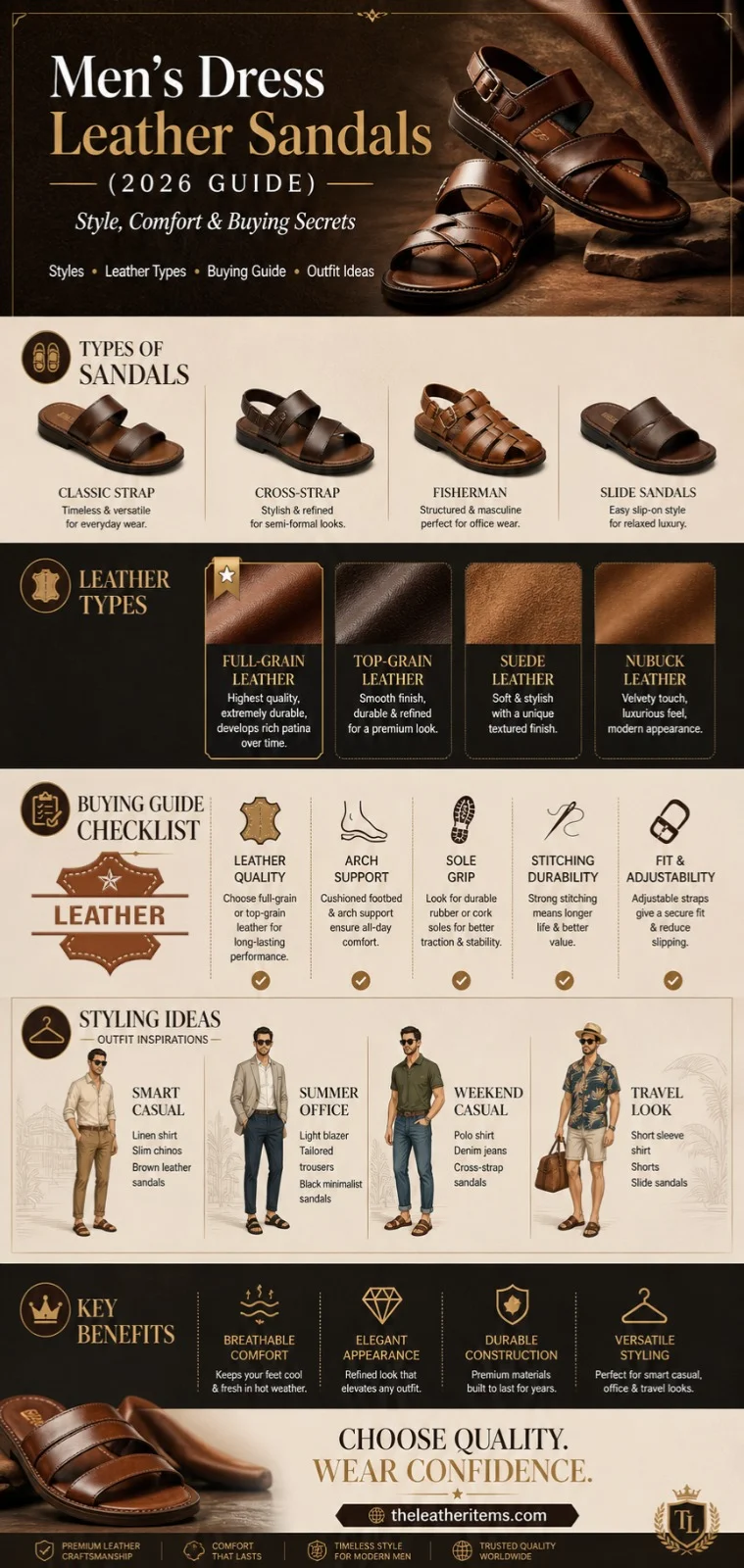
Types of Men’s Dress Leather Sandals
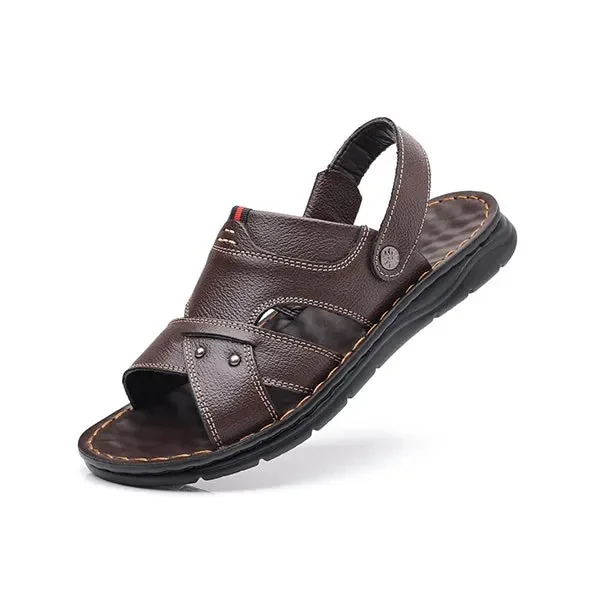
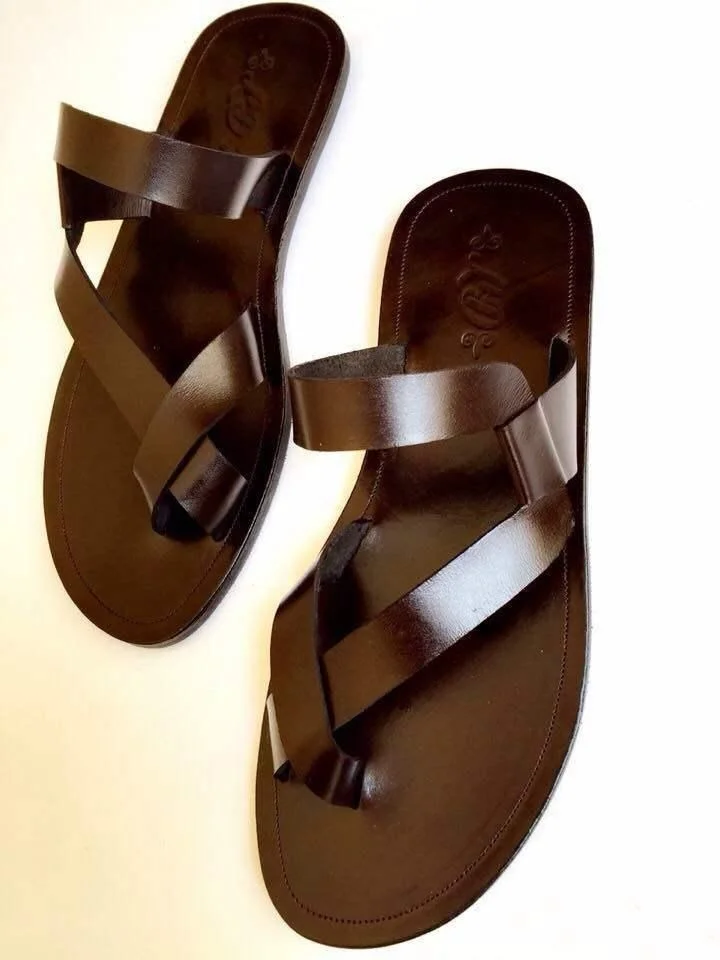
Classic Strap Sandals
Simple dual or single strap design.
Best for:
- Daily smart casual outfits
- Minimalist dressing
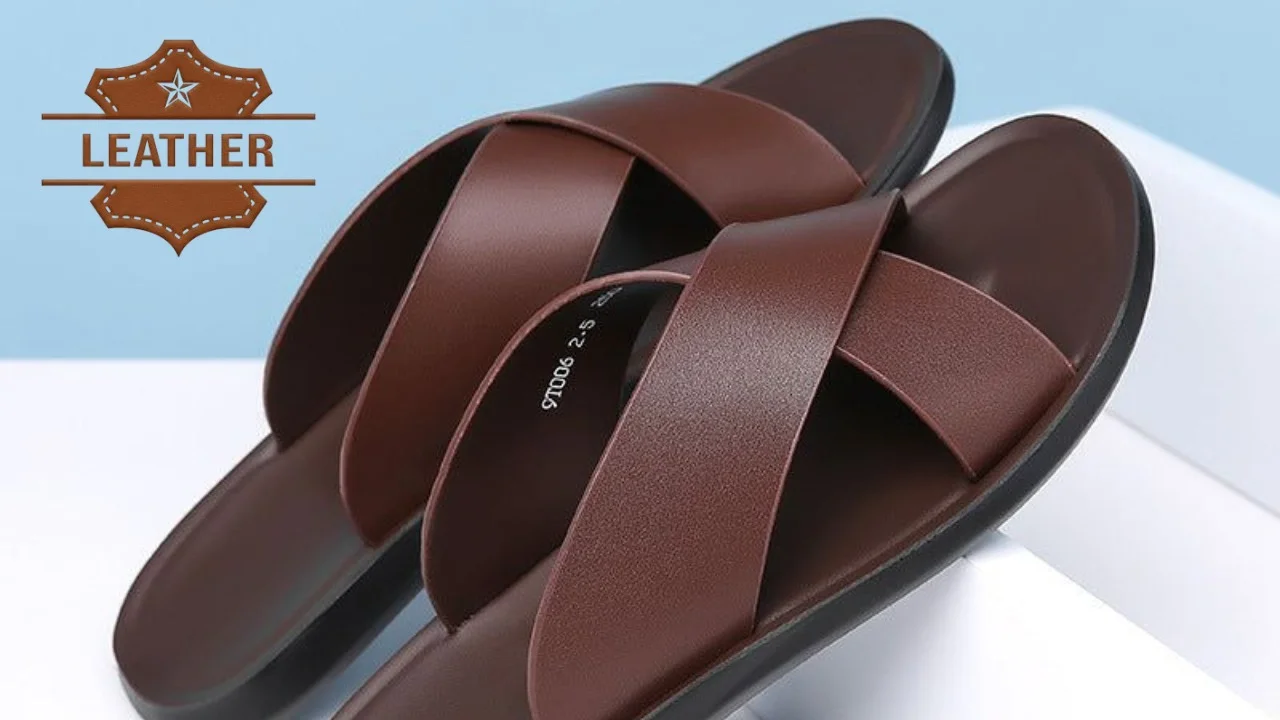
Cross-Strap Sandals
More structured and stylish.
Best for:
- Evening wear
- Semi-formal gatherings
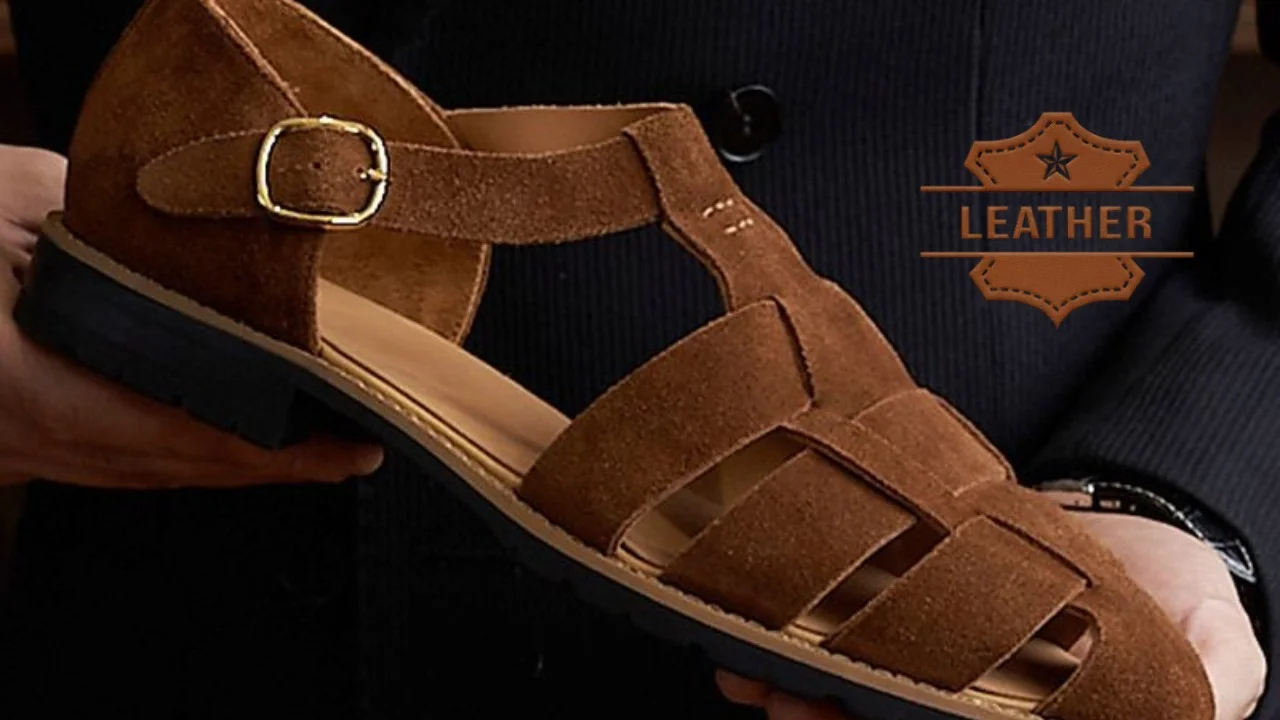
Fisherman Sandals
Closed-toe with woven leather design.
Best for:
- Office smart casual looks
- Conservative styling
Slide Leather Sandals
Slip-on convenience with premium leather finish.
Best for:
- Travel
- Luxury casual wear
Quick Comparison Table
| Style | Formal Level | Comfort | Best Use |
| Classic Strap | Medium | High | Daily wear |
| Cross-Strap | High | Medium | Events |
| Fisherman | High | Medium | Office |
| Slide | Low-Medium | Very High | Travel |
Leather Types Used
Leather quality defines 80% of sandal performance.
Full-Grain Leather
- Strongest and most durable
- Develops natural patina
- Long-lasting investment
Top-Grain Leather
- Smooth and refined
- Slightly processed surface
- Luxury appearance
Genuine Leather
- Mid-range quality
- Affordable but less durable
Suede Leather
- Soft Texture
- Fashion-focused
Nubuck Leather
- Velvety finish
- Premium aesthetic
PU / Faux Leather
- Synthetic alternative
- Budget-friendly but less breathable
Expert Insight
Full-grain leather sandals last 3–5x longer than synthetic alternatives if maintained properly.
Manufacturing Process
Understanding how sandals are made helps you identify quality.
Step 1: Leather Selection
Premium hides are chosen based on thickness and grain.
Step 2: Cutting & Pattern Design
Precision cutting ensures strap symmetry.
Step 3: Stitching & Assembly
Industrial or hand stitching secures durability.
Step 4: Sole Attachment
Rubber, cork, or leather soles are attached.
Step 5: Finishing & Polishing
Coloring, polishing, and waterproof coating.
How to Identify Original vs Fake Leather
✔ Real Leather Signs
- Natural grain variation
- Slight leather smell
- Absorbs moisture slowly
- Irregular texture
❌ Fake Leather Signs
- Plastic-like smell
- Too smooth or perfect a surface
- No aging or patina
Quick Checklist Table
| Feature | Real Leather | Fake Leather |
| Smell | Natural | Chemical |
| Texture | Irregular | Uniform |
| Durability | High | Low |
| Aging | Improves | Cracks |
Buying Guide
Choosing the right sandals requires a structured approach.
Check Leather Quality
Always prefer full-grain or top-grain leather.
Inspect Comfort Features
- Arch support
- Cushioned footbed
- Heel stability
Evaluate Sole Type
- Rubber sole = grip
- Cork sole = comfort
Test Strap Fit
Adjustable Straps reduce friction and improve stability.
Step 5: Match Color with Wardrobe
Best colors:
- Black (formal)
- Brown (classic)
- Tan (summer casual)
Styling Guide for Men’s Dress Leather Sandals
Smart Casual Look
- Linen shirt
- Slim chinos
- Brown sandals
Summer Office Look
- Light blazer
- Tailored trousers
- Black leather sandals
Weekend Style
- Polo shirt
- Denim jeans
- Cross-strap sandals
Vacation Outfit
- Printed shirt
- Shorts
- Slide sandals
Pros & Cons
Pros
- Breathable in hot weather
- Stylish and modern
- Versatile outfit pairing
- Durable if genuine leather
Cons
- Premium pairs can be expensive
- Requires maintenance
- Not suitable for formal events like suits
Price Range
| Category | Price Range |
| Budget | $20 – $50 |
| Mid-range | $50 – $120 |
| Premium | $120 – $300+ |
👉 Handmade leather sandals from Italy or Spain can exceed $500.
Top Countries Known for Leather Sandals
- Italy (luxury craftsmanship)
- Spain (artisan leather work)
- India (handmade heritage sandals)
- Turkey (durable leather goods)
- Pakistan (emerging leather industry hub)
Common Mistakes Buyers Make
❌ Choosing style over comfort
❌ Ignoring sole quality
❌ Buying synthetic leather blindly
❌ Wearing sandals with overly formal suits
❌ Not checking strap adjustability
Care & Maintenance Tips
Daily Care
- Wipe dust with a dry cloth
Weekly Care
- Use leather conditioner
Monthly Care
- Polish with natural cream
Storage
- Keep in a dry, cool place
- Avoid direct sunlight
Expert Tips Most Buyers Ignore
- Always break in leather sandals before long use
- Slight tightness is better than a loose fit
- Dark leather lasts longer visually
- Rotate sandals to extend lifespan
- Waterproofing spray increases durability
Future Trends
- Eco-friendly vegetable-tanned leather
- Hybrid sneaker-sandal designs
- AI-assisted foot-molded comfort soles
- Sustainable luxury leather production
- Minimalist strap innovation designs
Care Comparison Table
| Care Level | Lifespan Impact |
| No care | 6–12 months |
| Basic care | 1–2 years |
| Proper care | 3–5+ years |
FAQs
A: They are suitable for smart casual and semi-formal outfits, but not for strict formal suits.
A: Full-grain leather is the most durable and premium option.
A: Yes, in modern business casual environments.
A: With proper care, they can last 2–5 years or more.
A: Yes, if they include arch support and cushioned soles.
Conclusion
Men’s dress leather sandals represent the perfect fusion of comfort, craftsmanship, and modern masculine style. In 2026, they are no longer just Seasonal Footwear—they are a smart wardrobe investment.
If you focus on leather quality, construction, and fit, you will always choose a pair that lasts longer and looks better with time.
👉 Explore more expert leather guides at theleatheritems.com and upgrade your footwear knowledge with professional insights.