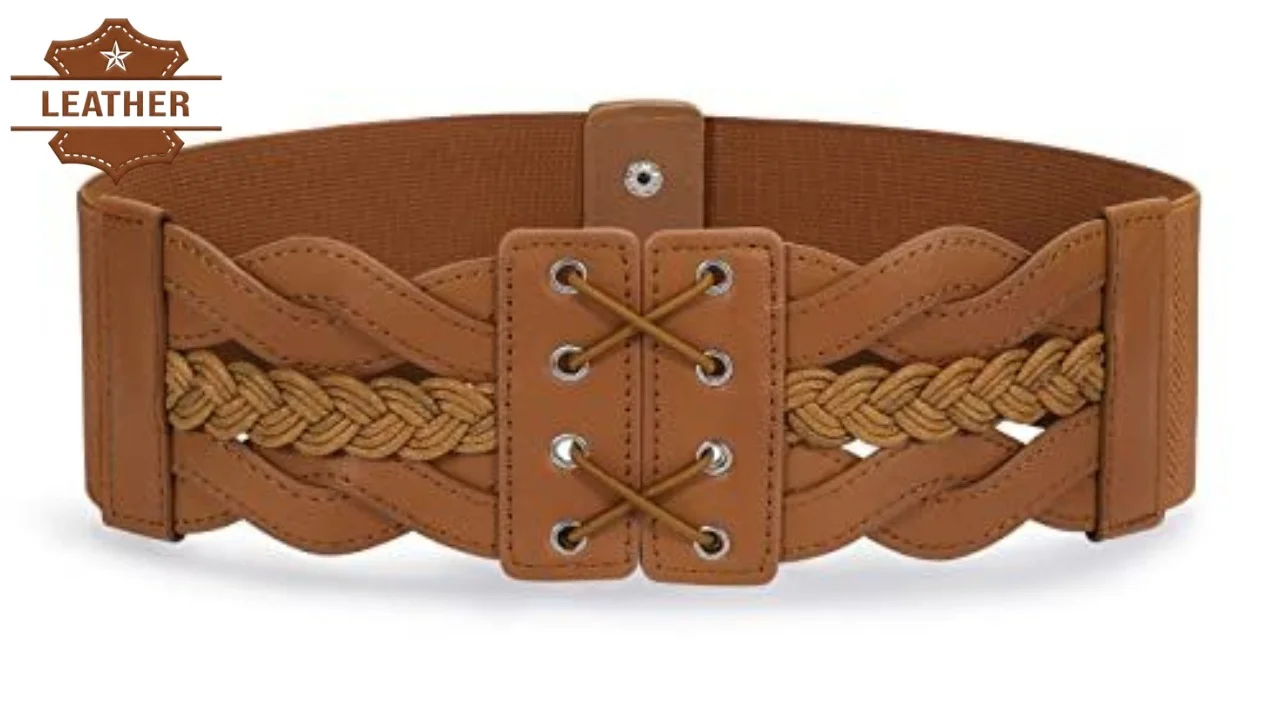
Introduction
Leather Belts For Women are no longer just practical add-ons that hold up trousers. In 2026, they are one of the easiest ways to define shape, sharpen an outfit, and make even a simple look feel intentional. Fashion editors are pushing belts back into the spotlight through styling moves like layered belts, chunky statements, slim leather finishes, western-inspired details, and waist-cinching shapes over dresses, coats, and tailoring. At the same time, leather experts continue to highlight leather’s durability, breathability, repairability, and natural aging character, which is why a well-made belt can outlast trend cycles when you buy well.
If you are searching for the best women’s leather belts, this guide will help you choose the right style, width, leather type, buckle, and fit for your wardrobe. It also explains how to spot quality, how to style belts with dresses, jeans, blazers, and oversized tops, and what is actually worth spending on in today’s market. The goal is simple: help you buy a belt that looks better, lasts longer, and works harder in your closet.
What Are Leather Belts for Women?
Leather belts for women are waist or hip accessories made from natural leather or leather-like materials and designed to add structure, hold garments in place, and improve the visual balance of an outfit. In modern fashion, they are used for far more than function. A belt can create a waistline, give shape to loose clothing, elevate basics, and turn everyday pieces into styled looks. Leather is especially valued because it is strong, flexible, and long-lasting, while responsibly made leather is widely described by industry bodies as a natural by-product that can be durable, repairable, and comfortable to wear.
Snippet-ready answer:
A leather belt for women is a fashion and utility accessory used to secure clothing and define the waist or hips. The best ones combine fit, durability, and style.
Mini summary:
A good belt should do three jobs at once: fit well, last well, and finish the outfit well.
Why Leather Belts Matter in 2026
In 2026, belts are being styled as focal points, not afterthoughts. Current fashion coverage shows interest in double belts, chunky belts, braided leather, western styling, and minimalist leather pieces used over tailoring, dresses, and outerwear. That means the belt you choose now can change the mood of an entire outfit: polished, romantic, western, modern, or quiet-luxury.
The best part is that belts are practical and versatile. One belt can work with denim on Monday, a dress on Wednesday, and a blazer on Friday. That versatility is exactly why belts remain a smart buy for women who want a smaller wardrobe with more outfit options. Leather’s natural patina, repair potential, and comfort also make it a better long-term choice than many synthetic alternatives, especially for buyers who value longevity.
Mini summary:
In 2026, the best leather belts are not just functional. They are styling tools.
Types of Leather Belts for Women
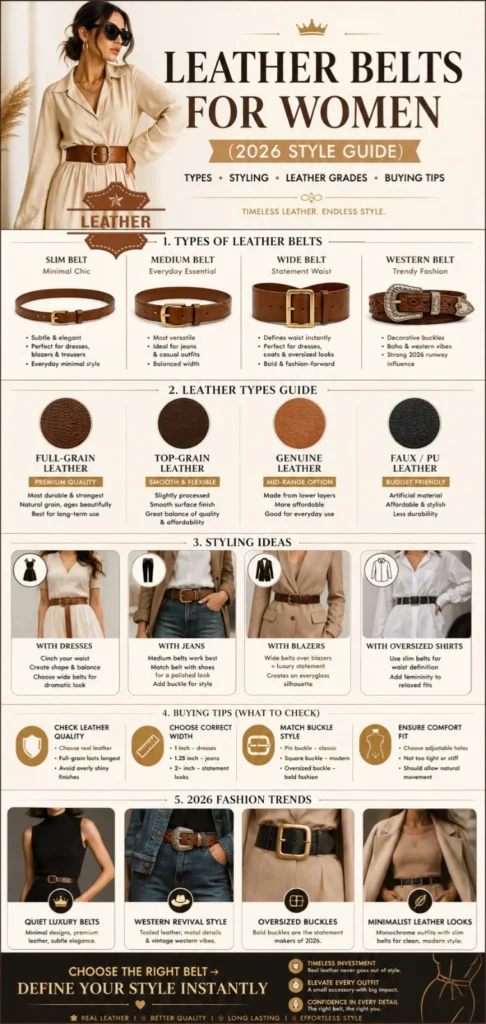
Current fashion pages and retailer guides show a clear range of belt directions: slim belts, medium belts, wide belts, braided belts, western styles, studded styles, and waist-cinching silhouettes. Vogue and Harper’s Bazaar both show that belts are being treated as style statements, while product guides highlight slim, wide, and braided forms as the most versatile women’s options.
Table 1: Belt Style Guide
| Belt Type | Best For | Style Effect | Best When You Want |
| Slim leather belt | Dresses, blazers, high-waist trousers | Clean and subtle | Minimal, polished looks |
| Medium leather belt | Jeans, everyday outfits | Balanced and versatile | One belt for many outfits |
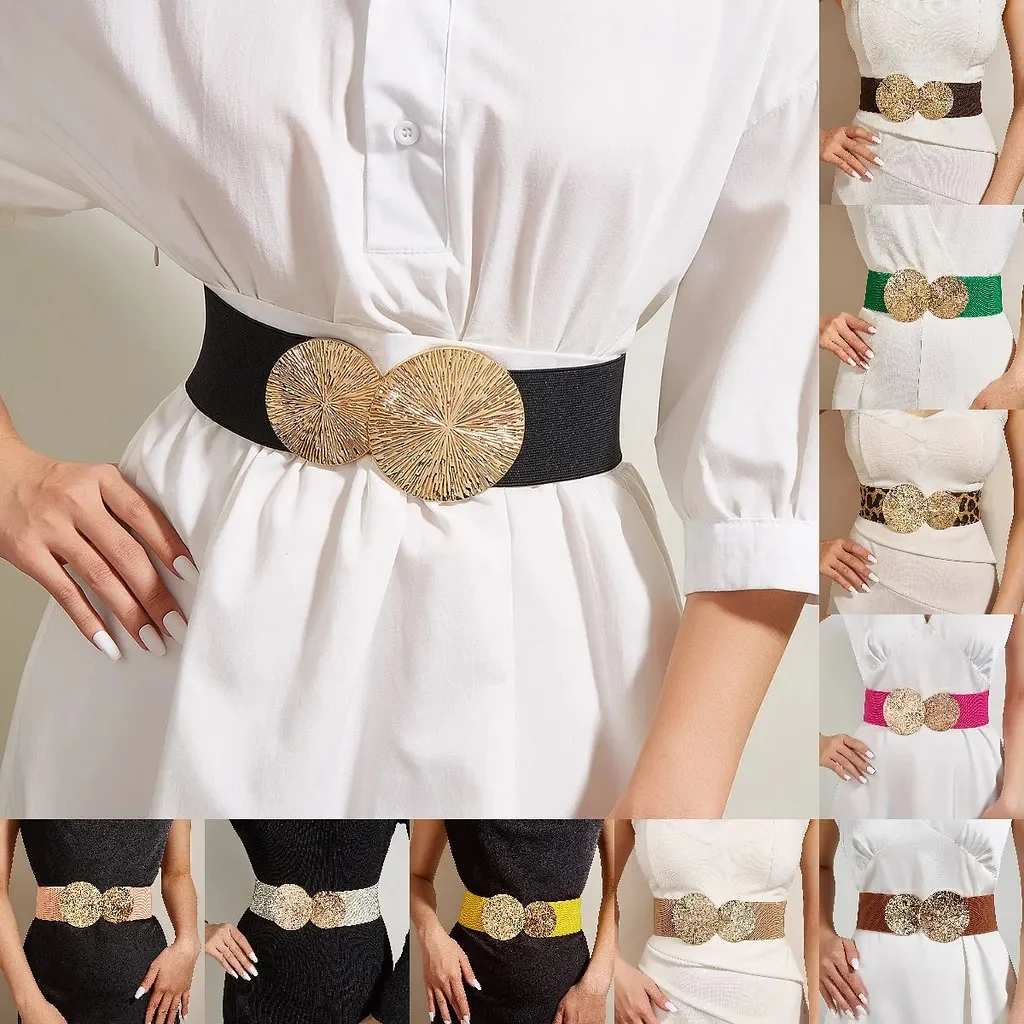
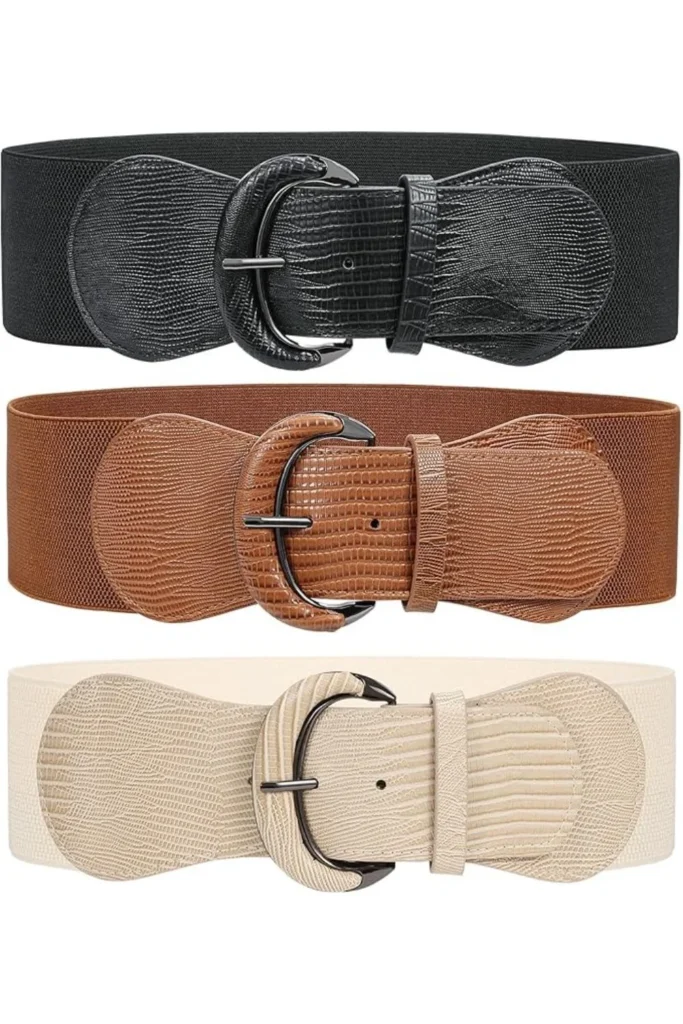
| Wide leather belt | Dresses, coats, oversized shirts | Strong waist definition | A statement silhouette |
| Western leather belt | Denim, boho looks, streetwear | Fashion-forward edge | Trendy, bold styling |
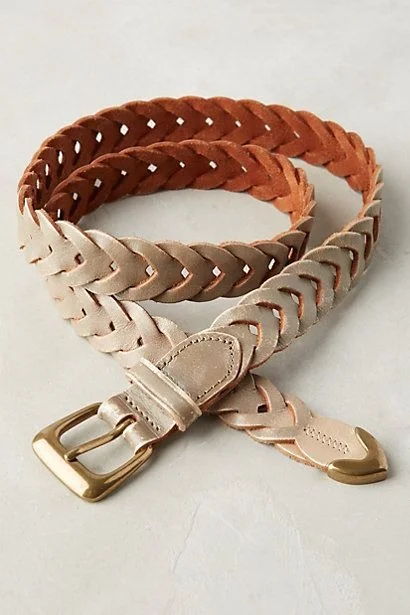
| Braided leather belt | Linen, summer dresses, relaxed looks | Texture and softness | Casual, effortless outfits |
| Studded or statement belt | Simple outfits, night looks | High-impact detail | A more expressive finish |
Slim Leather Belts
Slim belts are best when you want structure without visual weight. They work especially well with tailored looks, dresses, and monochrome outfits. This is the belt category that feels most at home in minimalist wardrobes and office-friendly styling.
Medium Leather Belts
Medium-width belts are the safest all-rounder. They pair well with jeans, trousers, and simple dresses because they are noticeable enough to style an outfit but not so large that they dominate it.
Wide Leather Belts
Wide belts are back because they create instant shape. Fashion coverage shows them being used over dresses, jackets, and outerwear to create structure and visual drama. If your wardrobe leans toward flowy clothing, this is the belt category that gives the fastest transformation.
Western and Statement Belts
Western details, decorative buckles, studs, and bold hardware are still relevant in current styling coverage. These belts work best when you want a little attitude without changing the entire outfit.
Mini summary:
Choose slim for polish, medium for versatility, and wide for impact.
Types of Leather Used in Women’s Belts
Leather grading matters because it affects durability, feel, appearance, and Price. Naturally explains that full-grain sits at the premium end, top-grain is slightly more affordable, nubuck is a sanded top-grain finish, and faux leather is generally the most affordable synthetic option. Leather industry groups also emphasize that real leather is durable, breathable, and capable of developing patina over time.
Table 2: Leather Type Comparison
| Leather Type | What It Feels Like | Pros | Cons | Best For |
| Full-grain leather | Natural, strong, premium | Most durable, ages beautifully | Higher price | Premium belts |
| Top-grain leather | Smooth, refined | Good quality, cleaner look | Slightly less durable than full-grain | Dressy everyday belts |
| Genuine leather | Mixed quality depending on grade | More affordable than premium grades | Often not the best long-term choice | Budget-conscious buyers |
| Suede | Soft, velvety | Rich texture, fashionable | Needs more care | Trend and dress styling |
| Nubuck | Soft, lightly brushed | Elegant, refined texture | More delicate than smooth leather | Upscale casual looks |
| PU / Faux leather | Synthetic, uniform surface | Lowest price, easy to clean | Less breathable, less durable | Short-term fashion use |
Full-Grain Leather
Full-grain is the best choice when you want strength, character, and long wear. It keeps the natural grain of the hide and usually develops better patina with use. Leather Naturally places it at the top of the leather price ladder.
Top-Grain Leather
Top-grain is a smart middle ground. It is still high quality, but it is usually more polished and slightly less rugged than full-grain. For many women, this is the sweet spot between luxury feel and practical buying.
Genuine Leather
“Genuine leather” sounds premium, but it can cover a wide range of quality. In practice, this label is often used for more affordable products, so it should never be the only thing you rely on. Check thickness, stitching, edge finishing, and buckle hardware before buying.
Suede and Nubuck
Suede and nubuck are great when you want texture. Vogue highlights suede as a current style choice because it adds a vintage, artisanal feel and works beautifully with softer silhouettes.
PU / Faux Leather
Faux leather is the lowest-cost option and can look stylish at first glance, but it usually will not match real leather for breathability, repairability, or long-term aging. Leather Naturally notes that synthetic alternatives are the lowest-priced category in its overview.
Mini summary:
For long-term value, full-grain and top-grain are the safest bets.
How Leather Belts Are Made
A quality leather belt starts long before cutting and stitching. Leather industry sources describe leather manufacturing as a process that begins with preparing hides, then tanning, finishing, and cleaner-production steps that reduce waste and improve output. UNIDO’s Leather Panel and the World Bank both note the importance of processing, wastewater control, and environmental management in modern tannery systems.
Step-by-Step Manufacturing Process
- Hide selection
Good belts start with a good hide. The surface quality and fiber structure influence strength and finish. - Preparation
The hide is cleaned and prepared so unwanted material can be removed before tanning. - Tanning
Tanning stabilizes the material and turns it into durable leather. - Finishing
The surface is dyed, coated, textured, or polished depending on the final design. - Cutting and edge work
Belt straps are cut to width and length, edges are refined, and holes are punched. - Stitching and assembly
The buckle, keeper loop, lining, and strap are assembled and checked for quality.
Mini summary:
Better belts usually come from better hide selection, better tanning, and cleaner finishing.
How to Identify Original vs Fake Leather
One of the biggest mistakes shoppers make is trusting a product title more than the product itself. Leather Naturally explains that real leather has a natural structure, texture, and aging behavior, while faux leather is synthetic and generally occupies the lowest-price tier. That means the surface, smell, grain, flexibility, and edge finishing all matter.
Signs of Real Leather
- Natural grain variation
- Slight imperfections are normal
- Soft but structured feel
- Edges that look well-finished, not plastic-flat
- Develops patina with use
- Better breathability and aging over time
Signs of Fake Leather
- The surface looks too perfect and repetitive
- Plastic-like shine
- Unnatural smell
- Stiff backing that does not soften much
- Flakes or peels early
- Very low price compared with the claimed material
Fast Buy Test
When shopping online, look for these four things before you add to the cart:
- Material description
- Width and length
- Buckle metal type
- Return policy and customer photos
Mini summary:
Real leather usually looks less perfect, but performs far better over time.
Buying Guide: What to Check Before Purchase
Sizing is one of the most overlooked parts of buying a belt. Size guides from ASOS, Gucci, Ferragamo, and other major brands show a consistent rule: measure where you actually plan to wear the belt, and use the buckle’s middle hole as the ideal starting point.
What to Check Before You Buy
- Measure your waist or hips first
- Choose a width based on the outfit type
- Check buckle quality
- Look for enough adjustment holes
- Check strap thickness and edge finishing
- Read the return policy
Best Belt Width by Use
| Width | Best For | Styling Result |
| 0.5–0.75 inch | Slim dresses, minimal looks | Light, refined, elegant |
| 1 inch | Everyday styling, trousers | Balanced and classic |
| 1.25 inch | Jeans, casual outfits | Stronger visual anchor |
| 1.5–2+ inches | Dresses, coats, statement looks | Bold Waist Definition |
Fit Tip
The most reliable fit often lands at the middle hole, so buying a size that allows room for adjustment is smarter than choosing a belt that barely closes. Major luxury sizing guides use this same logic.
Mini summary:
Good belt shopping starts with measurement, not guesswork.
How to Style Leather Belts for Women
Styling is where belts earn their keep. Vogue and Harper’s Bazaar both show belts being used to shape silhouettes, add texture, and create interest across minimalist, western, and tailored outfits. That makes belts one of the easiest accessories to use when you want more outfit mileage from fewer clothes.
With Dresses
Use a slim belt for soft definition on shirt dresses, slip dresses, or midi dresses. Choose a wide belt when you want more drama or when the dress is loose and needs structure. Belt placement matters most at the natural waist for the cleanest shape.
With Jeans
A medium belt is the easiest match for denim. Black leather gives a sharper finish, while brown leather adds warmth and works well with beige, cream, blue, and earthy tones.
With Blazers and Coats
This is one of the strongest 2026 belt moves. Cinching a blazer or coat with a leather belt gives you shape, contrast, and a more directional look. Fashion coverage this season also shows belts layered over tailoring and outerwear for extra dimension.
With Oversized Shirts
A slim or medium belt can turn an oversized shirt into a more feminine silhouette without making the outfit look forced. Keep the rest of the styling clean so the belt remains the focus.
With Knitwear
Belting a knit dress or long sweater can stop the outfit from feeling boxy. It is one of the easiest ways to make winter clothing look intentional.
Mini summary:
A belt should solve a silhouette problem, not just decorate an outfit.
Best Uses of Leather Belts for Women
Leather belts do more than one job. They can define, balance, structure, decorate, and elevate. That is why they appear in wardrobes ranging from minimalist office wear to weekend denim to statement styling.
Top Uses
- Defining the waist on dresses
- Styling denim and jeans
- Adding structure to blazers
- Elevating monochrome outfits
- Softening oversized silhouettes
- Creating visual balance for long tops
- Adding a quiet-luxury finish to simple clothing
Snippet-ready answer:
The best use of a leather belt is to create shape, anchor an outfit, and make simple clothes look finished.
Price Range Worldwide
Leather belt prices vary by leather grade, craftsmanship, branding, and finish. Leather Naturally notes that full-grain sits at the premium end, faux leather is usually the cheapest, and quality can vary a lot within every category. Vogue’s current belt picks also show a wide retail spread, from accessible designer-adjacent options to luxury belts priced several hundred dollars and more.
Simple Global Price Tiers
| Tier | Typical Range | What You Usually Get |
| Budget | $10–$35 | Faux leather or basic genuine leather |
| Mid-range | $35–$120 | Better hardware, better stitching, more reliable fit |
| Premium | $120–$350 | Better leather, stronger build, more refined finish |
| Luxury | $350+ | Designer branding, top materials, high-fashion styling |
Buying Advice by Budget
- Budget: focus on clean construction and usable fit
- Mid-range: best value for most shoppers
- Premium: worth it for everyday wear and long life
- Luxury: best when brand and styling matter as much as function
Mini summary:
Spend more when you want longevity; save money when the belt is trend-led.
Top Brands and Countries Famous for Leather Belts
Luxury fashion coverage and trade references show a clear split in the market: Italy and France are strongly tied to high-end leather goods, while China remains a major exporter by volume in leather articles. Brand names such as The Row, Loewe, Gucci, Ferragamo, Madewell, and Toteme also appear frequently in current belt coverage, showing how belts have become both a style and a brand-signaling accessory.
Countries Often Associated with Strong Leather Goods
- Italy
- France
- China
- Spain
- Turkey
- India
Brand Direction
- Minimal luxury: The Row, Toteme, Savette
- Fashion-forward: Alaïa, Déhanche, Khaite
- Classic wearable: Madewell, Ralph Lauren, Ferragamo, Gucci
Mini summary:
Italy and France remain style authorities, but China leads in large-scale leather goods volume.
Budget-Friendly Options
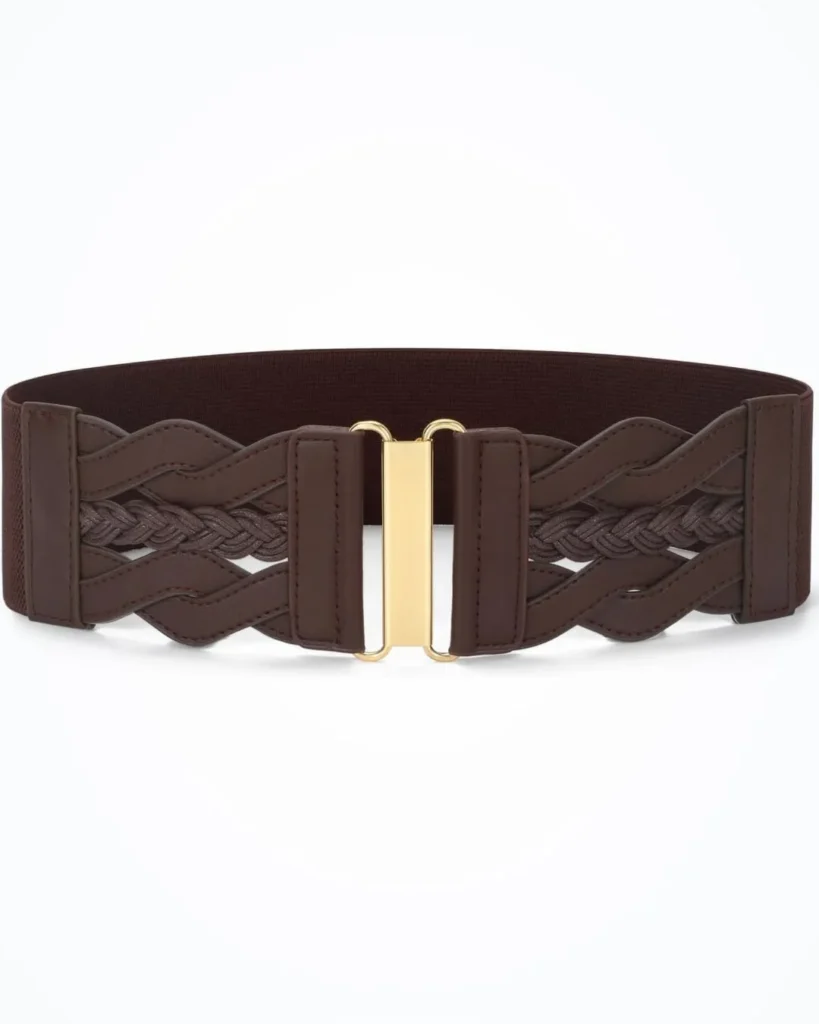
Budget belts can still look good if they have clean stitching, a decent buckle, and a strap that does not look overly shiny or flimsy. The best Affordable picks usually avoid heavy branding and focus on simple lines. That is why classic black, brown, and tan belts are still the smartest low-cost buys.
Budget Buyer Tips
- Choose simple colors first
- Avoid overly trendy hardware if you want longer wear
- Check edge finishing carefully
- Prefer adjustable holes
- Make sure the buckle feels solid in the hand
Mini summary:
A low price is fine when construction and fit are still strong.
Premium and Luxury Options
Luxury belts are usually about more than leather. They combine material quality, buckle design, brand identity, and styling power. Vogue’s current belt guide shows high-end examples such as Toteme, The Row, Savette, Khaite, and Alaïa, proving that belts can function as signature accessories, not just utility items.
Premium Belt Features
- Better hide selection
- Refined edge finishing
- Stronger hardware
- Better proportion around the waist
- Design that works with several outfits
Luxury Belt Features
- Distinctive buckle design
- Strong brand value
- Excellent finishing
- Trend-setting silhouette
- Long-wear comfort and polish
Mini summary:
Luxury belts are worth paying for when the design becomes part of your signature look.
Common Mistakes to Avoid
A lot of belt-buying regret comes from simple mistakes, not bad taste. The most common issues are wrong sizing, the wrong width for the outfit, weak hardware, and choosing style over comfort. Size guides from major brands make it clear that measurement and intended wear position matter a lot.
Mistakes That Hurt the Look
- Buying a belt that is too wide for the outfit
- Choosing a buckle that feels too heavy
- Ignoring your waist or hip measurement
- Buying a belt that only works with one look
- Picking stiff leather with poor comfort
- Trusting the label without checking the construction
Mini summary:
The wrong belt can flatten an outfit, even if the belt itself is expensive.
Care, Cleaning & Maintenance Tips
Leather lasts best when it is cleaned gently, kept away from harsh heat, and conditioned according to leather type. Leather Council guidance stresses that care depends on the leather finish, while Leather Naturally notes that proper leather is built to age well, repair well, and last longer when maintained correctly. Vogue’s leather care guidance also reinforces the basics: clean softly, avoid soaking, and dry away from direct heat.
Simple Care Routine
- Wipe with a soft, dry cloth after wear
- Remove dirt gently, not aggressively
- Air dry naturally if the belt gets wet
- Store flat or loosely rolled, not crushed
- Use a conditioner suited to the leather type
- Keep away from direct sunlight and heat sources
What Not to Do
- Do not soak the leather
- Do not use harsh household cleaners
- Do not dry with a hair dryer or radiator
- Do not scratch suede or nubuck with a rough cloth
Mini summary:
A little care goes a long way with leather belts.
Expert Tips Most Buyers Ignore
These are the small details that usually separate a good belt from a great one.
Buy for the middle hole
The ideal fit often lands around the middle hole, which gives you room for weight changes and outfit variation. Major brand size charts point buyers in this direction.
Match the belt to the outfit’s mood
Use smooth leather for polished looks, suede for texture, western details for character, and slim belts for minimal outfits. Fashion editors are showing all of these directions right now.
Let the belt fix the silhouette
A belt should solve a shape issue. If the outfit already looks balanced, choose a subtler belt. If the outfit is boxy or oversized, go wider or stronger.
Build a small belt wardrobe
A black slim belt, a brown medium belt, and a statement belt cover most real-life needs. That small capsule gives far more styling range than buying random one-off pieces.
Mini summary:
Three well-chosen belts are better than ten random ones.
Future Trends in the Leather Belt Industry
The future of women’s belts is moving toward style, function plus responsibility. Fashion coverage in 2026 is already showing more layered belt styling, more chunky hardware, stronger western references, and a continued love for minimalist leather pieces. At the same time, leather-industry sources continue to stress cleaner production, traceability, durability, and better resource use. That means the next wave of belts will likely reward both design and sourcing credibility.
What to Expect Next
- More belt layering and double-belt styling
- More western and vintage-inspired details
- More quiet-luxury minimal belts
- More demand for traceable leather
- More interest in long-life, repairable accessories
Mini summary:
The future belongs to belts that look good and last well.
Pros and Cons
Pros
- Adds instant shape
- Works with many outfit types
- Can last for years
- Improves with age when well-made
- Can move from casual to dressy styling easily
Cons
- Good leather costs more
- Faux leather may wear out quickly
- Some styles need careful sizing
- Suede and nubuck need more care
FAQs
A: Full-grain leather is usually the best long-term choice because it is durable, natural-looking, and develops character over time. Top-grain is also a strong option if you want a cleaner finish.
A: Place it at the natural waist to create shape, balance the silhouette, and keep the outfit from feeling shapeless. Wide belts create a stronger definition; slim belts look softer and more minimal.
A: Yes. Current fashion coverage shows strong interest in wide, chunky, and waist-cinching belt styling, especially over dresses, coats, and tailoring.
A: A medium-width belt is the safest and most versatile choice for jeans. It gives enough presence without overpowering the denim.
A: Usually, yes, especially for long-term wear. Real leather generally offers better breathability, better aging, and better repair potential, while faux leather is usually cheaper and more short-lived.
Conclusion
The best leather belts for women do more than finish an outfit. They shape the silhouette, improve wardrobe Flexibility, and add a polished point of focus that works across seasons. In 2026, the smartest belt choice is not just the prettiest one. It is the belt that fits well, suits your wardrobe, uses quality leather, and can move between casual, office, and dressy styling without effort.
If you are building a better leather accessory wardrobe, start with one black belt, one brown belt, and one statement piece. That small system covers most real-life outfits and gives you far more styling value than a drawer full of random options.
Explore more leather guides on theleatheritems.com and keep building your wardrobe with pieces that look better, last longer, and work harder.