Introduction
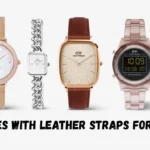
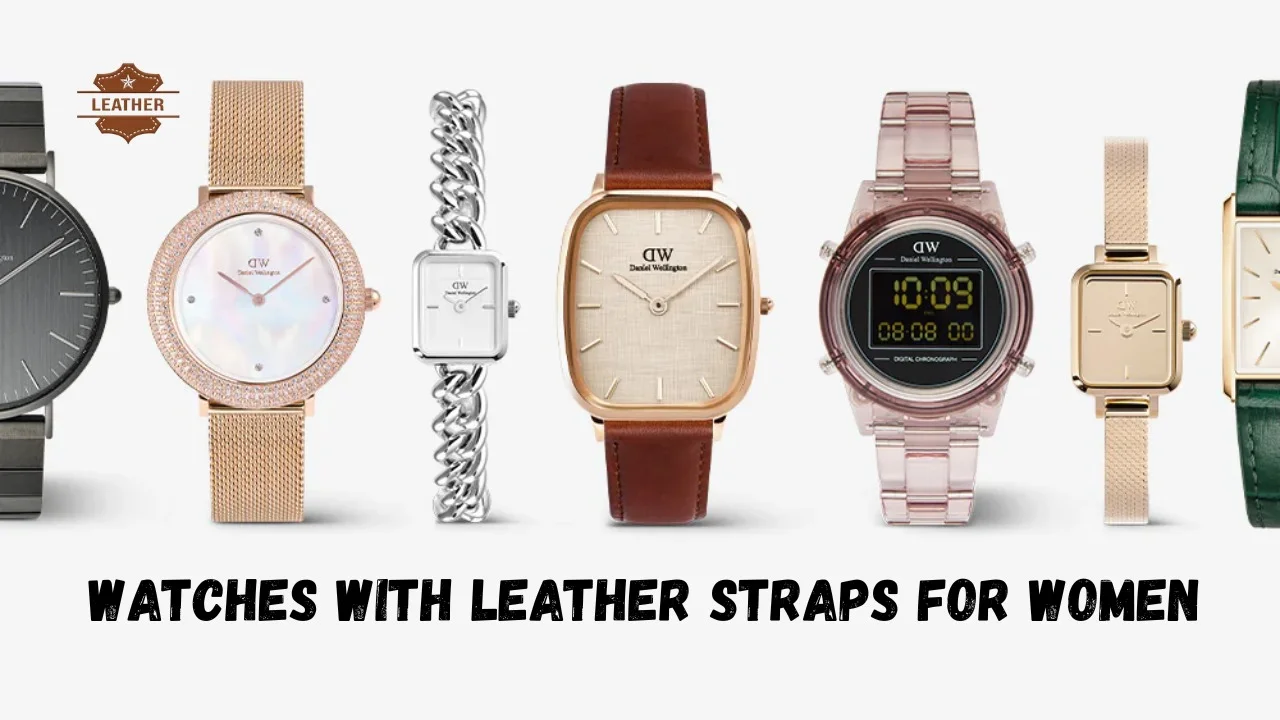
A great women’s watch should do more than tell time. It should feel comfortable, look refined, and fit the way you actually dress. That is why Watches With Leather Straps for Women remain one of the most dependable choices in 2026. Leather has a softer, more natural wrist feel than metal, and it can look polished enough for work while still staying relaxed for everyday wear. Leading watch brands still lean on leather for this reason, and official collections continue to describe leather straps as timeless, elegant, and comfortable.
The problem is that many buyers are left guessing. They see a beautiful dial online, but they still do not know whether the strap is full-grain leather or a cheaper split layer, whether the watch will suit a small wrist, or whether quartz is the smarter choice for daily life. This guide fixes that. It explains style, fit, leather quality, movement, care, and long-term value in plain English so you can choose with confidence.
Why Women’s Leather Strap Watches Remain Popular in 2026
Leather straps keep winning because they solve a simple problem: they look elevated without feeling heavy or flashy. Longines describes them as refined and understated, Fossil positions them as versatile and easy to wear, and Timex highlights how leather molds to the wrist over time for everyday comfort. That combination is hard to beat.
Another reason is versatility. A black or brown leather strap can move from a blazer to denim without looking out of place. It also works well with a wide range of case shapes, from round and minimalist to rectangular and vintage-inspired. The women’s watch market reflects that flexibility: current retail listings include everything from fashion-led designs to Swiss watches priced from roughly £119 up to £2,000, showing how leather straps serve both style buyers and serious watch buyers.
Historically, wrist-worn women’s timepieces also have deep roots. The National Watch & Clock Museum notes that women’s pocket watches were fitted with bracelets or leather straps in the 19th century so they could be worn on the wrist. In other words, this is not a trend that appeared yesterday. It is a long-standing design language that still feels relevant today.
Mini summary: Leather strap watches stay popular because they are comfortable, elegant, and highly adaptable. They are one of the easiest watch styles to wear well.
How to Choose the Perfect Leather Strap Watch
The best watch is the one that fits your life, not just your mood on the day you buy it. Start by deciding where you will wear it most often. If you want one watch for office, dinner, and daily errands, a classic leather strap with a clean dial is usually the safest choice. If you want a fashion piece, you can go bolder with color, shape, or decorative details.
A practical buyer checklist
| What to decide | Best starting point | Why it works |
| Everyday wear | Simple dial, quartz movement, leather strap in black or brown | Easy to maintain and easy to style |
| Office wear | Slim case, neutral strap, minimal markers | Looks professional and understated |
| Dress wear | Smaller case, refined case shape, polished strap | Feels elegant without overpowering jewelry |
| Fashion wear | Colored leather, oval or rectangular case, bolder dial | Adds personality and visual interest |
| Long-term value | Better leather, stronger crystal, trusted brand | Usually lasts longer and wears better |
This table is a practical synthesis based on current brand guidance and sizing advice from watch manufacturers. Women’s case sizes commonly fall around 26–36 mm, and strap width should generally be about half the case diameter for visual balance.
Everyday wear vs. dress watch
For everyday wear, choose a watch that disappears into your routine. It should be light, readable, and low-fuss. Quartz is usually the easiest option because it is battery-powered and requires less daily attention than an automatic movement. Longines notes that quartz watches are powered by a battery, while automatic watches rely on a self-winding mechanical system and periodic servicing.
For dress wear, focus on proportion and polish. A smaller or medium case often reads as more elegant, especially when paired with a slim leather strap. Longines and Daniel Wellington both emphasize leather as a timeless and refined material for women’s watches.
Understanding Leather Strap Quality
This is the section most competitor pages skip, and it is one of the biggest reasons buyers regret their purchase.
Full-grain leather
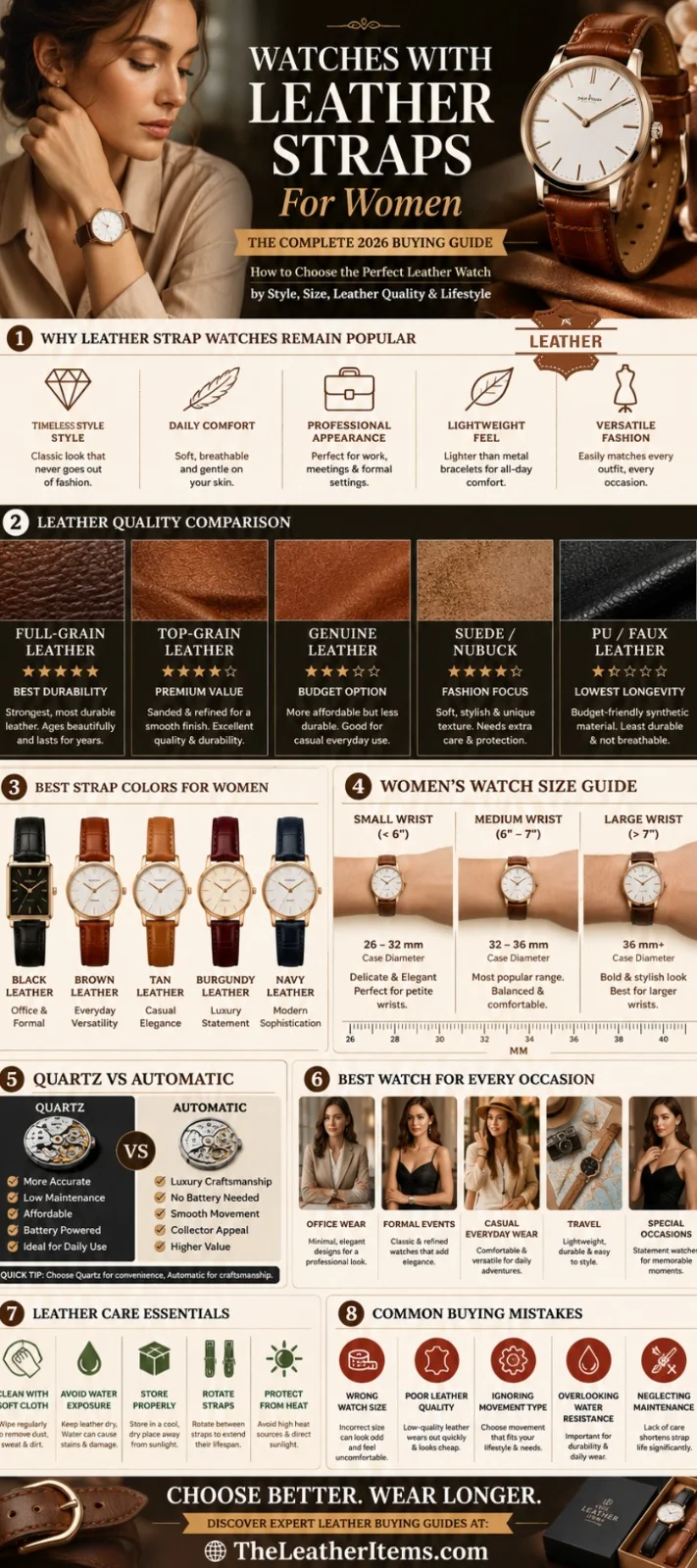
Full-grain leather is the most natural, strongest, and most durable part of the hide. The Leather Research Laboratory at the University of Cincinnati explains that full-grain leather keeps the original grain surface and has not had the surface removed by buffing, snuffing, or splitting. In practice, that usually means stronger fibers, better aging, and a richer patina over time.
Top-grain leather
Top-grain is the smooth, refined option many premium accessories use. Carl Friedrik explains that it is sanded and buffed to remove imperfections, which creates a more uniform appearance and a softer feel, though it usually has less patina potential than full-grain. For many buyers, this is the sweet spot between luxury and affordability.
Genuine leather
This label deserves caution. In retail, “genuine leather” can mean different things depending on the seller, and Carl Friedrik points out that the term is ambiguous and does not guarantee high quality. That is why buyers should look beyond the word itself and ask what exact grain or cut is being used.
Suede and nubuck
Suede and nubuck can look beautiful on women’s watches, especially in softer, fashion-led designs. They feel more delicate and textured, but they also need more careful cleaning. Longines specifically recommends brushing nubuck or suede rather than soaking it with liquid.
PU / faux leather
PU and faux leather can be useful for budget shoppers or trend-driven pieces, but they do not usually match the longevity, Breathability, or aging quality of real leather. They may look good at first, but they are generally not the best choice if you want a strap that improves with time. That is the practical trade-off.
Mini summary: For the best long-term ownership experience, full-grain is usually the strongest choice, top-grain is the easiest premium compromise, and “genuine leather” should always be checked carefully.
Leather types at a glance
| Leather type | Best for | Strength | Style feel |
| Full-grain | Long-term ownership | Highest | Natural, premium, develops patina |
| Top-grain | Balanced value | High | Smooth, refined, versatile |
| Genuine leather | Budget-conscious buyers | Variable | Depends on the seller’s quality |
| Suede / nubuck | Soft fashion looks | Moderate | Textured, elegant, delicate |
| PU / faux | Low-cost trend pieces | Lower | Uniform, synthetic, temporary |
Best Leather Strap Colors for Women
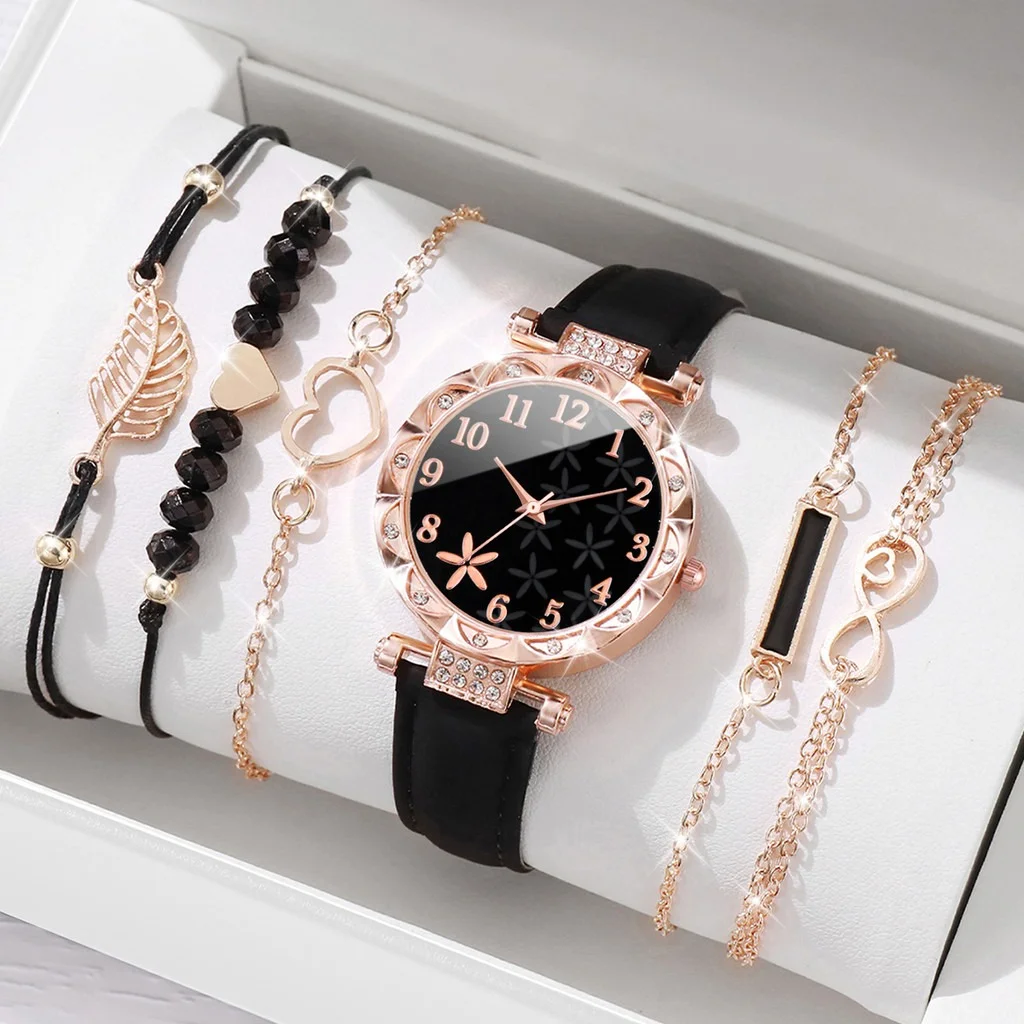
Color choice matters more than many buyers realize. Fossil’s women’s leather pages specifically call out brown, black, and brighter colors as useful wardrobe options, while styling guides from watch brands and strap specialists keep returning to the same truth: neutral straps are the most versatile. Black, brown, and tan work with most metals and most outfits.
Black is the most universal choice. It feels formal, clean, and easy to pair with business wear. Brown feels warmer and more traditional. Tan reads relaxed, soft, and modern, especially with cream, beige, white, and denim. Burgundy, navy, and forest green are excellent if you want something distinctive without becoming too loud.
A practical rule is simple: match the watch to your most common wardrobe, not your most unusual outfit. If you wear mostly silver jewelry and cool tones, black or navy leather may work best. If you wear gold jewelry and earthy colors, brown, tan, or burgundy often look more natural. That is the kind of decision that helps a watch feel “right” every day.
Choosing the Right Watch Size
Fit is one of the biggest purchase mistakes in women’s watches. Official sizing guides from Citizen, Daniel Wellington, and Watches of Switzerland all place women’s watches broadly in the 26 mm to 36 mm range, with smaller or dressier pieces often sitting lower in that band and bolder fashion watches moving upward.
A good strap should also match the case proportionally. Citizen advises that the strap width should generally be about half the case diameter for balance and comfort. Watches of Switzerland adds that case thickness matters too, with small-to-medium cases often around 7 mm and larger cases around 9 mm.
Wrist size guide
| Wrist size | Practical case range | Style note |
| Small wrists under 6 in | 26–32 mm | Slim, elegant, lightweight looks best |
| Medium wrists 6–7 in | 32–36 mm | Most flexible range for women |
| Larger wrists over 7 in | 36 mm and above | Can handle a bolder or more modern look |
This sizing range is a practical synthesis from official watch guides, not a hard rule. Personal style matters, but proportion matters more than trend when comfort and elegance are the goal.
Watch Movements Explained
Movement is the engine of the watch, and this is another area where many buyer guides stay too vague. Longines explains that quartz watches are battery-powered and typically offer higher accuracy, while automatic watches use a rotor that winds the mainspring as your wrist moves.
For most women buying a leather strap watch for daily life, quartz is usually the easiest choice. It is convenient, accurate, and low-maintenance. Automatic watches are better if you value mechanical craftsmanship and do not mind occasional servicing. Longines notes that automatic watches should generally be serviced every three to five years.
Crystal choice matters too. Citizen explains that mineral crystal is flexible and durable for everyday wear, while sapphire is known for stronger scratch resistance in many watch contexts. For a leather strap watch, a mineral crystal can be a strong value choice, while sapphire often pushes a watch into a more premium tier.
Water resistance should be interpreted carefully. A water-resistant watch is not the same as a waterproof or dive-ready watch, and a rating like 50 meters does not mean you should dive 50 meters with it. Watch guides and consumer explanations consistently note that depth ratings describe static pressure, not real swimming conditions. That matters because leather straps and excess moisture do not mix well.
What to buy by use case
- Daily office watch: quartz, mineral crystal, leather strap, modest water resistance.
- Dress watch: slim case, refined dial, neutral leather strap.
- Premium collector piece: automatic, better finishing, higher-grade leather, stronger brand heritage.
Leather Strap Watches for Different Occasions
For business and office wear, choose a calm, quiet design. Black, brown, and burgundy are strong choices because they look polished without drawing too much attention. Longines and Fossil both frame leather as refined and versatile, which is exactly what office dressing needs.
For formal events, smaller rectangular or oval cases often look especially elegant with leather. John Lewis’ current selection includes rectangular and square leather models from brands like Coach, Tissot, and Frederique Constant, which reflects how often this case shape appears in dress-watch styling.
For casual wear, tan, light brown, soft blue, and even pastel straps can work beautifully. Fossil’s collection and other fashion-led watch pages show how colored leather straps can make a watch feel more relaxed and personal.
For travel, prioritize comfort and reliability. That usually means quartz, an easy-to-read dial, and a strap color that works with multiple outfits. You want a watch that does not need a lot of attention.
Luxury Women’s Watches With Leather Straps
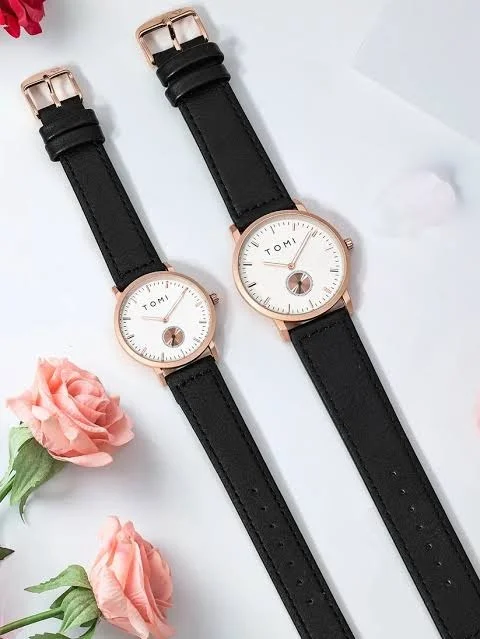
Luxury in this category usually comes from three things: better leather, better finishing, and stronger watchmaking heritage. Longines positions leather as a form of understated luxury, and current retailer listings show Swiss and premium European brands reaching much higher price points than fashion-led collections.
Luxury buyers should look for better stitching, more consistent edge finishing, higher-grade leather, and stronger crystal protection. LWG certification can also be a trust signal when a brand is transparent about sourcing, because the Leather Working Group is a recognized global multi-stakeholder standard for more responsible leather production.
Affordable Leather Strap Watches That Deliver Great Value
A lower price does not automatically mean a bad watch. The key is to know what gives value. Quartz movement, a clean dial, a decent leather strap, and a trusted brand can still provide excellent everyday performance. Fossil and Timex both show that leather watches can be accessible and practical at the same time.
What to avoid at the budget end is vague material wording, weak strap stitching, overly stiff leather, and poor fit. If the seller cannot clearly state the leather type, crystal type, and movement, that is a warning sign. Carl Friedrik’s guidance on grain terminology is useful here because material labels can be imprecise or misleading.
Leather Strap Watch Care Guide
Leather is beautiful, but it needs care. Longines recommends cleaning smooth or grained leather with a damp cloth and using a brush for suede or nubuck. It also advises against solvents. That is a very good baseline for women’s leather straps, too.
A practical care routine is simple:
- Wipe the strap after wear with a soft dry cloth.
- Let it rest in the open air after use.
- Keep it away from heavy rain, showers, and swimming.
- Clean gently only when needed.
- Store it in a cool, dry place.
If you wear the same strap every day, it will age faster. Rotation helps. So does keeping sweat, lotion, perfume, and moisture away from the leather whenever possible. Watch-care sources consistently point to moisture and harsh chemicals as the main enemies of strap life.
Mini summary: Clean Lightly, dry properly, and avoid water exposure. Leather lasts much longer when it is treated as a natural material, not as a disposable accessory.
Common Mistakes Buyers Make
The first mistake is choosing a style without checking the fit. A beautiful watch can still feel wrong if the case is too large or the strap is too wide. Official sizing guides repeatedly point back to proportion and comfort.
The second mistake is buying a watch with vague leather wording. “Leather” and even “genuine leather” do not automatically tell you enough. You need to know the grain type and the quality level if you want a strap that ages well.
The third mistake is assuming water resistance makes leather carefree. It does not. Leather and frequent moisture are a poor match, and water resistance ratings should never be misunderstood as a license to wear the watch in the shower or pool.
The fourth mistake is ignoring the movement. Quartz is easier. Automatic is more romantic and mechanical. Neither is “wrong,” but they serve different buyers. Longines is very clear that there is no single correct answer.
Leather Straps vs. Metal Bracelets
| Feature | Leather strap | Metal bracelet |
| Comfort | Softer and lighter | Solid and durable |
| Weight | Usually lighter | Usually heavier |
| Formal look | Excellent | Good |
| Everyday versatility | Excellent | Good |
| Maintenance | Moderate | Often easier to wipe clean |
| Wrist feel | Molds over time | Less adaptive |
This comparison is a practical buying framework rather than an absolute rule. A leather strap usually wins for softness, elegance, and all-day comfort, while a metal bracelet may win if you want maximum resistance to moisture and a more jewelry-like look. Fossil, Timex, and Longines all position leather as a comfort-first, style-first option.
Who Should Buy This Product
This style is ideal for women who want one watch that can work across many outfits. It is especially strong for office professionals, dress-watch buyers, gift shoppers, and women who like classic style with a softer feel on the wrist.
It is also a smart buy for people who care about a more traditional watch aesthetic. The leather strap gives the watch a rooted, timeless look that many metal bracelets do not naturally create. That is a major part of its appeal.
Who Should Avoid This Product
If you swim often, sweat heavily, or want a strap you never have to think about, leather may not be your best option. It can still work, but it requires more care than metal, silicone, or woven alternatives.
If you want a rugged sports watch, a leather strap is usually not the first choice either. Water-friendly and highly durable materials are usually better for that role.
Future Trends in Women’s Leather Watches
The strongest direction in the market is clearer sourcing, better finishing, and more modular straps. Brands are already emphasizing interchangeable straps, which let buyers refresh a watch without replacing the whole piece. Fossil explicitly highlights interchangeable leather straps in its women’s collection.
Another important trend is sustainability and traceability. The Leather Working Group says its standards now cover a large share of global finished leather production and focus on continuous improvement in the leather industry. For a buyer, that means transparency will keep mattering more, not less.
People Also Ask
A: Yes, especially if you choose a comfortable strap and avoid constant water exposure. Timex and Fossil both present leather as a strong everyday choice because it is soft, flexible, and easy to style.
A: It depends on the leather quality, climate, and care routine. Full-grain leather generally lasts longer than lower-grade options, and good care makes a big difference.
A: Official guides commonly place women’s watches around 26–36 mm, with 32–36 mm often being the most versatile zone for many wrists.
A: They can, but that does not mean they should. Light exposure is one thing; regular soaking, showers, and swimming will shorten strap life.
A: For most buyers, full-grain is the best long-term option, top-grain is the best balanced compromise, and lower-grade “genuine leather” should be checked carefully.
Final Verdict
If you want a watch that feels elegant, wearable, and easy to style, a leather-strap watch for women is still one of the best choices you can make in 2026. The strongest buys are those that combine the right strap leather, case size, movement, and level of maintenance for your lifestyle.
The best rule is simple: choose the watch you will wear often, not the watch that looks good only in a product photo. Favor a good fit, Honest Material Information, and a strap you can maintain. That is how a leather watch becomes a long-term accessory instead of a short-lived impulse buy.
Legal disclaimer: Leather quality, pricing, manufacturing standards, and product availability may vary by country, brand, and supplier. Always verify authenticity, material details, and care instructions before purchase.