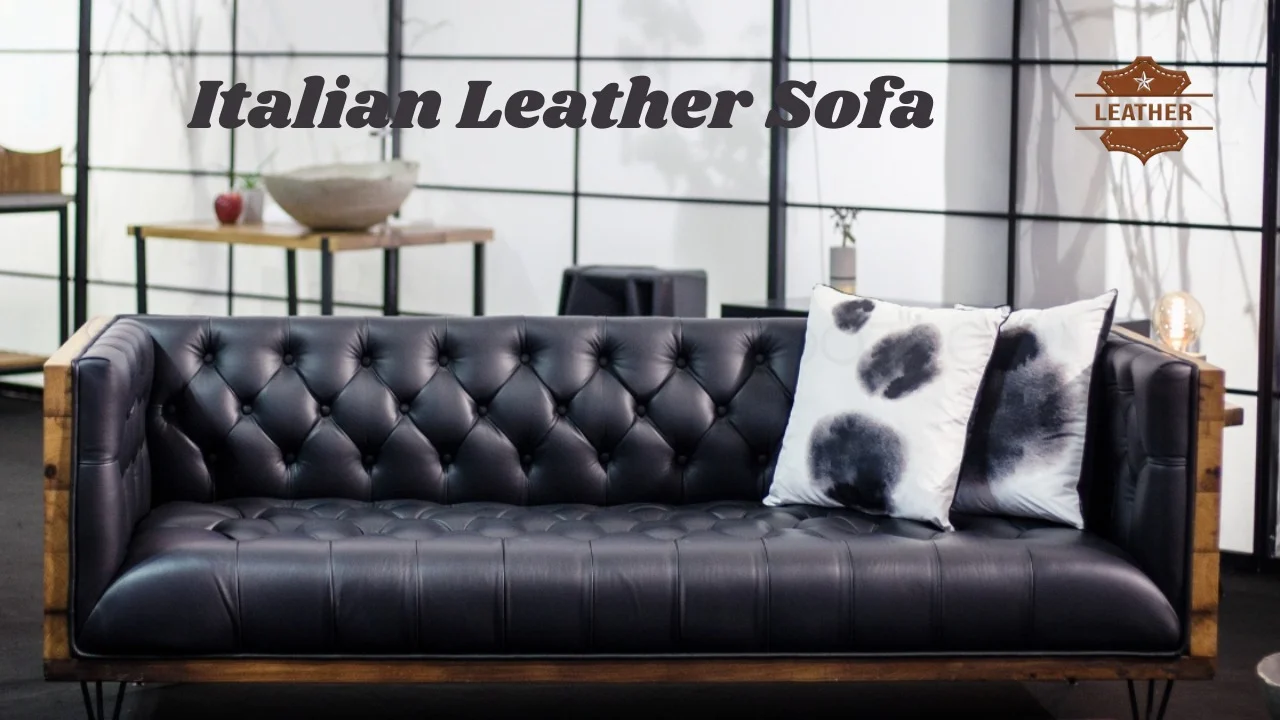
Italian Leather Sofa
An Italian Leather Sofa is one of the most searched luxury furniture purchases because it promises more than seating. Buyers want craftsmanship, comfort, long-term durability, and a piece that makes the whole room feel more expensive. In 2026, the smartest shoppers are not just asking “Is it leather?” They are asking what type of leather it is, how the frame is built, where the hide was tanned, and whether the sofa is designed for daily family use or for a more formal luxury interior.
The good news is that the Italian leather sofa category has clear quality signals once you know what to look for. Italian tanning culture is deeply tied to Tuscany, especially the Santa Croce sull’Arno district, which is known for a long leather tradition and a large concentration of tanneries. At the same time, major contemporary Italian brands continue to pair design with leather expertise, offering everything from compact modern sofas to large modular sectionals and premium statement pieces.
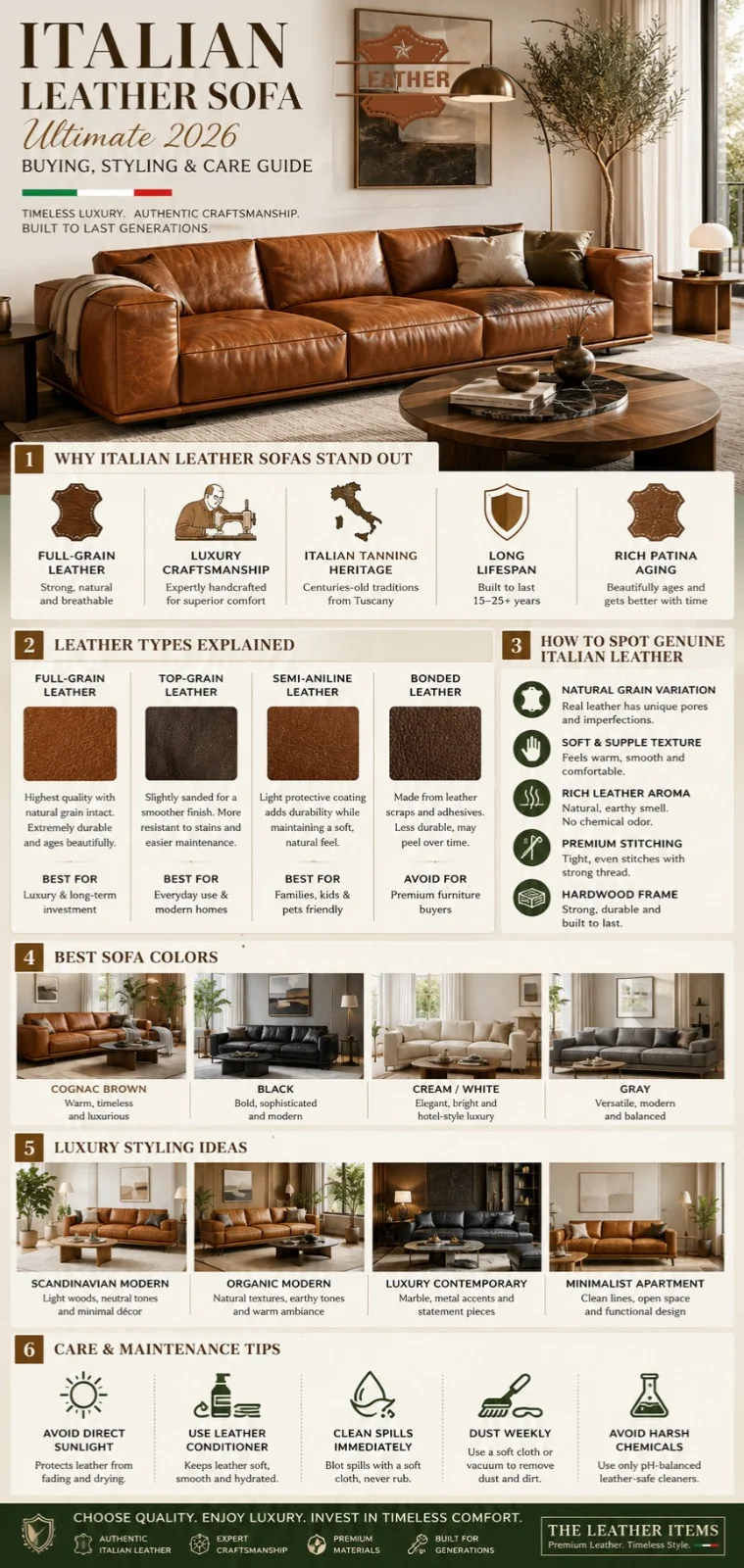
What Makes an Italian Leather Sofa Special?
The short answer is that the best Italian leather sofas combine fine leather selection, refined finishing, and design-led construction. The Leather Working Group explains that modern tanning is the transformative stage that stabilizes hides, while chrome tanning makes leather supple, water-resistant, and durable, and vegetable tanning creates a richer organic character. In Italy, that technical base is paired with centuries-old craft traditions and a strong design culture.
The other reason Italian leather sofas stand out is how they age. Good leather should not behave like cheap coated material that cracks and peels. It should soften, develop patina, and keep visual depth over time. That is why serious Italian brands talk about material collections, care systems, and design identity instead of just saying “premium leather.”
Types of Italian Leather Explained
Full-Grain Italian Leather
Full-grain leather keeps the natural grain layer intact and is widely regarded as the strongest, most durable leather grade. It is prized because it preserves the hide’s natural character and tends to develop the richest patina over time.
Top-Grain Italian Leather
Top-grain leather comes from the outer layer of the hide but is sanded or buffed to create a more uniform appearance. It is usually a little more refined visually and often easier to live with day to day than more natural full-grain leather.
Semi-Aniline Leather
Semi-aniline leather sits between natural appearance and practical protection. Official Poltrona Frau material pages show that finishing is used on pigmented and semi-aniline leathers to improve technical performance and final appearance. That means semi-aniline is typically a smart choice for buyers who want a luxurious feel with better everyday resilience. This is an inference from the manufacturer’s material and care guidance.
Aniline Leather
Aniline leather is the most natural-looking and least protected premium leather style. Poltrona Frau’s full-aniline leather guidance notes that unprotected leather can absorb liquids easily and needs careful maintenance, which is exactly why it appeals to buyers who love natural character and accept more visible markings.
Bonded Leather
Bonded leather is the weak option in this category. It is made by combining leftover leather pieces or fibers with a backing and coating, which lowers cost but also lowers long-term performance. It is the most likely to disappoint buyers who expect a true luxury sofa.
Quick takeaway
For a true long-term investment, full-grain and high-quality top-grain leather are usually the best choices. For everyday family use, semi-aniline or protected leather often offers the best balance of luxury and practicality. Full-aniline looks gorgeous but needs more careful ownership. Bonded leather is the budget compromise, not the premium option.
Table 1: Leather Types at a Glance
| Leather Type | Look & Feel | Best For | Main Watch-Out |
| Full-grain | Most natural, richest patina | Luxury buyers, long-term ownership | Higher price, visible natural marks |
| Top-grain | Smooth, more uniform | Modern homes, family rooms | Slightly less character than full-grain |
| Semi-aniline | Soft luxury with added protection | Daily-use sofas, households needing balance | Can still need careful cleaning |
| Aniline | Most natural and premium-looking | Design-focused buyers | Most sensitive to spills and sunlight |
| Bonded leather | Budget, coated look | Lowest-Cost purchases only | Shorter life and peeling risk |
How to Identify a Genuine Italian Leather Sofa
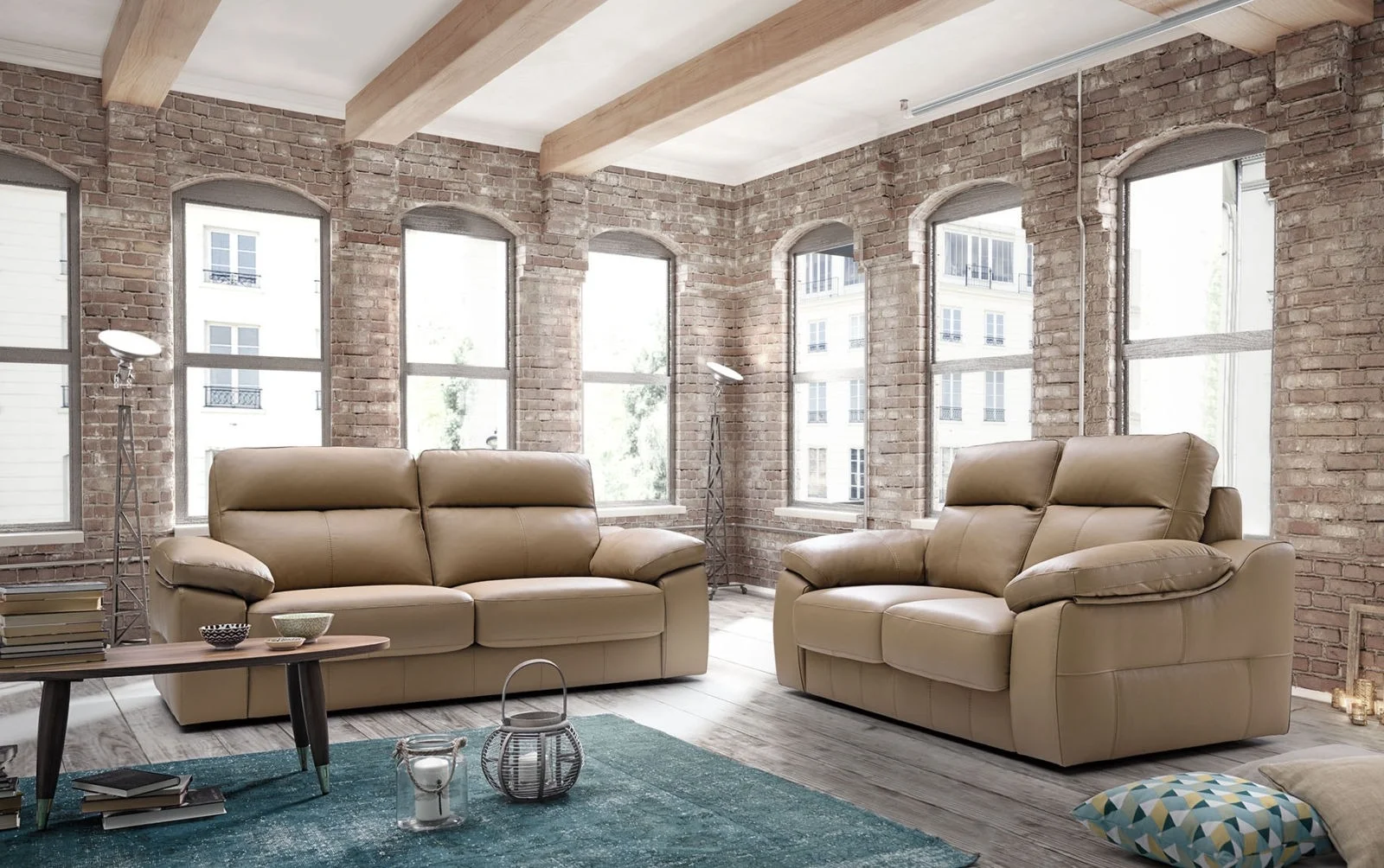
The easiest way to spot a real leather sofa is to inspect the surface, smell, label language, and build quality together. Real leather usually shows natural variation rather than repeating artificial patterns, and experienced retailers note that genuine leather often has an uneven feel, visible hide markings, or a rich leather smell.
When reading product information, watch for phrases like full-grain leather, top-grain leather, semi-aniline, aniline, Made in Italy, and named leather collections. Be cautious when a listing uses vague language such as “Italian style,” “Italian-inspired,” or “leather match.” That wording can describe design style rather than material origin or leather quality. This is a practical buying inference based on how the major Italian brands present materials and collections.
7 buying checks that matter most
A buyer should inspect the surface grain, the underside or product spec sheet, the upholstery description, the frame material, the cushion fill, the suspension system, and the warranty. Those are the details that separate a beautiful showroom sofa from a durable everyday piece.
The Construction Details Buyers Too Often Ignore
A premium leather sofa is not just about the leather. It is also about what sits underneath it. Solid hardwood or kiln-dried hardwood frames are preferred in high-end upholstery because they help reduce warping and structural failure over time. Cushion fill and suspension systems also affect whether the sofa feels expensive after three years, not just on delivery day. This section is an informed buying judgment based on how luxury brands describe structure, ergonomics, and comfort.
In practice, the best sofas usually combine a strong frame, quality suspension, and thoughtfully engineered cushions. Poltrona Frau highlights comfort, ergonomics, and craftsmanship in its sofa catalogue, while brands like Natuzzi and B&B Italia emphasize modularity, design identity, and broad upholstery options. Those are not random marketing points; they are signals that the structure and user experience matter as much as the exterior leather.
Table 2: What to Check Before You Buy
| Buying Check | Why It Matters | What “Good” Looks Like |
| Leather type | Determines feel, durability, and care | Full-grain, top-grain, semi-aniline, or protected leather |
| Frame | A weak frame ruins an expensive sofa | Hardwood or kiln-dried hardwood construction |
| Suspension | Controls support and sagging | Strong spring system or engineered support |
| Cushion fill | Affects comfort and shape retention | High-resilience foam or layered fill |
| Stitching | Reveals build quality | Tight seams, even stitching, reinforced stress points |
| Finish | Changes maintenance needs | Protected or semi-aniline for easier living |
| Warranty | Reflects manufacturer confidence | Clear material and structural coverage |
Best Italian Leather Sofa Styles in 2026
Modern Italian Leather Sofa
Modern Italian leather sofas usually feature clean lines, low profiles, slim arms, and minimal ornamentation. This style fits contemporary apartments, open-plan spaces, and Scandinavian-inspired rooms because it lets the material and proportions do the talking. Natuzzi, B&B Italia, and Minotti all continue to present clean, modular, design-led seating in this lane.
Italian Leather Sectional Sofa
A sectional is the best option when you want family seating, lounge comfort, or a sofa that defines an open-plan living area. Current Italian brand offerings show strong demand for modular and sectional layouts, including highly premium leather pieces such as B&B Italia’s Camaleonda and the modular families presented by Natuzzi and Minotti.
Chesterfield-Style Italian Leather Sofa
This is the classic choice for buyers who want a more formal, heritage look. It works beautifully in executive offices, moody libraries, and masculine living rooms. The key is to choose one with real leather depth and proper seating comfort, not only a decorative tufted shell. That is a design recommendation based on how luxury leather sofa buyers evaluate both form and function.
Reclining Italian Leather Sofa
Reclining Italian leather sofas are for comfort-first buyers who still want premium materials. These are best when the frame, headrest mechanism, and cushion support are engineered properly. Luxury brands position comfort and ergonomics as core value drivers, which is exactly what you should expect from a reclining model in this category.
Best Colors for an Italian Leather Sofa
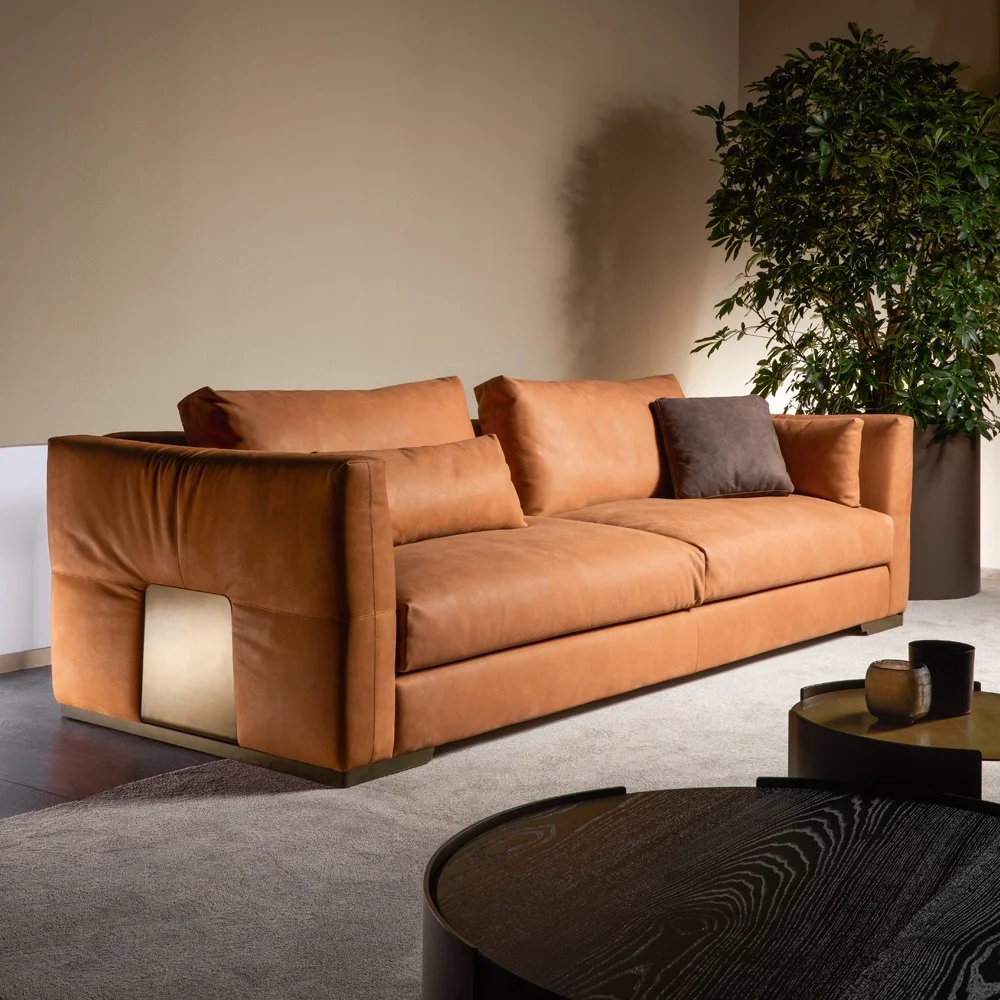
Cognac brown, deep black, cream, warm taupe, and gray are the most commercially safe and design-friendly choices. Brown and cognac bring warmth and a patinaed luxury feeling. Black looks sharp in modern, industrial, and monochrome interiors. Cream and ivory read as high-end and editorial, but they need more care. Gray remains one of the most versatile options for contemporary homes. Italian brands often offer large color ranges, and Natuzzi notes some sofas are available in more than 100 colors.
Practical color advice
Choose brown or cognac for a timeless, warm home, black for a strong, modern statement, cream for a boutique-hotel look, and gray if you want the safest all-around option. This is design guidance rather than a hard rule, but it is aligned with how luxury manufacturers present leather collections and modular living-room styling.
Italian Leather Sofa vs Fabric Sofa
Leather and fabric solve different problems. Leather is easier to wipe, carries a more premium visual identity, and tends to improve in character if the hide and finish are good. Fabric offers broader texture options and may feel softer from day one, but it usually requires more frequent cleaning and can show wear differently. Leather care guidance from Natuzzi and Poltrona Frau strongly reinforces the value of dusting, prompt spill treatment, and avoiding direct sun or heat.
For many buyers, the decision comes down to lifestyle. Families, pet owners, and frequent hosts often appreciate the cleanability of leather. Buyers who prioritize texture variety, color range, or a softer, casual look may prefer fabric. That is a practical inference from the way current Italian furniture makers position their materials and product lines.
How Long Do Italian Leather Sofas Last?
A well-made leather sofa can be a long-haul purchase. Recent furniture guides and retail advice commonly place good leather sofas in the 15–25 year range with proper care, and some Well-Maintained pieces last even longer. The real driver is not just the leather type; it is also the frame, foam, suspension, and how consistently the owner cares for the sofa.
Italian luxury brands strengthen this logic by publishing care instructions, material-specific maintenance rules, and collection-specific leather guidance. That level of aftercare detail is a strong clue that the product is intended to last, not just to look attractive on arrival.
Best Italian Leather Sofa Brands to Know
The best-known Italian names in this space include Natuzzi, Poltrona Frau, B&B Italia, and Minotti. Natuzzi positions itself around Italian furniture and living-room design; Poltrona Frau emphasizes craftsmanship, ergonomics, and luxury leather upholstery; B&B Italia offers high-end modern sofas and sectionals, including leather versions; and Minotti continues to present luxury sofas with detailed care guidance and refined design language.
These brands matter for SEO and buyer trust because they anchor the category with recognizable luxury entities. A shopper who sees those names understands the difference between a true design-led Italian sofa and a generic “Italian-style” listing. B&B Italia’s current product pages even show leather sectionals at very high price points, such as the Camaleonda Sectional sofa in Anthracite leather at $32,269, while Poltrona Frau’s catalogue displays sofas across upper premium price bands.
What the current market says about pricing
At the luxury end, Italian leather sofas regularly reach several thousand dollars or euros and can climb far higher depending on design, upholstery, and configuration. Poltrona Frau’s site shows many sofas in the 0–10,000 and 10,000–20,000 price categories, while B&B Italia displays leather pieces above $30,000. Natuzzi also highlights premium Italian furniture and clearance pricing that still reflects a made-in-Italy positioning.
Italian Leather Sofa Buying Guide
1. Start with the leather type
Do not buy by color alone. Full-grain gives the strongest long-term character, top-grain gives a cleaner look, semi-aniline balances appearance and protection, and full-aniline gives the most natural feel but requires the most care.
2. Check the frame and seating system
A premium leather upholstery can still fail if the frame is weak or the cushions collapse. Look for solid hardwood framing, stable support systems, and seating that feels supportive rather than just soft. Luxury brands consistently frame their products around ergonomics and comfort for a reason.
3. Match finish to lifestyle
If you have children, pets, or heavy daily use, protected or semi-aniline leather is usually the smarter move. If you want the richest natural appearance and are comfortable with more visible patina and more careful upkeep, aniline is the premium lifestyle choice. This is supported by manufacturer care guidance showing how protection changes maintenance behavior.
4. Measure your room properly
Many sofa regrets happen because the piece is too deep, too long, or too visually heavy for the room. Modular Italian sectionals solve this well, especially in open plans and larger spaces, while compact luxury models are better for smaller homes and apartments.
5. Ask for care documentation
If the seller cannot provide clear care instructions, that is a warning sign. Major brands do provide them, and both Natuzzi and Poltrona Frau have explicit leather maintenance guidance available online.
Common Buying Mistakes to Avoid
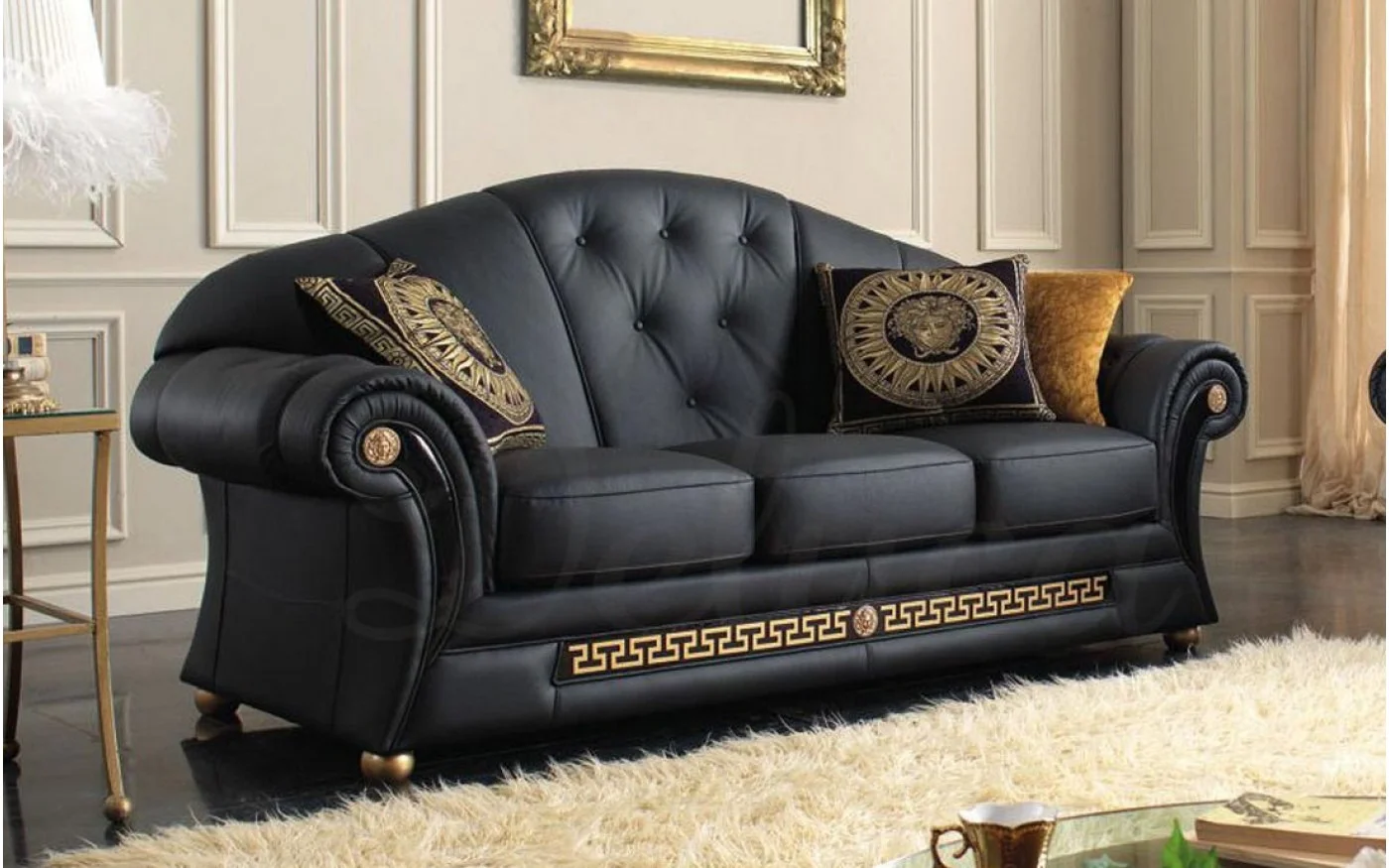
The biggest mistake is buying an expensive-looking sofa without checking the leather type. The second is assuming “Italian” automatically means premium construction. The third is ignoring room size and seat depth. The fourth is choosing a finish that does not match the household’s real use. The fifth is forgetting that leather needs care, especially when it is a more natural finish. These mistakes show up again and again in general furniture advice and brand care documentation.
How to Style an Italian Leather Sofa
Organic modern
Pair a cognac or brown sofa with oak, linen, stone, and calm neutral walls. This creates warmth and makes the leather feel collected rather than showroom-stiff. The look works especially well with low-profile Italian silhouettes.
Scandinavian modern
Choose gray, tan, or cream leather and keep the surrounding decor light, minimal, and textural. Italian leather in this setting becomes the grounding anchor rather than the loudest object in the room.
Luxury contemporary
Use black or deep brown leather with marble, brass, large art, and layered lighting. Luxury brands present leather sofas as design centerpieces for a reason: the material gives the room instant visual authority.
Family-friendly elegance
Pick a semi-aniline or protected leather in a mid-tone shade and add washable throws, a durable rug, and rounded tables. This keeps the room beautiful while reducing daily stress.
Italian Leather Sofa Care Guide
The easiest way to protect a leather sofa is to keep care simple and consistent. Natuzzi recommends regular dusting, gentle brushing for dry dirt, prompt spill removal by dabbing, and keeping leather away from direct sunlight or hair dryers. Poltrona Frau similarly advises soft cloth cleaning, Avoiding Alcohol or harsh solvents, and keeping leather away from heat and strong sun.
Weekly care
Dust with a soft, non-abrasive cloth and vacuum creases gently. That keeps debris from settling into seams and surface grain.
Monthly care
Check for dryness, color dullness, or frequent-use wear zones. Use only manufacturer-approved conditioner or cleaning products when the brand recommends them.
Spill response
Blot immediately with a soft cloth. Do not rub aggressively. For some luxury leathers, brand guidance specifically warns that liquids can leave permanent marks even when cleaned quickly.
What to avoid
Avoid direct sun, direct heat, alcohol, and generic household cleaners. Those are the exact things most manufacturers’ care sheets flag as risky.
Are Italian Leather Sofas Worth It?
Yes, when the sofa is genuinely well-made. The value is not only in the leather itself, but in the total package: strong construction, better feel, longer lifespan, timeless styling, and the way leather develops character over time. That is why luxury brands continue to build around leather instead of moving away from it.
They are especially worth it for buyers who want a statement piece, host often, value easy cleaning, or plan to keep the sofa for many years. They are less ideal for buyers who want ultra-low upfront cost or who know they will change styles very quickly. That is a practical buyer judgment based on current market positioning and maintenance requirements.
Who Should Buy an Italian Leather Sofa?
This category suits buyers who want durability, luxury feel, and a strong visual anchor in the living room. It is a great fit for design-conscious homeowners, apartment owners who want one premium focal point, families willing to care for the sofa properly, and people who prefer furniture that improves with age.
Who Should Avoid It?
Buyers who want the lowest possible upfront price, who dislike patina or natural hide variation, or who do not want to maintain upholstery should probably look elsewhere. The same is true for buyers who are shopping only for “Italian” styling without checking the construction and leather spec sheet.
Future Trends in the Leather Sofa Industry
The direction of the market is clearer now than it was a few years ago. Luxury brands are leaning into modularity, compact luxury, better comfort engineering, and stronger sustainability language. Leather Working Group’s certification framework and environmental impact work show that responsible leather manufacturing is now a major industry conversation, not a niche talking point.
Italian manufacturers are also continuing to invest in story-rich collections, care systems, and made-in-Italy identity. Natuzzi, Poltrona Frau, B&B Italia, and Minotti all show this through their current product pages, care guidance, and 2026 collection language.
Frequently Asked Questions
A: Usually, yes, in the sense that the best Italian leather is tied to strong tanning tradition, refined finishing, and premium furniture design. The real difference still depends on the actual hide grade, finish, and construction, not just the word “Italian.”
A: Full-grain is generally the highest-grade choice for long-term character, while top-grain and semi-aniline are often better for buyers who want a cleaner look and easier daily living.
A: Natural leathers can show marks, especially full-aniline and full-grain styles, but that is often part of the material’s character. Protected or semi-aniline leathers usually handle daily life better.
A: Use a soft cloth, gentle dusting, and brand-approved care products. Avoid alcohol, harsh chemicals, direct heat, and direct sunlight whenever possible.
A: They are worth it when the sofa has real leather quality, a strong frame, and a finish that fits your lifestyle. In that case, the sofa can become a long-term piece rather than a short-term purchase.
Conclusion
The smartest way to buy an Italian leather sofa in 2026 is to look beyond the label and judge the whole piece: leather grade, finish, frame quality, comfort system, and long-term care. Buyers who understand these details get the real luxury experience instead of a surface-level imitation. The strongest brands in the market keep proving the same point through their collections, materials, and care systems: leather is only worth it when the craftsmanship behind it is real.
Legal disclaimer: Leather quality, pricing, manufacturing standards, and product availability may vary by country, brand, and supplier. Always verify authenticity, Material Details, and care instructions before purchase.