Introduction
A Camel Leather Sofa is one of those rare pieces that looks current today and still feels relevant years later. It brings warmth, depth, and a natural luxury that works in modern, Scandinavian, mid-century, and transitional spaces. Design coverage continues to favor warm neutrals, earthy palettes, and textured interiors, which is exactly why camel leather keeps showing up again and again in living rooms and editorial-style homes.
But buying one is not as simple as falling in love with the color. The best camel leather sofa is not just about shade. It is about leather type, finish, frame strength, cushion build, size, and how it will age in your home. That is where most competitor pages fall short: they either give styling ideas without buying advice, or buying advice without camel-specific design guidance.
This guide fixes that. You will learn how camel leather differs from cognac and tan, which leather types are worth paying for, how to style the sofa in real rooms, what construction details matter, and how to choose the right one for pets, kids, and long-term use. Leather retailers and furniture brands consistently describe quality leather as something that softens with use, develops patina, and can last for decades when cared for properly.
What Is a Camel Leather Sofa?
A camel leather sofa is a sofa upholstered in leather dyed or finished in a warm camel tone. In design terms, camel sits between tan, caramel, cognac, and saddle brown. It feels lighter and softer than deep chocolate leather, but richer and more grounded than beige. That balance is a big reason it works so well in modern interiors.
Camel leather is popular because it acts like a neutral without looking flat. It adds color, but not too much color. It brings warmth, but not heaviness. That makes it easy to pair with wood, stone, linen, wool, brass, black accents, and simple modern shapes.
Camel vs. Tan vs. Cognac vs. Saddle
Camel is usually the softest, warmest, and most versatile of the group. Tan can lean paler and more beige. Cognac usually reads deeper, richer, and slightly redder or more amber. Saddle tends to feel more classic and rustic. These differences are subtle, but they matter when you are trying to match your sofa to wall color, flooring, and decor style. This comparison is a design inference based on how interior sources describe warm leather tones and neutrals.
Mini summary: Camel leather is a warm, adaptable leather color that works as a statement piece without overpowering a room.
Why Camel Leather Sofas Are So Popular in 2026
Camel leather fits the direction of current interiors: warm neutrals, organic textures, and lived-in luxury. Design coverage continues to highlight brown, tan, camel, beige, and earthy palettes because they feel timeless, calming, and easy to layer with natural materials.
It also works across styles. Living Spaces and Livingetc both point to neutral palettes, textures, and wood pairings as especially strong with camel leather. Livingetc also notes that leather sofas have made a noticeable comeback in current interiors because warm tones and natural materials are back in favor.
That means camel leather is not a passing trend. It is one of those rare choices that can work in modern apartments, family rooms, lofts, and refined home libraries. It looks expensive, but it does not feel cold.
Camel Leather Sofa Pros and Cons
Pros
Camel leather has a lot going for it: it is warm, elegant, versatile, and easy to style. Quality leather furniture also tends to age well, soften over time, and develop a patina that many buyers actively want. Retailers such as Pottery Barn, West Elm, and Room & Board describe leather furniture as long-lasting and character-building, with some pieces lasting for decades or even a lifetime with care.
Cons
The trade-offs are real. Better leather and better construction usually cost more. Sofas with more natural finishes can show scratches and color variation earlier. Leather also needs basic care, especially away from direct sunlight and heat.
Practical verdict
If you want a sofa that feels luxurious, works with many color schemes, and improves with age, camel leather is a strong choice. If you want a worry-free, ultra-uniform, set-it-and-forget-it surface, you may prefer a more protected finish or even a fabric alternative.
Understanding Leather Quality Before Buying
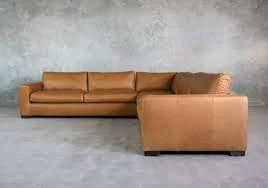
Not all leather is equal. The biggest buying mistake is assuming every “leather sofa” has the same construction or aging behavior. It does not. Current furniture guides consistently distinguish between full-grain, top-grain, split, bonded, aniline, semi-aniline, and pigmented finishes.
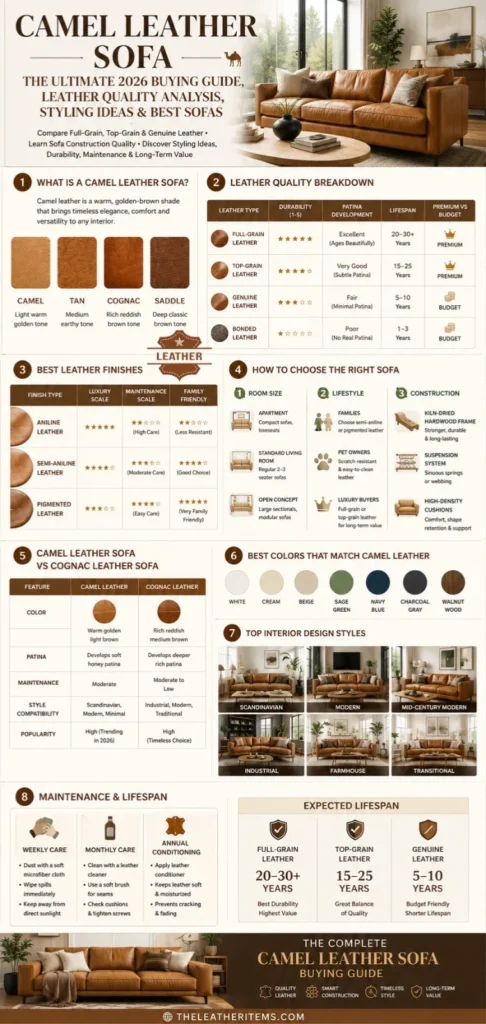
Leather Type Comparison Table
| Leather Type | What It Means | Best For | Watch Outs |
| Full-grain leather | The most natural outer layer of the hide, minimally altered | Buyers who want the richest patina and highest natural character | More visible markings and usually a higher price |
| Top-grain leather | The outer layer, refined and often sanded for a more uniform look | Most sofa buyers who want durability and a cleaner appearance | Less natural patina than full-grain |
| Genuine leather | A broad marketing term, often lower on the quality ladder than full-grain or top-grain | Budget-conscious shoppers | Often less durable and less consistent |
| Split / bonded leather | Lower layers or leather scraps combined with other materials | Low-budget or temporary use | Lower longevity and more peeling risk |
This table is a practical synthesis of how major furniture retailers explain leather furniture categories and finishes. Pottery Barn and Room & Board both emphasize that full-grain and top-grain leathers are the strongest upholstery options, while lower or corrected materials trade away some durability and character.
Best Leather Finishes for a Camel Sofa
| Finish | Look | Best For | Real-World Benefit |
| Aniline | Soft, natural, highly visible grain | Luxury buyers and design-first homes | Beautiful patina and rich character |
| Semi-aniline | Natural feel with a light protective topcoat | Most households | Better balance of beauty and stain resistance |
| Pigmented / protected | More uniform and more resistant to marks | Families and busy homes | Easier maintenance and more consistency |
Room & Board, Pottery Barn, and West Elm all describe aniline leather as natural and character-rich, semi-aniline as More Protective, and pigmented finishes as the most durable and easiest to clean.
Expert note: For a camel leather sofa, semi-aniline is often the sweet spot. It keeps the warm, premium look while giving you a more practical everyday surface. That is an informed recommendation based on how the major furniture brands describe finish performance.
How to Choose the Best Camel Leather Sofa
Buying the right camel leather sofa is really about matching the sofa to your lifestyle. The best-looking piece is not always the best long-term buy. A good decision depends on room size, seating needs, leather finish, frame, and how much wear the sofa will get.
1. Choose the right size
A compact apartment usually needs a loveseat or apartment sofa. A medium living room can handle a standard three-seater. Large open-plan rooms often work best with a sectional or chaise layout. The Spruce and other furniture guides consistently remind buyers to measure carefully and choose a shape that fits traffic flow as well as the room itself.
2. Choose the right seat depth
If you like upright sitting, a moderate seat depth is better. If you lounge, watch movies, or nap on the sofa, deep seating is more comfortable. Deep seat models are very common in the current market, especially in modular and lounge-focused designs.
3. Inspect the frame
A strong sofa starts with a strong frame. Guides from The Spruce, West Elm, Pottery Barn, and Room & Board all point toward hardwood, kiln-dried wood, engineered hardwood, and solid joinery as key durability markers. Kiln-dried frames reduce the risk of warping and cracking.
4. Look at the suspension
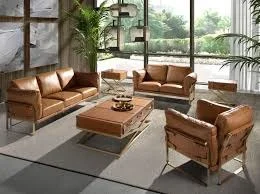
Serpentine springs and other quality support systems matter because they affect comfort and long-term shape. The Spruce specifically highlights spring systems and frame quality as part of its testing process, and West Elm lists sinuous springs or similar support in several of its leather sofas.
5. Check cushion construction
High-resiliency foam, foam wrapped in fiber, and down-blend cushions each create a different feel. Foam is usually more structured, while feather-down feels softer and more relaxed. West Elm’s leather guides and product pages repeatedly show these fill types across their sofas.
Buying Framework Table
| Buyer Need | Best Choice |
| Apartment / small room | Loveseat, apartment sofa, slim-arm model |
| Family room | Three-seater or sectional with protected leather |
| Luxury interior | Full-grain or aniline top-grain camel leather |
| Kids and pets | Semi-aniline or pigmented leather |
| Lounge-first comfort | Deep seat, feather-blend cushions |
| Long-term value | Hardwood frame, kiln-dried joinery, top-grain leather |
This framework is based on how major retailers and product testers describe construction, comfort, and finish trade-offs.
Camel Leather Sofa vs. Cognac Leather Sofa
A camel leather sofa is usually lighter, softer, and more neutral. A cognac leather sofa is deeper and richer, often with a warmer amber or reddish tone. Both are stylish, but they create different moods. Camel feels airy and versatile. Cognac feels more dramatic and heritage-inspired. This is a design comparison rather than a technical leather distinction.
| Feature | Camel Leather Sofa | Cognac Leather Sofa |
| Color mood | Soft, warm, neutral | Rich, deep, amber-toned |
| Best room style | Scandinavian, modern, transitional | Mid-century, classic, moody modern |
| Visual weight | Lighter | Heavier |
| Styling flexibility | Very high | High, but more specific |
| Overall vibe | Calm and airy | Strong and luxurious |
Camel Leather Sofa vs. Fabric Sofa
Leather and fabric solve different problems. Leather usually wins for Longevity, easy wipe-down cleaning, and the patina effect. Fabric usually wins for softness, wider color choice, and a more casual feel. West Elm notes that leather sofas and chairs tend to last much longer than fabric, while Room & Board says leather can last many decades with care.
Camel leather is a good middle ground if you want the warmth of fabric-like color with the resilience of leather. It is especially strong in homes that want a polished look without giving up comfort.
Best Interior Design Styles for Camel Leather Sofas
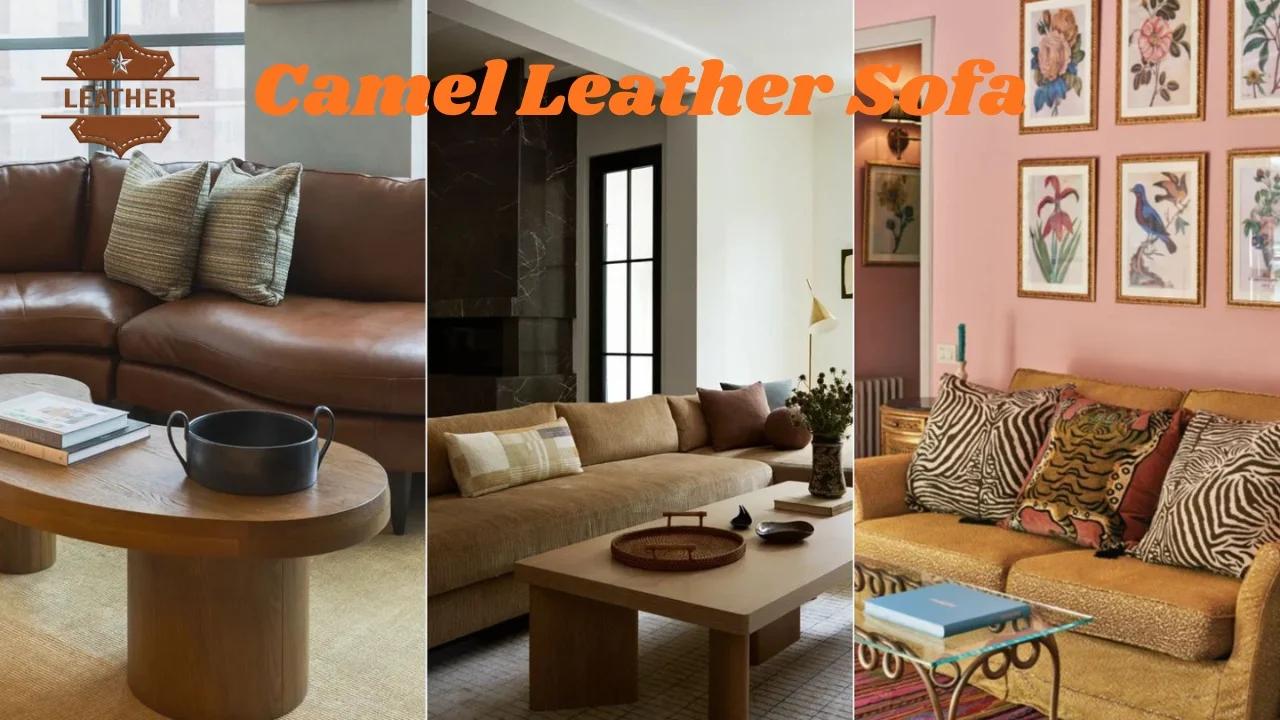
Camel leather works because it sits comfortably inside several major design styles. Living Spaces, Livingetc, and other interiors coverage consistently pair leather with natural textures, neutral walls, wood tones, and muted accent colors.
Best-fit styles
- Modern: clean lines, low profile, black accents, minimal decor.
- Scandinavian: white walls, pale wood, soft textiles, simple forms.
- Mid-century modern: walnut, tapered legs, organic shapes.
- Industrial: black metal, concrete, exposed textures, warm lighting.
- Farmhouse: linen, oak, woven accents, casual layers.
- Transitional: balanced, calm, versatile, easy to update over time.
These style pairings align with current designer commentary on warm neutrals, brown palettes, and natural materials.
Camel Leather Sofa Living Room Ideas
1. White walls + camel leather
This is the safest and most elegant combination. White keeps the room bright, while camel provides the warmth. Living Spaces specifically recommends creamy and warm backdrops for camel furniture.
2. Black accents + camel leather
Black frames, lamps, or tables add contrast and make the sofa stand out. This pairing feels modern and polished.
3. Natural wood + camel leather
Oak, walnut, pine, and acacia all complement camel leather extremely well. That combination creates a layered, organic look that feels expensive without trying too hard.
4. Green plants + camel leather
Plants soften the room and add life. Sage, olive, and deep green are especially strong with camel and brown leather. Livingetc and House Beautiful both point to green-and-earthy palettes as a strong current direction.
5. Neutral layered interior
Camel, cream, beige, taupe, and soft gray create a quiet, expensive look. This is the easiest route if you want timeless style instead of a trend-driven room.
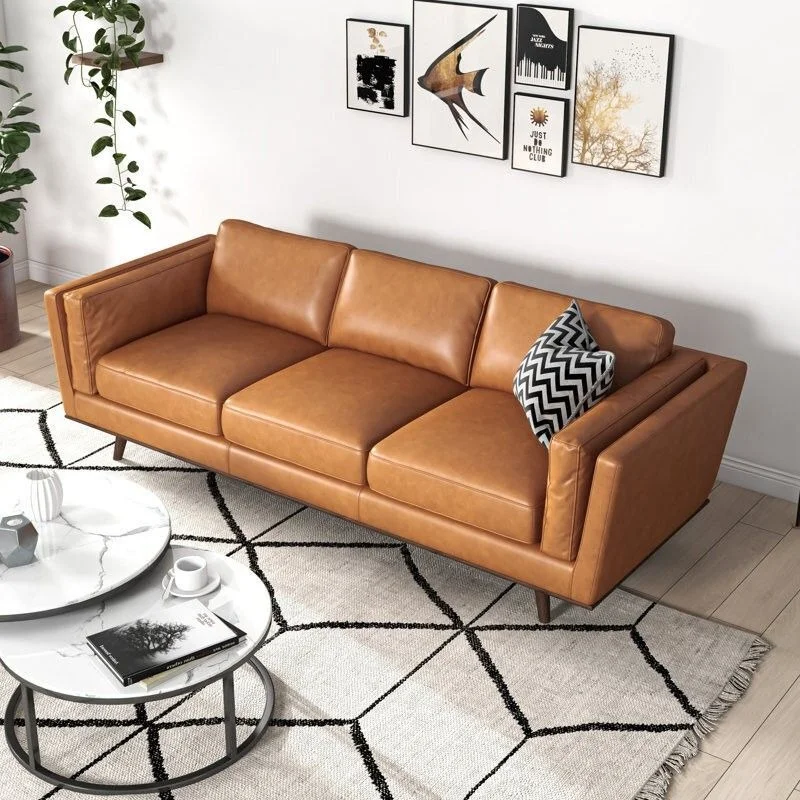
Best Colors That Match Camel Leather Sofas
Camel leather is easy to decorate around because it behaves like a warm neutral. Design coverage repeatedly supports combinations with cream, beige, gray, blue, green, walnut, and darker brown tones.
Best matches:
- White
- Cream
- Beige
- Sage green
- Olive
- Navy blue
- Charcoal gray
- Walnut wood
For a calm room, stay neutral. As a richer look, add deep green or navy. For a more natural feel, layer woods, woven fibers, and textured textiles.
Best Camel Leather Sofa Sizes
The right size depends on the room, not just the look.
- Loveseat: best for apartments, reading corners, and small rooms.
- Standard sofa: best for most living rooms.
- Apartment sofa: ideal when floor space is tight but you still want the sofa look.
- Sectional: best for larger rooms and family lounging.
- Chaise sofa: great when you want a lounge seat without committing to a full sectional.
Retailer pages show that buyers increasingly want multiple widths, modular layouts, and chaise options because living rooms are used for more than just sitting now.
Are Camel Leather Sofas Good for Homes with Pets?
Yes, they can be. The key is choosing the right finish. Semi-aniline or protected leather is usually the more practical choice for homes with pets because it resists marks better than a highly natural aniline finish. Room & Board and Pottery Barn both note that scratches and natural wear are part of leather’s character, but protected finishes are better for easier upkeep.
For pets, also think about:
- nail management
- Throw blankets on high-use areas
- keeping the sofa out of direct sunlight
- avoiding overly soft, Easily Snagged Accessories
That is the kind of practical advice current competitor pages tend to underdeliver.
Are Camel Leather Sofas Good for Families with Kids?
Yes, especially if you choose top-grain or semi-aniline leather with a durable frame and easy-clean cushions. West Elm explicitly describes some semi-protected leathers as family-friendly, while other furniture guides point to top-grain and pigmented finishes as easier to maintain.
The real family test is not whether the sofa is perfect on day one. It is whether it still looks good after spills, snacks, movie nights, and daily use. Leather that develops character instead of looking worn is usually the better long-term value.
How Long Does a Camel Leather Sofa Last?
A quality leather sofa can last for decades. Pottery Barn says well-cared-for leather furniture can last for decades and become even more comfortable over time; West Elm says leather seating often lasts much longer than fabric and may last a lifetime; Room & Board also says leather sofas can last many decades.
In practical terms, the sofa’s lifespan depends more on build quality and care than on color. A camel sofa made with top-grain leather, kiln-dried hardwood, and good cushioning will usually outlast a cheaper sofa made with weak frames and lower-grade materials. That is a reasonable inference from the product and care guidance above.
Mini summary: Quality camel leather sofas are built for long service life, but the frame, finish, and maintenance routine matter as much as the leather itself.
How to Clean and Maintain a Camel Leather Sofa
Good care is simple, not complicated. Major furniture brands consistently recommend dusting, blotting spills, keeping leather out of direct sunlight, and avoiding harsh cleaning products.
Weekly care
Wipe dust away with a dry cloth or soft vacuum attachment. This prevents grit from scratching the surface.
Monthly care
Check for loose cushions, rotate where possible, and inspect areas that get the most use. Some leather sofas have non-reversible cushions, so rotation and even wear are especially important.
Spill care
Blot immediately. Do not rub. Use a slightly damp cloth only if the manufacturer approves it, and avoid soaking the leather. Pottery Barn and West Elm both warn against heat, harsh detergents, and direct sun.
Conditioning
Use only leather-safe conditioner and test first in a hidden area. Room & Board and Pottery Barn both stress using product-specific care and avoiding household cleaners that strip natural oils.
Common Mistakes Buyers Make
- Buying bonded leather and expecting premium longevity.
- Ignoring the frame and only focusing on the color.
- Choosing the wrong size for the room.
- Selecting a finish that does not match the family’s use.
- Forgetting about sunlight, heat, and maintenance.
The biggest mistake is buying the sofa for the photo instead of for the household. A camel leather sofa should look great on day one, but it should still work when real life starts happening.
Best Camel Leather Sofa Brands in 2026
Well-known furniture brands that appear often in current leather-sofa coverage include Pottery Barn, West Elm, Room & Board, Crate & Barrel, Burrow, and Article. These brands are frequently referenced in recent leather-sofa testing, buying guides, and product pages because they offer durable frames, top-grain or aniline options, and multiple size configurations.
How to think about the brands
- Pottery Barn: strong for classic silhouettes and long-term leather care guidance.
- West Elm: strong for modern design, top-grain leather, and practical finishes.
- Room & Board: strong for material education, leather finish explanations, and sustainability language.
- The Spruce-tested brands: Pottery Barn, Burrow, Article, Crate & Barrel, and others are frequently tested in real-home settings.
Future Trends in the Leather Industry
The future of leather content and buying behavior is moving toward two things: more transparency and more sustainability proof. Leather Working Group continues to emphasize responsible leather manufacturing, independently verified information, and continuous improvement across the supply chain. It also highlights leather’s durability, repairability, and longevity as part of a more circular approach.
That matters for camel leather sofas because the buyer is no longer asking only, “Does it look good?” They are also asking, “Where did it come from? How long will it last, and will I still love it five years from now?” A strong pillar article should answer both the design question and the trust question.
Who Should Buy a Camel Leather Sofa?
A camel leather sofa is a smart fit for:
- homeowners who want one anchor piece that elevates the whole room
- buyers who like warm minimal interiors
- people who want a stylish sofa that ages gracefully
- design-led households that care about texture and natural materials
- buyers who want a neutral piece with more character than beige fabric
Who Should Avoid It?
It may not be ideal for:
- buyers who want a perfectly uniform, low-maintenance surface
- households that are unwilling to do basic leather care
- Anyone who prefers a very cool-toned or ultra-dark room palette
- people who need the absolute lowest price point
Frequently Asked Questions
A: Yes. Camel leather continues to fit current interiors because warm neutrals, brown tones, and natural textures are still strongly favored in design coverage.
A: Quality leather can show scratches, especially natural finishes, but many light marks soften or blend in over time. Protected or semi-aniline finishes are usually better if you want fewer visible marks.
A: Cream, beige, ivory, charcoal, olive, navy, and muted patterned rugs all work well. The best choice depends on whether you want the room to feel calm, dramatic, or layered.
A: No, not if you follow basic care: dust regularly, blot spills quickly, keep it out of direct sun, and use leather-safe products only.
A: Leather often develops patina and visual depth as it is used. That aging effect is part of the appeal of quality leather furniture.
Final Verdict
A camel leather sofa is more than a trend piece. It is a versatile, design-forward, long-term furniture choice that works in modern homes because it balances warmth, elegance, and durability. The best versions use strong frames, quality top-grain or Full-Grain Leather, and finishes that match your lifestyle.
If you want the safest all-around choice, look for top-grain camel leather in a semi-aniline finish with a kiln-dried hardwood frame and supportive cushions. That combination gives you the best balance of beauty, comfort, and everyday practicality.
For readers who want a sofa that feels luxurious today and looks even better later, camel leather is one of the strongest options you can publish about, buy or build a room around.
Legal Disclaimer
Leather quality, pricing, manufacturing standards, and product availability may vary by country, brand, and supplier. Always verify authenticity, material details, and care instructions before purchase.