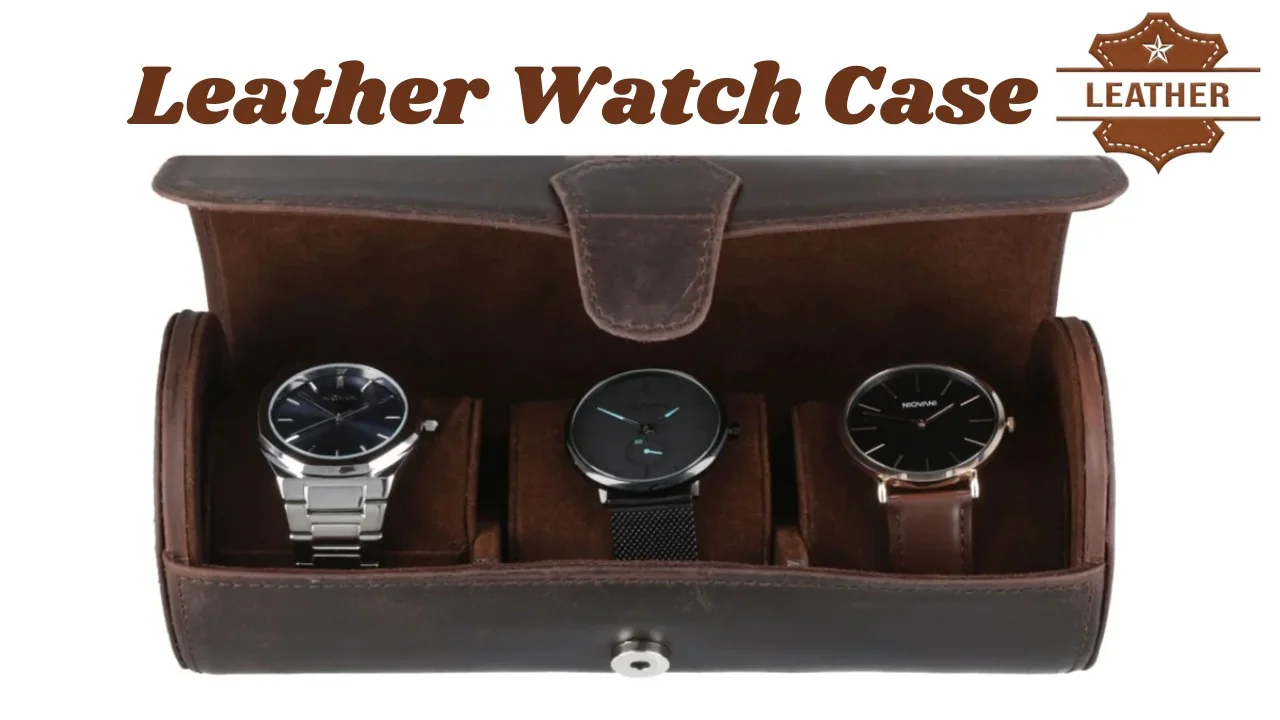
Leather Watch Case
A Leather Watch Case is more than a storage accessory. For many buyers, it is the difference between a watch that stays protected for years and one that gets scratched, compressed, or stored carelessly. If you own one watch, a small case can keep it safe on a dresser or while traveling. If you collect multiple timepieces, the right case helps you organize, preserve, and present them with care.
Leather is a strong fit for watch storage because it combines structure, style, and long-term usability. Leather itself is a preserved animal hide created through tanning, which turns a perishable material into something stable and durable; the material has been used for centuries across fashion, luggage, and accessories. Full-grain leather, in particular, keeps the natural surface intact, which is why it is widely respected for premium goods.
In 2026, leather quality, traceability, and responsible production matter more than ever. Leather Working Group says it is a global non-profit focused on audit certification and responsible leather production, and it notes that over a third of global finished leather production is assessed using its audit standard. It also says its 2026 framework will move toward a Leather Production Standard, Chain of Custody Standard, and Decarbonisation Framework.
This guide is built to answer the real buyer questions: which leather is best, how big the case should be, how to protect watches during travel, and how to store a collection for the long term.
What Is a Leather Watch Case?
A leather watch case is a storage container designed to hold one or more watches safely. Depending on the design, it may look like a compact zip case, a travel roll, a display box, a valet tray, or a rigid collector’s storage box. The outer shell is made from leather or leather-like material, while the interior is usually lined with microfiber, suede, felt, or soft fabric to reduce friction.
Its main job is simple: protect the watch from scratches, dust, pressure, and accidental impact. A good case also keeps watches separated so metal clasps, crowns, and buckles do not rub against each other.
Why it matters
A watch is a precision object, but many buyers store it like an ordinary accessory. That is a mistake. Watches are sensitive to pressure, moisture, and surface abrasion. A proper leather watch case gives the watch a dedicated space, which is especially valuable for collectors, frequent travelers, and anyone rotating between multiple watches.
What a good case should do
A good leather watch case should:
- hold the watch securely without crushing it
- Keep the crystal from touching hard surfaces
- Protect the caseback and clasp from scratches
- close firmly for transport
- allow enough room for the watch thickness and strap type
Why a Leather Watch Case Matters in 2026
In 2026, buyers care about more than appearance. They want products that support longevity, travel convenience, and responsible ownership. That is where a well-made leather watch case stands out.
First, it supports preservation. If you care about resale value, regular wear condition, or collection quality, storage matters. A badly stored watch can pick up micro-scratches and pressure marks that reduce perceived value.
Second, it supports travel use. Many collectors now travel with at least one backup or rotation watch. A compact leather case is easier to pack than a bulky box and more elegant than throwing the watch into a drawer or toiletry bag.
Third, it supports presentation. Leather gives a premium look that fits luxury watches, men’s accessories, and gifting. That presentation matters when the product is being sold to fashion buyers or collectors.
Fourth, sustainability and traceability are more visible buying factors. LWG says its certification and evolving standards are meant to improve transparency, environmental performance, and supply-chain responsibility across the leather value chain.
A leather watch case is not just storage. It is part of the watch ownership experience.
Benefits of Using a Leather Watch Case
1) Scratch protection
A soft-lined case creates a barrier between the watch and harder materials. That matters for polished bezels, sapphire crystals, clasps, and bracelet edges.
2) Dust control
Covered storage keeps dust from settling on the dial, caseback, crown, and bracelet links. This is especially useful for watches stored daily but not worn daily.
3) Travel safety
A case prevents the watch from bouncing around in luggage or being crushed by other items. For business travel, this is one of the biggest practical reasons to buy one.
4) Better organization
A dedicated case makes it easier to rotate between watches. You know where each watch is, and you reduce the chance of misplacing accessories.
5) Luxury presentation
Leather looks and feels premium. For gifting, retail display, or collector presentation, it creates a better first impression than plastic storage.
6) Preservation of condition
The better you protect a watch, the better it tends to age. That is important for collectors who want to keep the original condition and reduce unnecessary wear.
Mini summary:
A leather watch case is worth it when protection, presentation, and long-term watch condition matter more than cheap storage.
Types of Leather Watch Cases
There is no single best design. The right choice depends on how you use your watches.
Single watch case
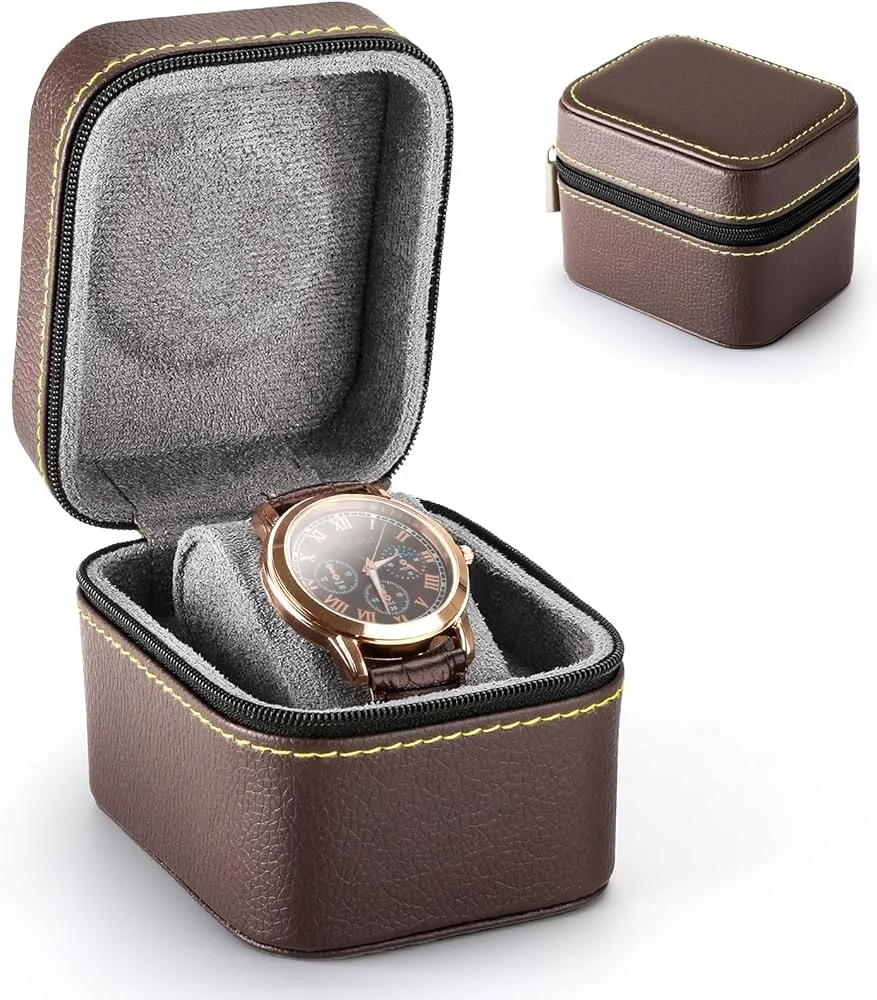
Best for one daily watch or one travel watch. Compact, lightweight, and easy to pack.
Multi-slot watch case
Best for collectors or buyers with a rotating set. Usually holds 2, 3, 4, 6, or more watches.
Leather watch roll
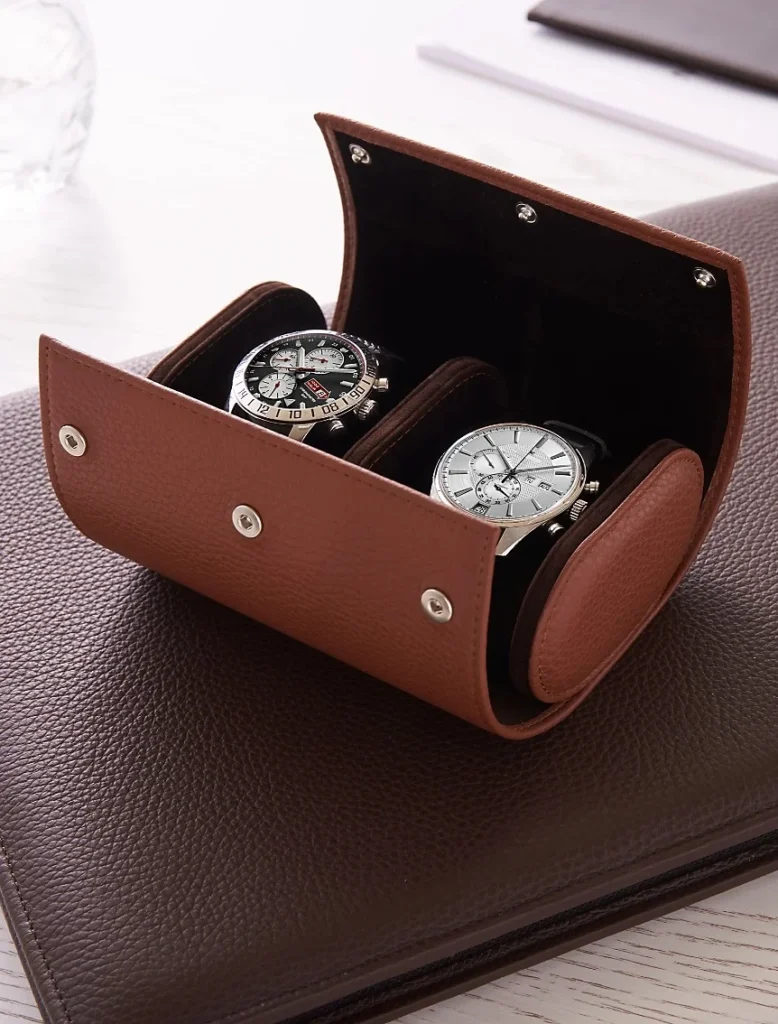
A Flexible, compact option that works well for travel. Rolls usually fit several watches and take less space than boxes.
Travel watch case
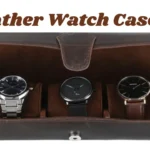
Designed for portability. Often zippered, padded, and built to resist movement inside luggage.
Watch display box
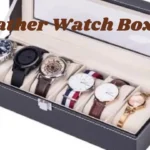
Best for dresser storage and presentation. These may have a clear lid, rigid construction, or individual compartments.
Valet tray
A stylish everyday storage solution for one or more watches along with keys, rings, or wallet items.
Watch storage cabinet
Best for larger collections. These are for enthusiasts who want organized, long-term home storage.
Leather Grades Explained
Leather quality changes the whole experience. A watch case is not only about style; it is about how the material ages, resists wear, and supports the structure of the case.
Horween defines full-grain leather as leather whose surface is left completely intact, showing all natural characteristics of the hide. That is one reason premium leather goods often use it. Horween also notes that corrected grain leather is sanded to make the surface more uniform.
Full-grain leather
This is the highest-value option for many buyers. It tends to age well, develop character, and hold up strongly over time.
Top-grain leather
Usually refined for a more uniform appearance. It is still premium, but the surface may be corrected for consistency.
Genuine leather
This term can mean real leather, but it usually sits lower in the hierarchy than full-grain or top-grain. Buyers should inspect the construction carefully.
Bonded leather
Made from leather scraps and binding materials. Usually not the best choice for a premium watch case.
Crazy Horse leather
Known for a rugged, waxed look and rich patina. Good for buyers who like character.
Vegetable-tanned leather
Respected for craft and aging potential. It can be a strong choice for premium, heritage-style products.
Saffiano leather
Typically more structured and scratch-resistant in appearance, with a patterned finish. Good for a cleaner, luxury look.
Practical buying rule:
If the goal is long-term preservation and premium presentation, prioritize full-grain or high-quality top-grain leather. If the goal is lower cost, expect compromises in aging and durability.
Leather Watch Case Materials Comparison
| Material | Durability | Luxury Feel | Travel Friendliness | Typical Price |
| Full-grain leather | Excellent | Excellent | Excellent | $$$$ |
| Top-grain leather | Very good | Excellent | Very good | $$$ |
| Genuine leather | Moderate | Good | Good | $$ |
| PU leather | Low to moderate | Fair | Good initially | $ |
| Bonded leather | Low | Fair | Fair | $ |
Takeaway:
For a watch case that should last, age well, and look premium, full-grain or strong top-grain leather is the safest bet. That matches the kind of quality-first approach premium tanneries like Horween describe in their own materials, where hide quality, grain, and processing discipline are central to the finished result.
How to Choose the Best Leather Watch Case
Choosing the best case is not about choosing the most expensive one. It is about choosing the one that fits your watches, your routine, and your future collection.
1) Collection size
Buy for today, but think ahead. If you own 2 watches now and plan to collect 4, do not buy a case that maxes out immediately.
2) Watch diameter compatibility
A large-dial watch does not always need a giant slot, but it does need enough clearance so the watch does not press against the walls.
3) Cushion design
The cushion should support the watch without overstretching leather straps or squeezing bracelets. Good cushions matter as much as outer leather.
4) Interior lining
Soft microfiber, suede, or similar lining reduces surface friction. Avoid rough interiors.
5) Hardware quality
Zippers, snaps, hinges, and closures should feel solid. Weak hardware ruins an otherwise good case.
6) Stitching quality
Even stitching is a sign of better construction. Loose threads usually signal shortcuts.
7) Security features
For home storage, look for lockable closures, rigid shells, or storage that can fit into a safe.
8) Portability
If you travel often, weight and compact size matter more than display aesthetics.
Mini summary:
The best case is the one that fits the watch properly, protects the finish, and matches your daily use.
Leather Watch Case Size Guide
Sizing is one of the biggest gaps in competitor content, and it is one of the most important buying decisions.
Watch diameter chart
| Watch Size | Recommended Slot Width |
| 36mm | 40–42mm |
| 40mm | 44–46mm |
| 44mm | 48–50mm |
| 50mm+ | 54mm+ |
How to size correctly
A watch case should not fit so tightly that the watch gets compressed. At the same time, it should not be so loose that the watch moves around during transport.
Use this simple rule:
- Measure the case diameter.
- Add clearance for the crown and side profile.
- Check strap thickness or bracelet width.
- Make sure the cushion supports the watch without force.
Lug-to-lug considerations
Lug-to-lug length is often more important than diameter alone. A watch with long lugs may need more horizontal room than a rounder case of the same diameter.
Thickness clearance
A diver or chronograph usually needs more internal depth than a slim dress watch. This is where many buyers make mistakes.
Bracelet vs strap watches
Bracelet Watches can be a little easier to position, but they still need enough cushion support. Leather straps may be more sensitive to bending and crease pressure.
Best practice:
When in doubt, buy slightly larger capacity, not smaller. Collections grow, and the right case should not become useless in six months.
Best Leather Watch Cases by Use Case
Best for daily storage
Choose a compact single or double case with soft lining and a secure closure.
Best for luxury watches
Choose full-grain leather, rigid construction, soft interior lining, and a refined finish.
Best for travel
Choose a zippered travel case or leather watch roll with padding and compact dimensions.
Best for collectors
Choose a multi-slot case with consistent spacing, firm cushions, and expansion room.
Best for gifting
Choose a visually premium box with elegant stitching, structured shape, and presentation-ready packaging.
Best budget option
Choose a decent, genuine leather or high-quality PU option, but inspect the lining and stitching carefully.
Leather Watch Roll vs Leather Watch Box
This is one of the most useful comparisons for buyers.
| Feature | Leather Watch Roll | Leather Watch Box |
| Best use | Travel | Home storage |
| Portability | Excellent | Moderate |
| Protection | Very good | Excellent |
| Presentation | Good | Excellent |
| Space efficiency | Excellent | Good |
| Collection growth | Moderate | Excellent |
| Everyday access | Good | Very good |
Watch roll
A roll is ideal for travel because it packs tightly and keeps watches separated. It is less bulky, easy to carry, and good for short trips.
Watch box
A box is better for dressing table storage, collector display, and long-term organization. It usually offers a more rigid structure and stronger presentation value.
Simple rule:
If you travel often, buy a roll. If you mostly store watches at home, buy a box. Many collectors own both.
Travel Watch Cases: What Frequent Travelers Need
Travel changes the priority list. A watch case for travel should protect against pressure, vibration, accidental impact, and packing compression.
TSA-friendly storage
A compact case is easier to remove during security screening and easier to repack after inspection.
Compact design
Choose a case that fits naturally into a carry-on, backpack, or briefcase.
Shock protection
The inner support matters more than the outer leather. Padding should stop the watch from shifting.
Moisture awareness
Do not store a damp watch in a closed case for long periods. Let the watch dry first.
Carry-on recommendation
For expensive watches, carry-on storage is usually better than checked luggage. This is a practical risk-reduction choice.
Packing tip
Place the watch case between softer items in the bag so it does not get crushed by hard objects.
Mini summary:
Travel cases should protect movement, reduce pressure, and stay small enough to pack without drama.
How Collectors Store Luxury Watches
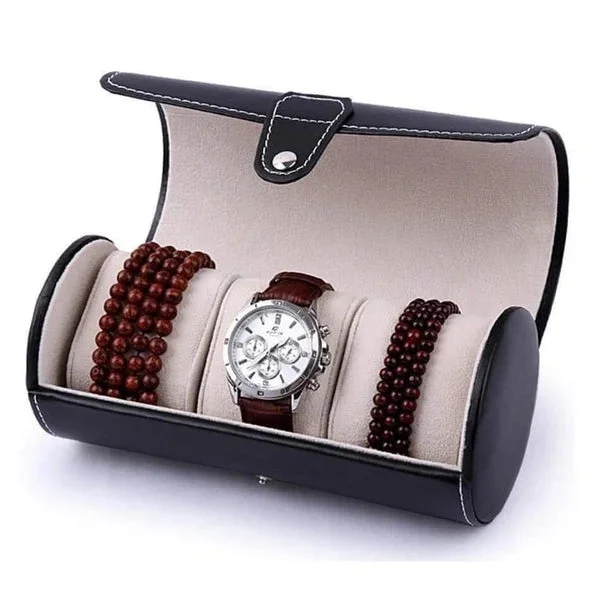
Collectors think differently from casual buyers. They need organization, protection, and long-term condition management.
1) Rotation systems
Many collectors store watches by frequency of use. Daily watches stay easy to reach, while seasonal or special-occasion watches go deeper in storage.
2) Safe storage
For high-value watches, a leather case may be the first layer, but a safe or secure cabinet is often the second layer.
3) Humidity control
Humidity is important for long-term preservation. A case alone is not climate control. If you live in a humid area, use silica gel or proper cabinet control.
4) Long-term preservation
Avoid storing watches where heat, sunlight, or moisture can affect the leather, straps, or seals.
5) Display strategy
Collectors often want the watches visible. In that case, choose a case or box that looks good enough to display while still protecting the contents.
Collector rule:
The more valuable the watch, the more disciplined the storage should be.
Common Mistakes When Buying a Leather Watch Case
Choosing the wrong size
This is the easiest mistake to avoid and one of the most damaging.
Ignoring interior quality
The exterior may look beautiful, but the lining is what touches the watch.
Buying cheap PU leather blindly
Low-Cost Synthetics may look good on day one, but often age poorly.
Overlooking cushion fit
If the cushion is too hard or too thick, it may damage leather straps or create pressure on the bracelet.
Buying too small for future growth
Most watch collectors buy more watches over time. The case should have room for that reality.
Ignoring closure quality
If the zipper, snap, or latch fails, the case fails.
Practical advice:
Do not buy by looks alone. Buy by fit, lining, construction, and growth potential.
Leather Watch Case Care Guide
Leather is durable, but it still needs care. That is part of the value.
Cleaning leather
Dust the outside regularly with a soft, dry cloth. For deeper cleaning, use a leather-safe cleaner sparingly and test first.
Conditioning leather
Condition occasionally, but do not overdo it. Too much product can soften the case or alter the finish.
Preventing cracks
Keep the case away from direct heat and long sun exposure. Dry leather is more likely to age badly.
Protecting against moisture
If the case gets damp, let it air dry naturally. Never use high heat.
Long-term storage tips
Store the case in a cool, dry place and keep the interior free of dust or debris.
What not to do
- Do not soak it
- Do not use harsh chemicals
- Do not rub aggressively
- Do not store it in a humid corner long-term
Leather Watch Case Maintenance Schedule
| Task | Frequency |
| Dust removal | Weekly |
| Surface cleaning | Monthly |
| Leather conditioning | Every 3–6 months |
| Hardware inspection | Every 6 months |
| Deep cleaning | Yearly |
Mini summary:
A well-kept case protects the watch better and also lasts much longer itself.
Leather Watch Case Buying Checklist
Before you buy, check these items:
- full-grain or top-grain leather, where possible
- soft microfiber or suede lining
- proper watch fit
- secure closure
- reinforced construction
- quality stitching
- room for future collection growth
- travel suitability if needed
- stable cushion design
- good return policy or product details
A buyer who checks these boxes is far less likely to regret the purchase.
Pros and Cons of Leather Watch Cases
Pros
- premium appearance
- strong gifting value
- Good protection when well-made
- flexible for travel or home use
- can age beautifully
- supports organized storage
Cons
- quality varies a lot
- Cheap versions can wear out quickly
- Some cases are too small or too soft
- Not all leather claims are equal
- Poor interiors can still scratch watches
Bottom line:
A leather watch case is worth it when the build Quality is real, not just the branding.
People Also Ask
A: Yes, especially if you care about scratch prevention, presentation, and keeping watches organized. A good case is a small purchase that can help protect a much more expensive item.
A: For most buyers, full-grain leather is the best overall choice because it keeps the natural surface intact and tends to age well. High-quality top-grain leather is also a strong option.
A: That depends on your use case. A single case is perfect for travel or one daily watch. Collectors often benefit more from 3-slot, 6-slot, or larger cases.
A: They can greatly reduce the risk of scratches by keeping watches separated and lined with soft material. They are not magic, though. Fit and interior quality matter most.
A: Neither is universally better. Rolls are better for travel. Boxes are better for home storage and display.
History and Evolution of the Leather Watch Case
Leather goods have long been associated with travel, storage, and personal accessories. Leather itself has been used for thousands of years, and tanning transformed hides into stable materials suitable for tools, clothing, luggage, and protective goods.
The leather watch case evolved from that broader tradition. As wristwatches became more common and later more collectible, owners needed better storage. The modern leather watch case combines old-world material craft with modern watch care needs: separation, cushioning, portability, and premium presentation.
In the luxury market, presentation became part of the product experience. That is why high-end brands and craftsmen continue to invest in leather packaging, trays, and watch boxes. A good leather case now serves both practical and emotional needs: it protects the watch and makes ownership feel intentional.
Why It Still Matters in 2026
The watch market is still driven by enthusiasts, collectors, fashion buyers, and gift buyers. At the same time, buyers are more aware of product quality, material sourcing, and long-term value. LWG’s continued push for traceability, certification, and evolving standards shows how seriously the leather industry is treating responsible production and transparency in 2026.
For a watch case, this means the best content should not just say “buy leather.” It should explain what kind it is, why it matters, how it is built, and how it serves different users.
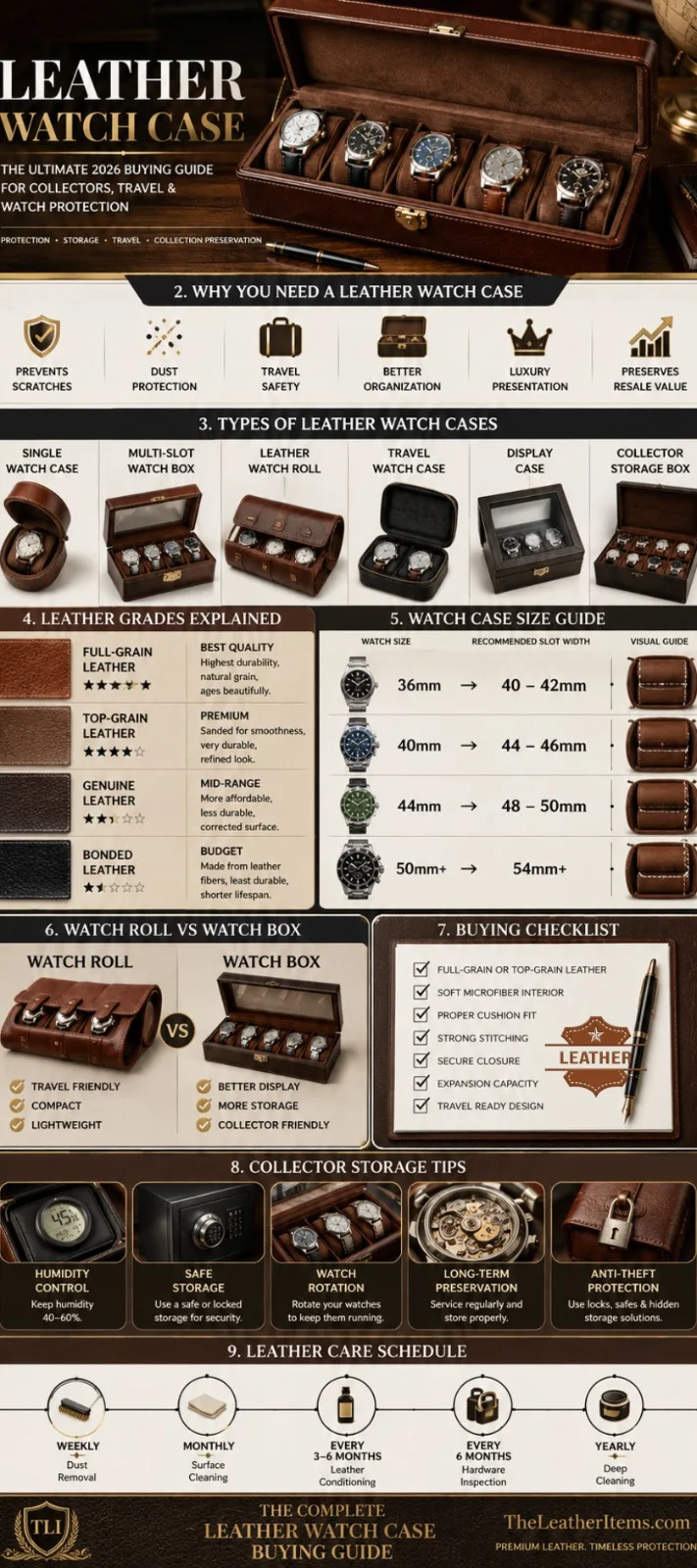
Best Uses of a Leather Watch Case
A leather watch case works especially well for:
- daily desk storage
- travel protection
- collector organization
- gift presentation
- luxury retail packaging
- safe-side storage inside a home safe
- keeping strap watches separated from each other
It is less useful when:
- The buyer only needs the cheapest possible storage
- The product is poorly built
- The interior is too rough
- The watch is stored in a high-humidity environment without care
Future Trends in Leather Watch Storage
Expect more of the following:
- cleaner, minimal luxury styling
- better soft-touch interiors
- stronger emphasis on traceability
- more modular collector systems
- travel-first compact storage
- hybrid designs that combine display and transport
- premium packaging that doubles as long-term storage
Sustainability will keep shaping buyer decisions. LWG’s current work on the Leather Production Standard, Chain of Custody Standard, and decarbonisation framework suggests that responsible sourcing and transparent supply chains will become even more important signals for premium leather goods.
Conclusion
A leather watch case is one of the smartest accessories a watch owner can buy. It protects against scratches, keeps watches organized, improves travel convenience, and adds a premium feel to everyday ownership. For collectors, it is also part of a preservation strategy. As travelers, it is part of packing discipline. For gift buyers, it elevates presentation.
If you want the best result, focus on fit first, leather quality second, and interior construction third. Full-grain and strong top-grain leather are the safest premium choices. A good case should match the Watch Size, support the strap or bracelet properly, and give you room to grow your collection over time.
For TheLeatherItems.com, this topic is an excellent pillar page because it can connect naturally to leather care, full-grain vs genuine leather, men’s accessories, luxury leather buying, and storage advice. That makes it a strong authority piece, not just a product page.
Final recommendation:
Choose the best case for your use case, not just the prettiest one. A well-made leather watch case should protect your watches today and still feel useful years from now.