Introduction
Leather Bracelets For Women are no longer just casual accessories. In 2026, they sit at the intersection of style, craftsmanship, and everyday function. That is why they work for so many wardrobes: denim looks, office outfits, travel fits, evening wear, and gift shopping all at once. The best part is that leather develops character over time, so a well-made bracelet does not just stay in style; it gets better as it ages. Real leather is breathable, durable, repairable, and known for developing a unique character over time, while synthetic lookalikes often peel or crack faster.
This guide is built to solve the exact problem most shoppers face: choosing a bracelet that looks good, fits well, lasts long, and actually matches the outfit it is meant to complete. You will find the main styles, leather grades, sizing tips, care rules, gift ideas, and 2026 fashion direction in one place.
What Are Leather Bracelets for Women?
Snippet-ready answer: Leather bracelets for women are wrist accessories made from treated leather and designed in styles like cuffs, wraps, braids, slim bands, and personalized pieces. They can be casual, minimalist, boho, or luxury depending on the leather, hardware, and finish. Leather itself is animal hide that has been chemically treated to preserve it, making it suitable for long-term use in fashion goods.
Leather bracelets are popular because they sit in a sweet spot between jewelry and fashion accessory. They add texture without feeling too formal, and they can look relaxed or polished depending on the design. That flexibility is one reason luxury houses and fashion brands keep returning to leather bracelet collections year after year.
Why Leather Bracelets Matter in 2026
In 2026, the strongest accessories are the ones that feel personal, wearable, and easy to layer. Current bracelet trend coverage points toward personalization, statement cuffs, and mix-and-match styling, while luxury accessory pages continue to position bracelets as discreet, elegant, and easy to wear. Leather fits that mood perfectly because it can be soft or structured, minimal or bold, and practical or elevated.
Leather also works well in modern wardrobes because it pairs with both soft fabrics and sharper tailoring. A slim leather band can finish a clean office outfit, while a braided or wrapped bracelet can loosen up a simple weekend look. That range is exactly why leather remains a useful accessory category instead of a one-season trend.
A Short History of Leather Bracelets
Leather has been used for clothing and accessories for centuries because it is durable and adaptable. As a material, it is made by treating animal skins and hides so they last and resist decay. Over time, leather moved from pure utility into fashion, and bracelet designs followed the same path: from functional wrist wraps and banded pieces to polished fashion jewelry.
Today, leather bracelets sit in three style lanes at once: artisan craft, everyday fashion, and luxury jewelry. That mix is part of their appeal. They feel handmade even when they are refined, and they can look timeless rather than overly trendy.
Main Types and Styles of Leather Bracelets
| Style | Best For | Style Effect | Best Outfit Match |
| Leather cuff | Bold looks, statement outfits, smart casual | Strong, structured, modern | Blazers, monochrome looks, dresses |
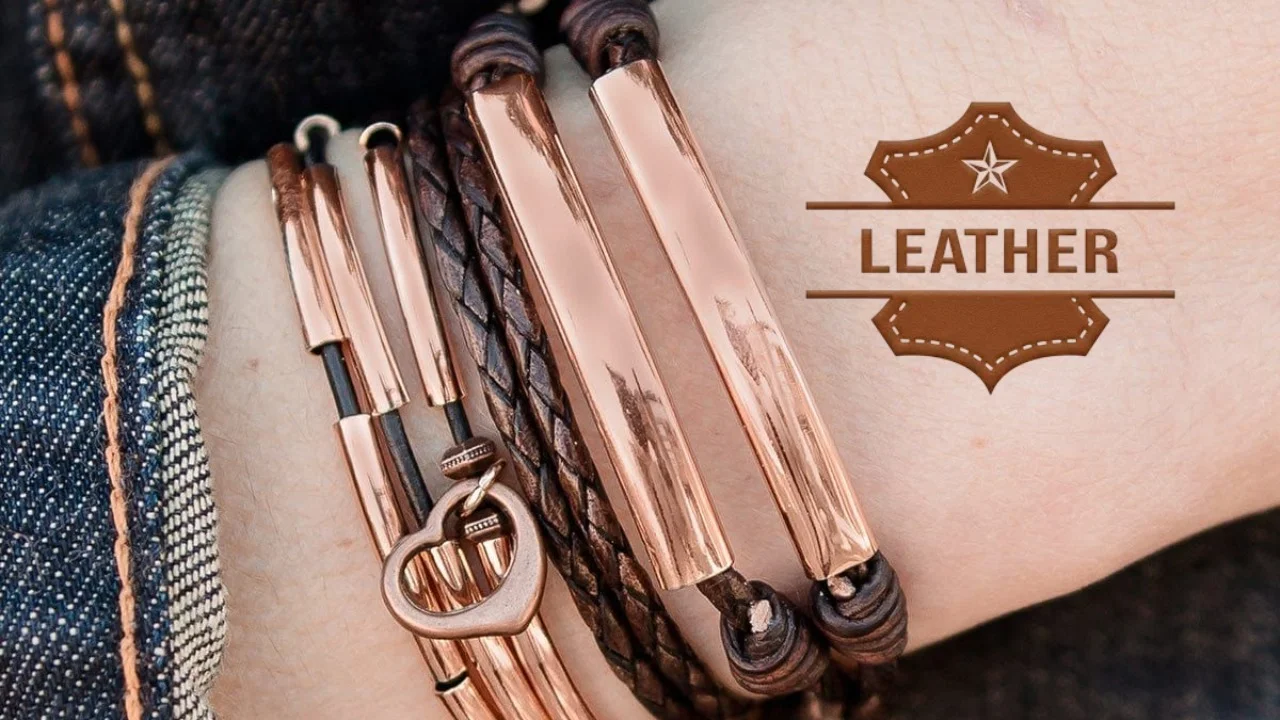
| Braided leather bracelet | Everyday wear, layering, boho styling | Relaxed, textured, versatile | Jeans, knits, casual shirts |
| Leather wrap bracelet | Travel, festivals, artistic looks | Layered, soft, expressive | Linen, tees, dresses |
| Personalized leather bracelet | Gifts, keepsakes, sentimental wear | Meaningful, custom, memorable | Every day and gift outfits |
| Minimalist leather bracelet | Office wear, capsule wardrobes | Clean, subtle, elegant | Tailoring, clean basics, evening minimalism |
Style of leather guides and luxury pages consistently highlight wraps, cuffs, beaded pieces, braided designs, and multi-strand styles as the most wearable and versatile options.
Leather Cuff Bracelets
Leather cuffs are the boldest option. They create a strong wrist presence and work best when the rest of the outfit is clean and balanced. A cuff is the right choice when you want one accessory to do the talking.
Best for:
edgy style, elevated casual looks, office outfits with personality, and evening wear with minimal jewelry.
Style note: wider cuffs usually read more fashion-forward, while slimmer cuffs look more refined. That width difference matters because it changes how loud or quiet the bracelet feels on the wrist.
Braided Leather Bracelets
Braided leather bracelets are the most flexible everyday option. They feel less formal than cuffs and more textured than plain bands. Braided styles also stack well with watches, thin chains, and bangles.
Best for:
casual wear, boho outfits, layered looks, and daily use.
Style note: This is the easiest leather style to wear if you are just starting a bracelet collection.
Leather Wrap Bracelets
Wrap bracelets coil around the wrist and create an easy layered effect. That makes them ideal for relaxed style, weekend looks, and outfits that need a little movement.
Best for:
artistic fashion, festival outfits, soft boho styling, and casual dresses.
Style note: wrap bracelets look best when they do not compete with too many other accessories.
Personalized Leather Bracelets
Personalized pieces are one of the clearest growth areas in bracelets right now. Current trend coverage keeps pointing toward initials, engraving, and customization as highly desirable. That makes leather a strong gift category because it already feels personal before you even add a name or date.
Best for:
birthdays, anniversaries, Mother’s Day, Valentine’s Day, and friendship gifts.
Minimalist Leather Bracelets
Minimalist leather bracelets are slim, clean, and easy to pair with almost anything. They are especially good for women who like quiet luxury, capsule wardrobes, or simple accessories that never overpower an outfit.
Best for:
office wear, Scandinavian-Inspired Styling, travel wardrobes, and women who prefer subtle accessories.
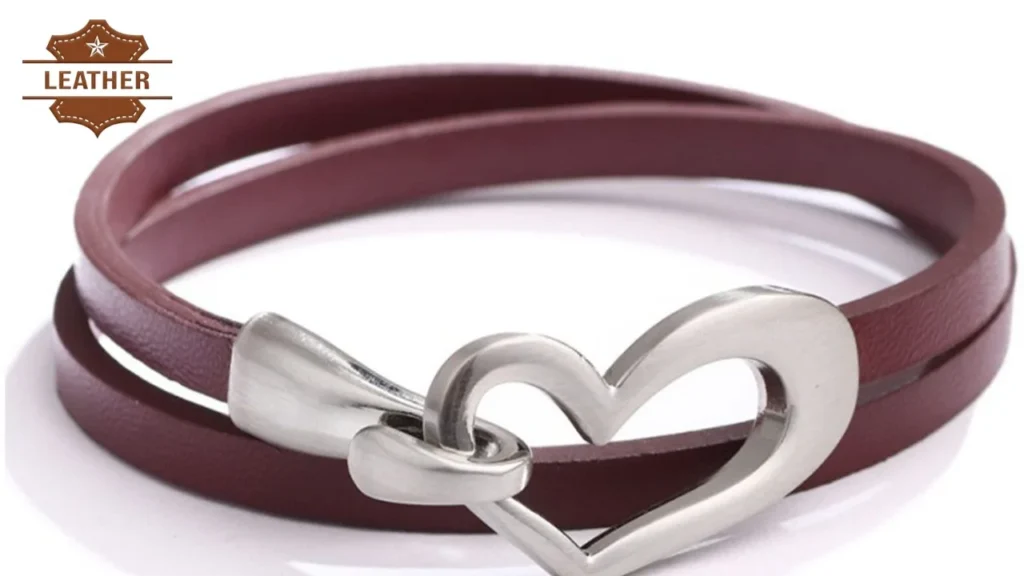
Leather Types Used in Women’s Leather Bracelets
| Leather Type | Quality Level | Main Strength | Main Weakness | Best Use |
| Full-grain leather | Highest | Strong, durable, natural patina | Higher price | Premium bracelets |
| Top-grain leather | Very good | Smooth, clean finish | Less character than full-grain | Stylish everyday pieces |
| Genuine leather | Lower than full/top grain | Affordable and real leather | Less durable in many cases | Budget pieces |
| Suede | Specialty finish | Soft, velvety texture | More delicate | Fashion-forward styles |
| Nubuck | Specialty finish | Smooth velvety surface, more robust than suede | Sensitive to moisture | Premium textured pieces |
| PU / faux leather | Synthetic | Lower cost, vegan-friendly look | Can crack or peel sooner | Budget or trend items |
Full-grain leather is widely described as the strongest and most durable leather grade, while top-grain is sanded for a more uniform finish. “Genuine leather” is real leather, but it is often positioned below full-grain and top-grain in quality discussions. Suede comes from the reverse or lower side of the hide, while nubuck is made from the outer-facing grain side and sanded for a velvety feel.
Mini summary:
For long life, choose full-grain. For a smooth fashion finish, choose top-grain. For an accessible price point, genuine leather can work, but quality varies more. If you want soft texture, look at suede or nubuck, but care becomes more important.
How Leather Bracelets Are Made
The leather-making process starts long before the bracelet is cut and stitched. Modern leather production typically includes cleaning, soaking, liming, tanning, drying, and finishing. The Leather Working Group notes that tanning is the transformative step that stabilizes collagen, and that chrome tanning tends to produce supple, durable leather, while vegetable tanning uses natural tannins for a more organic character.
Here is the simple version of the process:
- Hide selection — the maker chooses the hide or split to use.
- Cleaning and preparation — the hide is soaked and conditioned.
- Tanning — the hide is stabilized so it becomes leather.
- Drying and finishing — the surface is colored, softened, or textured.
- Cutting and assembly — the bracelet shape, stitching, hardware, and clasp are added.
Mini summary:
A better bracelet usually comes from better leather, better tanning, and better finishing. That is why a good clasp, clean stitching, and a strong edge finish matter so much.
How to Identify Real Leather vs Fake Leather
Snippet-ready answer: Real leather usually feels more natural, breathes better, and develops character over time. Synthetic materials often feel more plastic-like and may crack or peel sooner.
Look for these signs:
- Natural grain variation instead of a perfect printed look.
- Supple feel without a slippery vinyl sensation.
- Natural creasing that relaxes when you release pressure.
- Less plastic-like smell and more natural leather feel.
- Labels that say full-grain or top-grain rather than vague wording.
Leather Naturally also notes that fake leather is often made from polyurethane or PVC, which are oil-based plastics, so they behave differently from real leather over time.
Mini summary:
If the bracelet looks too perfect, feels plasticky, and lacks natural texture, be careful. If it feels supple, has subtle variation, and ages nicely, it is much more likely to be quality leather.
Buying Guide: What to Check Before Purchase
When buying leather bracelets for women, focus on the parts that affect comfort and lifespan most.
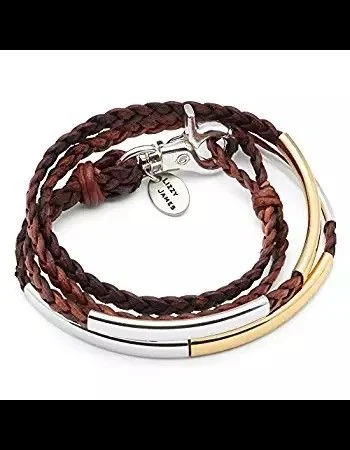
Check these first
- Leather grade: Full-grain or top-grain is best for long-term use.
- Fit: Make sure the bracelet is not too tight or too loose.
- Clasp quality: secure closures matter more than decorative ones.
- Stitching: Even stitching usually signals better workmanship.
- Hardware: metal parts should feel solid, not flimsy or glued on.
- Finish: smooth edges and balanced thickness improve comfort.
Questions smart buyers ask
- Will this bracelet fit with watches or other bracelets?
- Is the leather soft enough for daily wear?
- Will the color work with my wardrobe?
- Does it suit the occasion I am buying for?
Pros and cons of leather bracelets
Pros
- Timeless and easy to style.
- Works with casual and dressy outfits.
- Can age beautifully with wear.
- Available in many styles and price ranges.
Cons
- Needs care.
- Not waterproof.
- Lower-quality leather can crack or look tired faster.
- Suede and nubuck need extra attention.
How to Measure Bracelet Size
A bracelet should feel secure but not restrictive.
Simple sizing steps
- Wrap a soft tape around your wrist.
- Add about 0.5 inch for a snug fit.
- Add about 1 inch for a relaxed fit.
- Check whether the bracelet has an adjustable closure.
- Compare the final number to the size chart before buying.
Best fit tips
- A cuff should rest comfortably without pinching.
- A wrap bracelet should stay layered without sliding off.
- A gift bracelet should lean adjustable if you do not know the exact wrist size.
Mini summary:
If you are shopping online, adjustable bracelets are the safest choice because they reduce returns and fit more wrist shapes.
How to Style Leather Bracelets for Women
Casual everyday outfits
Leather bracelets work beautifully with white T-shirts, denim jackets, sweaters, and simple tote bags. Brown and tan leather add warmth, while black leather looks cleaner and sharper. That is why casual styling pages often pair leather bracelets with jeans-and-tee combinations.
Easy combos
- Brown braided leather + white shirt + blue jeans
- Black cuff + oversized blazer + straight-leg trousers
- Tan wrap bracelet + linen top + sandals
Office and smart casual
Choose slimmer designs here. A minimalist leather bracelet or a thin cuff looks polished without getting distracting. Gold-accented hardware works especially well with neutral tailoring.
Best office colors
- Black
- Espresso brown
- Taupe
- Ivory
- Soft tan
Evening and luxury styling
A single bold cuff can look stronger than a stack of busy bracelets. Leather with gold details works especially well with silk, satin, and structured dresses. Luxury bracelet pages often emphasize discreet elegance, Simple Wearability, and refined finishes, which is why a restrained look usually works best at night.
Bracelet stacking guide
Stacking is still one of the most useful styling tricks in 2026. Trend coverage keeps showing layered looks, personalization, and mixed materials as strong fashion signals.
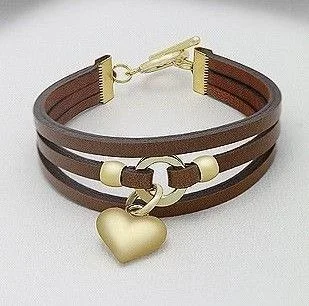
Minimal stack
- slim leather band
- thin chain
- delicate watch
Boho stack
- braided leather
- beads
- woven textures
- one charm bracelet
Luxury stack
- leather cuff
- gold bangle
- gemstone accent
Stacking rule: keep the metals consistent and avoid too many bulky items at once. Balance matters more than quantity.
Best Leather Bracelet Colors
| Color | Style Mood | Best For |
| Black | Minimal, edgy, modern | Evening, office, monochrome outfits |
| Brown | Warm, classic, casual | Denim, knits, everyday wear |
| Tan | Light, relaxed, boho | Spring, summer, travel looks |
| White | Fresh, clean, fashion-forward | Minimal wardrobes, chic outfits |
| Burgundy | Rich, seasonal, elegant | Fall styling, dark neutrals |
| Metallic leather | Bold, statement-led | Parties, luxury styling |
Color choice changes the whole mood of the bracelet. Black looks sharper. Brown feels warmer. Tan gives a softer, sunlit feel. Burgundy and metallic finishes are the easiest way to make leather feel more fashion-forward.
Price Range Worldwide
Prices vary by leather grade, craftsmanship, hardware, branding, and customization. Luxury brands can price bracelets far above ordinary fashion pieces, while handcrafted or small-brand bracelets may sit in a more accessible range. Brand pages from Bulgari, Chopard, and other luxury names show how strongly the category can move into premium territory.
| Segment | Typical Buyer Expectation | What You Usually Get |
| Budget | Low-cost everyday style | PU or lower-grade leather, simpler hardware |
| Mid-range | Best value for most shoppers | Better leather, cleaner finishing, stronger closure |
| Premium | Gift-worthy and durable | Better tanning, refined hardware, stronger design |
| Luxury | Brand prestige and polish | Designer materials, polished details, exclusive styling |
Budget-Friendly vs Premium vs Luxury
Budget-friendly options
These are best when you want to test a style or buy a trend piece. Go for adjustable closures and simple hardware so the bracelet still feels useful.
Premium options
This is the sweet spot for most buyers. You get better leather, stronger stitching, and a bracelet that should age much better with care.
Luxury options
Luxury bracelets are about finishing, brand identity, and design polish. They are ideal when the bracelet is meant to feel like a fashion statement or a high-value gift.
Common Mistakes to Avoid
- Buying only by looks. A pretty bracelet that fits badly will stay unworn.
- Ignoring the leather grade. Not all leather is equal.
- Choosing a stiff synthetic-feeling material. That often means lower comfort and shorter life.
- Over-stacking bulky pieces. The wrist starts to look crowded fast.
- Forgetting your wardrobe. A bracelet should match the clothes you actually wear.
- Skipping care. Leather needs light maintenance to stay beautiful.
Care, Cleaning & Maintenance Tips
Leather care is simple, but consistency matters. Leather Naturally and major luxury care guides both stress gentle handling, limited water exposure, and careful drying. Water, heat, harsh chemicals, and strong cleaners can all damage leather over time.
Care routine
- Wipe with a soft dry cloth after wear.
- Keep it away from perfume, sanitizer, and oils.
- Do not soak it in water.
- Air dry naturally if it gets damp.
- Store it flat or in a soft pouch.
- Use a suitable conditioner lightly when needed.
Special care by leather type
- Aniline and suede are more sensitive to moisture.
- Pigmented leather: easier to clean and more forgiving.
- Nubuck: soft and attractive, but should be kept away from liquids.
Mini summary:
If you want your bracelet to last, think “Gentle and Dry.” That one rule protects more leather than any fancy product.
Expert Tips Most Buyers Ignore
Hardware matters as much as leather
A weak clasp can ruin an otherwise excellent bracelet. Solid hardware gives the piece a better lifespan and better daily usability.
Patina is a feature, not a flaw
Good leather changes over time. That natural aging is part of the charm of real leather, especially full-grain pieces.
Match bracelet scale to outfit scale
Big cuffs suit strong silhouettes. Slim bracelets suit clean, delicate outfits. When the scales fight each other, the bracelet looks disconnected.
Choose based on lifestyle, not just trend
If you wear jewelry all day, comfort and flexibility matter more than a dramatic shape. Competitor posts often mention style, but the best purchase is the one you actually wear.
Keep one “daily” piece and one “statement” piece
That simple system makes styling much easier and avoids overbuying.
Future Trends in Leather Bracelets
The 2026 direction is clear: personalization, cleaner shapes, mixed materials, and more versatile everyday wear. Trend coverage also shows strong interest in cuffs, custom pieces, and refined bracelet stacks. Leather fits these shifts because it can be made to look soft, sharp, artisanal, or luxury without losing its core identity.
What to expect more of
- engraved initials
- gold hardware accents
- mixed materials like beads, pearls, and metal
- slimmer luxury-minimal pieces
- textured leather with cleaner lines
- sustainable and longer-lasting leather stories
Mini summary:
Leather bracelets are moving away from “just boho” and into a wider fashion space where minimalism, gifting, and craftsmanship all matter.
Best Uses of Leather Bracelets
Leather bracelets are especially useful because they are not limited to one setting. They work for:
- daily wear
- office outfits
- travel looks
- date-night styling
- gifting
- layered bracelet stacks
- capsule wardrobes
That flexibility is a major reason leather remains a strong wardrobe investment instead of a disposable trend.
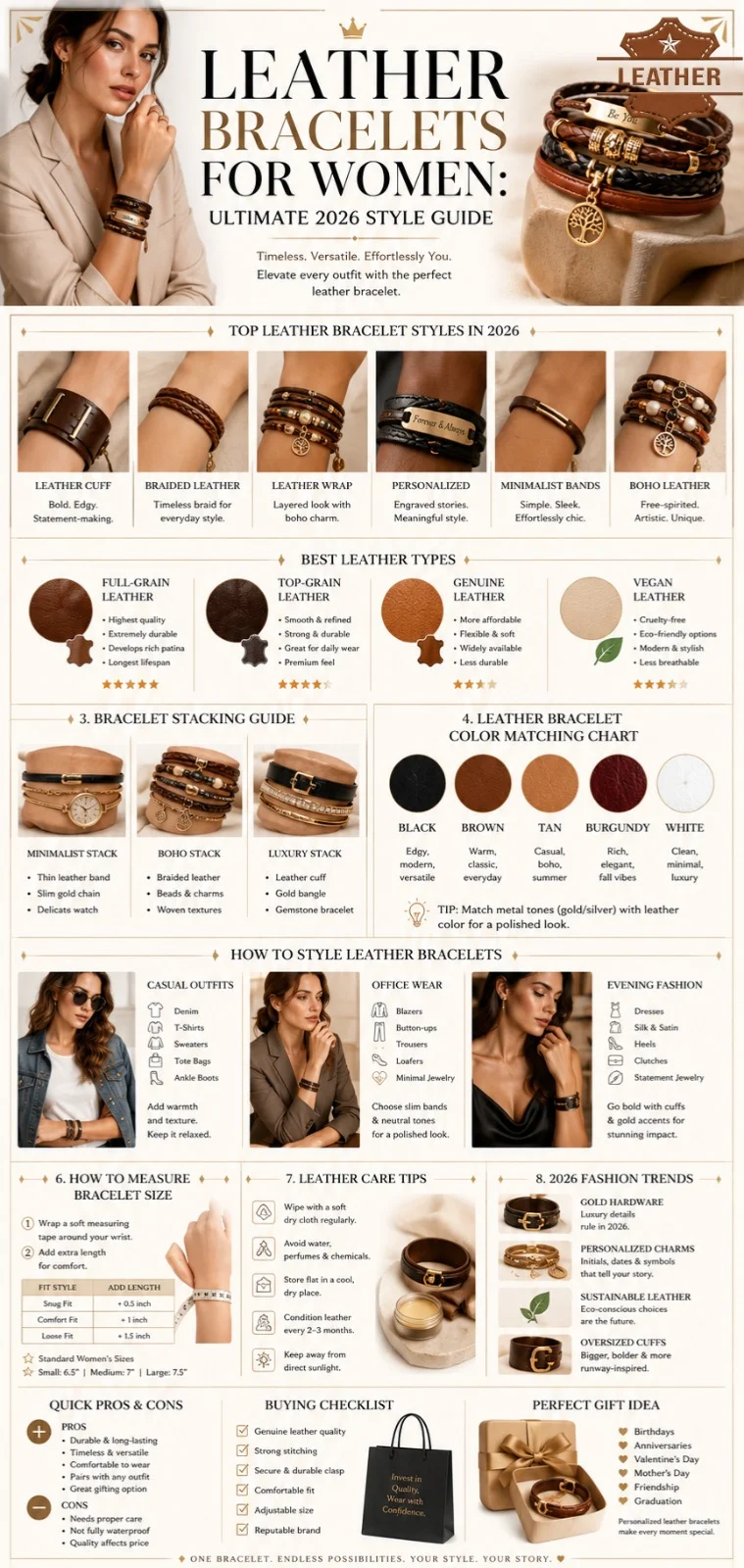
FAQs
A: Yes. Leather bracelets remain relevant because they are versatile, easy to layer, and available in both minimal and statement designs.
A: Yes. Slim cuffs, minimalist bands, and polished leather pieces can look refined with blazers, dresses, and eveningwear.
A: Black and brown are the most versatile choices because they work across casual, office, and evening styling.
A: High-quality leather bracelets can last for many years, and well-made leather is known for aging well over time.
A: No. Leather should not be treated as waterproof. Water exposure should be limited, and any moisture should be blotted and dried carefully.
Conclusion
Leather bracelets for women are one of the easiest accessories to wear well in 2026 because they balance style, comfort, and versatility. A good bracelet can make a simple outfit feel intentional, and a great one can age into something even better over time. That is the real Power of Leather: it brings texture, warmth, and character without trying too hard.
If you are buying for yourself, start with the style you will wear most often: minimalist, braided, cuff, or wrap. As you are buying for a gift, choose adjustable sizing and consider personalization. If you are buying for longevity, focus on full-grain or top-grain leather, strong hardware, and simple care habits.
For more leather education and shopping guidance, explore more articles on theleatheritems.com and keep building a wardrobe that feels timeless, useful, and stylish.