Leather Sofa Fix Kit
A damaged leather sofa can make an entire room feel tired. The good news is that many common problems can be improved at home with the right Leather Sofa Fix Kit—but only if you choose the correct repair method for the damage and the correct kit for the leather type. That matters because not all leather-looking surfaces are the same. Real leather, imitation leather, bonded leather, faux leather, and vinyl all behave differently, and the wrong approach can make a repair look patchy, stiff, or short-lived. FTC guidance exists specifically to prevent misleading leather claims, and industry sources also emphasize that care and repair guidance should match the exact material and product construction.
This guide is built to help you make the right decision before you spend money or start sanding, filling, coloring, or patching. You will learn how to identify your leather, diagnose the damage, choose the right repair approach, and know when a DIY kit is enough versus when professional restoration is the smarter option. It is designed for sofas and couches, but the same logic also applies to chairs, ottomans, car seats, and other upholstered leather surfaces. Brand guides and repair specialists consistently frame their kits and methods around small-to-medium damage, color restoration, and specific material types rather than one universal fix.
What Is a Leather Sofa Fix Kit?
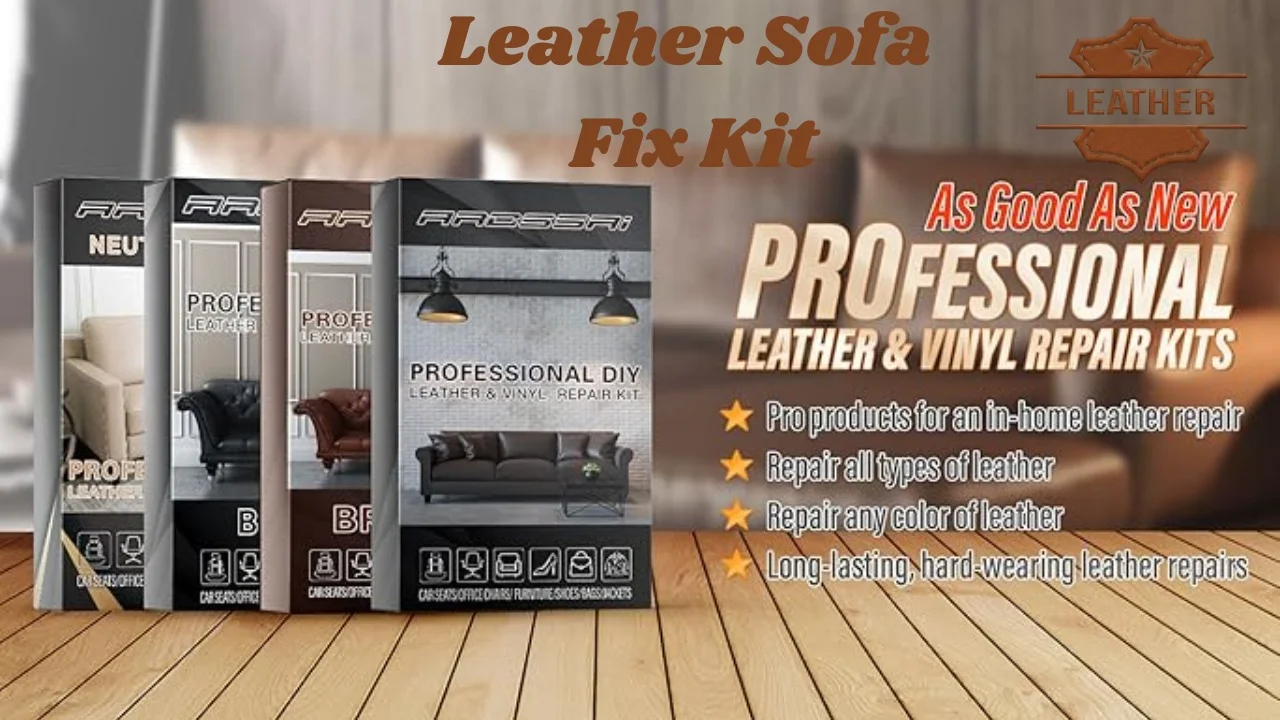
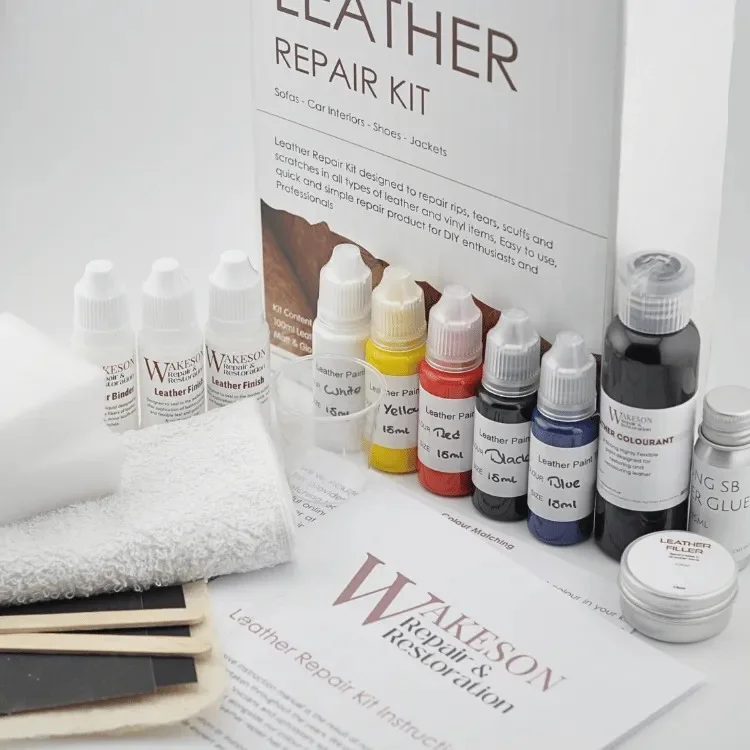
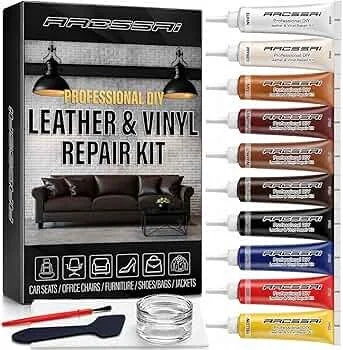
A leather sofa fix kit is a repair set made to clean, fill, recolor, patch, and seal damaged leather or leather-like upholstery. Depending on the brand, it may include filler, glue, color compounds, tinting tools, applicators, backing material, sealant, and instructions. Furniture Clinic’s kit description, for example, includes glue, filler, canvas patch, leather patch, mixing tools, and instructions, while Scratch Doctor’s kit includes filler, glue, dye, sealant, a repair patch, a tinting pack, and applicators.
In simple terms, the kit is meant to do two jobs: restore structure and restore appearance. Structure means closing the tear, filling a crack, or reinforcing a weak area. Appearance means matching color, blending the repair, and protecting the finish so it does not fail too quickly. Some kits focus mainly on color touch-up, while others are better for rebuilding surface damage or repairing tears.
Components Included
A strong kit usually contains:
- cleaner or prep solution
- filler or paste
- adhesive or glue
- colorant or dye
- tinting colors
- applicators
- sealant or finish
- patch or backing fabric
- step-by-step instructions
That mix is not random. The repair process normally needs preparation before color, and preparation matters because waxes, oils, and silicones can create adhesion problems. Furniture Clinic specifically notes that leather must be prepped before color application so the finish can bond correctly.
How Leather Repair Kits Work
Most kits follow a predictable sequence: clean, prep, reinforce, fill, recolor, seal, and cure. Brand instructions commonly recommend testing in an inconspicuous area first, especially when matching color or working on a finish-sensitive surface. Scratch Doctor explicitly advises testing first, and The Spruce also recommends testing color on an unseen area before committing to the repair.
Can a Leather Sofa Really Be Repaired?
Yes, often—but not always, and not in every case. Light scratches, scuffs, color loss, and some small tears are usually good DIY candidates. Heavy cracking, large tears, widespread peeling, and damaged bonded leather may be much harder to fix well, especially if the material has lost its surface coating or structural integrity. Furniture Clinic separates light cracking from heavy cracking and recommends different solutions for each, while Scratch Doctor limits its kit to small areas up to 5” x 5”.
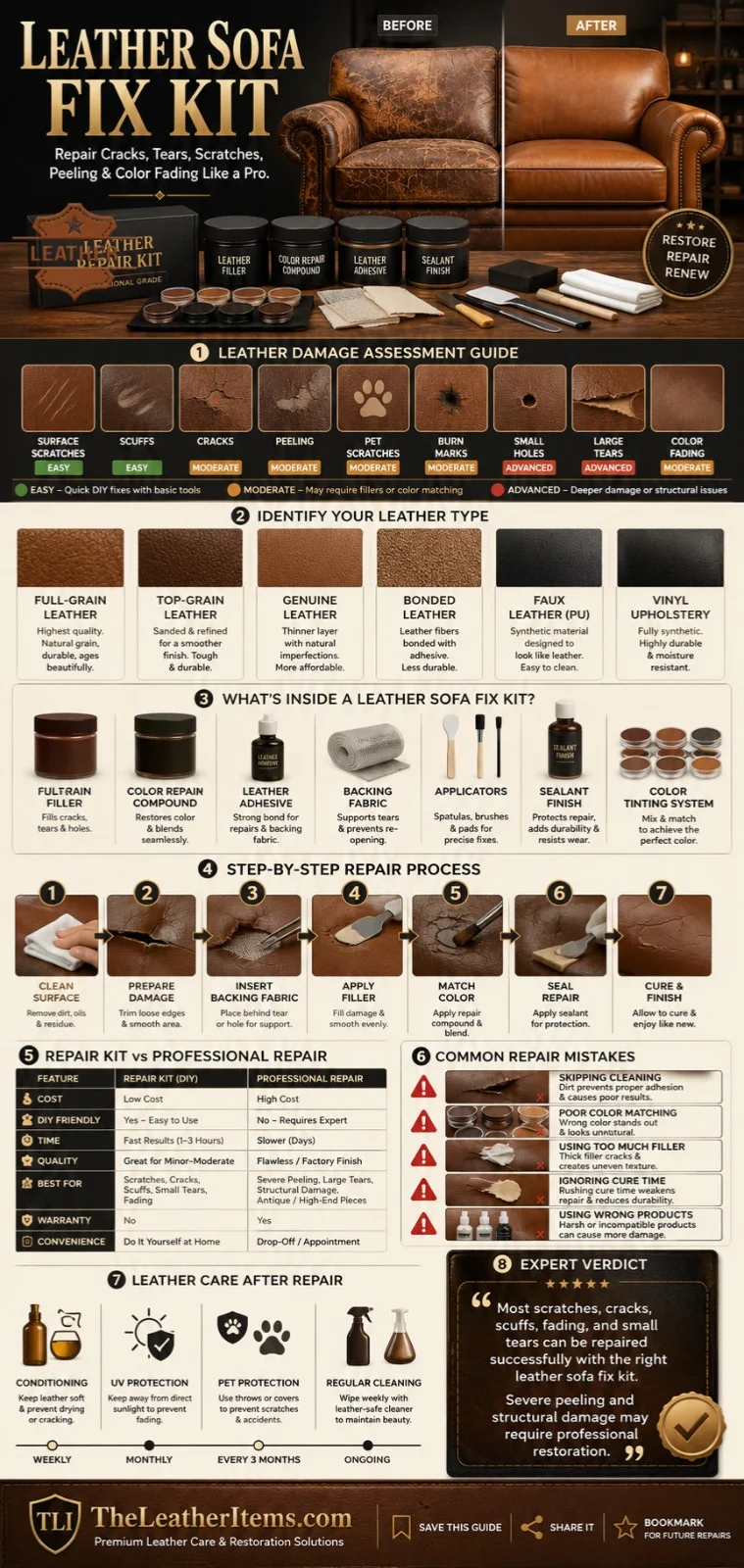
Minor Damage
Minor damage includes:
- surface scratches
- scuffs
- small color loss
- light dryness
- cat scratches that have not cut deeply
These are the best DIY use cases. Kits can blend these areas effectively if the color match is close and the finish around the damage is still stable.
Moderate Damage
Moderate damage includes:
- small tears
- short cuts
- shallow cracks
- small holes
- faded patches
- repairable pet damage
This is where a full kit with filler, patching material, color tinting, and sealant becomes valuable. Scratch Doctor explicitly positions its kit for holes, rips, tears, pet scratches, and small damage, and Furniture Clinic’s kit covers small tears, scuffs, scratches, and color loss.
Severe Damage
Severe damage includes:
- widespread peeling
- deep structural cracking
- large open tears
- wide holes
- badly worn bonded leather
- finish failure across most of the sofa
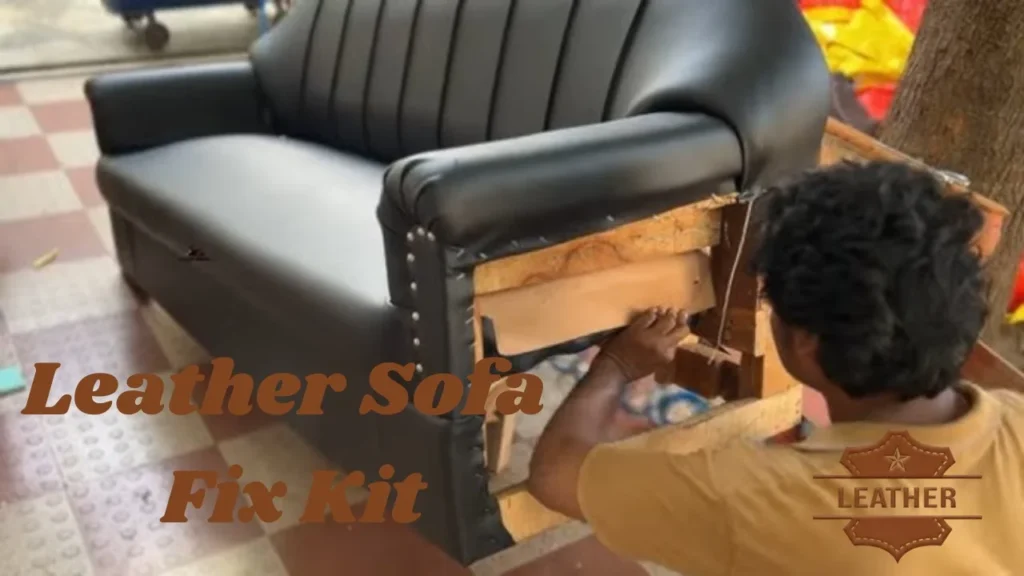
At this stage, DIY often becomes a temporary cosmetic solution rather than a lasting restoration. Fibrenew and other professional-oriented guidance points toward repair professionals for larger or more valuable pieces, and Bob Vila similarly notes that bad enough damage may be better handled by an upholsterer.
When Replacement Is Better
Replacement is often the better choice when the sofa’s surface is failing across many zones, the substructure is compromised, or the material is low-grade bonded or faux leather with broad peeling. Community repair experts often warn that these surfaces do not accept long-lasting repair the same way genuine leather does. That is why the smartest SEO article should tell the truth: not every sofa is worth saving with a kit.
Types of Leather Repair Kits Explained
Liquid Leather Kits
These are used for closing small cuts, scratches, and minor surface defects. They are most useful when the leather surface is still mostly intact, and the repair needs to blend rather than rebuild.
Leather Patch Kits
Patch kits work better for tears, holes, and larger worn areas where a cosmetic fill alone is not enough. The Spruce’s testing roundup highlights patch-style products as the better choice for larger visible damage.
Color Restoration Kits
These are made for faded leather, sun damage, and uneven color loss. Furniture Clinic and Bob Vila both separate color restoration from structural repair, which is exactly the right way to think about the problem.
Leather Filler Kits
These are important for cracks, pits, and shallow missing sections. Furniture Clinic specifically offers flexible filler products for heavy cracking and hole repair.
Professional Restoration Kits
These are the most complete DIY systems and usually include cleaner, filler, patching, tinting, colorant, and sealant. They are the closest thing to a true at-home restoration system and are best for users who want a more polished finish.
How to Identify Your Leather Type Before Repairing
This step is essential. The FTC Leather Guides cover misrepresentation in leather and imitation leather products, and the labeling rules exist because material type affects performance and expectations. In real life, the repair method should match the substrate, not the marketing label.
Genuine Leather
Genuine Leather is real leather, but the retail term does not automatically mean premium quality. It can be used broadly in the market, so you should inspect texture, finish, and construction—not just the label. Britannica defines leather as animal hide treated to preserve and make it usable.
Full-Grain Leather
Full-grain is the most natural version because the surface grain remains intact. Brand education sources consistently describe it as the strongest, most natural, and most character-rich leather category.
Top-Grain Leather
Top-grain is still high quality, but the surface is usually adjusted for a more uniform look. It is often smoother and easier to maintain than full-grain, though it may lose some natural markings and patina potential.
Bonded Leather
Bonded leather is one of the most misunderstood categories in furniture shopping. In repair terms, the big warning is that peeling, flaking, or widespread surface failure often signals a low-durability coating system rather than a truly durable leather structure. Repair specialists commonly say these surfaces are hard to restore permanently.
Faux Leather
Faux leather is synthetic, usually made to imitate leather’s look. FTC labeling guidance exists precisely because imitation materials can otherwise be misrepresented as leather.
Vinyl Upholstery
Vinyl can often be repaired with kits designed for leather and vinyl, but the surface behavior is different from that of true leather. That is why many commercial kits explicitly say “leather and vinyl,” not leather alone.
Quick Leather-Type Check
A fast check:
- Look for the label.
- Inspect grain irregularity.
- Check whether the surface has a coated, plastic-like feel.
- Review the price and product description carefully.
- Test gently in a hidden spot before any repair.
That approach reflects the logic used by labeling rules and by leather sellers who distinguish real leather from imitation materials in consumer-facing guides.
Common Leather Sofa Problems and How to Fix Them
Surface Scratches
Surface scratches are often the easiest repair. Clean first, then blend color with a matching colorant or restorer. The Spruce’s roundup treats light scratches as a common target for color-mix kits, and product pages often frame these as straightforward DIY repairs.
Scuffs
Scuffs are shallow abrasions. They may need gentle cleaning, recoloring, and a light sealant rather than heavy filler. This is where a “restore and blend” kit works better than a patch-only solution.
Cracks
Cracks happen when leather dries out or is exposed to stress and sunlight. Furniture Clinic specifically says cracking can occur over time and especially when leather dries out or is exposed to sunlight, and it recommends different solutions depending on whether the cracking is light or heavy.
Peeling
Peeling is the hardest category. If a surface is peeling because the coating is failing, a kit may improve appearance, but it rarely creates a truly permanent cure. That is why this article should be honest: repair is possible in some cases, but not every peeling sofa is worth a full DIY attempt.
Fading
Fading is typically a recoloring problem. This is where a leather recoloring kit or restorer can be useful, especially if the surface is otherwise intact. Bob Vila and The Spruce both include color restoration as a distinct use case.
Burn Marks
Burns often require the removal of damaged material, filling, and recoloring. They are more advanced than simple scratches because the material itself may be charred or melted. Furniture Clinic’s kit descriptions include burns and holes in the same general repair category.
Pet Scratches
Pet scratches can range from cosmetic to deep enough to need filler or patching. Scratch Doctor and Bob Vila both call out pet-related damage as a common use case for leather repair systems.
Small Holes
Small holes can often be backed, filled, and recolored if the surrounding leather is stable. Products like Furniture Clinic’s and Scratch Doctor’s kits are designed to cover this kind of targeted repair.
Large Tears
Large tears are more challenging. A patch plus filler plus color work may help, but the larger the tear, the more visible the repair tends to be. The Spruce’s couch-focused pick is valued because it can handle tears up to 10 inches, which shows how quickly complexity rises with size.
How to Use a Leather Sofa Fix Kit Step-by-Step
Step 1: Clean the Surface
Remove dirt, oils, and residue first. If the surface is dirty or contaminated with waxes or silicones, the repair may not bond correctly. This is a core reason prep products exist.
Step 2: Prepare the Damage
Trim loose edges, flatten raised fibers, and assess whether the tear needs backing support. On genuine leather, the goal is to create a stable repair base. On coated Synthetic Surfaces, be even more conservative.
Step 3: Apply Backing Fabric
Use backing when the damage is open or when structural support is needed behind a hole or tear. Many complete kits include patch material for this reason.
Step 4: Add Filler
Apply filler in thin layers. Thick, rushed filler is one of the fastest ways to create a raised, obvious repair. Furniture Clinic’s repair products are marketed around flexibility for cracks and holes, which is critical because the sofa will flex every time someone sits down.
Step 5: Match the Color
Do not skip this. Mix slowly, test often, and compare in natural light. The Spruce stresses that exact matching can be tricky and that testing first is smart. Scratch Doctor also includes a tinting pack specifically to help with closer color matching.
Step 6: Apply Sealant
Sealant helps lock in the finish and protect the repair from wear. This matters because the repair area is usually the weak point after restoration. Scratch Doctor includes a sealant as part of its full process.
Step 7: Cure and Finish
Let the repair cure fully before heavy use. Furniture Clinic advises waiting about 24 hours after a repair before using the item, which is a good benchmark for readers.
How to Match Leather Colors Like a Professional
Color matching is often the difference between a repair that disappears and a repair that becomes the first thing everyone notices. The Spruce specifically says matching color can be tricky, and both The Spruce and Scratch Doctor recommend testing and tinting before final application.
Understand Leather Aging
Fresh leather and older leather rarely look identical. Sunlight, wear, patina, and finish changes all affect the final appearance. That is why a “perfect” fresh-color match may look wrong on an older sofa. This is an inference from how repair kits and color-restoration systems are designed and marketed.
Mix Colors Correctly
Start with the closest base tone, then add tiny adjustments. Black, brown, tan, and cream are often the hardest because the undertones vary a lot, even when they look similar from far away. The Spruce notes that kits with multiple mixable colors are valuable exactly for this reason.
Test Before Application
Always test on a hidden section first. Scratch Doctor explicitly recommends an inconspicuous-area test, and The Spruce likewise recommends testing the color on a hidden part before proceeding.
Leather Sofa Fix Kit vs Professional Repair
| Factor | DIY Kit | Professional Repair |
| Cost | Lower upfront | Higher upfront |
| Speed | Fast, often same day | Slower, may need booking |
| Skill required | Moderate | Low for the customer |
| Best for | Small to medium damage | Large, complex, high-value damage |
| Color match control | High if you can mix well | High if the specialist is skilled |
| Result | Good to very good | Often best for severe damage |
Bob Vila says a kit can be ideal for light to moderate repairs, but severe damage may justify a professional upholsterer. Scratch Doctor keeps its own kit focused on small areas, and Furniture Clinic distinguishes light cracking from heavy cracking with different solutions.
Best Leather Sofa Fix Kits for Different Problems
Best for Cracks
Choose a kit with flexible filler and a colorant system. Heavy cracking needs More Flexibility than simple cosmetic paint. Furniture Clinic’s heavy filler and cracked-leather guidance support this approach.
Best for Tears
Choose a kit with backing fabric, glue, filler, and recoloring. The best tear repair is structural first, cosmetic second. Scratch Doctor and Furniture Clinic both include patching and filling components in their repair systems.
Best for Peeling Leather
Be cautious. A kit may improve appearance, but if the leather-like coating is failing widely, the result may not last. In this category, the content should tell readers the truth rather than overpromise.
Best for Color Restoration
Choose a dedicated recoloring kit or balm. Bob Vila and Furniture Clinic both separate color restoration from structural repair, which is the right way to buy.
Best Budget Option
A basic repair kit can be enough for scuffs, small scratches, and minor fading when the sofa is otherwise in good shape. The Spruce’s roundup shows that lower-cost kits often work best when the damage is small and the finish is not heavily worn.
Common Leather Repair Mistakes to Avoid
Do not use too much filler. Do not skip cleaning. Don’t assume the first color mix will be perfect. Do not rush the cure time. Do not use a leather product on suede or nubuck unless the product specifically says it is suitable. Scratch Doctor explicitly warns that its kit is not suitable for aniline, suede, or nubuck, and many repair pages stress testing before use.
A second mistake is repairing the symptom, not the cause. If leather is cracking because it is dry and sun-exposed, the repair should include care and prevention, not just cosmetic patching. Furniture Clinic’s cracking guidance directly links cracking to drying and sunlight.
How Long Do Leather Repairs Last?
That depends on the damage, the leather type, the prep quality, and the use level of the sofa. Light cosmetic repairs can last well if the sofa is cared for properly. Larger structural repairs may degrade faster in high-stress areas like seat cushions and armrests. Brand pages frequently promise durability, but professional-style guidance also makes clear that repair longevity depends on good prep, the right materials, and realistic expectations.
How to Prevent Future Leather Damage
Regular care makes the biggest difference after repair. LWG says manufacturers and brands should manage chemicals responsibly, and its FAQ notes that care guidance should come from the retailer or brand if product instructions are not provided. For consumers, the practical takeaway is simple: clean gently, condition appropriately, and protect the sofa from sunlight and abuse.
Conditioning
Use a conditioner when appropriate for the leather type. This helps reduce dryness and makes the surface less prone to cracking over time. Furniture Clinic also recommends leather cleaners and conditioners after repair to keep the surface in good condition.
UV Protection
Sunlight is a common contributor to cracking and fading. Put the sofa away from harsh direct light when possible.
Pet Protection
If you own pets, trim nails and use throws or blankets in the highest-risk areas. Pet scratches are a common repair category because they happen repeatedly, not just once.
Regular Cleaning
Clean before dirt becomes embedded. Dirt and residue make future repairs less effective and can accelerate finish wear. This is consistent with repair prep guidance across major kit brands.
Leather Sofa Repair Cost Breakdown
| Option | Typical Cost Level | Best For |
| DIY repair kit | Low | Scratches, scuffs, small cracks, small tears |
| Professional repair | Medium to high | Large tears, extensive cracking, delicate or valuable sofas |
| Replacement | Highest | Severe failure, peeling bonded leather, major structural damage |
Bob Vila notes that professional upholsterers can be the right call for severe damage, and other restoration sources stress that more involved repairs demand more labor and skill. Reupholstery-cost guides also show how quickly full replacement-level work can become expensive compared with a kit-based fix.
Frequently Asked Questions
Do leather repair kits really work?
Yes, for the right job. They work best on small scratches, scuffs, small tears, and color loss. They are less reliable on wide peeling or badly degraded bonded leather.
Can cracked leather be repaired?
Often, yes. Light cracking may respond well to restoration kits, while heavy cracking needs stronger filler and more careful color work. Furniture Clinic separates those two cases clearly.
Can peeling leather be fixed permanently?
Sometimes it can be improved, but not always permanently. If the coating is failing across a large area, long-term success is limited.
How long does a leather repair last?
It depends on damage size, prep, material quality, and use. Small, well-prepped repairs can last a long time, while high-stress or badly degraded areas wear out sooner.
What is the best leather sofa fix kit?
The best kit is the one that matches the damage and leather type. A kit with filler, tinting, patching, sealant, and instructions is usually the most flexible choice for sofa repairs.
Can I repair bonded leather?
Sometimes, but results are often limited, especially if the surface is peeling broadly. In many cases, replacement or professional advice is the better choice.
How much does leather sofa repair cost?
DIY kits are the lowest-cost option, while professional repair is more expensive and replacement is the highest. Larger repair jobs can become costly enough that replacement may be more practical.
People Also Ask
A: Check the label first, then inspect the grain, feel, and construction. FTC guidance exists because imitation materials can be misrepresented, so the label and product details matter a lot.
A: For tears and holes, the patch or backing usually comes first, then filler, then color. That order gives the repair something stable to hold.
A: Usually, because the leather is still dry, stressed, or sun-exposed. Repair without prevention often fails again.
A: Many kits are designed for both, but always check the product instructions and test a hidden area first. Some brands also offer car-specific color options.
A: Leather color changes over time, and even similar-looking browns or tans can have different undertones. That is why tinting and testing are essential.
Conclusion
The best leather sofa fix kit is not the one with the loudest promise. It is the one matched to the right leather type, the right damage level, and the right expectations. For scratches, scuffs, color loss, and small tears, a quality DIY kit can save money and extend the life of a good sofa. For peeling bonded leather, Major Cracking, or large tears, honesty wins: a professional repair or replacement may be the better long-term choice. That balanced message is exactly what modern searchers want and exactly what most ranking pages still fail to explain well.
Readers who understand the damage, identify the leather correctly, and use the right repair method are much more likely to get a clean result. That is why this page should serve as a practical decision guide, not just a shopping page. Encourage readers to bookmark it, share it, and return to your related leather care guides for better maintenance, smarter buying, and longer-lasting results.
Legal disclaimer: Leather quality, pricing, manufacturing standards, and product availability vary by country, brand, and supplier. Always verify authenticity, material details, compatibility, and care instructions before purchase.