Introduction
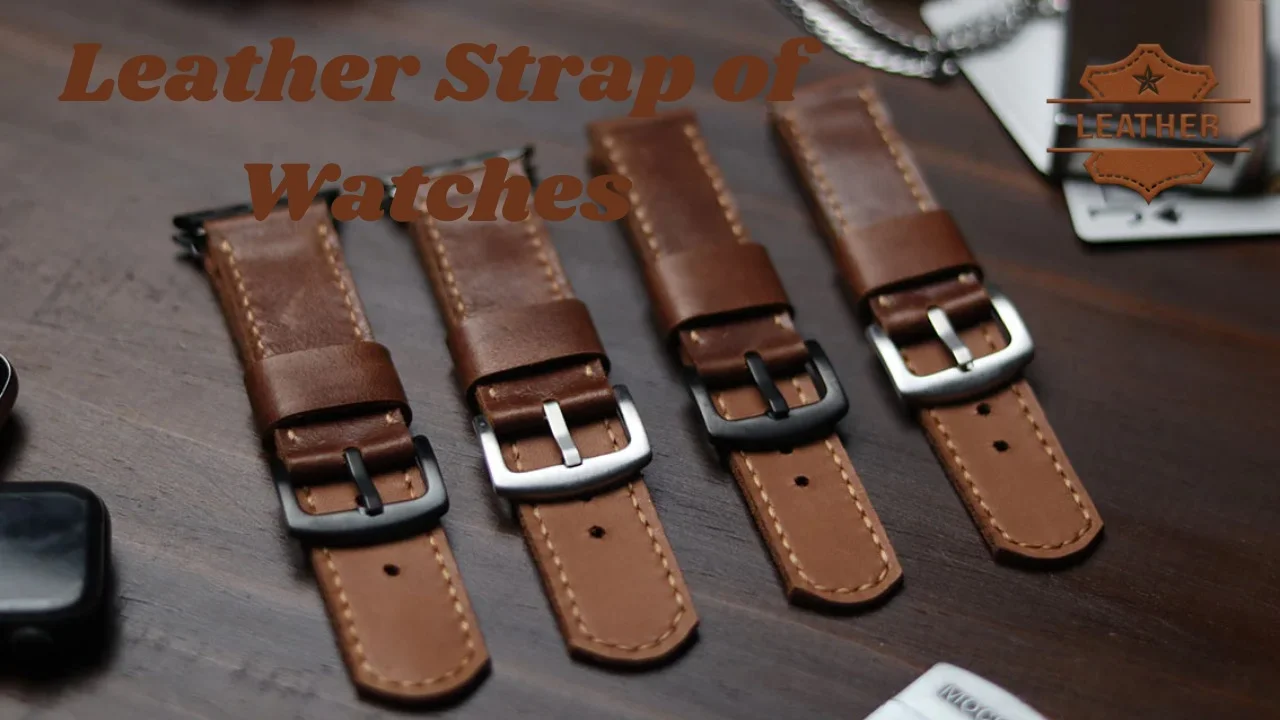
A Leather Strap of Watches can change the entire character of a timepiece. The same watch can look formal, rugged, vintage, minimal, or modern depending on the strap you choose. That is why leather remains one of the most popular watch materials: it is comfortable, it ages with personality, and it adds warmth that metal and rubber often cannot match. At the same time, buying the right strap is more complicated than many shoppers expect. Leather type, tanning method, lining, stitching, lug width, and wrist size all affect comfort and longevity.
This guide is built for buyers who want a strap that looks good on day one and still feels like a smart choice months later. It explains the real differences between full-grain, genuine, and other common leather types, shows how sizing works, and gives practical care advice so your strap does not fail early. It also includes smartwatch guidance, because leather is still a strong style choice for Apple Watch owners and other modern wearers.
What is a leather strap for watches?
A leather watch strap is a wrist band made from leather or leather-based material that attaches a watch to the wrist. In simple terms, it replaces a metal bracelet or rubber band with something softer, lighter, and more style-flexible. Leather Naturally defines leather as a material made from hides or skins with the original fibrous structure more or less intact and made durable through tanning.
For buyers, the important point is this: not all leather straps are equal. Some are made from high-quality hide with a natural grain, strong lining, and careful finishing. Others are heavily corrected, coated, or built for a low price rather than long life. The label on the back matters, but the construction matters even more.
Snippet-ready answer:
A leather watch strap is a wrist band made from tanned hide or skin that secures a watch to the wrist. The best straps combine good leather, proper lining, strong stitching, and the correct size.
Why Leather Watch Straps Still Matter in 2026
Leather is still popular because it solves three buyer problems at once: comfort, style, and versatility. It softens over time, it can make a watch feel more personal, and it works across many dress and casual settings. Even recent buying guides still describe leather as the classic choice for watches with a vintage, dressy, or understated personality.
It also matters because modern buyers care more about ownership experience than just product photos. People want a strap that feels better the longer they wear it, not one that starts peeling or cracking after a short time. A well-made leather strap can do that. Apple’s own support also shows that leather bands are treated differently from sports materials: leather is not water resistant, should not be soaked, and should be kept away from direct sunlight and high humidity.
Mini summary:
Leather stays relevant because it is comfortable, adaptable, and visually timeless. The downside is that it needs more care than synthetic straps.
History and Evolution of the Leather Watch Strap
Leather has been used in accessory making for thousands of years, and modern leather production still follows a sequence of hide selection, cleaning, tanning, retanning, milling, and finishing. Leather Working Group notes that leather making is ancient, but modern production uses highly controlled processes and quality standards.
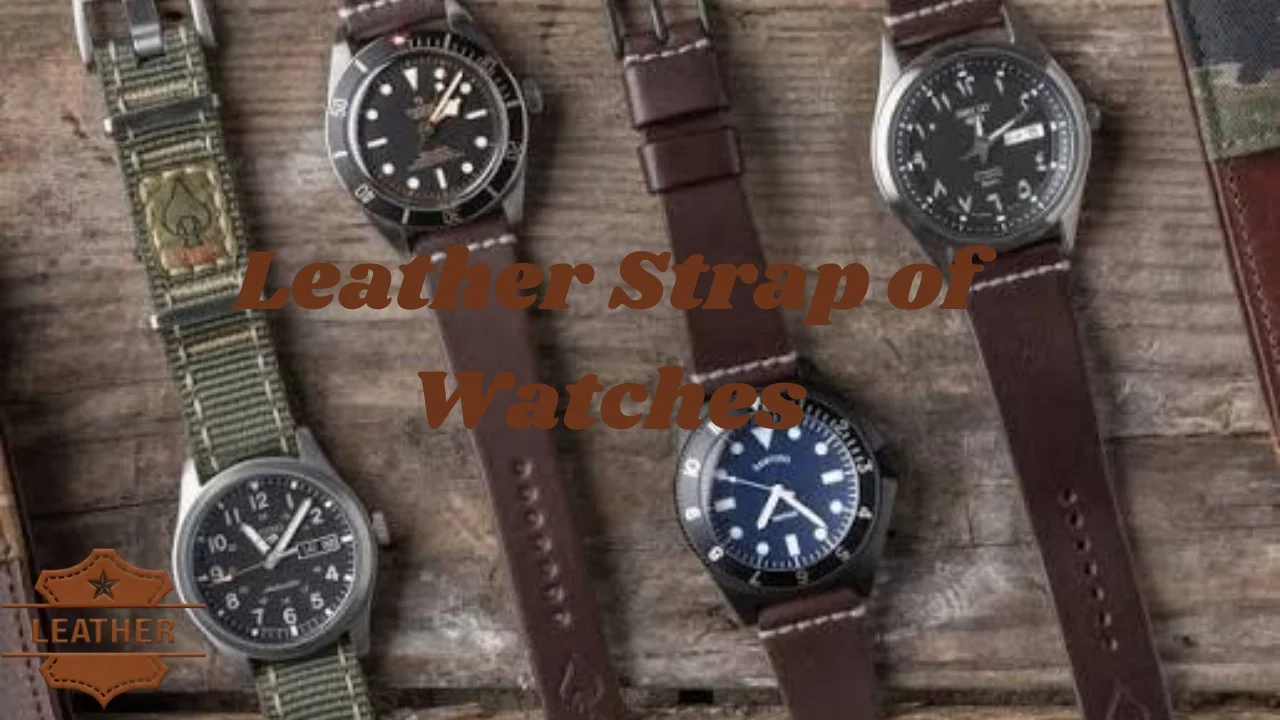
For watches, leather became a standard strap choice because it is lighter than metal, easier to shape, and visually compatible with slim cases. Today, strap makers use classic calfskin, vegetable-tanned leather, suede, nubuck, embossed finishes, and even exotic looks for dress watches and fashion watches. That evolution explains why the category is so broad now: a “leather strap” can mean anything from a minimal black dress strap to a thick vintage pilot strap.
Types of Leather Used in Watch Straps
Before buying, learn the basic leather types. The terminology below reflects common leather-industry usage from Leather Naturally and related trade sources.
| Leather type | What it means | Best for | Buyer note |
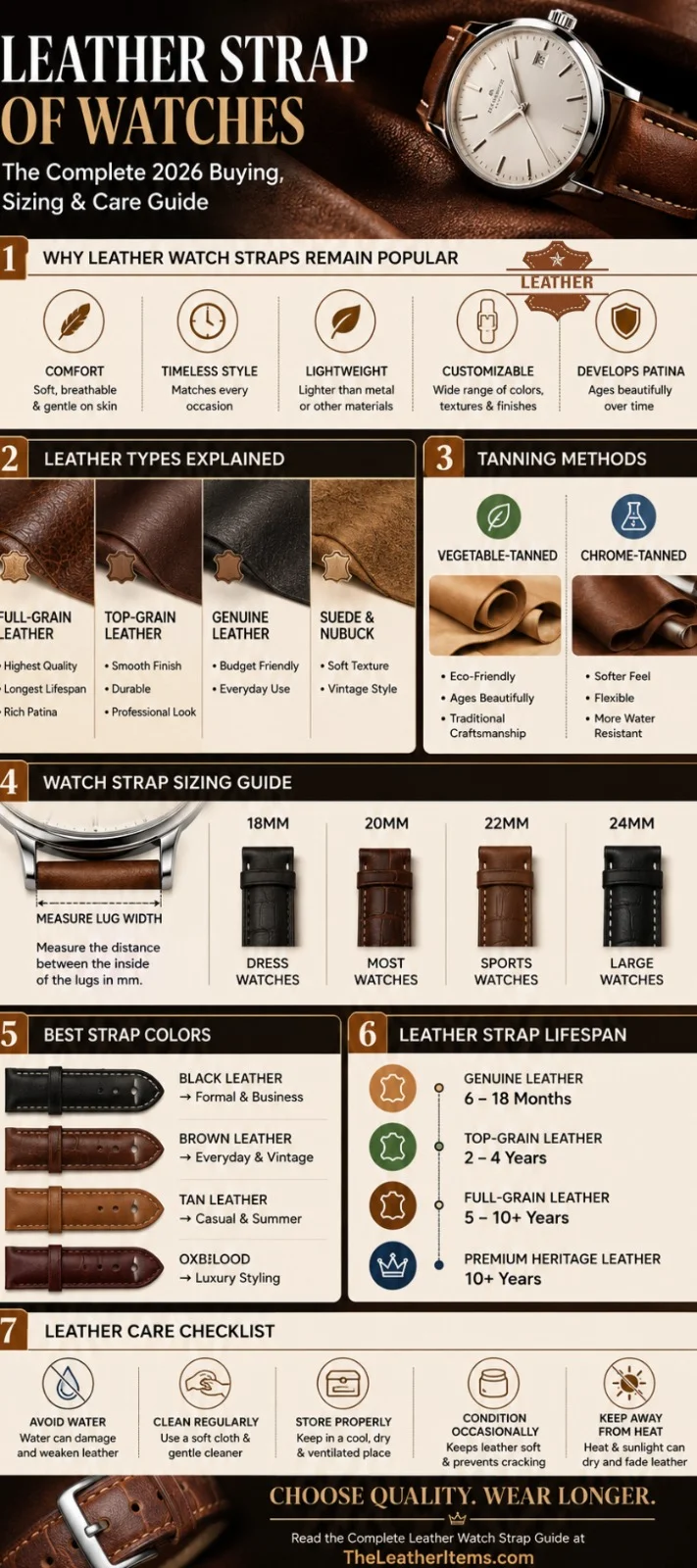
| Full-grain leather | Made from the top layer of the hide, with the natural grain preserved | Premium daily wear, dress watches, long-term use | Strong, character-rich, and usually the best value over time |
| Genuine leather | A term used to show that the product is real leather, not synthetic | Budget-friendly leather goods | The label does not guarantee premium quality |
| Nubuck | Leather with the top surface buffed for a soft, velvet-like feel | Casual and fashion-led straps | Looks refined but needs more stain care |
| Suede | The flesh side of leather or split leather with a soft, hairy surface | Vintage, casual, and textured styles | Soft and attractive, but more vulnerable to dirt and moisture |
| Aniline leather | Leather with minimal surface finish so the grain remains visible | Luxury straps | Beautiful feel, but less protected from marking |
| Pigmented/corrected grain leather | Leather with surface finishing that hides defects and adds protection | Everyday fashion straps | More uniform, often more affordable, but less natural-looking |
Full-Grain Leather
Full-grain leather keeps the original surface of the hide. That is why it usually shows more natural character, breathes well, and ages with a strong patina. Leather Naturally identifies full-grain leather as leather made from the top layer of the hide or skin.
For watch straps, full-grain is usually the safest recommendation for buyers who want quality, durability, and natural aging. It is especially good for office wear, daily use, and premium watches.
Genuine Leather
“Genuine leather” sounds premium, but it is really a broad truth claim: the product is made from Real Leather, not a synthetic substitute. Leather Naturally explicitly uses “genuine leather” as a term to emphasize that a product is made from natural leather. That means the phrase alone does not tell you the strap’s actual quality.
This is one of the most important buying lessons in the category. A strap stamped “genuine leather” can still be a weak purchase if the lining is poor, the finish is heavy, or the construction is thin and cheap.
Suede and Nubuck
Suede is soft, casual, and visually warm. Nubuck has a similarly soft feel, but it is buffed on the outer surface rather than split in the same way as classic suede. Both are attractive choices for vintage, casual, and relaxed outfits. Leather Naturally notes that nubuck has a soft velvet-like touch, while suede has a hairy appearance from the flesh side of the leather.
PU / Faux Leather
Leather Naturally describes vegan leather as a misleading marketing term for synthetic material made to look like leather. For a watch strap buyer, the practical point is simple: if you want genuine leather behavior, such as patina, breathability, repairability, and long wear, synthetic leather will not perform the same way.
Leather Tanning Methods Explained
Tanning changes the feel, flexibility, and aging pattern of the strap. Leather Naturally explains that most leather today is chrome-tanned, while vegetable tanning and chrome-free tanning are also used for specific effects.
| Tanning method | Main qualities | Best use in watch straps |
| Vegetable tanning | Firmer feel, rich character, beautiful patina, slower production | Vintage-style straps, heritage watches, and buyers who like natural aging |
| Chrome tanning | Softer, more flexible, more water-resistant, faster to produce | Everyday straps, dress straps, comfort-first buyers |
| Chrome-free tanning | Less common, used for niche performance and chemistry goals | Specialized straps where supplier transparency matters |
Vegetable-tanned leather is especially interesting for watch straps because it ages beautifully and develops a distinct patina, but it is generally firmer and can be less forgiving around moisture than chrome-tanned leather. Chrome tanning is usually softer and more water-resistant, which makes it practical for people who care more about comfort and daily wear than about traditional aging.
Mini summary:
Choose vegetable-tanned leather for character and aging. Choose chrome-tanned leather for softness, flexibility, and easier everyday use.
Understanding Leather Strap Construction
This is the section many competitors skip, but it is where real quality lives.
A good leather strap is not just about the outer leather. It is about how the pieces are layered, stitched, trimmed, lined, and finished. Watchband. Direct and Suparv both show that buyers care about fit, stitching, thickness, and sizing, but the deeper construction story is still usually missing from ranking pages.
What to check before buying
1. Stitching
Even tight stitching usually signals better construction. Loose, uneven stitching often leads to early failure at stress points.
2. Edge finishing
Painted, sealed, or burnished edges can improve appearance and help protect the strap from fraying.
3. Lining
The underside matters because it touches your wrist every day. A better lining improves comfort and helps handle sweat more gracefully.
4. Taper
A strap that tapers from the lug to the buckle often looks more refined on dress watches.
5. Hardware
A cheap buckle can ruin an otherwise good strap. Strong buckles and reliable spring bars matter more than many first-time buyers realize.
How to Identify Original vs Fake Leather
Buyers often confuse “real leather” with “high-quality leather.” Those are not the same thing.
A practical test is to ask four questions:
- Does the seller clearly state the leather type and tanning method?
- Does the surface look naturally textured rather than overly plastic?
- Are the edges, lining, and stitching consistent with the claimed price?
- Does the strap feel like leather that will age, or like a coated material that may peel?
Leather Research Laboratory warns that sellers can misrepresent leather by disguising corrected grain, split leather, or pigmented finishes as something better than they are. Leather Naturally also notes that terms like genuine leather and real leather simply mean natural leather, not premium leather.
Simple rule:
If the product page only says “genuine leather” but gives no tanning, lining, or construction details, treat it as a basic purchase until proven otherwise.
Leather Watch Strap Sizing Explained
Sizing is where many buyers make avoidable mistakes. Watchband. direct describes sizing around three measurements: lug width, strap length, and taper. Suparv also stresses lug width, wrist size, and thickness.
The three numbers that matter
1. Lug width
This is the distance between the lugs where the strap attaches to the watch case.
2. Strap length
This should match your wrist so the watch sits centered and secure.
3. Taper and thickness
A strap that is too thick can feel bulky. A strap that is too narrow can look underdressed on a large case.
Common strap widths
| Lug width | Typical use |
| 18 mm | Smaller dress watches |
| 20 mm | Very common, everyday size |
| 22 mm | Larger sports or field watches |
| 24 mm | Big watches and bold designs |
Watchband. direct and Suparv both show that a wide range of sizes is now common across leather strap stores, and 18–24 mm remains the most practical everyday range for many watches.
How to measure your watch correctly
- Measure the gap between the lugs in millimeters.
- Check your current strap or the watch spec sheet.
- Measure wrist circumference.
- Choose a Strap Length that matches how you want the watch to sit.
- Confirm taper and buckle width before purchase.
Snippet-ready answer:
The most important leather watch strap measurement is lug width. Measure the gap between the lugs in millimeters, then match the strap length and taper to your wrist size.
Apple Watch Leather Straps and Smartwatch Coverage
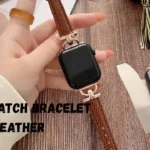
Smartwatch buyers are a major opportunity. Apple’s support pages confirm that band sizes must be compatible with the Apple Watch case size, and that many modern case sizes can share bands across groups such as 38/40/41 mm, 42/44/45 mm, and 44/45/46/49 mm compatibility bands. Apple also states that leather bands are not water resistant, should not be soaked, and should be kept away from direct sunlight and high humidity. Apple no longer sells leather bands itself.
That gives TheLeatherItems.com a clear content advantage: explain the difference between a traditional leather watch strap and an Apple Watch-compatible leather band, then show size compatibility in plain English. That kind of help is exactly what shoppers want before they buy.
Best Leather Strap Colors for Different Watches
Color choice is one of the fastest ways to improve the look of a watch.
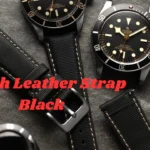
Black leather strap
Best for formal wear, business settings, black dials, and dress watches.
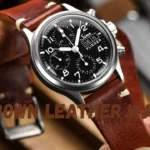
Brown leather strap
Best for daily wear, vintage watches, field watches, and versatile styling.
Tan leather strap
Best for casual outfits, summer looks, and lighter watch dials.
Oxblood/burgundy strap
Best for luxury styling and watches that need a more distinctive personality.
OPUMO and Mister Chrono both emphasize that leather color and finish should match the way you live, not just the watch itself.
Strap Thickness Guide
Thickness changes both comfort and visual balance.
- Thin straps work best on dress watches and slim cases.
- Medium straps are the most versatile for everyday wear.
- Thick straps suit field watches, pilot watches, and tool watches.
Suparv highlights how thickness affects comfort and style, and OPUMO notes that more rugged leather choices often suit vintage or tool-watch styling.
Best Leather Straps for Different Watch Types
Dress Watches
Choose black calfskin, smooth full-grain leather, or an elegant formal strap with minimal stitching. Leather naturally supports a slim, refined profile for dress pieces.
Field and Vintage Watches
Choose brown, tan, distressed, or pull-up-style leather. These leathers develop character and suit the rugged personality of the watch.
Smartwatches
Choose a well-made leather band only if you are comfortable with lighter moisture exposure and a more careful cleaning routine. Apple explicitly separates leather from sport materials in its care guidance.
Luxury Watches
Choose higher-end calfskin, vegetable-tanned leather, or exotic-pattern straps only when the finish, stitching, and buckle quality are equally strong. A premium watch deserves an equally credible strap.
How Long Do Leather Watch Straps Last?
There is no single lifespan number that fits every strap. Leather Naturally explains that leather can last a very long time when it is well-made and properly maintained, while Apple’s care guidance makes it clear that moisture, lotions, sunlight, and humidity can shorten the life of leather bands.
A practical way to think about lifespan is this: aSsssssssssssssssssssssdz \
- Lower-end leather straps wear out faster, especially with sweat and daily bending
- Mid-range straps can last well with proper care
- Premium full-grain and well-constructed straps can age beautifully over time
- The underside, holes, and buckle area usually fail first.
OPUMO specifically notes that cracking near buckle holes, thinning where the strap flexes most, and loss of shape are signs that it is time to replace the strap.
Mini summary:
A strap lasts as long as its materials, lining, and care routine allow. Sweat, water, and poor storage shorten lifespan more than most buyers expect.
How to Care for a Leather Watch Strap
Care is simple, but it must be consistent.
Apple’s official guidance is especially clear for leather bands: wipe with a nonabrasive cloth, use only a lightly damp cloth if needed, do not soak the band, do not use soap or harsh cleaners, and let it air-dry fully away from direct sunlight, heat, and humidity. OPUMO and other current guides echo the same basic approach: dry cloth first, keep away from water, and use conditioner sparingly.
Best care routine
- Wipe the strap after wear.
- Let it dry naturally if it gets damp.
- Keep it away from direct heat.
- Avoid perfumes, lotions, sunscreen, and heavy sweat exposure.
- Condition only when the leather looks dry, not on a fixed schedule.
Common care mistakes
- soaking the strap
- drying it with a hair dryer
- storing it in a humid bag or box
- wearing it through sports or swimming
- using strong chemical cleaners.
Common Buyer Mistakes to Avoid
Buying only by price
Cheap straps often save money now, but cost more later when they crack or stretch too quickly.
Ignoring the leather label
“Genuine leather” does not automatically mean Premium Quality.
Skipping sizing
Incorrect lug width is one of the fastest ways to ruin the buy.
Forgetting sweat and water exposure
Leather is not the right choice for swimming, heavy workouts, or constant wet weather. Apple is explicit that leather bands are not water-resistant.
Ignoring construction details
Stitching, lining, and edge work matter as much as the top surface.
Pros and Cons of Leather Watch Straps
Pros
- classic, timeless look
- comfortable on the wrist
- improves with wear when well-made
- works with dress, casual, and vintage watches
- available in many colors and textures.
Cons
- vulnerable to water and sweat
- needs more care than rubber or metal
- Poor-quality leather can crack or peel early
- not ideal for sports, beach wear, or humid conditions.
Who Should Buy a Leather Strap for Watches?
Leather is best for:
- office wearers
- dress-watch owners
- vintage-watch collectors
- style-focused buyers
- people who like a softer wrist feel
- smartwatch users who want a classic look.
Who Should Avoid It?
Avoid leather if you:
- swim often
- work in heavy moisture
- train hard every day
- want a strap that can be rinsed repeatedly
- want zero-maintenance ownership.
Worldwide Price Ranges
Leather watch strap prices vary by hide quality, lining, hardware, manufacturing location, and brand positioning. Leather Naturally notes that full-grain typically sits at the top end of the leather spectrum, followed by top-grain and then lower-price categories.
A practical buyer’s view is:
- Budget: basic genuine leather or corrected grain
- Mid-range: better calfskin, improved lining, cleaner stitching
- Premium: full-grain, vegetable-tanned, better hardware
- Luxury: handcrafted, specialty hides, refined finishing.
Best Countries and Brands Famous for Leather Straps
Leather Working Group notes that leather production is global, with Italy, China, and Brazil among the top countries by volume, while LWG-certified suppliers operate in 60+ countries. For watch straps, the real buying lesson is that country matters, but tannery quality, finishing, and construction matter more.
A better way to present this section on TheLeatherItems.com is:
- Italy: widely associated with luxury leather finishing and fashion-led craftsmanship
- France: strong in luxury positioning and refined leather goods
- United Kingdom: strong heritage, fashion, and accessory culture
- United States: respected for artisan leather goods and workwear influences
- Japan: admired for detail-driven finishing and minimalist design.
That framing is safer and more useful than pretending the country alone determines quality. The article should tell readers to verify tannery details, lining, and construction before trusting the origin story.
Future Trends in the Leather Industry
The leather market is moving toward better traceability, stronger environmental standards, and clearer sourcing claims. The Leather Working Group emphasizes audited standards, environmental improvement, chemical management, and traceability. It also says more than a third of global finished leather production is assessed against its audit standard.
For watch straps, the likely future trends are:
- more quick-release convenience
- more smartwatch-compatible leather bands
- better transparency about tanning and sourcing
- more demand for vegetable-tanned and traceable leathers
- stronger focus on long-life products instead of disposable fashion.
Expert Tips Most Buyers Ignore
- Ask for the lining material, not just the top leather.
- Look at the whole area; that is where weak straps fail first.
- Match strap thickness to watch case size.
- For dress watches, slimmer usually looks better.
- For larger watches, a thicker strap balances the watch visually.
- Buy one strap in black and one in brown before buying anything flashy.
- For smartwatch wear, keep a second sport strap for workouts.
- If a seller avoids construction details, assume the strap is average until proven otherwise.
People Also Ask
A: Usually, yes, for long-term ownership. Full-grain keeps the natural hide surface, while “genuine leather” only tells you the product is real leather, not that it is premium.
A: Occasional moisture happens, but leather should not be soaked. Apple specifically says leather bands are not water-resistant.
A: Lug width is the key measurement. If the width is wrong, the strap will not fit correctly.
A: Full-grain or good-quality top-grain / calfskin straps are usually the safest daily-use choices because they balance comfort, durability, and appearance.
A: Usually because of weak leather, poor lining, bad finishing, too much sweat or water, or wrong sizing that creates extra stress at the buckle holes.
Conclusion
A good leather strap is not just a replacement part. It is a style upgrade, a comfort upgrade, and often a better long-term choice than buyers expect. The smartest shoppers look beyond the label and pay attention to leather type, tanning method, Sizing, lining, stitching, and care. That is how you get a strap that looks better with age instead of failing early.
For TheLeatherItems.com, this topic is a strong pillar opportunity because it connects naturally to leather wallets, jackets, belts, shoes, full-grain leather, and care content. That makes it ideal for topical authority, internal linking, and long-term organic growth. If you publish this guide with real detail, practical examples, and honest expectations, it can become one of the strongest pages on the site.
Legal disclaimer: Leather quality, pricing, manufacturing standards, and product availability may vary by country, brand, and supplier. Always verify authenticity, material details, and care instructions before purchase.