Men’s Sandals Leather
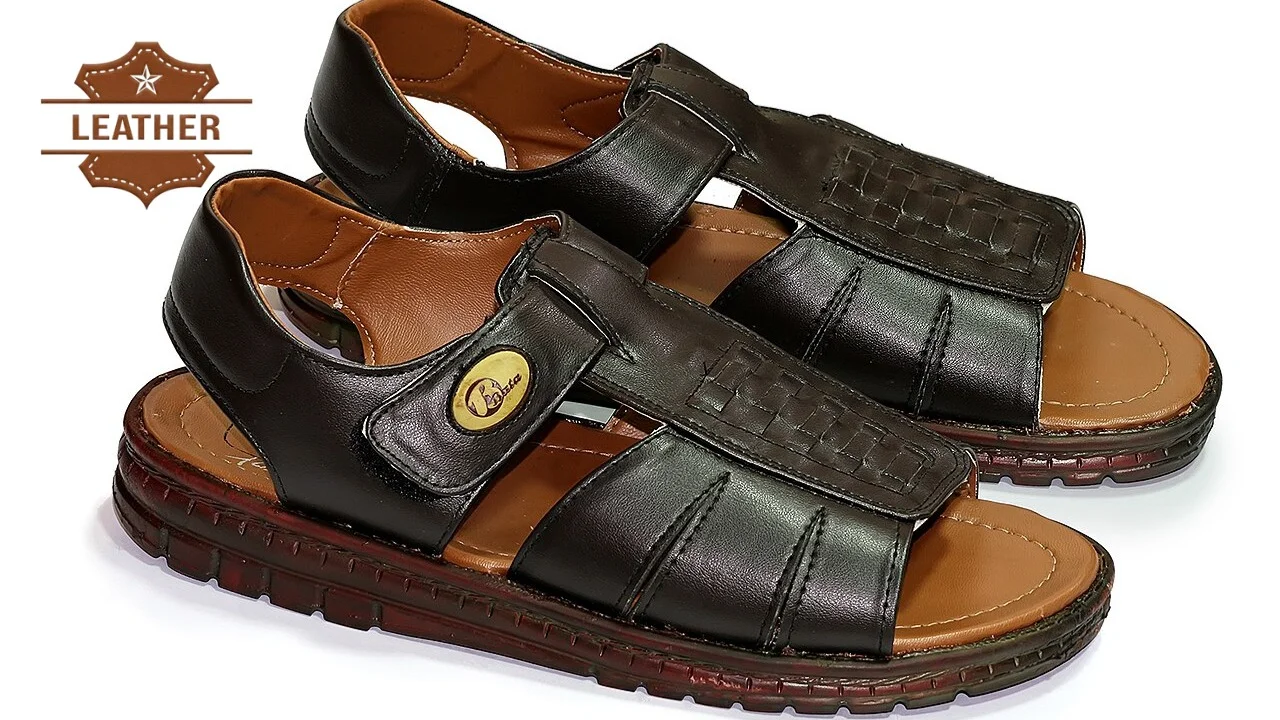
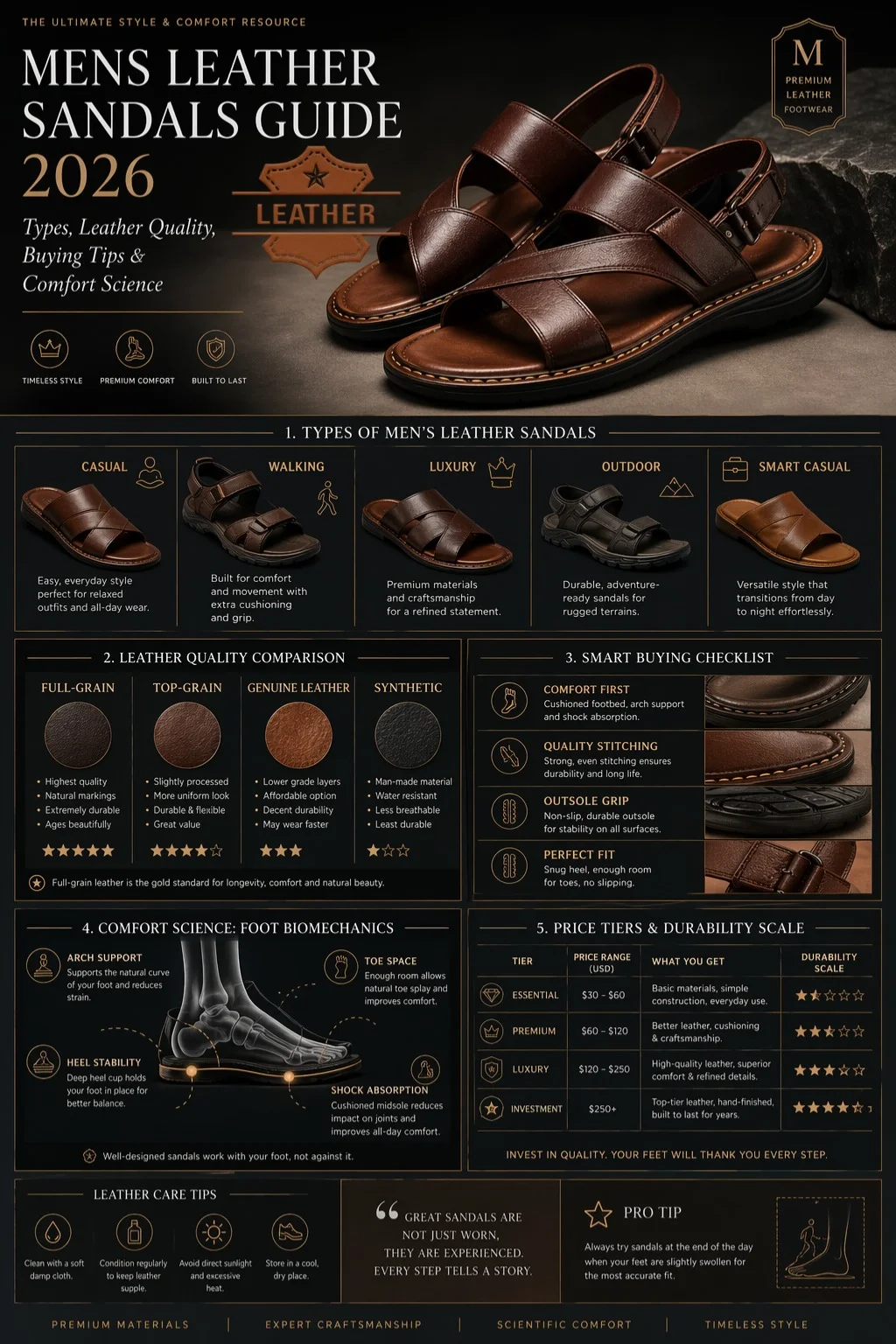
In 2026, Men’s Leather Sandals are no longer just basic summer footwear. They have evolved into a fusion of ergonomic comfort engineering, leather material science, and modern lifestyle fashion design.
Most consumers still select sandals based on appearance or brand recognition. However, the true difference between a low-quality sandal and a premium long-lasting leather sandal lies deep within technical construction and material integrity, such as:
- Leather grade and fiber density
- Manufacturing and stitching technique
- Biomechanical foot support system
- Cushioning and outsole engineering
- Breathability and temperature regulation
This comprehensive guide breaks everything down into simple, practical English so you can confidently choose sandals that last years instead of months.
👞 What Are Men’s Leather Sandals?
Men’s leather sandals are open-style footwear crafted using natural or processed animal hide materials. They are engineered to provide ventilation, comfort, flexibility, and walking stability in warm climates.
✔️ Core Characteristics
- Open-structure design for airflow and cooling
- Leather-based upper straps or covering
- Rubber, EVA, or leather outsole base
- Adjustable fitting mechanisms (buckles, Velcro, straps)
- Cushioned or anatomically shaped footbed
🧠 Why They Matter in Modern Footwear
Leather sandals are not merely aesthetic fashion pieces. They function as:
- Foot-support systems for long-distance walking
- Natural shock absorption platforms
- Temperature-balancing footwear for hot environments
- Every day, biomechanical comfort enhancers
👉 High-quality leather sandals can significantly reduce foot fatigue, improve walking posture, and minimize pressure points.
🕰️ History of Men’s Leather Sandals
Leather sandals are among the earliest known forms of human footwear, dating back thousands of years.
📜 Evolution Timeline
🏺 Ancient Civilizations (5000+ years ago)
- Egyptians used leather straps for desert survival
- Greeks designed minimal strap-based sandals
- Roman soldiers wore reinforced leather sandals for endurance marching
🧵 Medieval Era
- Improved vegetable tanning techniques enhanced softness and durability
- Stronger hand-stitching methods were introduced
- Craftsmanship became more structured and refined
🏭 Modern Industrial Era
- Machine-based stitching replaced manual labor in mass production
- Rubber soles were integrated for traction and shock absorption
- Comfort technology like arch support and foam cushioning emerged
👉 Today’s leather sandals combine ancient craftsmanship with advanced engineering systems.
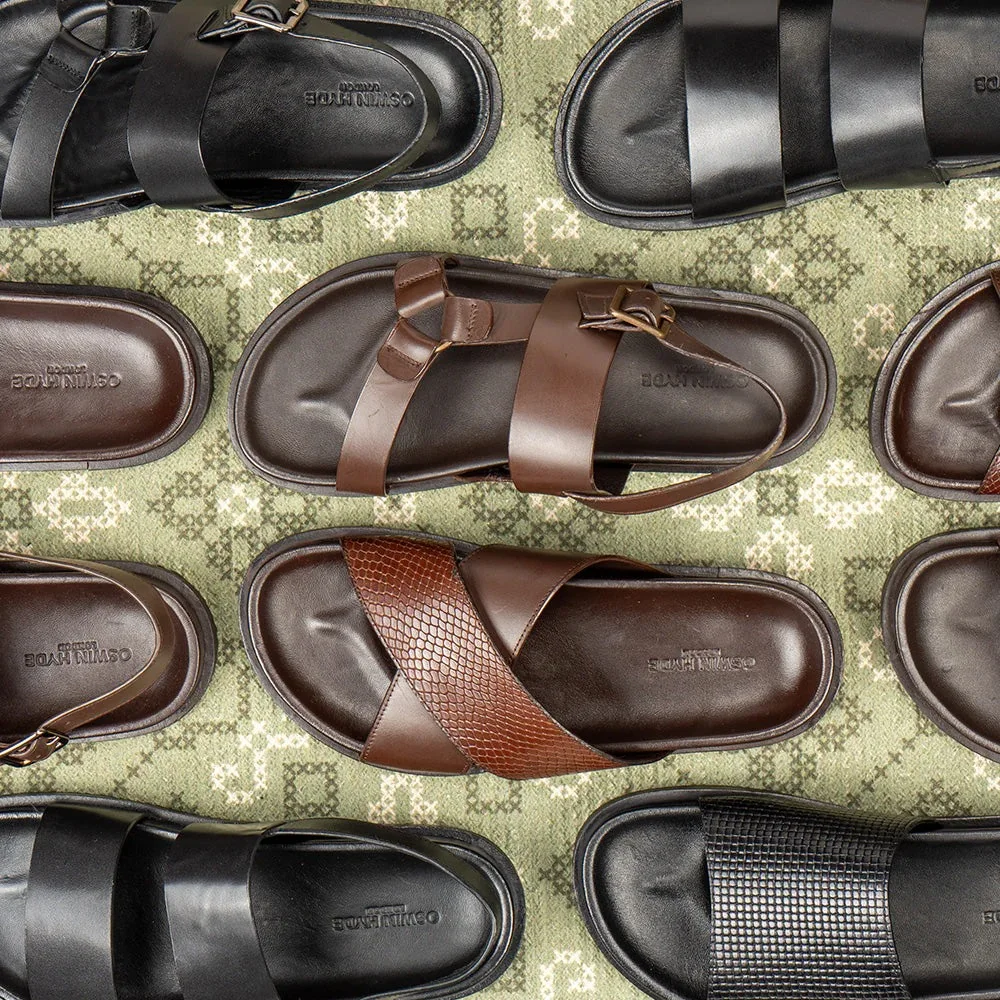
🧾 Types of Men’s Leather Sandals
Different sandal types serve different lifestyle needs. Choosing correctly improves comfort and durability.
👟 Casual Leather Sandals
- Lightweight construction
- Simple and minimal design
- Ideal for home, short walks, and daily use
🚶 Walking Leather Sandals
- Engineered arch support
- Enhanced cushioning system
- Designed for extended walking sessions
👔 Smart Casual Sandals
- Clean, polished leather finish
- Suitable for semi-formal or office-casual outfits
- Balanced Style and Comfort
🏔️ Outdoor / Adventure Sandals
- Heavy-duty grip outsole
- Water-resistant or quick-dry design
- Reinforced straps for durability
💎 Luxury Leather Sandals
- Premium full-grain leather material
- Handcrafted stitching details
- Advanced ergonomic footbed technology
🧠 Leather Types Explained
Leather quality is the most critical factor determining sandal lifespan and comfort.
🥇 Full-Grain Leather
Full-grain leather is the most durable and premium grade available.
- Retains natural grain surface
- Extremely strong fiber structure
- Develops rich patina over time
✔️ Benefits
- Maximum durability and lifespan
- High breathability and moisture balance
- Improves appearance with age
👉 Ideal for: Long-term investment users and premium buyers
🥈 Top-Grain Leather
Top-grain leather is slightly processed for smoothness.
- Surface is lightly sanded
- Softer texture than full-grain
- More flexible and lightweight
✔️ Benefits
- Comfortable from first use
- Good durability
- Elegant appearance
👉 Ideal for: Everyday comfort-focused users
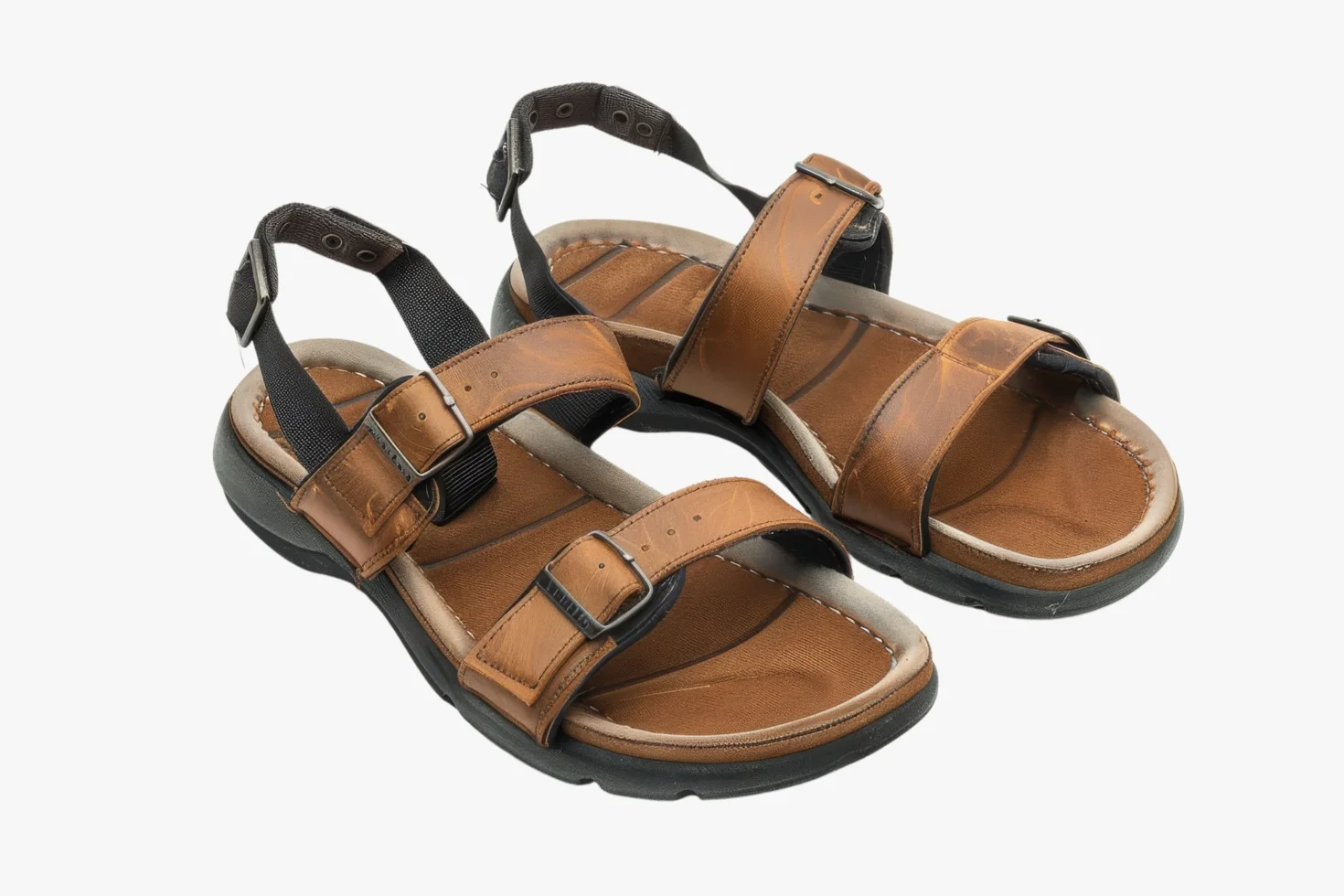
⚠️ Genuine Leather
Despite its name, “genuine leather” is not the highest quality.
- Lower layers of hide material
- Heavily processed and corrected surface
❌ Issues
- Cracks faster under pressure
- Poor heat resistance
- Shorter lifespan compared to premium leather
👉 Avoid if durability is your priority
🧪 Synthetic / PU Leather
Artificial, petroleum-based material imitation.
❌ Weaknesses
- No airflow or breathability
- Causes sweating and discomfort
- Lacks natural aging or patina
👉 Suitable only for low-budget or temporary use
🏭 How Men’s Leather Sandals Are Made
Understanding manufacturing helps identify quality differences.
🔧 Step 1: Leather Selection
High-grade hides are selected based on fiber strength and texture consistency.
🧪 Step 2: Tanning Process
- Vegetable tanning → eco-friendly, durable, natural finish
- Chrome tanning → softer, flexible, faster production
✂️ Step 3: Cutting & Shaping
Leather sheets are precisely cut into straps, soles, and footbeds.
🪡 Step 4: Assembly Method
- Stitching → strong, durable, repairable
- Adhesive bonding → cheaper but weaker
👞 Step 5: Sole Integration
Rubber, EVA, or leather soles are attached for grip and cushioning.
✨ Step 6: Finishing Process
Includes polishing, coloring, and protective coating application.
🔍 How to Identify Real vs Fake Leather Sandals
Many buyers are misled by marketing labels.
✔️ Real Leather Indicators
- Natural grain variations
- Mild organic leather scent
- Absorbs slight moisture
- Improves softness over time
❌ Fake Leather Indicators
- Artificial plastic shine
- Perfect uniform texture
- Chemical or synthetic odor
- No aging or patina development
🧪 Thumb Pressure Test
- Slow rebound = real leather
- Instant bounce = synthetic material
🛍️ Buying Guide for Men’s Leather Sandals
✔️ Prioritize Leather Grade
Always choose:
- Full-grain (best option)
- Top-grain (secondary option)
✔️ Construction Method
| Type | Durability |
| Stitched | 3–7 years |
| Cemented | 6–12 months |
👉 Always prefer stitched construction
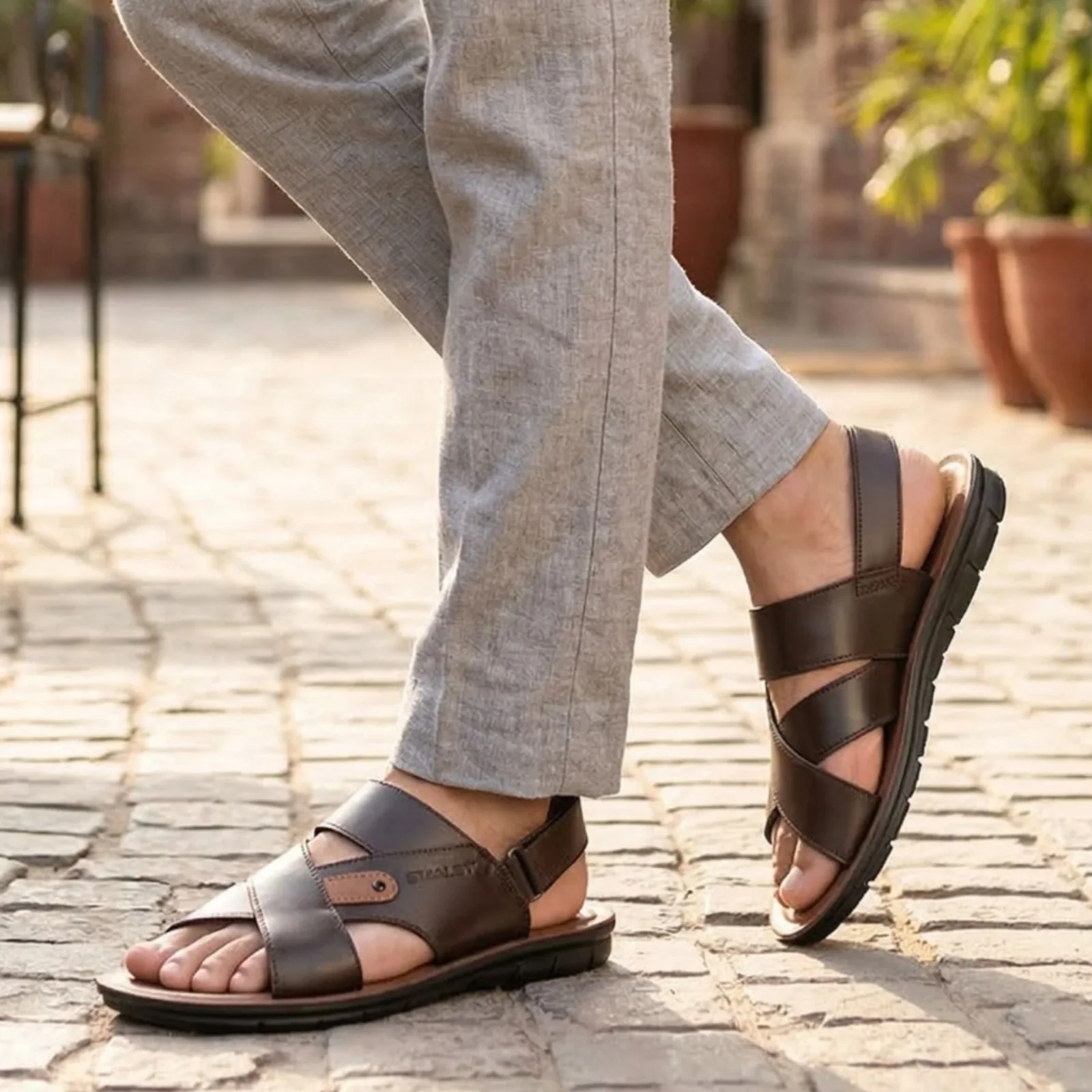
✔️ Comfort Engineering
Check for:
- Arch support alignment
- Heel Stability system
- Proper toe box spacing
✔️ Outsole Material
- Rubber outsole = best traction
- Leather outsole = slippery on wet surfaces
✔️ Strap Comfort
- No rough edges
- No skin friction zones
- Flexible movement design
🦶 Foot Biomechanics
Most sandals fail not because of the material but because of poor biomechanical design.
👣 Arch Support Failure
Without proper support:
- Increased foot pain
- Misaligned posture
- Long-term joint stress
👟 Heel Stability Issues
- Causes blister formation
- Reduces walking balance
🦶 Toe Space Restriction
- Prevents natural foot expansion
- Leads to discomfort during movement
🏗️ Construction Quality Breakdown
🔩 Cemented Construction
- Glue-based assembly
- Weak heat resistance
- Short lifespan
🪡 Stitched Construction
- Reinforced bonding
- Repair-friendly structure
- Long-lasting durability
⚠️ Weak Zones in Sandals
- Strap junction points
- Heel pressure zones
- Flex bending areas
🌍 Climate Impact on Leather Sandals
☀️ Hot Weather Conditions
- Leather becomes more stable
- Requires conditioning for moisture balance
🌧️ Humid Conditions
- Leather becomes more flexible
- Vegetable tanning performs better
💦 Wet Conditions
- Requires waterproof treatment
- Rubber outsole recommended
📊 LSES System
| Factor | Weight |
| Leather Quality | 30% |
| Construction | 25% |
| Comfort Design | 25% |
| Strap Quality | 20% |
📈 Scoring Results
- 80–100 = Premium Grade
- 60–79 = Medium Quality
- Below 60 = Avoid Purchase
💰 Price Range of Men’s Leather Sandals
| Category | Price | Quality |
| Budget | $20–$50 | Synthetic |
| Mid-range | $50–$120 | Top-grain |
| Premium | $120–$300 | Full-grain |
| Luxury | $300–$800+ | Handmade |
👍 Pros and Cons
✔️ Advantages
- Long lifespan durability
- Breathable material structure
- Natural foot adaptation
- Stylish modern appearance
- Superior comfort experience
❌ Disadvantages
- Higher price range
- Requires maintenance care
- Sensitive to water exposure
- Break-in period required
👟 Best Uses of Leather Sandals
- Daily walking routines
- Summer Travel and Tourism
- Beach vacations
- Casual office environments
- Urban lifestyle wear
🧴 Care & Maintenance Guide
Cleaning
- Use a soft, damp cloth
- Avoid soaking in water
Conditioning
- Apply leather conditioner every 2–3 months
Storage
- Keep away from direct sunlight
- Use shoe fillers for shape retention
Protection
- Apply waterproof spray coating
🌎 Countries Known for Leather Sandals
- 🇮🇹 Italy → luxury craftsmanship
- 🇪🇸 Spain → stylish comfort design
- 🇮🇳 India → handcrafted leather tradition
- 🇹🇷 Turkey → durable and affordable production
❓ FAQs
A: Yes, if they have arch support and stitched construction.
A: Full-grain leather is the best for durability and comfort.
A: Yes, good leather adapts to your foot shape.
A: From 6 months to 7+ years, depending on quality.
A: Yes, they are more durable, breathable, and comfortable.
🧠 Final Expert Conclusion
Men’s leather sandals are not just footwear—they are long-term ergonomic comfort systems.
The most important deciding factors are:
- Leather grade (full-grain preferred)
- Stitching vs cement construction
- Biomechanical foot support design
- Material Engineering Quality
👉 Remember:
Comfort + Quality + Construction = Perfect Leather Sandals