Introduction
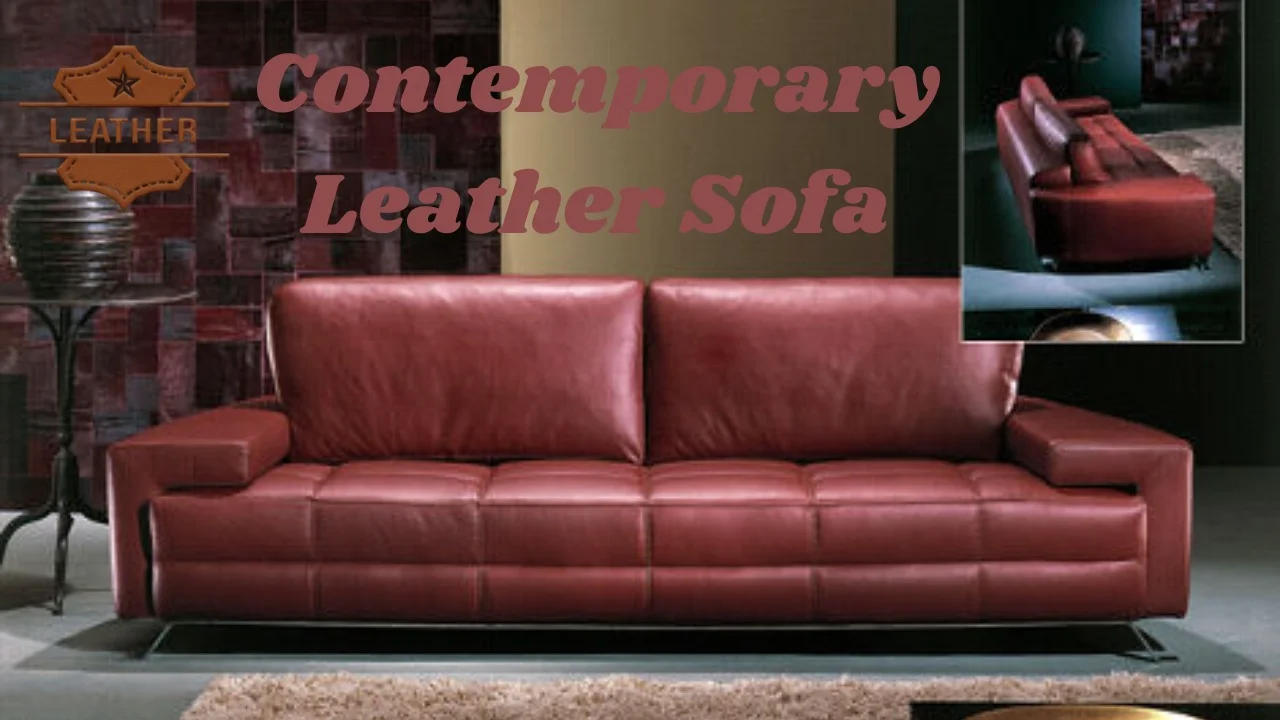
A Contemporary Leather Sofa is more than a place to sit. It is usually the visual anchor of a living room, the piece that shapes the room’s style, comfort level, and long-term value. In 2026, buyers want furniture that feels modern without looking trendy for just one season, which is why contemporary leather sofas continue to attract homeowners, apartment dwellers, and design-conscious shoppers. Retailers and design editors keep highlighting the same themes: sleek silhouettes, durable leather, warm neutrals, modular layouts, and the kind of timeless look that works across changing interior styles.
The problem is that many buyers still choose based on appearance alone. They see a beautiful sofa online, but they do not know whether the leather will age well, whether the frame is solid, whether the seat depth fits their body, or whether the color will work in their room. This guide solves that problem. It explains what a contemporary leather sofa really is, how to judge quality, which leather type suits which lifestyle, and how to style the sofa so it looks expensive and intentional in a modern home. It also gives you a practical way to compare options before you spend money.
What is a contemporary leather sofa?
A contemporary leather sofa is a modern seating design with clean lines, refined proportions, minimal ornamentation, and leather upholstery chosen for comfort and durability. It usually feels lighter, cleaner, and more streamlined than a traditional leather sofa, while still offering the classic warmth and longevity that make leather so popular.
What makes a contemporary leather sofa different?
A contemporary leather sofa usually focuses on visual simplicity. You will often see straight or softly curved arms, lower profiles, slim legs, smooth cushions, and a layout that works well in open-plan rooms. Retailers and designers increasingly frame these sofas as pieces that suit modern, minimalist, Scandinavian, and luxury interiors rather than heavy traditional spaces.
What really matters, though, is not just style. Contemporary leather sofas are designed to balance form and function. The best ones combine good leather, a strong frame, supportive cushions, and a shape that fits everyday life. That balance is what separates a true investment piece from a sofa that only looks good in photos.
Why contemporary leather sofas remain popular in 2026
Leather remains popular because it combines luxury with practicality. Good leather develops character over time, is generally easier to wipe clean than many fabrics, and can last for many years when made well and cared for properly. Retailers continue to market leather as a durable, elegant choice, while product testing pages keep emphasizing construction, patina, and comfort as major decision factors.
In 2026, the design direction is also helping. Curved silhouettes, modular comfort, earthy tones, and quiet-luxury interiors are all visible in current furniture and decor coverage, while contemporary leather collections are increasingly presented in those exact language patterns. That makes leather feel fresh again rather than old-fashioned.
History and evolution of the leather sofa
Leather sofas have long been associated with durability, status, and heritage craftsmanship. Over time, the style moved from heavier, traditional silhouettes into lighter modern forms that suit apartments, lofts, family homes, and open-plan layouts. Today’s contemporary leather sofa borrows from mid-century, Scandinavian, industrial, and minimalist design, which is why it can feel both timeless and current.
The evolution matters because buyers now expect more than a classic “brown leather couch” look. They want pieces that fit modern life: smaller footprints for urban homes, modular systems for flexible seating, and finishes that work with light walls, wood, metal, stone, and textured textiles. That shift is visible across current retailer collections and design coverage.
The main leather types used in contemporary sofas
Leather comparison table
| Leather type | What it feels/looks like | Best for | Caution |
| Full-grain leather | Most natural-looking, strongest grain, develops rich patina over time. It is widely treated as the highest quality leather choice. | Buyers who want premium durability and long-term value | Usually more expensive and may show natural marks |
| Top-grain leather | Smooth, refined, more uniform appearance, easier to maintain than aniline styles. | Every day homes, family use, cleaner visual finish | Slightly less natural character than full-grain |
| Aniline leather | Minimal surface finish, beautiful natural grain, soft and luxurious feel. | Luxury buyers who love natural texture | More sensitive to liquids and marks |
| Semi-aniline leather | A middle ground with more protection while keeping a natural look. | Busy homes that still want a premium finish | Not as raw and natural as pure aniline |
| Pigmented/protected leather | More even color and more resistance to daily wear. | Families, pets, high-use living rooms | Less natural-looking than aniline |
| Genuine leather | Real leather, but quality can vary widely depending on the hide and finish. | Mid-range buyers who want real leather | The term alone does not guarantee top quality |
| Bonded / PU / faux leather | Budget-friendly alternatives with lower long-term performance. | Short-term or budget-only use | Can wear out faster and feel less authentic |
Full-grain and top-grain are the names you should pay closest attention to. Leather Naturally notes that aniline leather has a minimal surface finish and usually comes from the best quality hides, while BHG and other leather guides continue to identify full-grain as the strongest and most desirable category.
Manufacturing process: what really matters behind the scenes
A good leather sofa starts long before the final upholstery is stitched in place. The hide must be selected, tanned, finished, cut, and assembled with attention to grain, thickness, and consistency. But for the buyer, the most important manufacturing clues are still the same: the frame, the suspension system, the cushion fill, and the quality of the leather finish.
What to look for in construction
- Kiln-dried hardwood frame for strength and reduced warping.
Actually, remove the accidental reference above in use; continue:
- Kiln-dried hardwood frame for strength and reduced warping.
- Reinforced joints or corner blocks for long-term stability.
- Quality springs for support and comfort over time.
- High-resilience foam so seats do not collapse too quickly.
- Consistent stitching and seam finishing so stress points do not fail early.
A sofa can have beautiful leather and still fail early if the internal structure is weak. That is why the best buying guides keep repeating the same point: the inside matters as much as the outside.
How to identify original leather vs fake or low-quality leather
This is one of the biggest buyer pain points, especially online. The word “leather” is often used loosely, and not every leather sofa offers the same value. A smart buyer should verify the leather type, ask for material breakdowns, and inspect stitching, grain, smell, and finish consistency when possible.
Quick showroom or product-page checks
- Look for exact material wording such as full-grain, top-grain, semi-aniline, or pigmented leather.
- Ask whether the leather covers all touch points or only seating surfaces.
- Check whether the frame is kiln-dried hardwood or a cheaper engineered material.
- Read warranty and care instructions. Serious brands usually publish them.
- Be cautious if the listing uses vague wording like “leather-look” or only says “genuine leather” without more detail.
Signs of better leather
- Natural grain variation
- Soft but not plasticky touch
- Even color with visible depth
- Honest description of marks or patina potential
- Clear care guidance from the seller
Complete buying guide for a contemporary leather sofa
1) Start with your room layout
Measure the room, doorway, hallway turns, and the final placement zone before buying. Contemporary leather sofas often look light and clean, but they can still dominate a room if the proportions are wrong. Product guides and tested roundups repeatedly highlight size, fit, and living-space Compatibility as key decisions.
2) Choose the right seat depth
Seat depth should match how you actually sit. A deeper sofa is not always better. If you sit upright often, you may prefer more back support and a slightly shallower seat; if you lounge, a deeper profile can feel better. BHG’s testing notes also show that comfort is tied to the sofa’s intended use, not just how soft it feels in a showroom.
3) Match the leather to your lifestyle
For busy families and pets, a protected or semi-aniline finish is often more forgiving. Sofology specifically notes that some of its leather types include a protective layer and are aimed at family life, while Leather Naturally explains that aniline is more natural but less protected.
4) Think about the sofa silhouette
Contemporary leather sofas look best when the shape matches the room. Low profiles suit urban apartments and minimalist spaces; modular sofas suit flexible family rooms; curved silhouettes soften sharper interiors; and clean-lined rectangular designs work well in open-plan layouts. Those patterns are visible in 2026 trend coverage and current retailer collections.
5) Choose a color with the room in mind
Cognac, camel, charcoal, black, cream, and deep brown remain the most versatile choices because they work with wood, stone, metal, and neutral walls. Current trend coverage also shows stronger interest in warm neutrals and earthy palettes.
Buying guide table: which sofa type fits which buyer?
| Buyer type | Best leather choice | Best sofa shape | Why |
| Family home | Protected top-grain or semi-aniline | 3-seater, sectional, modular | Better balance of comfort and practicality |
| Pet-friendly home | Protected leather with darker finish | Clean-lined sofa with removable cushions | Easier daily upkeep and less visible wear |
| Luxury design buyer | Full-grain or premium aniline | Low-profile, sculptural silhouette | Best texture, aging, and visual depth |
| Apartment buyer | Top-grain leather | Compact 2–3 seater | Saves space without losing style |
| Long-term value buyer | Full-grain or high-quality top-grain | Timeless shape | Best durability and resale appeal |
Best styles of contemporary leather sofa
Mid-century modern
Tapered legs, structured cushions, and warm leather shades make this style feel classic but current. It suits buyers who want a refined, lived-in look without heavy ornamentation.
Scandinavian contemporary
This version leans on lighter visuals, simple forms, and calm neutral palettes. It is especially good for bright rooms, small spaces, and buyers who want a clean interior story.
Japandi
Japandi leather sofas often feel understated, balanced, and warm. The style pairs well with wood, linen, stone, and soft natural textures. Its appeal fits the wider 2026 trend toward calm interiors and organic shapes.
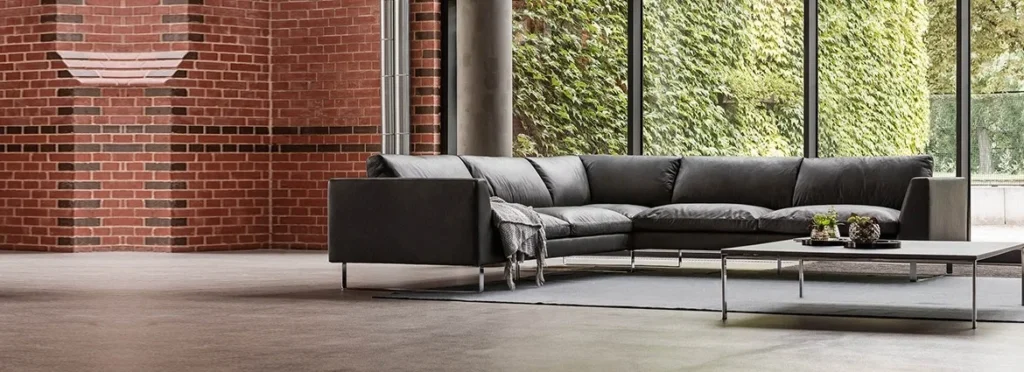
Industrial contemporary
Dark leather, metal accents, and concrete or brick backdrops create a more urban and masculine mood. This style works particularly well when the room needs a stronger focal point.
Modern luxury
Deep seating, premium stitching, rich tones, and sculptural lines create a high-end look. This is the style most often associated with designer collections and luxury showroom pages.
Leather sofa color guide for 2026
Cognac
Cognac remains one of the most in-demand choices because it brings warmth, depth, and a premium feel without looking too dark. It works beautifully with walnut, cream, black, and brass. Trend coverage and retailer pages continue to push warm brown leather as a strong 2026 option.
Camel
Camel feels soft, airy, and elegant. It is a strong choice for Scandinavian, Japandi, and quiet-luxury interiors.
Charcoal and black
These colors suit modern urban homes, especially where you want strong contrast or a more dramatic design statement. They also hide everyday wear well.
Cream and ivory
These tones look luxurious and bright, but they need more care and a more disciplined lifestyle. They work best in tidy, low-clutter interiors.
Best uses of a contemporary leather sofa
A contemporary leather sofa works especially well in living rooms that need one strong anchor piece. It is ideal for open-plan homes, modern apartments, family lounges, reading corners, and entertaining spaces where you want comfort without visual clutter. Retailers consistently describe leather sofas as suitable for multiple room types because of their durability and adaptable appearance.
It also works beautifully in spaces that mix textures. Leather pairs well with wool, linen, bouclé, natural wood, marble, travertine, black metal, and ceramic accents. That texture mix is one reason leather never fully disappears from design conversations.
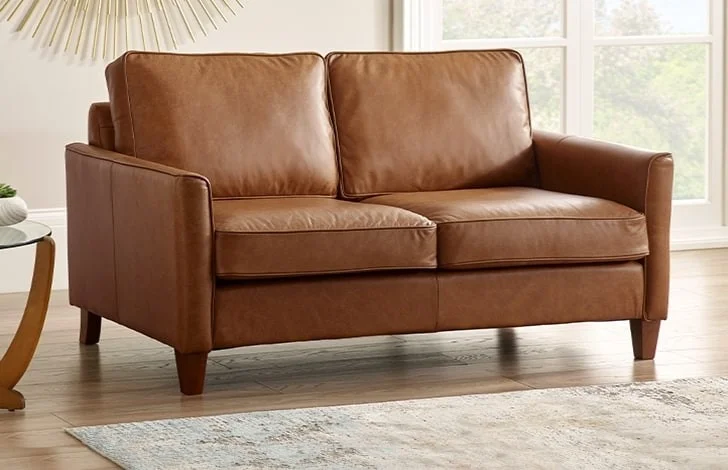
How to style a contemporary leather sofa
Add contrast through texture
Use wool throws, linen cushions, bouclé chairs, or textured rugs so the leather does not feel flat. The contrast between smooth leather and tactile fabrics is what makes a room feel designed rather than just furnished.
Use the right rug
A natural wool rug or muted vintage-style rug can ground the sofa and soften the room. In modern interiors, the rug often becomes the bridge between leather, wood, and metal finishes.
Layer lighting
Use floor lamps, table lamps, and wall lights to bring warmth around the sofa. Leather can look cold under harsh lighting, so layered light helps the material read as rich and inviting. This is a common design move in contemporary interiors.
Bring in natural materials
Walnut, oak, marble, stone, and ceramic all complement leather well. This is one of the easiest ways to make a sofa feel premium and balanced in a modern home.
Leather sofa vs fabric sofa
Leather has major advantages in cleaning, durability, and long-term character. Many buyers also prefer the premium look and the way leather changes over time. BHG and retailer guides repeatedly frame it as an investment material when the construction and leather quality are right.
Fabric sofas can feel softer at first touch and offer more color and pattern variety, but they can also require more maintenance in daily life. For many buyers, the real question is not “Which is better?” but “Which fits my home, habits, and budget better?”
Price guide: what contemporary leather sofas usually cost
| Price range | What you usually get | Buying reality |
| Under $1,000 | Faux leather, bonded leather, or very entry-level real leather | Good only for short-term or low-budget needs |
| $1,000–$3,000 | Strong mid-range options, often top-grain with better frames | Best value zone for many buyers |
| $3,000–$7,000 | Premium construction, better leather grades, better finish detail | Strong for long-term ownership |
| $7,000+ | Designer and luxury market | Best for high-end interiors and custom expectations |
This kind of tiering aligns with the way retailers segment their collections, with premium brands emphasizing construction and materials rather than just visual style.
Best countries and brands famous for contemporary leather sofas
Italy remains the strongest design reference for luxury leather sofas, especially where craftsmanship, silhouette, and material story matter. The UK is especially strong in retail variety and style-led Buying Guides, while the US has a powerful combination of product testing, editorial coverage, and broad retail choice.
Well-known names appearing in current search results include Minotti, Danetti, Sofology, Darlings of Chelsea, Living Spaces, CB2, and Better Homes & Gardens’ tested recommendations. Those names are useful reference points for both style research and buying comparison.
Premium and luxury options
Premium contemporary leather sofas are usually defined by better hides, more precise tailoring, stronger internal frames, and a more considered design language. Leather Naturally and retail sources both reinforce that the best hides and least processed leathers are often reserved for higher-end products.
Luxury buyers should look for:
- full-grain or high-grade top-grain leather
- honest finish descriptions
- strong frame construction
- good seam alignment
- comfort that holds up after repeated use
- a silhouette that will still look right in five years
Budget-friendly options
Budget leather sofas can still work, but the buyer must understand the trade-offs. Lower-cost options often mean less natural leather, weaker frames, more visible wear, or less convincing finishing. This is why many product guides stress material transparency and why you should avoid buying only on appearance.
If your budget is tight, spend money first on the frame and the seating comfort. A decent structure with simpler leather is usually a better long-term choice than beautiful upholstery over a weak core.
Pros and cons of a contemporary leather sofa
Pros
- Timeless, modern look
- Easy day-to-day wiping
- Strong long-term value when well-made
- Develops character and patina
- Works across many interior styles
Cons
- Good leather can be expensive
- Lower-quality leather may mark or age poorly
- Some finishes need more care than buyers expect
- Seat comfort and frame quality vary widely
- Dark or light colors can show wear differently
Common buyer mistakes to avoid
- Buying on looks alone.
- Ignoring the frame material.
- Confusing “genuine leather” with premium leather quality.
- Choosing a seat depth that does not fit your body.
- Picking a color that fights the room.
- Forgetting about light, heat, and sunlight placement.
- Skipping care instructions before purchase.
Care, cleaning, and maintenance tips
Leather needs simple but consistent care. Leather Naturally’s guidance emphasizes that aniline is more absorbent and less protected than pigmented leather, which means buyers should match the care routine to the finish they own. Retail care guidance also repeatedly recommends gentle cleaning, periodic conditioning, and protection from direct heat and strong sunlight.
Simple care routine
Weekly
- Dust or wipe with a soft microfiber cloth
- Remove crumbs from seams and creases
Monthly
- Vacuum around seat gaps
- Check for early dry spots or rubbing
Every 6–12 months
- Condition according to the leather type
- Recheck stitching, cushions, and frame feel
What to avoid
- Harsh cleaners
- Too much water
- Direct sunlight
- Heat vents
- Abrasive scrubbing
Expert tips most buyers ignore
One of the biggest mistakes is assuming all leather will behave the same. It will not. Aniline, semi-aniline, pigmented, and top-grain finishes age differently and need different levels of protection. That is why the finish matters as much as the leather label itself.
Another overlooked point is sustainability and traceability. The Leather Working Group’s audit standards are designed to improve transparency and accountability in the leather supply chain, and the group says its standards are used across a significant share of global finished leather production. For an authority page, that kind of source belongs in your trust section whenever you discuss responsible sourcing.
A third overlooked point is fit. The sofa must fit the person, the room, and the lifestyle. Comfort is not only about softness. It is also about how deep you sit, how high the back support feels, and whether the silhouette supports the way you relax every day.
Who should buy a contemporary leather sofa?
A contemporary leather sofa is a strong choice for people who want a modern look, long-term durability, and a piece that can adapt to changing decor. It is especially good for design-conscious homeowners, apartment dwellers, frequent hosts, families who want easy cleaning, and buyers who value a sofa that ages rather than simply wears out.
Who should avoid one?
Buyers who want the softest possible sink-in feel, buyers with a very low maintenance budget, or buyers who dislike visible patina and natural aging may be happier with fabric. The same is true for shoppers who want the cheapest possible solution regardless of lifespan. Leather is usually a value play over time, not always the lowest upfront cost.
Future trends in the leather sofa market
The strongest signals for 2026 point toward modular flexibility, curved forms, warm neutrals, quiet luxury, and comfort-forward seating. Retail pages and trend coverage both show that buyers are moving toward softer, more organic shapes without abandoning the clean-lined look that makes leather feel contemporary.
Sustainability and traceable sourcing will also matter more. Buyers are increasingly aware that material quality, environmental standards, and responsible manufacturing are part of the value story, not just a side note. That is where LWG-style references strengthen trust.
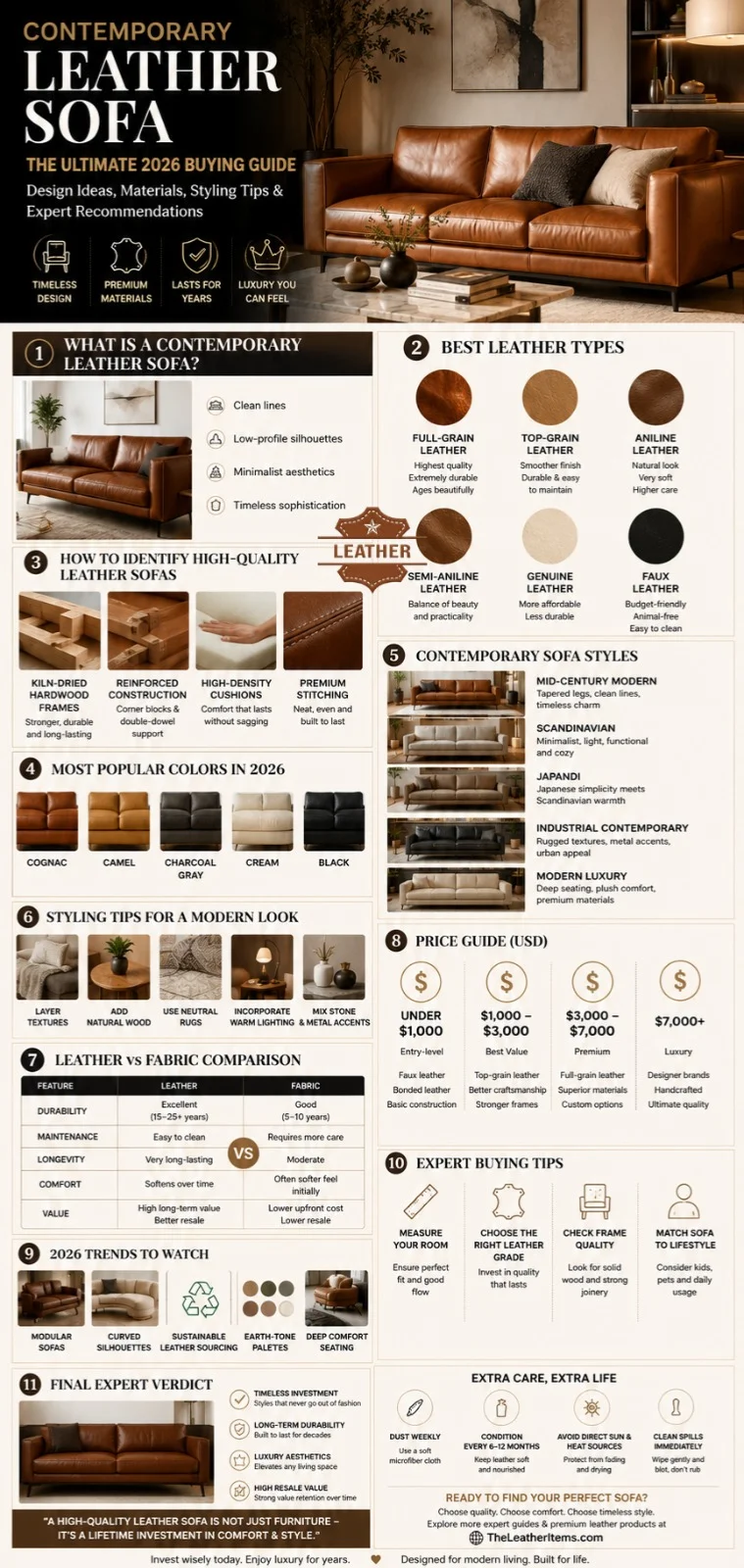
People also ask
A: Yes, if you buy the right leather type and a solid frame. A well-made sofa can last for years, look better with age, and remain stylistically relevant longer than many trend-driven fabric options.
A: Protected top-grain or semi-aniline leather is usually the safest balance for family life. Sofology specifically notes that some protected leathers are ideal for busy homes with kids and pets.
A: Good leather often does. Full-grain and some aniline leathers develop patina over time, which many buyers see as part of the appeal.
A: Cognac, camel, charcoal, and black are the easiest to style in most contemporary homes. They work with wood, stone, metal, and neutral decor without overpowering the room.
A: Check the exact leather grade, frame construction, cushion density, seam quality, and care guidance. The best pages and testing guides emphasize those structural details over the marketing copy.
Conclusion
A contemporary leather sofa is still one of the smartest furniture choices in 2026 because it blends style, durability, and Long-Term Value. The winning formula is simple: choose the right leather grade, verify the frame and cushion build, match the size to your room, and pick a color that works with your decor for years, not months. Current search results show that the strongest content is no longer just product listings; it is practical guidance with real material education, design help, and trust-building detail. That is exactly the opportunity this pillar page should own.
Legal disclaimer: Leather quality, pricing, manufacturing standards, and product availability may vary by country, brand, and supplier. Always verify authenticity, material details, and care instructions before purchase.