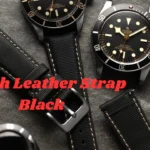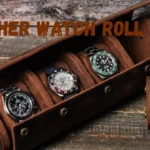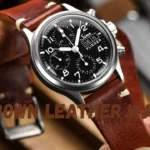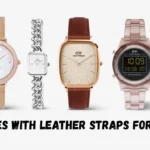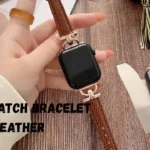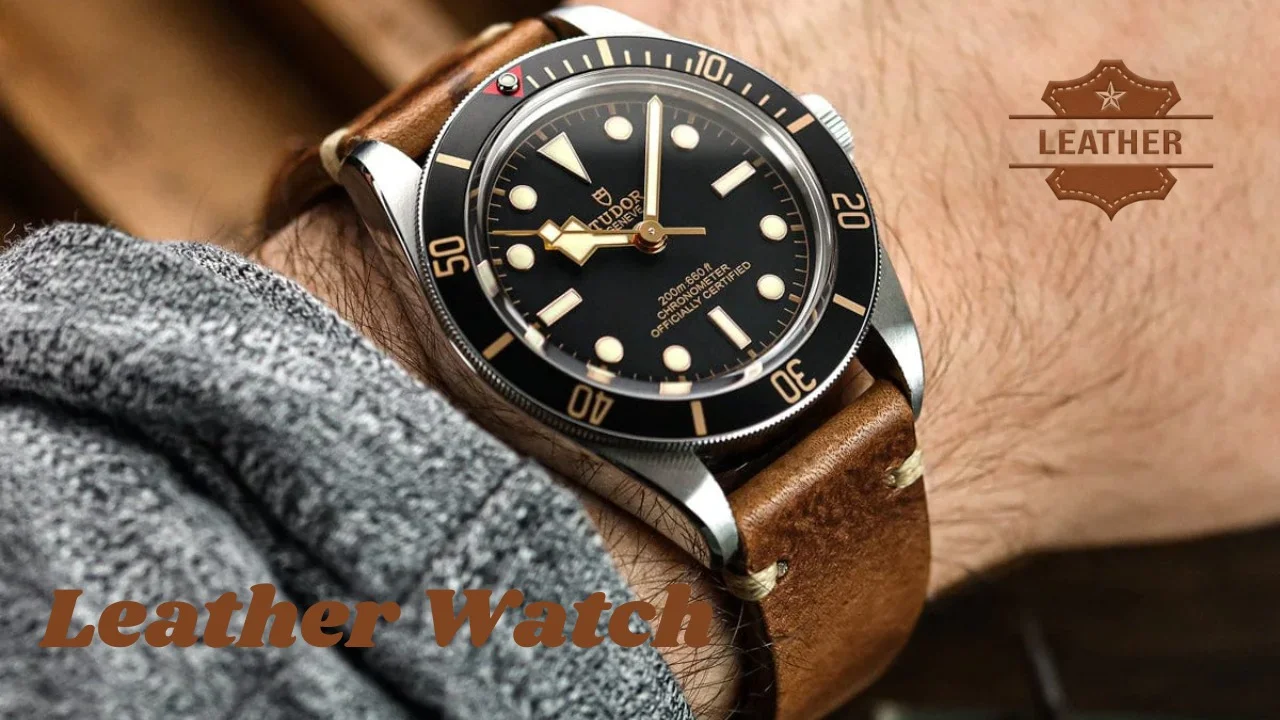
Leather Watch
A Leather Watch is one of the easiest ways to make a timepiece feel timeless, versatile, and polished. In 2026, that matters more than ever. Watch style is moving toward smaller, more intentional designs, and thin leather straps are showing up in fashion coverage as part of the wider “tiny watch” and quiet-luxury trend.
But most online guides stop at the basics. They explain leather types, then move on. They rarely explain the movement inside the watch, the case material, the wrist fit, or the mistakes that make a good purchase feel wrong after a week. That gap is exactly why this guide exists.
If you are buying a leather watch for yourself or as a gift, the real question is not just “What looks good?” It is “What fits my wrist, my wardrobe, my budget, and my daily life?” This guide answers all of that in one place, using practical leather industry knowledge, watchmaking context, and buyer-focused advice. Leather remains valued because it can feel elegant, comfortable, and highly adaptable when chosen well.
What Is a Leather Watch?
A leather watch is usually a wristwatch worn with a leather strap or band. In everyday shopping language, the phrase often means a watch that looks dressy, classic, or vintage because of its leather strap.
That is an important distinction. The watch itself is not “made of leather” in the way a bag or belt is. The watch is a timepiece; the leather is usually the strap, which changes both the look and the wear experience. Leather straps are popular because they soften over time, sit comfortably on the wrist, and visually pair well with formal and smart-casual clothing.
Who is a leather watch best for?
A leather watch is a strong choice for:
- office wear
- formal events
- date nights
- vintage-inspired style
- everyday wear if you prefer light, flexible straps
It is usually not the best choice for heavy water exposure, sweaty sports, or environments where the strap will stay damp for long periods. Leather care guidance from watch specialists consistently recommends keeping straps dry and cleaning them gently.
Why Leather Watches Remain Timeless in 2026
Leather straps stay relevant because they solve a very real style problem: they make a watch feel intentional without making it loud. That is exactly why they continue to work with suits, blazers, knitwear, shirts, and even minimalist casual outfits.
The 2026 fashion direction also helps. Watch coverage from British Vogue and Harper’s Bazaar shows that tiny and restrained watches are a major trend this year, often paired with thinner straps and more elegant styling. That gives leather watches an advantage in search and in actual fashion use.
Why leather can feel more formal than metal
Leather visually softens the watch. Metal bracelets read as sturdier and more sporty, while leather usually reads as warmer, more classic, and more dress-oriented. That is why many watch and strap guides position leather as a go-to choice for versatile, refined wear.
Why leather still wins in daily wear
A good leather strap molds to the wrist, feels lighter than most metal bracelets, and can be replaced when style changes or the strap wears out. In other words, the strap becomes a wearable part of the wardrobe rather than a fixed hardware decision.
Types of Leather Used in Watches
Leather quality matters. A lot.
The most confusing part for buyers is that leather labels are not always used consistently. In technical leather terminology, “full grain” refers to the original grain surface being preserved, while many consumer guides use “top grain” to describe leather that has been lightly corrected or buffed. “Genuine leather” means real leather, but in retail it often signals a lower or more heavily processed grade.
Horween, one of the most respected names in leather, emphasizes that shell cordovan is not just a color but a very specific horsehide leather made through a long, careful process. That is why premium straps often differ so dramatically from low-cost straps, even when both are called “real leather.”
1) Full-grain leather
This is the most desirable choice for many buyers because it keeps the grain surface intact. It tends to age well, develop patina, and feel more natural over time.
2) Top-grain leather
Often lightly corrected or sanded for a more uniform finish. It can look cleaner than full grain, but some natural character is removed in the process.
3) Genuine leather
This is real leather, but the term does not automatically mean premium. In retail, it often indicates a more processed or lower-tier product.
4) Suede
Soft, velvety, relaxed, and more casual. Great for vintage or creative styling, but more sensitive to moisture and staining.
5) Nubuck
Similar to suede in its soft surface, but usually made from the outer hide surface that has been lightly sanded. It has a refined texture and casual-luxury feel.
6) Shell cordovan
A premium horsehide leather with a dense structure and polished appearance. It is known for character, longevity, and a distinct high-end look.
7) Exotic and embossed leathers
Alligator, crocodile, ostrich, and embossed alternatives are often used for a more luxurious or formal look. Watch strap makers also use embossed patterns as a more accessible alternative to true exotic leather.
Leather Quality Comparison Chart
| Leather Type | Feel | Durability | Water Tolerance | Best For |
| Full-grain | Natural, rich | Very high | Low to moderate | Premium daily wear |
| Top-grain | Smooth, uniform | High | Moderate | Clean, versatile style |
| Genuine leather | Basic, processed | Medium to low | Low | Budget-friendly use |
| Suede | Soft, matte | Medium | Low | Casual and vintage looks |
| Nubuck | Velvety, refined | Medium | Low | Smart casual wear |
| Shell cordovan | Dense, glossy | Very high | Low | Luxury and heirloom straps |
This is the practical shopping view most buyers need. The exact terminology can vary by market, but the important decision factors are the leather’s surface finish, density, lining, and how the strap is built.
Snippet-ready answer:
Full-grain leather is usually the best all-around choice for a leather watch strap because it keeps the natural grain surface, wears well, and develops patina over time.
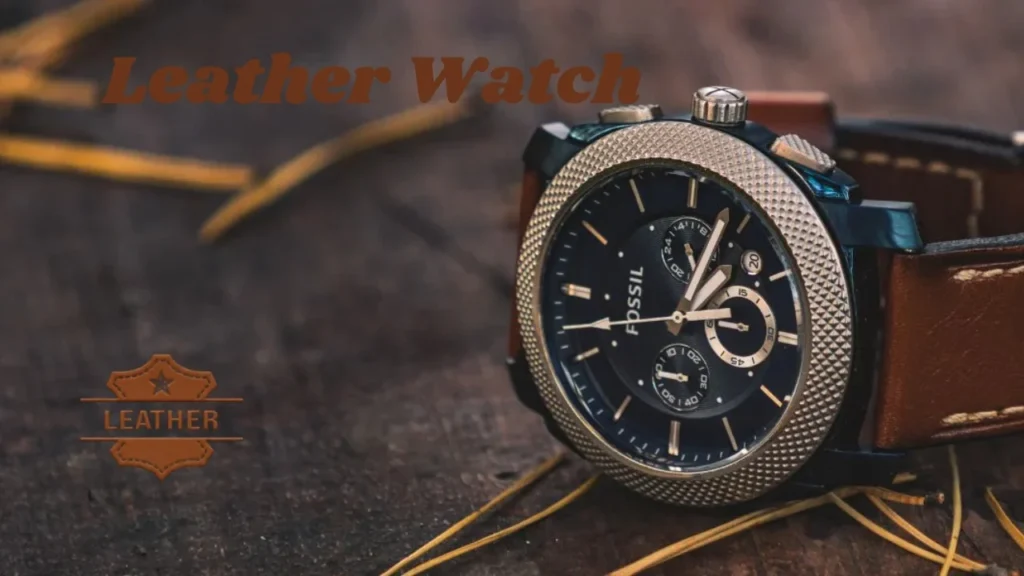
Leather Watch Movements Explained
A leather watch is not just about the strap. The movement inside the case affects accuracy, maintenance, Price, and the overall ownership experience.
Seiko’s official history notes that quartz watches use a battery and an electronic oscillator, while mechanical watches use a mainspring. Seiko also states that its Quartz Astron was the world’s first quartz wristwatch and was far more accurate than standard mechanical watches of its time.
Quartz movement
Quartz watches are convenient, accurate, and low-maintenance. They suit buyers who want a dependable everyday watch with minimal fuss.
Automatic movement
Automatic watches wind themselves through wrist motion. They appeal to buyers who like mechanical craftsmanship and a more traditional watch experience.
Mechanical movement
Mechanical watches rely on a mainspring and are prized for craft, ritual, and heritage. They usually require more attention than quartz models.
Which movement is best?
| Buyer Type | Best Movement |
| Wants accuracy and convenience | Quartz |
| Wants craft and tradition | Automatic |
| Wants a classic watch experience | Mechanical |
| Wants low maintenance | Quartz |
| Wants “watch enthusiast” appeal | Automatic or mechanical |
A simple rule works well: if the strap is about style, the movement is about lifestyle. A stylish leather strap with the wrong movement for your daily routine still feels like the wrong purchase.
How to Choose the Perfect Leather Watch
A good purchase is a match between strap, movement, case, and use case.
1) Start with your budget
Buy the best overall construction you can afford, but do not overspend on a strap if the case, crystal, or movement is weak. A balanced watch is more important than one glamorous feature. This is a practical buying principle, not a branding trick.
2) Choose the right leather
- Full-grain for premium daily wear
- Top-grain for a smoother, uniform look
- Suede or nubuck for a softer, more casual style
- Shell cordovan for luxury and long-life appeal
3) Pick the right case material
The case material affects weight, durability, and finish quality. Rolex’s Oystersteel page describes 904L stainless steel as highly resistant to impact and corrosion. IWC has also highlighted lightweight titanium in its 2026 watch releases.
4) Select the movement
Choose quartz for convenience, automatic for heritage, and mechanical if you enjoy the ritual of winding and wearing.
5) Check water resistance
Leather and water are not friends. If you plan to wear the watch in humid, sweaty, or wet conditions, choose a model with realistic water resistance and accept that the strap will need more care. WatchGecko and Hodinkee both emphasize keeping leather dry and conditioning it carefully.
6) Look at crystal and finishing
Sapphire crystal, neat stitching, lined straps, and clean edge finishing are signs of better build quality. Cheap straps often fail in the details, not just the leather type. This is where the difference between “looks fine online” and “feels premium in hand” becomes obvious.
Leather Watch Size Guide
Fit is one of the biggest reasons a watch gets loved or abandoned.
Watch sizing should not be judged by diameter alone. In current watch-size guides, lug-to-lug and thickness are treated as major comfort factors, while strap width also matters for the final look. WatchGecko similarly stresses correct lug width and strap length, with common strap widths like 18 mm, 20 mm, and 22 mm being especially important.
Case diameter explained
Case diameter affects presence, but it is not the whole story.
Lug-to-lug matters most
If the lugs overhang your wrist, the watch usually looks and feels too large.
Strap width guide
Choose the exact lug width. A strap that is even slightly off can look sloppy or fail to fit properly.
Wrist size chart
| Wrist Size | Recommended Case Size | Fit Notes |
| 5.5–6.5 in | 34–38 mm | Best for restrained or vintage looks |
| 6.5–7.5 in | 38–42 mm | Most Versatile Range |
| 7.5–8.5 in | 42–46 mm | Works for bolder styles |
These are practical starting points rather than hard rules. The rise of tiny watches in 2026 also makes smaller cases feel more fashionable than they did a few years ago.
Leather Watch Styles
Dress watches
Thin, clean, refined, and ideal for formal settings.
Field watches
Usually more rugged, simple, and practical. Leather gives them a vintage edge.
Pilot watches
Often larger and more legible, leather balances the size and keeps the watch wearable.
Chronographs
The leather strap softens the sportiness and helps the watch work in more settings.
Minimalist watches
A natural fit for leather because both rely on restraint and clean design.
Vintage watches
Leather is often the best match because it reinforces the era of the design.
A useful style lesson from current fashion coverage is that smaller watches are becoming more visible in 2026, which gives leather-strapped dress and vintage pieces renewed relevance.
Best Leather Watch Colors
Brown leather watch
The most versatile choice for warm outfits, business casual, and vintage styling.
Black leather watch
Best for formal wear, monochrome outfits, and sharp minimalism.
Tan leather watch
Bright, casual, and easy to pair with spring and summer clothing.
Cognac leather watch
A rich middle ground that often looks premium without feeling too formal.
Burgundy leather watch
A stylish choice for collectors and buyers who want subtle character.
A practical rule: darker straps generally feel more formal, while lighter and warmer shades feel more relaxed. That makes color selection one of the easiest ways to control how a watch behaves in your wardrobe.
How to Match a Leather Watch With Your Outfit
Leather watches work best when the strap supports the outfit instead of competing with it.
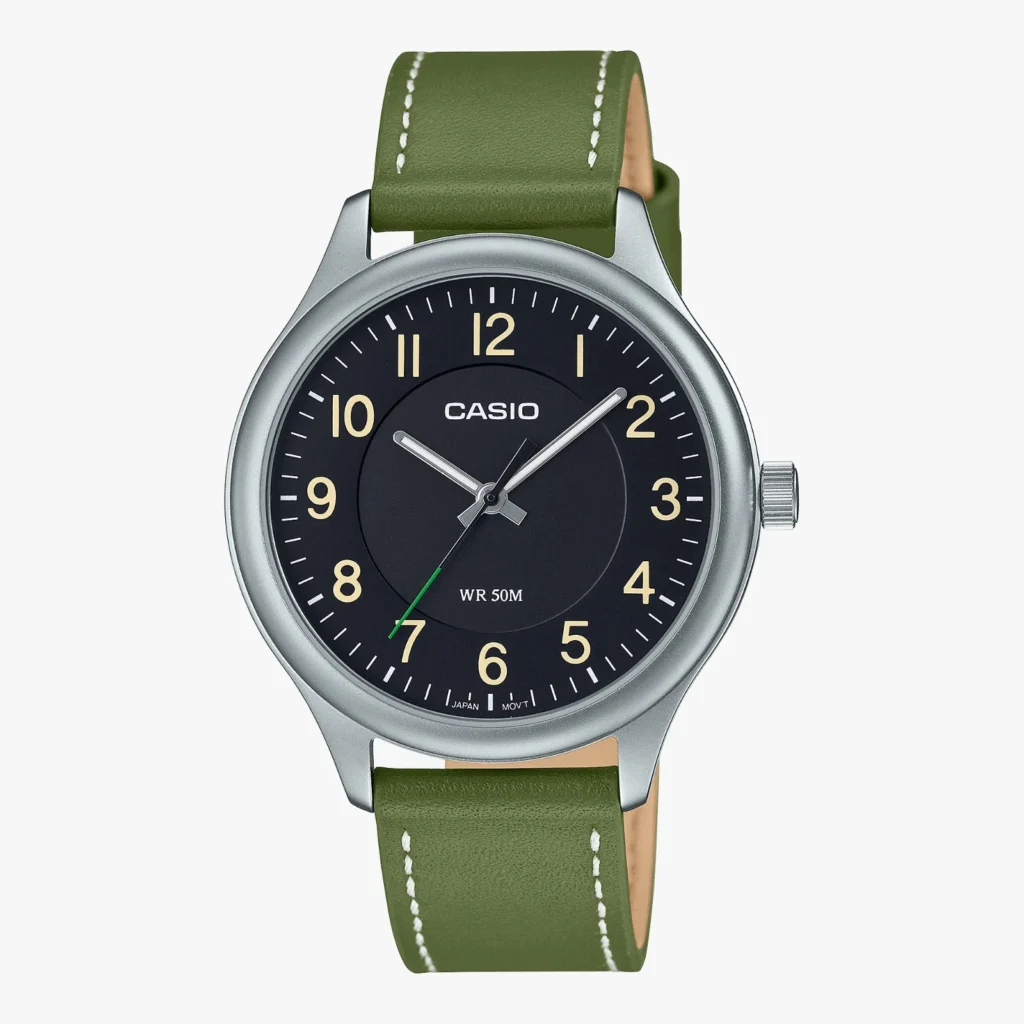
Business attire
Choose black or dark brown leather with a clean dial and a modest case size.
Formal events
Use the most restrained watch in your collection: a thin case, a polished case, a minimal dial, and a refined leather strap.
Smart casual style
Brown, tan, or cognac leather works beautifully with chinos, knitwear, denim, and button-down shirts.
Weekend wear
Suede, nubuck, or distressed leather adds warmth and texture.
A classic style principle is to keep your strap, belt, and shoes in the same color family for a formal look. In casual dressing, that rule becomes looser, and texture matters more than strict matching. Leather strap guides consistently frame leather as versatile enough for both formal and relaxed wear, which is why it remains a dependable wardrobe material.
Best Leather Watch Brands in 2026
Rather than pretending there is one universal “best,” it is smarter to think in terms of brand strengths.
- Seiko — strong movement heritage and wide style range
- Citizen — practical everyday watches and broad accessibility
- Tissot — clean Swiss styling and wide leather-strap appeal
- Omega — premium mechanical reputation
- Rolex — materials excellence and strong brand recognition, especially in the case of metallurgy
- Hermès — leather authority and luxury fashion credibility
- Horween-based strap makers — not a watch brand, but a major signal for premium strap leather quality
For your website, this section should not become a generic “luxury brands” list. Keep it practical: brand reputation matters, but movement, leather, case material, and fit matter more to real buyers.
Leather Watch vs Metal Watch
| Feature | Leather | Metal |
| Comfort | Light and Flexible | Heavier, more structured |
| Formality | Usually stronger | More versatile, often sportier |
| Water resistance | Lower | Higher |
| Warmth on wrist | Higher | Lower |
| Seasonal feel | Better in cool weather | Better for all-weather use |
| Style identity | Classic, refined | Modern, sporty, technical |
Leather is usually the better pick when the goal is elegance, comfort, and versatility with tailoring or smart-casual clothing. Metal is usually better when durability and water resistance matter more.
Manufacturing Process: How a Quality Leather Strap Is Made
A great strap is not just “cut leather.” It is a multi-part product.
WatchGecko’s strap-manufacturing guide explains that a strap often includes a top leather layer, filling, reinforcement, and a lining, usually with anti-allergenic material. The leather is split, shaped, assembled, pressed, and finished into specific widths and lengths.
Step 1: Leather selection
The tannery or manufacturer checks the hide quality, finish, and usable sections.
Step 2: Splitting and thinning
Watch strap leather is often reduced to a usable thickness so it can sit comfortably on the wrist.
Step 3: Reinforcement and lining
The top layer, filler, and lining are joined to create strength and comfort.
Step 4: Cutting to width and length
Common widths are made for common lug sizes, and length options help fit different wrists.
Step 5: Stitching and finishing
Edge paint, stitching, and buckle finishing affect both appearance and durability.
Mini summary:
A good leather strap is a constructed product, not just a leather strip. The lining, reinforcement, and finishing matter almost as much as the leather itself.
How to Identify Original vs Fake Leather
Signs of better leather
- natural surface variation
- flexible feel without a plasticky coating
- visible grain character
- consistent but not fake-looking finish
- patina potential over time
Warning signs
- overly uniform shine
- strong plastic feel
- very cheap smell
- edge cracking early
- product copy that hides material details
The consumer takeaway is simple: do not trust labels alone. “Genuine leather” is not automatically premium, and “full-grain” does not automatically guarantee excellent craftsmanship. Ask how the leather is finished, lined, and stitched.
Common Leather Watch Buying Mistakes
1) Buying the wrong strap width
If the lug width is wrong, the watch looks off and may not fit securely.
2) Ignoring wrist size
A watch can look beautiful online and still wear badly if the case overhangs your wrist.
3) Choosing “genuine leather” only because it sounds premium
The label sounds good, but it is not a guarantee of higher quality.
4) Forgetting about water exposure
Leather and water do not mix well.
5) Overlooking the movement
A beautiful strap cannot fix a movement that does not match the buyer’s lifestyle.
How to Care for a Leather Watch
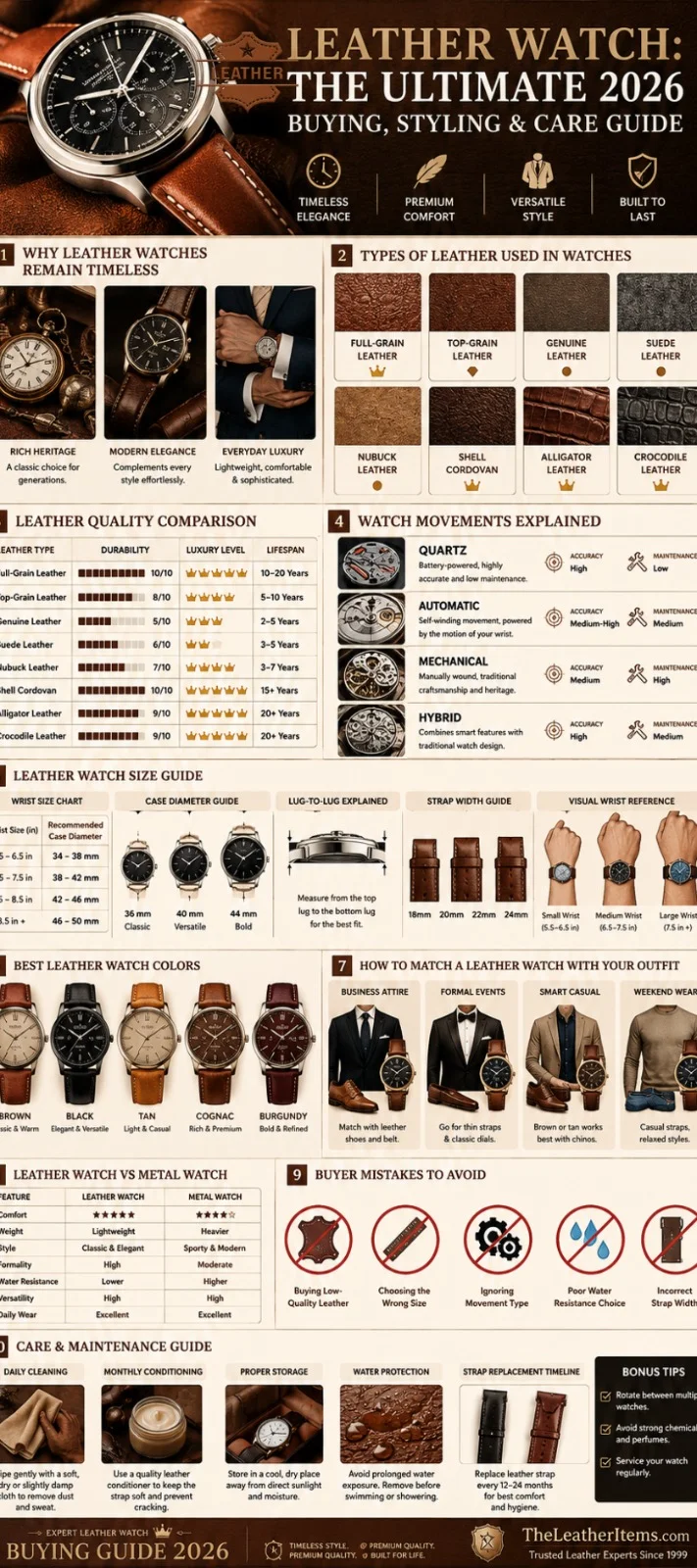
Watch strap care guidance is consistent: keep leather clean, dry, and conditioned carefully. Hodinkee recommends gentle cleaning and minimal moisture; WatchGecko also advises avoiding water damage and following simple maintenance routines.
Daily care
Wipe the strap with a soft dry cloth after wear.
Monthly care
Check for sweat marks, creases, and edge wear.
Conditioning
Use conditioner sparingly and only on leathers that tolerate it well.
Storage
Store the watch in a dry, cool place, away from direct heat and humidity.
When to replace the strap
Replace it when cracking, odor, stiffness, or edge separation becomes noticeable.
Best care rules by leather type
- Smooth leather: gentle cloth, minimal conditioner
- Suede/nubuck: soft brush, no soaking
- Shell cordovan: careful brushing and very light conditioning when needed
Mini summary:
Leather lasts longer when it stays dry, is Cleaned Gently, and is rotated rather than worn nonstop.
Expert Tips Most Buyers Ignore
- Buy the case, movement, and strap as one package.
- Check lug width before you fall in love with the dial.
- Choose leather color based on your wardrobe, not the product photo.
- Smaller watches are trending in 2026, so proportion matters more than hype.
- If you want leather to age well, choose better construction rather than a glossy finish.
- If you want a strap that feels premium, think lining and edges, not just surface leather.
Who Should Buy a Leather Watch
- Professionals who want a refined everyday watch
- Buyers of formal or business-casual wardrobes
- Watch beginners who want an easy first “nice watch”
- Collectors who want a dressy or vintage piece
- Gift shoppers who want something elegant and safe
Who Should Avoid a Leather Watch
- people who need constant water resistance
- buyers who sweat heavily and do not want strap maintenance
- buyers who want a purely sporty or dive-watch look
- people who prefer one strap that requires almost no care
Future Trends in the Leather Watch Industry
The leather watch category is unlikely to disappear. It is evolving.
1) Smaller watches
Fashion coverage in 2026 shows mini watches are back, which helps leather straps and restrained case sizes.
2) Better traceability
Leather Working Group is pushing more traceability, with a major sustainability system planned to replace Protocol 7 and stronger expectations around chain of custody and responsible sourcing.
3) More material transparency
Buyers are becoming more informed, so brands that explain leather type, lining, sourcing, and care will win trust.
4) Quick-release straps
The strap-swapping mindset is growing, making it easier to refresh a watch without replacing the whole piece. WatchGecko’s current strap content also reflects the importance of strap sizing and easy replacement.
People Also Ask
A: Yes, if you want a watch that feels classic, comfortable, and easy to dress up. A leather watch is usually one of the best choices for office wear and formal styling.
A: It depends on leather quality, wear frequency, sweat exposure, and care. Premium straps last much longer when kept dry and cleaned gently.
A: Usually, yes, for buyers who want better aging and a more natural feel. But terminology varies, so always check the actual construction and finish, not only the label.
A: They can, but repeated moisture is one of the fastest ways to shorten strap life. Keep leather away from swimming, soaking, and heavy rain when possible.
A: Brown is usually the most versatile for everyday wear, while black is the safest for formal outfits.
Conclusion
A leather watch is still one of the smartest style purchases you can make in 2026. It works because it is simple, flexible, and quietly elegant. But the best choice is never just about the strap. It is about the leather type, movement, case material, fit, and how the watch lives on your wrist every day.
If you want one practical rule, use this: choose a leather watch that fits your wrist first, your wardrobe second, and your budget third. If you do that, you avoid most mistakes and end up with a watch you will actually wear.
For TheLeatherItems.com, this topic is a strong authority opportunity because it naturally connects to leather care, leather quality, belts, wallets, jackets, and accessories. That makes it ideal for internal linking and long-term topical authority.
Explore more leather buying guides on TheLeatherItems.com, compare materials carefully, and always verify authenticity, construction, and care instructions before purchase.
Legal Disclaimer:
Leather Quality, pricing, manufacturing standards, and product availability may vary by country, brand, and supplier. Always verify authenticity, material details, and care instructions before purchase.